The Mechanical Ghost That Makes Your Engine Lunge at Red Lights
Modern internal combustion engines operate on a razor-thin margin of error known as the stoichiometric ratio—the perfect balance of 14.7 parts air to 1 part fuel. When your vehicle is idling at a stoplight and suddenly feels like it wants to leap forward, you are likely experiencing a surge in RPM caused by a breach in this equilibrium. While many drivers immediately fear a failing torque converter or a complex transmission slip, the reality is often far more mundane and mechanical. As noted in mechanic tips for diagnosing auto problems, these symptoms frequently stem from unmetered air entering the system, forcing the Engine Control Module (ECM) into a frantic state of over-compensation.
Why Does My Vehicle Try to Jump Forward While My Foot Is on the Brake?
This phenomenon, often described as ‘lunging’ or ‘surging,’ typically occurs when the engine’s vacuum pressure drops unexpectedly. When you are stopped in drive, the engine is under load; if an air leak exists, the ECM detects a lean condition (too much air, too little fuel) via the oxygen sensors and responds by dumping more fuel into the cylinders. This spike in combustion energy causes the crankshaft to spin faster, momentarily overpowering the resistance of the transmission. If your brake service history is up to date, your pads will hold, but the sensation of the car ‘fighting’ the brakes is unmistakable and deeply unsettling for any driver.
Anatomy of a Vacuum Leak and the Stoichiometric Imbalance
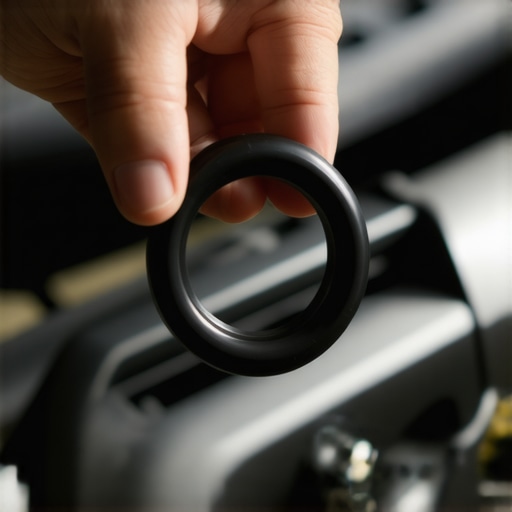
The culprit is frequently a degraded O-ring located on the Idle Air Control (IAC) valve, the dipstick tube, or the brake booster check valve. These small rubber seals are designed to keep the intake system airtight, but over years of heat cycles, they become brittle and crack. A microscopic fissure in a five-dollar rubber ring can allow enough ‘false air’ into the intake manifold to disrupt the idle. Professional technicians often utilize smoke machines to visualize these leaks, but a keen ear can sometimes detect a faint hissing sound coming from the engine bay. This is why a comprehensive tune up your car like a pro routine must involve more than just replacing spark plugs; it requires a meticulous inspection of every soft-component seal in the air-induction path.
According to research published by the Society of Automotive Engineers (SAE), unmetered air is one of the primary drivers of driveability complaints in high-mileage vehicles. If left unaddressed, this ‘minor’ leak will eventually lead to fouled spark plugs, damaged catalytic converters, and a significant drop in fuel economy. Before you agree to a multi-thousand-dollar transmission overhaul, ensure your technician has performed a vacuum pressure test. If you are noticing a rough idle alongside the lunging, consider checking the 15-dollar sensor that fixes your rough idle as part of your diagnostic process. Do not let a simple rubber seal dictate the reliability of your daily commute; take a proactive stance on vacuum system integrity today.
Professional Tip: If your vehicle lunges specifically when the AC compressor cycles on or off, the IAC valve O-ring should be your primary suspect, as the valve is failing to compensate for the added engine load. Keeping up with why regular tune-ups are key to car longevity ensures these small components are caught before they leave you stranded or cause an accidental fender-bender at a busy intersection.
The Surprising Connection Between Your Brake Pedal and Idle Stability
While we often think of the engine and the brakes as two entirely separate systems, they are physically tethered by a thick vacuum hose connected to the brake booster. This large, drum-like canister uses engine vacuum to multiply the force you apply with your foot. If the internal diaphragm inside that booster fails, pressing the brake pedal can actually introduce a massive surge of ‘false air’ directly into the intake manifold. This creates a confusing symptom: the car idles perfectly in park but begins to lunge or stumble only when you are stopped at a light with your foot firmly on the brake. Understanding when to know you need brake service now involves recognizing that a ‘hard’ brake pedal often coincides with these engine performance issues.
Is Your Transmission Fighting Your Brakes for Control of the RPM?
Beyond simple air leaks, the culprit behind a lunging vehicle can sometimes be found within the hydraulic logic of the transmission itself. The Torque Converter Clutch (TCC) solenoid is responsible for locking the engine and transmission together at highway speeds to improve efficiency. However, if this solenoid becomes ‘sticky’ due to old, degraded fluid, it may fail to fully disengage as you come to a stop. This creates a mechanical drag that tries to stall the engine, forcing the computer to rev the RPMs up to stay alive—resulting in that terrifying forward lunge. Before fearing the worst, many drivers find success with the 20-dollar fluid swap that can save a slipping transmission, which can clear out the debris causing the solenoid to hang up.
Carbon Buildup and the Sticky Throttle Plate Trap
Modern electronic throttle bodies are incredibly sensitive to the ‘varnish’ and carbon deposits that bake onto the butterfly valve over time. In a healthy system, the computer makes tiny, microscopic adjustments to the plate’s angle to maintain a steady idle. When carbon builds up around the edges of the plate, it can cause the valve to ‘stick’ momentarily. When the computer commands a slight opening to compensate for the AC or the alternator load, the plate finally snaps open further than intended, causing a sudden burst of air and a subsequent lunge. As emphasized by the National Institute for Automotive Service Excellence (ASE), regular cleaning of the air induction system is a vital, yet often overlooked, part of preventative maintenance. This simple cleaning procedure is one of the most effective tune-up strategies to save money on auto repairs because it prevents the ‘hunting’ idle that wears out engine mounts prematurely.
Ignoring these symptoms doesn’t just make for an uncomfortable drive; it places unnecessary strain on your entire drivetrain. If you’ve noticed your car acting up, check your air filter for debris or restrictive buildup, as the 15-dollar air filter mistake can often exacerbate poor idle conditions. Have you ever felt your car try to ‘creep’ forward at a light, or have you found a simple fix for a surging idle? Share your experience in the comments below or let us know which diagnostic step helped you pin down the ghost in your machine. Dealing with these nuances now prevents the need for more drastic measures, like learning how to stop your brakes from sponging after a long drive due to overheating from fighting a surging engine.
Stop the Bounce: How Worn Mounts Magnify Your Engine’s Surge
While an air leak or a sticky solenoid provides the physical energy for a lunge, the physical violence of that movement is often amplified by the very components designed to dampen it. Your engine sits on a series of rubber or hydraulic mounts that isolate the chassis from the powertrain’s natural vibrations. Over time, the rubber degrades or the internal fluid leaks out, leaving the engine free to ‘pitch’ forward or backward within the engine bay. When your RPMs spike due to an IAC fault, a healthy mount would absorb the torque; a failed mount allows the entire engine block to rotate several degrees. This physical shift transfers energy directly through the CV axles to the wheels, making a minor 100-RPM surge feel like a violent jump. If you’ve been ignoring a subtle vibration while idling, your mounts might be the silent accomplices to your car’s lunging behavior.
Can a Voltage Drop From Your Alternator Trick the Computer Into Revving?
The modern automotive ecosystem is a delicate web of electrical signals where even a half-volt drop can cause catastrophic ‘ghost’ symptoms. Your Engine Control Module (ECM) relies on a steady 13.5 to 14.5 volts to interpret data from high-speed sensors. If your alternator’s diodes are failing or the voltage regulator is ‘rippling,’ the signal from the Mass Air Flow (MAF) sensor can become noisy. The computer sees this electrical noise as a sudden influx of air and responds by dumping fuel into the cylinders to prevent a lean stall. This creates a feedback loop: the engine revs, the alternator spins faster, the voltage stabilizes momentarily, the RPMs drop, and the cycle repeats. According to technical bulletins from Delphi Technologies, signal ‘drift’ in electronic throttle bodies is frequently traced back to poor grounding or unstable system voltage rather than a mechanical failure of the throttle plate itself.
The Hall Effect and the Ghost of Unintended Acceleration
Unlike older vehicles that used a physical cable to pull the throttle open, your modern car uses a ‘Drive-by-Wire’ system. Inside your gas pedal and your throttle body are Hall Effect sensors—non-contact magnets that measure position by detecting changes in a magnetic field. While incredibly precise, these sensors are vulnerable to electromagnetic interference (EMI) and microscopic metallic debris. If the sensor in your pedal assembly begins to ‘sweep’ inaccurately, it might send a momentary ‘tip-in’ signal to the ECM even while your foot is on the brake. This is why a professional mechanic’s diagnostic process always involves checking the ‘Live Data’ stream for the Accelerator Pedal Position (APP) sensor to ensure the percentage stays at a rock-solid zero while idling.
Why Does My Car Surge Only When the Cooling Fan Kicks On?
This specific scenario is a classic indicator of a ‘load compensation’ failure. When the heavy electric cooling fan engages, it places a sudden, massive demand on the alternator. The ECM is programmed to pre-emptively bump the idle speed to prevent the engine from bogging down under this new load. However, if the throttle body is dirty or the IAC valve is sluggish, the computer over-shoots its target. You get a sudden burst of power just as you’re trying to stay still. Have you noticed your headlights dimming right before the car tries to lunge? This synergy between the electrical and mechanical systems is exactly why tuning up your car like a pro requires looking at the battery and charging system with as much scrutiny as the spark plugs. If you suspect an electrical bottleneck, checking for corrosion at the main engine ground is a vital first step before replacing expensive modules.
The EVAP Purge Valve Secret: When Your Gas Tank Dictates Your Idle
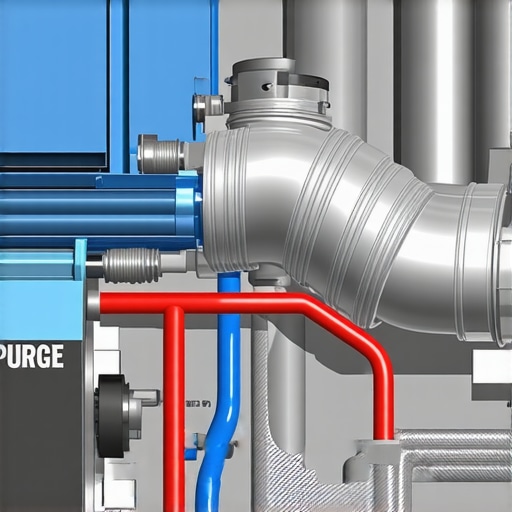
The Evaporative Emission (EVAP) system is a closed loop designed to trap gasoline vapors before they escape into the atmosphere. However, the purge valve—the gatekeeper between the charcoal canister and the engine intake—can become a primary source of idle instability. If this valve sticks slightly open, the engine draws in an unpredictable mix of fuel-rich air from the gas tank. This typically manifests as a sudden lunge shortly after refueling or during a warm restart. Unlike a standard vacuum leak, which is constant, an EVAP fault is intermittent and elusive. High-level technicians often monitor the ‘purge duty cycle’ on a scan tool to see if the engine lunges specifically when the valve is commanded to open. This is a critical nuance in mechanic tips for diagnosing auto problems because it links the fuel system’s integrity directly to the engine’s physical behavior at a stoplight.
Can a Faulty Oxygen Sensor Mimic a Failing Transmission?
While we often blame mechanical parts for a physical lunge, the ‘lazy’ oxygen (O2) sensor is a frequent silent offender. As O2 sensors age, their response time slows down—a condition known as signal lag. Instead of switching rapidly between rich and lean several times per second, the sensor might hang on a single reading for too long. The ECM, waiting for feedback that never arrives, continues to add fuel until it realizes the mixture is too rich, then cuts back sharply. This ‘hunting’ behavior creates a rhythmic surge in RPM that feels remarkably like a slipping transmission or a torque converter shudder. According to technical documentation from Bosch Mobility Solutions, O2 sensors should be treated as a wear item, as their precision degrades long before a Check Engine Light illuminates. If you are performing a tune up your car like a pro, looking at the switching rate of your upstream sensors is paramount.
Stop Chasing Cheap Parts and Trust the Waveform Instead
In the era of modern engine management, the difference between a fix and a frustration often comes down to the quality of the replacement sensor. Budget-tier MAF or MAP sensors frequently lack the thermal compensation circuitry found in OEM units. This leads to ‘signal drift,’ where the sensor reports a different air density than what is actually entering the engine, especially as the engine bay heats up while sitting at a light. This thermal drift causes the car to lunge only after it has been running for 20 minutes. Advanced diagnostics involves using an oscilloscope to view the actual electrical waveform rather than the processed data on a scan tool. A ‘clean’ signal is the bedrock of a stable idle. Before you invest in a new throttle body, check your tune-up strategies to save money on auto repairs by ensuring you are using high-impedance, quality components that match the factory specifications. Have you checked your long-term fuel trims (LTFT) lately? If they are consistently above 10%, your car is compensating for a problem you haven’t found yet—share your diagnostic data in the comments so we can help you decode the mystery.
Expert Insights and Advanced Diagnostics
Why Heat Soak Masks Vacuum Leaks
Often, a vehicle performs perfectly for the first fifteen minutes of a commute only to start lunging as soon as the engine bay reaches full operating temperature. This happens because heat causes rubber components to expand; a microscopic crack in an intake boot may stay sealed when cold but gap open once the material softens. When following mechanic tips for diagnosing auto problems, always perform your vacuum tests after a long drive to ensure you are seeing the system under its most stressed thermal state.
Fix Your Grounds to Fix Your Idle
Electrical ‘noise’ is the silent enemy of the modern powertrain. If your engine block ground is corroded, the return path for sensor signals becomes unstable, leading to erratic throttle plate movement that feels like a mechanical lunge. Sometimes the simple ground wire move that fixes dim headlights is exactly what is needed to stabilize the reference voltage for your throttle position sensor and prevent the computer from over-correcting.
Mastering the Long-Term Fuel Trim
Your scan tool’s Long-Term Fuel Trim (LTFT) is the autobiography of your engine’s struggle. If these numbers are climbing toward 15% or 20%, your computer is screaming that it is fighting a massive lean condition. You can often recover your MPG with a simple 12-dollar sensor cleaning, but only if you catch the drift before the computer loses its ability to compensate entirely and the engine begins to surge uncontrollably.
Curated Resources for Professional Repairs
The Society of Automotive Engineers (SAE): The industry standard for technical papers on stoichiometric balance and drive-by-wire logic. Essential for those who want to understand the granular physics of unmetered air and engine response.
Bosch Mobility Solutions: Provides unparalleled data on O2 sensor switching rates and how ‘lazy’ sensors induce RPM hunting. This is the premier source for diagnosing elusive driveability issues in European and domestic vehicles.
ASE Training Materials: Specifically the A8 Engine Performance section, which offers a masterclass in interpreting vacuum gauges and live scan tool data to pinpoint mechanical failures versus sensor errors.
AutoScareHub Diagnostic Library: Reference the ultimate tune-up checklist for every car owner to bridge the gap between basic maintenance and professional-level diagnostics.
Final Perspective on Engine Surging
Identifying why a car lunges at a red light requires looking past the transmission and focusing on the delicate balance of air, fuel, and electrical stability. Whether it is a brittle five-dollar O-ring or a ‘lazy’ oxygen sensor, these ghosts in the machine are solvable with a methodical, data-driven approach. If the complexity of the live data stream feels overwhelming, knowing how to choose a skilled mechanic you can trust ensures that your vehicle is handled by someone who understands waveforms as well as wrenches. Do you have a mystery surge that refuses to go away? Join the conversation in our community forums or reach out to us via our contact page for more advanced diagnostic support and professional insights.