Why Gravity Alone Fails Modern Cooling Systems
Modern internal combustion engines operate with thermal margins that leave zero room for error. A botched coolant flush is not merely a maintenance oversight; it is a precursor to catastrophic engine failure. Air pockets, or “airlocks,” act as thermal insulators, preventing coolant from reaching critical surfaces like the cylinder head or the heater core. When a mechanic performs a high-level tune up, they recognize that the cooling system is the engine’s primary defense against thermal fatigue. Unlike older vehicles with simple radiator loops, contemporary engines feature complex multi-pass radiators and intricate bypass hoses that easily trap air. This trapped air leads to localized hot spots, which can warp cylinder heads long before the dashboard temperature light illuminates.
Does Your Dashboard Temperature Gauge Actually Tell the Whole Story?
One of the most dangerous myths in auto repair is the belief that the temperature gauge provides a real-time, comprehensive view of engine health. In reality, temperature sensors are designed to measure the heat of the liquid coolant. If an air pocket surrounds the sensor, it may read steam temperature or fail to register the extreme heat of the metal components nearby. This delay is why your engine temp spikes only at stoplights or during sudden load changes. Professional technicians use infrared thermometers to verify temperatures across different zones of the engine block to ensure no localized overheating is occurring due to trapped air. This diagnostic precision is as vital to engine longevity as a timely brake service is to safety.
Secure a Spill-Free Funnel for Professional Results
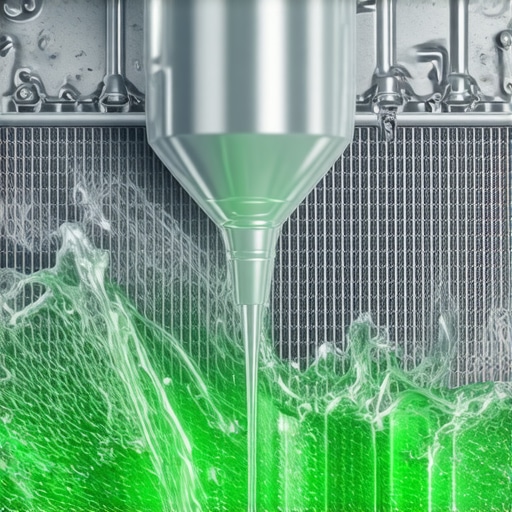
The spill-free funnel is perhaps the most undervalued tool in the arsenal of professional maintenance experts. By attaching this tool to the radiator neck or expansion tank, you create an artificial high point in the system. Physics dictates that air will always travel to the highest accessible point. As the engine cycles through its thermostat opening phase, the funnel allows air to escape while simultaneously “head-loading” the system with fresh coolant. This prevents the common issue where coolant levels drop without a visible leak shortly after a service. According to performance standards documented by ASTM International, maintaining the correct chemical balance is essential, but it is the physical removal of air that ensures the additive package protects against cavitation and corrosion.
For those looking to deepen their maintenance routine, integrating these mechanic tips for diagnosing common auto problems can help identify cooling failures before they result in a tow truck bill. If you have noticed any performance lags, consider how a comprehensive cooling service fits into your overall tune up strategies for 2025.
Identify the Hidden Bleeder Valves
Many modern European and Asian vehicles incorporate dedicated bleeder screws on the thermostat housing or upper radiator hoses. Skipping these valves is a guaranteed way to leave air in the system. When the engine is cold, these valves should be opened until a steady stream of coolant emerges. This is a critical step often missed by DIYers but prioritized by a master mechanic. If you are unsure about your vehicle’s specific requirements, our team is ready to provide professional guidance; feel free to contact us for expert-led repair insights.
Master the Art of Vacuum Filling for a Total Purge
The transition from manual gravity bleeding to vacuum filling represents a significant shift in professional auto repair standards. By using a venturi-style vacuum tool, a skilled mechanic can verify system integrity before a single drop of fluid enters the engine. This process involves drawing a deep vacuum on the entire cooling system, which physically collapses the radiator hoses. If the system cannot hold this vacuum for several minutes, it indicates a leak is present, allowing you to fix the issue before wasting expensive coolant. This pre-fill diagnostic prevents the hidden dangers of a failing head gasket or a hairline crack in a plastic housing. For those performing high-level maintenance, using the $20 test kit that stops head gasket panic is a smart preliminary step before committing to a full vacuum-assisted flush.
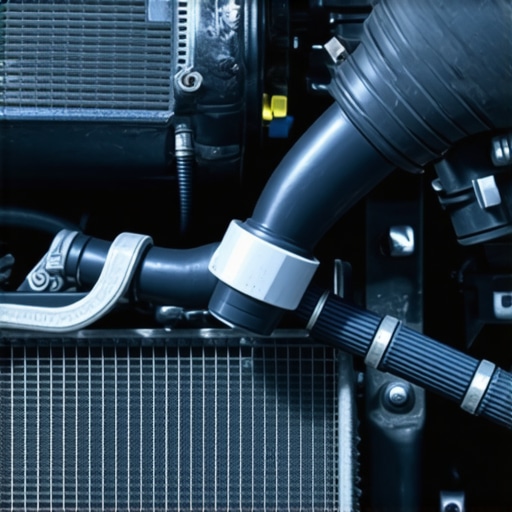
Once the vacuum is established, opening the intake valve allows atmospheric pressure to push the coolant into every deep crevice of the engine block simultaneously. This method is the only way to ensure that complex multi-pass radiators are 100% full on the first attempt. Without this tool, you may find that your coolant level drops without a visible leak as air pockets eventually migrate toward the expansion tank during the first few drive cycles. Understanding these nuances is what separates a standard service from a professional-grade tune up.
Why Does the Heater Core Trap Air Even After a Full Flush?
The heater core is often the Achilles’ heel of the cooling system. Because it is frequently positioned higher than the engine block or buried deep behind the vehicle’s dashboard, it becomes a natural reservoir for stray air. When air is trapped here, you lose cabin heat, and the engine loses a vital portion of its secondary cooling capacity. A high-quality tune up always involves cycling the climate control to the highest heat setting during the final bleeding process to ensure the heater control valve remains wide open. Failure to do so can lead to a mystery “gurgling” sound behind the dash, a classic sign of entrained air that can eventually lead to localized overheating. These details are essential when learning how to tune up your car like a pro.
Prevent Cavitation by Eliminating Every Micro-Bubble
Beyond simple overheating, air in the system introduces the threat of cavitation. As the water pump impeller spins, any air bubbles present can implode against the metal surfaces with enough force to pit the aluminum. Over time, this erosion destroys the pump from the inside out and contaminates the entire system with fine metal shavings. Technical research published by the Society of Automotive Engineers (SAE) highlights that even 2% air entrainment can lead to a 10% reduction in heat transfer efficiency and a significant increase in pump wear. This is why a meticulous brake service and a cooling system flush share the same philosophy: any air in the lines is a failure point.
Just as a brake service strategy that saves money relies on maintaining zero air in the lines, your cooling system demands an identical level of surgical precision. Have you ever struggled with a persistent airlock after a radiator swap? Share your troubleshooting experiences in the comments below, or read our guide on how a top-rated mechanic ensures safe auto repairs every time to see more expert-level maintenance secrets.
Stop Fighting Foam: The Chemical Reason Air Stays Trapped
One aspect often overlooked during a standard auto repair is the chemical age of the fluid itself. Over time, the anti-foaming agents within the coolant break down. When these surfactants fail, the coolant becomes prone to aeration, creating tiny micro-bubbles that are nearly impossible to bleed out via gravity alone. A professional mechanic knows that adding fresh coolant to old, degraded fluid is a recipe for persistent airlocks. According to technical bulletins from the Gates Corporation, the presence of these micro-bubbles significantly accelerates water pump erosion through a process known as ‘implosion damage.’ If you are planning a comprehensive tune up, ensure you are performing a full chemical flush rather than a simple ‘drain and fill’ to maintain the fluid’s surface tension and prevent this invisible foaming.
Why Does My Coolant Level Rise and Fall Drastically During a Drive?
It is perfectly normal for coolant to expand into the overflow tank as it heats up, but drastic swings are often a sign of residual air compressing and expanding within the engine block. Because air is a gas, it is highly compressible; liquid coolant is not. When air is trapped, it acts like a spring inside your cooling system. This creates inconsistent pressure readings that can mislead even experienced DIYers. Much like how a soft pedal during a brake service indicates air in the hydraulic lines, a fluctuating reservoir level is the cooling system’s way of screaming for a proper purge. If you have noticed these symptoms, it might be time to revisit your tune up strategies for 2025 to include a high-pressure system test.
Master the Complexity of Multi-Stage Hybrid Cooling Loops
The rise of hybrid and electric vehicles has added layers of complexity to thermal management that the industry has never seen before. Many of these vehicles utilize secondary and even tertiary cooling loops specifically for the battery pack and the power electronics (inverters). These systems often use low-conductivity coolants and dedicated electric pumps that must be ‘commanded’ open via a diagnostic scan tool to bleed properly. This is where a mechanic equipped with modern software becomes essential. Without the proper digital interface, you cannot cycle the valves necessary to clear the air, leading to inverter overheat codes and reduced battery life. 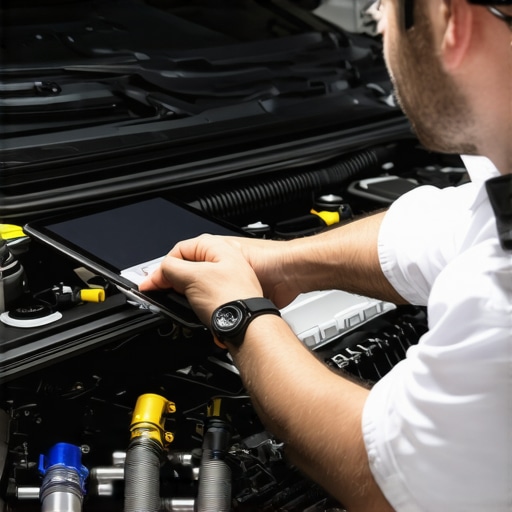
Ignoring these secondary loops during a routine tune up is a common mistake that can lead to expensive component failure. Just as you wouldn’t perform a brake service on only two wheels, you cannot maintain only half of a modern vehicle’s cooling architecture. For those looking to master these advanced systems, our guide on how to tune up your car like a pro provides a roadmap for navigating these digital-heavy repairs.
Verify Your Pressure Cap Integrity to Prevent Flash Boiling
The radiator or expansion tank cap is a precision-engineered pressure relief valve, yet it is frequently the most neglected part of the cooling system. If the cap fails to maintain the specified pressure (usually between 12 and 16 PSI), the boiling point of the coolant drops significantly. This allows air pockets to form through ‘flash boiling’—where the liquid turns to steam instantly at the hottest points of the cylinder head. During any high-level auto repair, a pressure test of the cap is mandatory. If the seal is compromised, all the bleeding in the world won’t prevent the system from re-introducing air through the overflow hose. If you’re experiencing recurring issues, it may be time to contact us for a professional system evaluation that goes beyond the surface level.
The Thermal Shock Risk of Improper Refilling
Beyond the presence of air, the temperature of the coolant being introduced during a service matters immensely. Pouring cold coolant into a hot engine that has just been drained can cause thermal shock, potentially cracking the very cylinder head you were trying to protect. This is a nuance that a seasoned mechanic respects above all else. Always allow the engine block to reach an ambient temperature before introducing new fluids. This patience is a hallmark of professional-grade auto repair, ensuring that every component from the radiator fins to the internal gaskets remains under controlled stress levels during the maintenance cycle.
Why Electrical Currents Can Eat Your New Radiator From Within
Even the most meticulously bled system can fall prey to a silent killer: electrolysis. This phenomenon occurs when the coolant becomes an unintended ground path for the vehicle’s electrical system. During a complex auto repair, a seasoned mechanic checks for stray voltage by dipping a multimeter probe into the coolant while the engine is running and accessories are turned on. If the meter reads more than 0.3 volts, the fluid is actively stripping metal ions from the internal walls of the radiator and heater core. This electrochemical assault creates pinhole leaks and weakens the structural integrity of the entire loop, regardless of how many times you’ve performed a tune up or air purge.
Can a Failing Ground Strap Actually Ruin Your Coolant?
Absolutely. When the engine block’s primary ground strap corrodes or vibrates loose, the high-amperage current from the starter or alternator seeks an alternative path back to the battery. Often, that path is through the liquid coolant itself. This doesn’t just cause corrosion; it chemically alters the coolant, breaking down the corrosion inhibitors prematurely. According to technical standards established by the Technology & Maintenance Council (TMC) in their RP 302B guidelines, maintaining electrical isolation is as critical as maintaining the proper pH balance. A professional-grade brake service might involve checking lines for physical leaks, but a cooling specialist checks for these invisible electrical ‘leaks’ that can melt an aluminum radiator from the inside out in mere months.
Stop Guessing Mix Ratios with Primitive Hydrometers
The old-school ‘floating ball’ hydrometer is a relic of a bygone era and has no place in a modern tune up. These tools are notoriously inaccurate, especially when dealing with the various glycol formulations like OAT or HOAT found in modern European or Asian vehicles. Precision cooling requires an optical refractometer. This tool measures the degree to which light bends as it passes through the liquid, providing a laboratory-accurate reading of the freeze point and concentration. 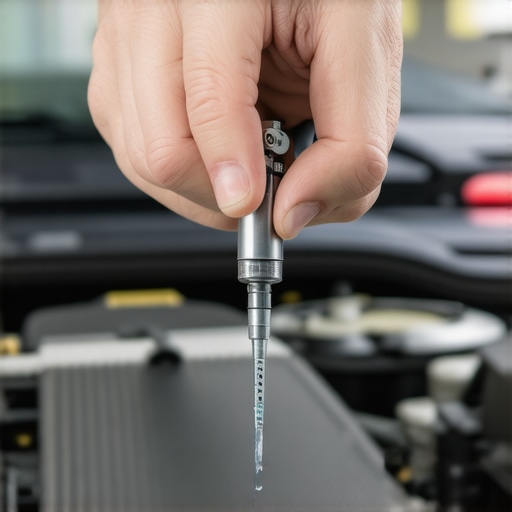
Maintaining a perfect 50/50 or 60/40 ratio is not just about preventing a winter freeze; it is about the boiling point and the surface tension required for effective heat transfer. Too much glycol reduces the fluid’s ability to carry heat away from the cylinder heads, while too little allows for the micro-boiling issues discussed earlier. When you commit to a high-level auto repair, ensuring the chemical baseline is perfect prevents the ‘gelation’ that occurs when incompatible coolants are mixed. Gelation creates a thick, snot-like substance that no vacuum tool can easily remove, necessitating a laborious mechanical flush of the entire engine block. This level of detail is exactly what we discuss in our guide on how to tune up your car like a pro.
Variable Water Pumps Require Digital Handshakes
The days of simple, belt-driven water pumps are fading. Many high-performance engines now utilize variable-speed electric pumps that operate independently of engine RPM. These pumps are managed by the ECU and require a specific ‘service mode’ to be activated during the bleeding process. If a mechanic fails to initiate this digital handshake via a scan tool, the pump may remain stationary or run at insufficient speeds to push air through the upper reaches of the cooling circuit. This is particularly vital when integrating tune up strategies for 2025, where software-defined maintenance is the norm. If your vehicle is exhibiting phantom cooling issues, don’t wait for a breakdown; contact us today to let our experts perform a diagnostic sweep to protect your investment.
Expert Insights & Advanced Considerations
Adjust Your Vacuum Strategy for High Altitude
Atmospheric pressure directly impacts the effectiveness of a venturi-style vacuum tool. If you are performing a tune up in Denver compared to Miami, the maximum achievable vacuum will differ significantly. A seasoned mechanic knows that a lower vacuum reading at altitude doesn’t necessarily mean the system has a leak, but it does mean the hoses won’t collapse as tightly and the refill might require an extra burping cycle to be 100% effective. For more troubleshooting, see our mechanic tips for diagnosing common auto problems.
Why Tap Water Minerals Kill Modern Radiators
Using tap water instead of distilled water is a death sentence for modern aluminum cores. Calcium and magnesium ions in tap water react with the silicate or organic acid additives in the coolant, leading to “dropout.” This sludge settles in the narrowest passages of the radiator, effectively acting as a dam. If you see white crusting around your hoses, you might eventually find that your engine oil looks like a milkshake due to the resulting overheat stressing the head gasket during a botched auto repair.
The Critical First Drive After a Purge
No matter how perfect the vacuum fill was, the first full heat cycle is the ultimate test of your cooling integrity. As the metal expands and the thermostat opens fully for the first time under load, the last few micro-bubbles will migrate toward the high point. This is why why regular tune ups are key to car longevity; they include that vital follow-up check of the expansion tank level the next morning. #IMAGE_PLACE_HOLDER_E#
Curated Expert Resources
SAE International Technical Library
This is the primary source for peer-reviewed research on automotive thermal management and cooling system metallurgy, ideal for those seeking engineering-level depth.
TMC Recommended Maintenance Practices
These documents provide the highest industry standards for electrical isolation and cooling system integrity in high-performance and commercial environments.
ASTM D3306 Standards Documentation
This is the definitive global specification for engine coolant chemistry, outlining the rigorous testing required for effective corrosion protection.
Final Expert Perspective
Mastering the cooling system is a fundamental pillar of professional auto repair. By moving beyond gravity-fed methods and embracing vacuum technology and chemical precision, you elevate a simple maintenance task into a high-level protection strategy. Whether you are performing a routine brake service or a complex engine overhaul, the attention to detail remains the same. To see how these principles are applied in a professional shop environment, read how a top-rated mechanic ensures safe auto repairs every time. If you have questions about your specific vehicle or need expert-led maintenance, please contact us to connect with our technical team today.