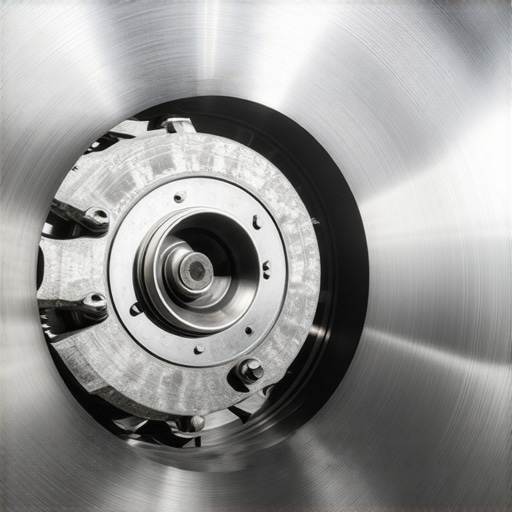
The occurrence of a piercing high-pitched squeal immediately following a professional brake service is a phenomenon that frequently baffles vehicle owners, yet it is rarely a sign of mechanical failure. Instead, this noise is typically a manifestation of unresolved harmonic frequencies within the braking system. From a technical perspective, braking is the conversion of kinetic energy into thermal energy through friction, a process inherently susceptible to vibration. When new friction material meets a rotor surface—even a freshly machined or new one—the interface must develop a uniform transfer layer to operate silently. Failure to establish this microscopic layer, or the presence of minute atmospheric contaminants, can effectively turn your high-performance stoppers into a giant tuning fork. [image_placeholder]
Why High-Frequency Harmonics Still Plague Professional Brake Jobs
Expert technicians recognize that silence in a braking system is the result of effective vibration dampening rather than simply the absence of friction. Brake squeal is often caused by the stick-slip phenomenon, where the pad momentarily grabs and releases the rotor at a frequency of several thousand times per second. This resonance is frequently exacerbated when a mechanic omits the application of specialized dampening compounds to the contact points of the pads. According to research published by SAE International, the geometry of the caliper and the stiffness of the piston play a critical role in whether these vibrations become audible to the driver. If your technician didn’t utilize the secret to quiet brakes that most shops ignore, specifically the use of high-quality molybdenum-disulfide lubricants on the slide pins and abutment clips, noise is almost an inevitability. Furthermore, the auto repair industry often battles with minute variations in rotor metallurgy that can clash with specific pad compounds, creating a mismatch that no amount of tightening can fix.
Master the Burnishing Process to Kill the Squeak
The bedding-in or burnishing procedure is perhaps the most overlooked phase of modern vehicle maintenance. Many drivers mistakenly assume that new pads are ready for heavy use immediately, but the reality is that the friction material needs to be seasoned onto the rotor surface through a series of controlled heat cycles. This creates a sacrificial transfer layer that stabilizes the friction coefficient and prevents erratic vibration. Without this, the pads may suffer from localized overheating, leading to surface glazing. You might even notice that your new brake pads are smoking during this initial phase, which is usually the outgassing of binding resins. If the surface becomes too smooth or glassy, the friction-induced vibrations will increase, resulting in that characteristic screech. In some cases, a 5 dollar can of brake cleaner can be used to strip away shipping oils that were never properly removed by the installer, preventing that initial glaze from forming and ruining the pad’s face.
Why do modern ceramic compounds scream in the morning?
Ceramic brake pads are prized for their low dust and longevity, but they are also denser and more prone to cold-start noise than traditional semi-metallic options. In the early morning, moisture from the air can create a thin layer of surface oxidation on iron rotors. Until this oxidation is wiped away by the first few stops, the ceramic material vibrates against the rough surface, creating a temporary squeal that disappears once the system reaches operating temperature. This is a characteristic of the material’s tribological properties rather than a defect. However, if the noise persists throughout the day, it may indicate that the rotors were not properly matched to the pad compound during the tune up phase. Before you head back to the shop, learn what to ask your mechanic about the specific lubricants they used on your hardware to ensure they meet OEM specifications for noise suppression.
Hardware Fatigue and the High Cost of Reusing Clips
Modern brake kits almost always include new stainless steel abutment clips, yet many DIYers and even some hurried professionals choose to reuse the old, heat-cycled hardware. This is a critical technical error. Over thousands of miles, these clips lose their critical spring tension due to constant thermal expansion and contraction, allowing the brake pad to “flutter” within the bracket. This micro-movement, though invisible to the naked eye, is a primary source of high-frequency squeal. If you want to maximize your brake service efficiency with these tips, you must insist on a full hardware replacement every single time the pads are swapped. Even a slight misalignment or a speck of rust under these clips can cause the pad to sit at a fraction of a degree off-center, leading to the dreaded tapered wear and a noise that no amount of lubricant can silence.
Beyond Friction When the Hydraulic System Causes the Screech
The hydraulic side of the auto repair equation is equally vital to a silent ride. If the caliper piston does not retract fully—often due to internal seal degradation or contaminated fluid—the pad maintains a ghostly, light contact with the rotor. This constant, marginal friction generates exactly the right conditions for high-pitched resonance. The Friction Materials Standards Institute (FMSI) notes that even a few thousandths of an inch of residual “drag” can cause glazed surfaces that squeak indefinitely because the friction material never gets a chance to cool. You might notice why your new brake fluid turned dark gray this month, which is a tell-tale sign that internal rubber components are breaking down and potentially clogging the tiny return ports in your master cylinder, preventing proper pressure release.
Why do some squeals only happen during light pedal pressure?
This phenomenon is the classic signature of “pad vibration” rather than mechanical grinding. When you apply the brakes firmly, you clamp the components together with such force that they are physically unable to vibrate. However, under light pressure, there is just enough clearance for the pad to oscillate like a reed in a woodwind instrument. This issue often traces back to the 20 dollar brake slide pin error that causes uneven pad wear. If the slide pins are bone-dry or if a petroleum-based grease was used (which swells the rubber boots), the caliper cannot center itself over the rotor. This forces one pad to drag and “sing” while the other remains idle. Implementing brake service strategies that save you money and extend brake life requires more than just swapping friction material; it requires ensuring the entire mechanical assembly moves with fluid precision. If you’ve experienced a squeal that just won’t quit after a fresh job, share your experience in the comments below—often, the fix is a simple hardware adjustment rather than another expensive trip to the shop.
Don’t Ignore the Swirl Marks on Your Rotors
The microscopic texture of the rotor surface, often measured as the Roughness Average (RA), is a variable that many auto repair shops overlook during a standard tune up. A rotor that is ‘too smooth’—often the result of a dull lathe bit or excessive polishing—fails to provide the ‘teeth’ necessary for the pad to deposit its initial transfer layer. This lack of adhesion causes the pad to skip across the surface at high speeds, generating the very high-frequency vibrations we interpret as a squeal. Professional technicians often utilize a non-directional finish, typically achieved by hand-scuffing the rotor with 120-grit sandpaper in a cross-hatch pattern, to ensure the pads bed correctly from the first mile.
Stop the Noise at the Source with Mechanical Retention Shims
When evaluating noise, we must also consider the backing plate of the pad itself. Traditional shims are simply thin pieces of metal clipped to the back, but premium brake service components utilize multi-layered vulcanized rubber or specialized adhesive shims. Technical engineering data from Akebono Brake Corporation highlights that these shims act as a thermal and acoustic decoupler, preventing the energy of the friction event from traveling into the caliper and the rest of the suspension. If your technician used economy-grade pads, they may lack these NRS (NUCAP Retention System) hooks or advanced damping layers. This omission means that even if the mechanic did everything else perfectly, the pads lack the structural integrity to remain silent under the varying thermal loads of daily driving.
Is it possible for lateral runout to mimic a brake squeal?
While most drivers associate lateral runout with a pulsating pedal, it can also be the hidden culprit behind high-pitched noise. Runout refers to the rotor ‘wobbling’ as it rotates, even by just a few thousandths of an inch. As the rotor wobbles, it makes intermittent contact with the pads while you aren’t even touching the brakes. This light, rhythmic ‘kissing’ of the friction material against the iron creates a glaze on the pad face that eventually leads to a permanent screech. The experts at Brake & Front End Magazine suggest that any runout exceeding .002 inches on a modern vehicle is enough to trigger these harmonic issues. This is why cleaning the wheel hub surface with a wire brush is just as important as the auto repair on the brakes themselves.
Check for Hub Runout Before Blaming the Pads
If you have replaced your pads and rotors multiple times and the noise persists, the problem likely lies in the wheel hub or the bearing assembly. A tiny speck of rust trapped between the hub and the new rotor can manifest as a massive runout at the outer edge of the disc. This misalignment creates an uneven wear pattern known as Disc Thickness Variation (DTV). Once DTV sets in, the pads no longer sit flat against the rotor, leading to localized ‘hot spots’ that vibrate like a bell when the brakes are applied. If you want to dive deeper into the tools needed to diagnose this, check out our guide on essential precision tools for brake diagnostics to see how a dial indicator can save you hours of frustration. Always verify that the mating surfaces are ‘white-metal’ clean before the rotor is seated, or you will be chasing ghosts in the braking system for months to come. We haven’t even touched on how the brake fluid’s boiling point…
How Old Brake Fluid Sabotages Your Silence
Continuing from our look at hydraulic integrity, we must address how the hygroscopic nature of DOT 3 and DOT 4 fluids—their tendency to absorb water—directly influences noise levels. As moisture content climbs, the internal fluid viscosity changes, and more importantly, it facilitates the formation of microscopic oxidation on the caliper piston’s surface. This oxidation creates just enough friction to prevent the square-cut seal from pulling the piston back that vital fraction of a millimeter. When the pad remains in ‘ghost contact’ with the rotor, it generates heat without the pressure needed for a clean stop, leading to a high-pitched, harmonic whine that seems to come from nowhere. A study by the National Highway Traffic Safety Administration (NHTSA) suggests that even a 3% moisture content can significantly degrade the mechanical responsiveness of the entire braking assembly, often leading to these mysterious auditory artifacts.
Is Your Metal Dust Shield Actually a Soundboard?
Often, the source of a persistent squeal isn’t the pads or the rotors at all, but rather the thin metal backing plate known as the dust shield. During a standard brake service, it is remarkably easy for a mechanic or a DIY enthusiast to accidentally nudge this shield, causing it to sit just millimeters away from the rotating disc. Due to the high-velocity air moving between the rotor and the shield, this metal plate can act as a resonator. If a pebble or a piece of road debris becomes lodged in that narrow gap, it can carve a microscopic groove into the rotor, creating a permanent siren-like sound. Ensuring that your dust shields have at least 10mm of clearance and are free from surface rust is a critical, yet often ignored, step in any comprehensive auto repair or tune up. If the shield is flimsy or corroded, it can vibrate in sympathy with the pads, amplifying a minor harmonic into a deafening screech.
Could a failing wheel bearing masquerade as a brake squeal?
This is one of the most sophisticated diagnostic challenges in the auto repair world. When a wheel bearing begins to develop play, it allows the entire hub assembly to tilt slightly under lateral loads—such as when you are turning into a parking space. This tilt pushes the rotor into the brake pads, creating a rhythmic squeal that only happens at certain steering angles. Drivers often mistake this for a ‘brake issue’ because the noise stops the moment they tap the pedal. However, the root cause is the mechanical instability of the hub, not the friction material itself. This is why a precision tune up must include a check for hub play using a dial indicator. If you find yourself constantly battling noise that changes tone when you steer, it is time to move your focus beyond the calipers. Before you replace another set of pads, use a copper-strip test or an electronic moisture pen to verify your fluid’s health—it might be the cheapest fix you ever perform. Share your toughest noise-tracking stories in the comments to help others avoid the ‘parts cannon’ approach to repairs.
Continuing from our look at hydraulic integrity, the boiling point of your brake fluid isn’t just about safety—it’s about the precision of piston retraction. When fluid degrades, it fails to facilitate that minute gap between pad and rotor, resulting in the high-pitched harmonic resonance that plagues so many new installs. [image_placeholder]
Expert Insights & Advanced Considerations
Stop Over-Tightening Your Caliper Guide Pins
Over-torquing guide pins is a silent killer of a quiet brake service. When these pins are cinched down beyond factory specifications, the caliper cannot micro-adjust to the rotor’s rotation. This rigidity forces the pad to stay in marginal contact with the rotor face, creating the exact high-frequency vibration patterns we aim to eliminate. Referencing the 20 dollar brake slide pin error that causes uneven pad wear, you will see that precision is far more important than raw force when reassembling the hardware.
Ditch the Cheap Shim Adhesives for Good
The thermal load on a brake pad can easily exceed 500 degrees Fahrenheit during moderate driving. If your mechanic relies on low-grade adhesive shims found in economy kits, the glue eventually liquefies, turning a damping component into a lubricant for vibration. High-quality, multi-layer vulcanized rubber shims are the only real solution for maintaining long-term silence and ensuring the auto repair holds up under heavy use.
Why Hub Cleanliness Trumps New Parts Every Time
You can spend a fortune on premium ceramic pads, but if there is even a thousandth of an inch of rust scale on the wheel hub, you will experience lateral runout. This microscopic wobble is the primary reason why your brake rotors warp after only 5000 miles. A professional tune up that skips a thorough cleaning with a wire wheel on the hub mating surface isn’t just a shortcut; it is a guarantee of future noise.
Curated Expert Resources
Friction Materials Standards Institute (FMSI) Catalog: This industry-standard guide provides the exact backing plate specifications and dimensions for nearly every vehicle on the road. It is the essential resource for verifying if an aftermarket pad actually fits the caliper housing with the necessary tolerances.
Akebono Brake Technical Bulletins: These bulletins offer deep-dive data on ceramic metallurgy and tribological interactions, providing the scientific backing for why certain pad compounds must be paired with specific rotor finishes to remain silent.
SAE International (Technical Paper 2003-01-1615): For the highly technical driver, this paper outlines the mathematical modeling of brake squeal, proving that noise is often a result of unstable friction-induced vibrations rather than a simple mechanical failure.
Final Expert Perspective
Eliminating noise from a modern braking system requires moving beyond a simple ‘part-swapping’ mentality. Every brake service should be approached as a precision engineering event where cleanliness, specific lubrication types, and proper bedding procedures carry as much weight as the quality of the friction material itself. By focusing on these microscopic interactions and maintaining a rigorous auto repair protocol, you can ensure a silent, powerful stop every time. If you are looking to further refine your maintenance routine, explore these brake service secrets how to boost safety and longevity. Have you dealt with a persistent ‘phantom’ squeak that stumped your local shop? Share your experiences in the comments so we can troubleshoot the harmonics together.