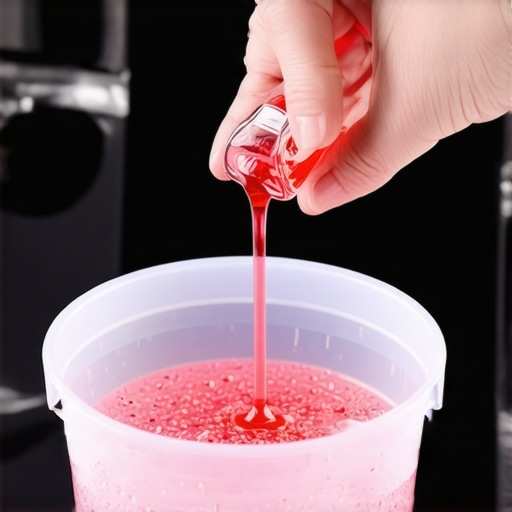
Hydraulic steering systems operate on the principle of incompressible fluid dynamics, providing the necessary mechanical advantage for modern vehicle handling. When a high-pitched whine or harmonic groan develops, it is rarely an immediate mechanical failure of the pump’s internal vanes. Instead, it is usually cavitation—the formation of vapor bubbles within the fluid. This phenomenon occurs when air is introduced into the system through the low-pressure side, transforming a silent hydraulic circuit into a noisy, vibrating liability. Understanding this distinction is what separates an experienced mechanic from a standard parts-changer.
Why Your Pump Screams When You Turn the Wheel
The root cause of most power steering noise is fluid aeration. On the suction side of the pump, even a microscopic breach in a hose or a hardened O-ring allows the pump to draw in air along with the fluid. Once this air enters the high-pressure side, it compresses and explodes within the pump housing, creating that characteristic whining sound. This isn’t just an annoyance; it causes localized overheating and can score the pump housing. While many drivers assume they need a costly auto repair, the reality is often much simpler. Professional diagnostics should always prioritize checking the integrity of the suction line before recommending a full component replacement. This level of scrutiny is essential during any comprehensive vehicle tune up to avoid unnecessary expenses.
Is Micro-Aeration Tricking You into a $500 Repair?
Many car owners are told their pump is failed because of the noise, but how often is the diagnosis verified with a vacuum test? In the world of high-end maintenance, we look for the champagne effect—tiny bubbles visible in the reservoir. If you see foam, the pump is not mechanically dead; it is gasping for air. This is a common oversight when performing a standard brake service or general front-end work, where technicians might overlook the hardening rubber of the steering return lines. According to technical research published by the Society of Automotive Engineers (SAE), fluid aeration is the primary driver of premature pump failure in hydraulic systems, and it must be addressed before the hardware suffers permanent damage.
Stop the Noise Without a Full System Teardown
The professional trick to silencing a pump isn’t magic—it’s fluid dynamics. By replacing the small O-ring on the suction hose inlet and utilizing the 5 clamp that stops your power steering leak, you can often restore silence in minutes. Once the air entry point is sealed, you must purge the remaining air. Instead of a complex procedure, simply lift the front wheels and turn the steering wheel lock-to-lock twenty times with the engine off. This forces air back into the reservoir without foaming the fluid further. For more stubborn cases, knowing how to flush your power steering without a pump can remove oxidized fluid that contributes to poor valve response. Identifying 3 steering noises that mean your car is unsafe can help you decide if this quick fix is sufficient. Have you ever encountered a steering noise that vanished with a simple adjustment? Share your diagnostic breakthroughs with our community of specialists.
The tactile connection between the driver and the road is often compromised by wear in the steering column’s intermediate shaft or the steering rack itself. When a vehicle exhibits a jerky or ratcheting sensation, it is vital to differentiate between hydraulic lag and mechanical binding. If you find that why your steering feels notchy while turning is your primary symptom, the issue may lie in a seized needle bearing within the steering shaft U-joints. This mechanical resistance is frequently mistaken for a pump failure, leading to expensive and ineffective repairs. A truly skilled technician will disconnect the shaft from the rack to isolate the friction, ensuring the diagnostic path is based on empirical evidence rather than guesswork.
Fix the Sudden Heaviness in Your Steering Response
Experiencing a stiff wheel can be jarring, especially during low-speed maneuvers like parallel parking. While fluid levels are the first checkpoint, internal bypass leakage within the steering rack can cause a loss of assist in one direction or across the entire range. Exploring the 3 reasons your steering feels heavy suddenly reveals that a failing torsion bar inside the rack or a clogged internal screen can restrict the flow of high-pressure fluid. According to the National Institute for Automotive Service Excellence (ASE), technicians must perform a pressure-test on the system to confirm if the rack’s internal seals are maintaining the necessary 1,200 to 1,500 PSI required for full assist.
Why Does Your Steering Wheel Stay Off-Center After a Professional Realignment?
One of the most frustrating post-service issues is a crooked wheel while traveling on a straight road. This usually indicates that the technician failed to lock the steering wheel at the dead-center position before adjusting the tie rod ends. Understanding why your steering wheel is off-center after an alignment is the first step in demanding a correction. If the wheel is straight but the car drifts, you might be facing memory steer, where a binding ball joint or strut mount prevents the wheels from returning to center naturally. This lack of returnability is a significant safety concern and often points to 3 symptoms of a bad inner tie rod or worn control arm bushings.
Spot the Warning Signs of a Shattered CV Axle
The steering system does not operate in a vacuum; it is inextricably linked to the drivetrain through the CV (constant velocity) axles. A clicking sound that accelerates with vehicle speed during a turn is a classic red flag. You should learn how to spot a failing CV axle before your wheel locks up at speed, as a total joint failure can disconnect the transmission from the wheel, leaving you stranded. Testing this is straightforward: find an empty parking lot and learn how to diagnose a bad CV axle by driving in circles. If you hear a rhythmic popping, the outer joint’s grease has likely been contaminated by road debris. If the vehicle feels unstable, it is also worth investigating why your car wanders across the lane at high speeds to rule out broader suspension geometry issues. To keep your vehicle in peak condition, tell us in the comments: have you ever had a mystery noise that turned out to be a simple loose bolt? We would love to hear your DIY success stories. For those still hunting for elusive sounds, we recommend reading our guide on how to find a mystery suspension clunk.
Stop Chasing Ghosts with Fluid Viscosity Diagnostics
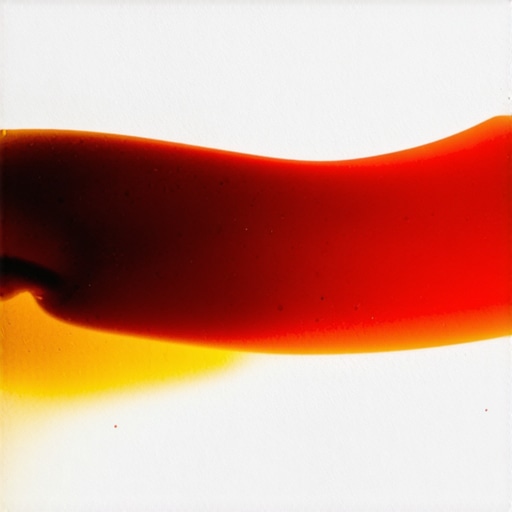
Power steering fluid is far more than a simple lubricant; it is a complex hydraulic medium operating under extreme thermal stress. When the fluid in your reservoir darkens to a deep brown or black, it isn’t just “dirty”—it is chemically compromised. Over time, the long-chain polymers responsible for maintaining consistent viscosity begin to shear under the high pressures of the pump. This degradation leads to what specialists call “morning sickness,” a specific condition where the steering feels heavy or notched until the vehicle reaches operating temperature. This happens because the thinned, compromised fluid fails to provide adequate pressure against the rack’s internal seals when cold, a subtle nuance often missed by general technicians. If you notice this, check out the secret link between voltage and steering assist to ensure your sensors aren’t being starved of power during these cold starts.
Heat Damage and the Sludge Factory Under Your Hood
Extreme heat is the primary catalyst for hydraulic system failure. In high-performance scenarios or during heavy-duty towing, power steering fluid temperatures can spike above 250°F, causing critical additives to drop out of suspension. Once these friction modifiers precipitate, they form a sticky varnish on the spool valves within the rack. This varnish creates a “stick-slip” phenomenon, which the driver perceives as a slight shudder or vibration during low-speed maneuvers. According to technical specifications from ZF Friedrichshafen AG, maintaining a precise kinematic viscosity is vital for the longevity of the rotary valve assembly, as even a minor deviation can permanently alter the steering’s center-feel and returnability. Identifying 3 steering noises that mean your car is unsafe is a great first step, but checking for fluid oxidation is the second.
Can a Faulty Alternator Mimic a Failing Steering Rack?
In the era of Electric Power Steering (EPS) and sophisticated Electro-Hydraulic systems, the diagnostic path has shifted from the wrench to the multimeter. A struggling alternator or a corroded ground strap can easily cause intermittent loss of steering assist. EPS motors are high-draw components, often pulling between 60 and 80 amps during rapid steering inputs. Any bottleneck in the electrical system results in a momentary “catch” or heavy spot in the steering wheel. If you see your dashboard lights dim slightly while parking, you aren’t dealing with a mechanical rack failure; you’re dealing with a charging system that can’t keep up with the demand. Before committing to a costly replacement, verify your battery’s health and the integrity of your main power cables. Have you ever fixed a “mechanical” steering issue just by cleaning a battery terminal? Join our forum and tell us about your most surprising electrical fixes.
The Torsion Bar Secret That Ruins Your Alignment
Deep within the steering rack assembly lies the torsion bar—a small, precisely calibrated piece of spring steel that acts as the “brain” of the hydraulic system. When you turn the wheel, this bar twists, which in turn opens the hydraulic ports to direct fluid to the appropriate side of the rack. If this bar becomes fatigued or if the centering pin suffers a microscopic shear, the steering will develop a permanent hydraulic “bias.” This creates a situation where the car pulls to one side despite a perfect mechanical alignment. It is a sophisticated failure mode where the internal valve “thinks” it needs to provide assist even when the vehicle is traveling straight. You can diagnose this by safely lifting the front wheels and starting the engine; if the steering wheel begins to rotate on its own, your internal valve balance has failed. This hidden mechanical fatigue is often why why your steering feels notchy while turning occurs even after a fluid flush. We should also consider how the intermediate shaft U-joints…
Intermediate shaft U-joints are often the silent saboteurs of a smooth steering feel. These joints operate at severe angles compared to a traditional driveshaft, making them susceptible to notchiness even with minimal play. When the needle bearings within these joints lose their factory lubrication, they create a cyclical resistance that many drivers misinterpret as a failing steering pump. To verify this, a seasoned mechanic will spray the joint with a penetrating lubricant; if the steering temporarily lightens, the joint is the culprit. However, the modern intermediate shaft also features a telescoping spline designed to collapse during a collision. Over time, the Teflon coating on these splines can wear down, leading to a clunking sensation felt directly through the driver’s hands during low-speed maneuvers over uneven pavement.
Can a Dirty Steering Angle Sensor Trigger Your Stability Control Light?
In modern vehicles equipped with Electronic Stability Control (ESC), the steering angle sensor (SAS) acts as the primary data point for the vehicle’s central processing unit. If the SAS loses its calibration—often after a simple battery replacement or a comprehensive tune up—it can send conflicting signals to the ABS module. This discrepancy leads the vehicle to believe it is in a skid, causing the computer to apply individual brakes to correct a path that isn’t actually deviating. This ghost braking is a high-level diagnostic challenge that requires specialized scan tools to reset the zero-point calibration. Neglecting this step after an alignment is a frequent cause of comebacks in the auto repair industry.
#IMAGE_PLACE_HOLDER_D#
Stop the Subframe from Ruining Your Precision
We often focus on the rack and the pump, but the subframe is the foundation upon which the entire steering geometry sits. If the subframe bushings have perished, the entire steering assembly can shift under lateral load. This results in a floating sensation where the car seems to wander, requiring constant micro-corrections at highway speeds. According to safety data and technical bulletins from the National Highway Traffic Safety Administration (NHTSA), steering linkage and structural mounting failures remain a critical focus for vehicle safety inspections. If you find why your car wanders across the lane at high speeds remains a mystery after replacing tie rods, inspect the subframe-to-body mounting bolts for signs of movement or polishing on the metal surfaces.
The Silent Pressure Damper Inside Your High-Pressure Hose
Most enthusiasts view a power steering hose as a simple conduit, but many high-pressure lines contain an internal tuning cable or hydraulic muffler. This component is designed to dissipate the pressure pulses generated by the pump’s vanes. When this internal damper fails or becomes dislodged, the vehicle develops a rhythmic vibration or a shudder that is most noticeable when the fluid is at operating temperature. It is a nuanced failure that will not show an external leak but will significantly degrade the driver’s tactile feedback. Before replacing a noisy pump, check the high-pressure line for excessive harmonic vibration. Have you ever struggled with a steering shudder that defied a traditional brake service or suspension overhaul? Share your diagnostic journey with our community of experts and help others solve these elusive mechanical mysteries.
Expert Insights & Advanced Considerations
Stop Guessing with Fluid Shearing Analysis
True diagnostic mastery requires moving beyond looking for leaks; you must analyze the kinematic viscosity of the fluid, especially in high-heat environments where polymers break down. If you want to avoid auto repair myths, remember that old fluid loses its ability to resist shearing, which directly leads to heavy steering when cold. A skilled mechanic knows that replacing a rack without flushing the system of these degraded compounds is a recipe for a warranty comeback. This attention to detail ensures the hydraulic system operates at its designed efficiency for years.
#IMAGE_PLACEHOLDER_E#
Voltage Drops Kill More Steering Racks Than Road Debris
In modern electro-hydraulic setups, a weak battery or a corroded connection frequently mimics a dying pump. We often find that the 15 ground strap fix for mystery electrical gremlins restores steering assist instantly. If the EPS motor does not receive a steady 14 volts, it cannot deliver the torque required for low-speed maneuvers. This verification step should be part of every regular tune up to ensure the electrical infrastructure supports the heavy current draw of the steering motor assembly.
Don’t Blame the Alignment for a Twisted Torsion Bar
If a car pulls to one side but the alignment specs are green, check the hydraulic balance. Internal torsion bar fatigue can cause the spool valve to default to an ‘open’ position, providing constant assist to one side even when driving straight. This is why mechanic tips for diagnosing common auto problems always emphasize verifying the steering wheel’s returnability before assuming the tie rods are at fault.
Curated Expert Resources
SAE International Technical Papers: These provide the foundational fluid dynamics research required to understand aeration and cavitation at a molecular level. ZF Friedrichshafen Service Bulletins: This resource offers specific tolerances and bypass valve specs for the world’s most common steering racks. ASE Advanced Engine Performance (L1) Guides: While focused on engines, the electrical diagnostic protocols here are vital for troubleshooting modern power steering sensors and high-current motors.
Final Expert Perspective
Solving complex steering issues is about isolating mechanical resistance from hydraulic failure. By focusing on fluid integrity and electrical stability, you can perform high-level auto repair that lasts for years rather than weeks. If you have tackled a complex steering issue, share your technical findings with our community of pros; your experience helps us all refine the standard of care for every vehicle that enters the shop.