Most drivers recognize the metallic "marbles in a tin can" sound of engine pinging as a mere nuisance, but from a diagnostic perspective, it represents a critical failure of the combustion cycle. When you put your vehicle under high load—such as climbing a steep grade—the internal environment of the combustion chamber reaches a thermal and pressure-based tipping point. This phenomenon, technically known as spark knock or detonation, occurs when the air-fuel mixture ignites prematurely or unevenly. Left unchecked, these shockwaves can erode piston crowns and shatter ring lands, turning a minor auto repair into a complete engine rebuild. Understanding the delta between controlled combustion and uncontrolled detonation is the hallmark of a skilled mechanic.
The Chemical Threshold Where High Compression Meets Low Octane
Uphill acceleration demands a wide-open throttle (WOT), which increases volumetric efficiency and, consequently, cylinder pressure. If you are using a lower octane fuel than your engine’s compression ratio requires, the fuel may reach its auto-ignition temperature before the spark plug even fires. This is where a proactive tune up becomes essential. Higher-octane fuels are engineered with greater "knock resistance," effectively slowing the flame front and ensuring the energy release remains controlled. According to the Society of Automotive Engineers (SAE), modern knock sensors attempt to mitigate this by retarding ignition timing, but even the best electronics cannot compensate for a lean-burn condition caused by a failing fuel delivery system. When the computer reaches its limit for timing adjustment, the audible pinging begins, signaling that the engine is operating outside its safe parameters.
Does an Overheated Spark Plug Tip Act as a Glow Plug?
Often, the culprit isn’t the fuel itself but a localized "hot spot" within the chamber. Carbon deposits—remnants of incomplete combustion—can glow white-hot, acting like a glow plug in a diesel engine. These deposits ignite the incoming charge the moment it enters the chamber, long before the piston reaches the optimal position for the power stroke. This is why regular tune-ups are key to car longevity. If you’ve noticed a drop in fuel economy alongside the pinging, you might need to recover your MPG with a simple 12-sensor cleaning to ensure the ECU isn’t leaning out the mixture to dangerous levels. Cleaning the Mass Air Flow (MAF) sensor or the oxygen sensors can restore the proper air-fuel ratio and quench the fires of detonation.
Heat Soak and the Failure of Thermal Management
When a professional technician diagnoses uphill pinging, they often look beyond the spark plugs and fuel quality. A cooling system that functions adequately on flat ground may fail under the thermal stress of a climb. If your engine temperature spikes only while idling or under load, the increased cylinder head temperature will almost certainly induce pre-ignition. Furthermore, an inefficient cooling system can cause the intake manifold to heat up, reducing air density and further confusing the fuel management system. Even issues seemingly unrelated, like a brake service that reveals a dragging caliper, can add enough parasitic load to the engine to push it into a pinging state during a climb. If you suspect your engine is running too hot, it is vital to flush your own cooling system or seek professional help before the head gasket fails. If your vehicle struggles with uphill power, share your diagnostic findings with a specialist to ensure your drivetrain isn’t fighting unnecessary mechanical resistance.
Fix the EGR System Before Your Pistons Melt
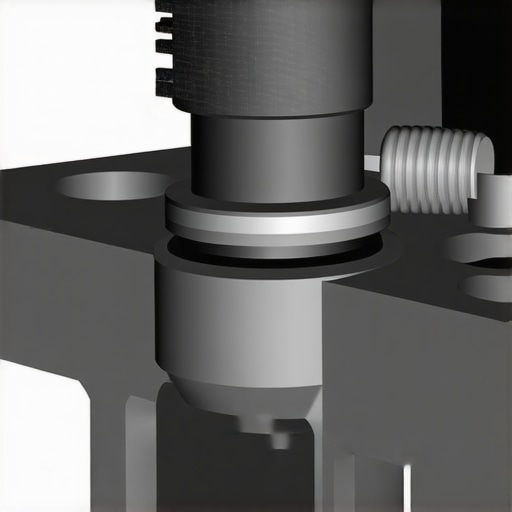
While many enthusiasts view the Exhaust Gas Recirculation (EGR) system as an unnecessary emissions bottleneck, its primary role during a heavy uphill climb is actually thermal mitigation. By reintroducing a metered amount of inert exhaust gas back into the combustion chamber, the system effectively lowers the peak flame temperature. This reduction is critical; without it, the nitrogen in the air reacts with oxygen to form NOx, and the resulting heat spikes trigger the very detonation you hear as pinging. According to technical documentation from the Environmental Protection Agency (EPA), a malfunctioning EGR system can cause combustion temperatures to exceed 2,500 degrees Fahrenheit, a threshold where aluminum pistons start to lose their structural integrity. If you are experiencing pinging only during acceleration, checking the EGR valve for carbon blockage is as vital as investigating an 8-dollar spark plug gapping error that might be exacerbating the heat through poor spark timing.
Could a Clogged Fuel Filter Mimic Octane Failure?
When you demand maximum torque to crest a hill, the fuel pump must maintain a precise rail pressure to keep the air-fuel ratio within a specific window. A partially clogged fuel filter or a weary pump may deliver enough volume for cruising, but it falls short under high-load scenarios. This creates a lean condition—too much air and not enough fuel—which burns significantly hotter and faster than a stoichiometric mix. This rapid burn rate is indistinguishable from low-octane detonation to the naked ear. Before you assume the worst about your internals, it is wise to diagnose a bad fuel pump or pressure regulator using a mechanical gauge. Even a 15-dollar sensor like the fuel pressure sensor can report false data to the ECU, leading it to believe the mixture is safe when it is actually courting disaster.
Vacuum Leaks and the Invisible Sabotage of Your Ignition Timing
A subtle crack in a rubber vacuum line can play havoc with your Manifold Absolute Pressure (MAP) sensor’s readings, which is the primary input the engine uses to calculate load. If the MAP sensor detects a lower-than-actual load due to a leak, the computer will advance the ignition timing too far, causing the spark to fire while the piston is still traveling upward with immense force. This mechanical conflict is the essence of the "death rattle" drivers hear. Interestingly, a 5-dollar vacuum leak can also disrupt how your gearbox behaves, making it feel like the car is struggling more than it should. Ensuring your engine is airtight by checking the intake tract and the PCV system is a master-level move. If you find your oil consumption is high along with the noise, consider a 14-dollar PCV valve fix to prevent oil vapors from lowering your fuel’s effective octane rating. Have you ever chased a persistent engine ping only to find it was a simple vacuum line or a specific brand of fuel? Share your diagnostic breakthrough in the comments below so we can help other drivers keep their engines healthy.
Modern Knock Control Limits and the 100-Millisecond Window
Modern ECUs rely on piezoelectric knock sensors to act as the engine’s “ears,” detecting the specific frequency of a pre-ignition event within milliseconds. However, there is a common misconception that the computer can always “tune out” a knock. If the mechanical noise floor of your engine—perhaps due to a loose heat shield or worn valvetrain components—masks the frequency of the pinging, the ECU may fail to retard timing sufficiently. This is where a diagnostic scan tool becomes indispensable. By monitoring “Knock Retard” PIDs (Parameter IDs) in real-time during a hill climb, a mechanic can see exactly how many degrees of timing the computer is pulling to protect the internals. If you see the timing jumping back and forth aggressively, your engine is locked in a constant battle against self-destruction.
Is It Safe to Keep Driving While the Engine Is Pinging?
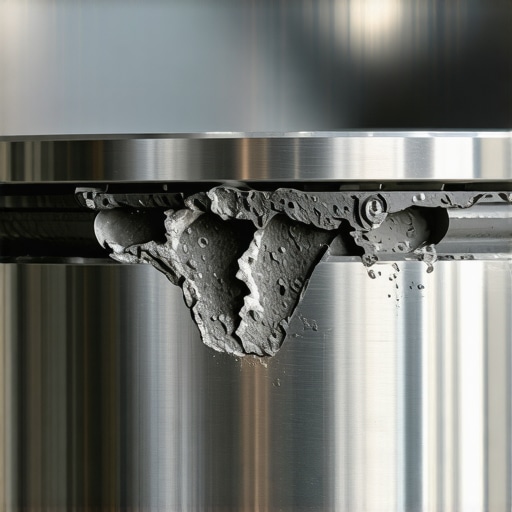
Short answer: No. Long-term exposure to even “light” pinging acts like a microscopic jackhammer on your internal components. The pressure spikes from detonation can reach several times the designed limits of the cylinder, leading to a “sandblasted” appearance on the piston crowns or, in extreme cases, shattered piston rings. If you find yourself on a long grade and the noise persists, the best immediate course of action is to reduce the load by downshifting to a lower gear or easing off the throttle. Increasing the RPM while reducing the load helps the cooling system move more fluid and reduces the cylinder pressure per stroke, giving the engine a momentary reprieve from the thermal stress.
How Oil Vapors Dilute Your Octane and Destroy Combustion
One often overlooked factor in uphill pinging is the quality of the “air” entering your engine. If your PCV system is failing or your piston rings are tired, excessive oil vapor is drawn into the combustion chamber. Motor oil has a much lower octane rating than gasoline. When these oil droplets mix with your high-quality fuel, they effectively lower the overall knock resistance of the mixture. This is why an engine might run perfectly fine at low loads but rattle like a diesel the moment you ask for peak torque. According to research published by the U.S. Department of Energy’s Vehicle Technologies Office, fuel-air homogeneity is disrupted by liquid contaminants, which drastically increases the likelihood of stochastic pre-ignition (SPI).
The Peril of High Gear and Low RPM
Many modern automatic transmissions are programmed for maximum fuel economy, which means they often “hunt” for the highest gear possible. When you start an uphill climb without forcing a downshift, you are essentially “lugging” the engine. This creates a scenario where the piston stays at Top Dead Center (TDC) for a fraction of a second longer under immense pressure, providing the perfect environment for a hot spot to ignite the fuel prematurely. If your car doesn’t downshift automatically when you press the pedal, you may need a transmission software update or a check-up for a 5-dollar vacuum leak that might be disrupting the load signal. Manually shifting into a lower gear before the hill begins can prevent the build-up of the heat that triggers the pinging in the first place.
Have you noticed your car struggles more on specific hills or after a long day of driving? Investigating the relationship between gear selection and audible knock could reveal a hidden issue with your torque converter or shift solenoids. If the noise only happens when the engine is fully heat-soaked, it might be time to look at the efficiency of your intercooler or the health of your radiator fins.
Most drivers recognize the metallic "marbles in a tin can" sound of engine pinging as a mere nuisance, but from a diagnostic perspective, it represents a critical failure of the combustion cycle. When you put your vehicle under high load—such as climbing a steep grade—the internal environment of the combustion chamber reaches a thermal and pressure-based tipping point. This phenomenon, technically known as spark knock or detonation, occurs when the air-fuel mixture ignites prematurely or unevenly. Left unchecked, these shockwaves can erode piston crowns and shatter ring lands, turning a minor auto repair into a complete engine rebuild. Understanding the delta between controlled combustion and uncontrolled detonation is the hallmark of a skilled mechanic.
The Chemical Threshold Where High Compression Meets Low Octane
Uphill acceleration demands a wide-open throttle (WOT), which increases volumetric efficiency and, consequently, cylinder pressure. If you are using a lower octane fuel than your engine’s compression ratio requires, the fuel may reach its auto-ignition temperature before the spark plug even fires. This is where a proactive tune up becomes essential. Higher-octane fuels are engineered with greater "knock resistance," effectively slowing the flame front and ensuring the energy release remains controlled. According to the Society of Automotive Engineers (SAE), modern knock sensors attempt to mitigate this by retarding ignition timing, but even the best electronics cannot compensate for a lean-burn condition caused by a failing fuel delivery system. When the computer reaches its limit for timing adjustment, the audible pinging begins, signaling that the engine is operating outside its safe parameters.
Does an Overheated Spark Plug Tip Act as a Glow Plug?
Often, the culprit isn’t the fuel itself but a localized "hot spot" within the chamber. Carbon deposits—remnants of incomplete combustion—can glow white-hot, acting like a glow plug in a diesel engine. These deposits ignite the incoming charge the moment it enters the chamber, long before the piston reaches the optimal position for the power stroke. This is why regular tune-ups are key to car longevity. If you’ve noticed a drop in fuel economy alongside the pinging, you might need to recover your MPG with a simple 12-sensor cleaning to ensure the ECU isn’t leaning out the mixture to dangerous levels. Cleaning the Mass Air Flow (MAF) sensor or the oxygen sensors can restore the proper air-fuel ratio and quench the fires of detonation.
Heat Soak and the Failure of Thermal Management
When a professional technician diagnoses uphill pinging, they often look beyond the spark plugs and fuel quality. A cooling system that functions adequately on flat ground may fail under the thermal stress of a climb. If your engine temperature spikes only while idling or under load, the increased cylinder head temperature will almost certainly induce pre-ignition. Furthermore, an inefficient cooling system can cause the intake manifold to heat up, reducing air density and further confusing the fuel management system. Even issues seemingly unrelated, like a brake service that reveals a dragging caliper, can add enough parasitic load to the engine to push it into a pinging state during a climb. If you suspect your engine is running too hot, it is vital to flush your own cooling system or seek professional help before the head gasket fails. If your vehicle struggles with uphill power, share your diagnostic findings with a specialist to ensure your drivetrain isn’t fighting unnecessary mechanical resistance.
Fix the EGR System Before Your Pistons Melt
While many enthusiasts view the Exhaust Gas Recirculation (EGR) system as an unnecessary emissions bottleneck, its primary role during a heavy uphill climb is actually thermal mitigation. By reintroducing a metered amount of inert exhaust gas back into the combustion chamber, the system effectively lowers the peak flame temperature. This reduction is critical; without it, the nitrogen in the air reacts with oxygen to form NOx, and the resulting heat spikes trigger the very detonation you hear as pinging. According to technical documentation from the Environmental Protection Agency (EPA), a malfunctioning EGR system can cause combustion temperatures to exceed 2,500 degrees Fahrenheit, a threshold where aluminum pistons start to lose their structural integrity. If you are experiencing pinging only during acceleration, checking the EGR valve for carbon blockage is as vital as investigating an 8-dollar spark plug gapping error that might be exacerbating the heat through poor spark timing.
Could a Clogged Fuel Filter Mimic Octane Failure?
When you demand maximum torque to crest a hill, the fuel pump must maintain a precise rail pressure to keep the air-fuel ratio within a specific window. A partially clogged fuel filter or a weary pump may deliver enough volume for cruising, but it falls short under high-load scenarios. This creates a lean condition—too much air and not enough fuel—which burns significantly hotter and faster than a stoichiometric mix. This rapid burn rate is indistinguishable from low-octane detonation to the naked ear. Before you assume the worst about your internals, it is wise to diagnose a bad fuel pump or pressure regulator using a mechanical gauge. Even a 15-dollar sensor like the fuel pressure sensor can report false data to the ECU, leading it to believe the mixture is safe when it is actually courting disaster.
Vacuum Leaks and the Invisible Sabotage of Your Ignition Timing
A subtle crack in a rubber vacuum line can play havoc with your Manifold Absolute Pressure (MAP) sensor’s readings, which is the primary input the engine uses to calculate load. If the MAP sensor detects a lower-than-actual load due to a leak, the computer will advance the ignition timing too far, causing the spark to fire while the piston is still traveling upward with immense force. This mechanical conflict is the essence of the "death rattle" drivers hear. Interestingly, a 5-dollar vacuum leak can also disrupt how your gearbox behaves, making it feel like the car is struggling more than it should. Ensuring your engine is airtight by checking the intake tract and the PCV system is a master-level move. If you find your oil consumption is high along with the noise, consider a 14-dollar PCV valve fix to prevent oil vapors from lowering your fuel’s effective octane rating. Have you ever chased a persistent engine ping only to find it was a simple vacuum line or a specific brand of fuel? Share your diagnostic breakthrough in the comments below so we can help other drivers keep their engines healthy.
Modern Knock Control Limits and the 100-Millisecond Window
Modern ECUs rely on piezoelectric knock sensors to act as the engine’s “ears,” detecting the specific frequency of a pre-ignition event within milliseconds. However, there is a common misconception that the computer can always “tune out” a knock. If the mechanical noise floor of your engine—perhaps due to a loose heat shield or worn valvetrain components—masks the frequency of the pinging, the ECU may fail to retard timing sufficiently. This is where a diagnostic scan tool becomes indispensable. By monitoring “Knock Retard” PIDs (Parameter IDs) in real-time during a hill climb, a mechanic can see exactly how many degrees of timing the computer is pulling to protect the internals. If you see the timing jumping back and forth aggressively, your engine is locked in a constant battle against self-destruction.
Is It Safe to Keep Driving While the Engine Is Pinging?
Short answer: No. Long-term exposure to even “light” pinging acts like a microscopic jackhammer on your internal components. The pressure spikes from detonation can reach several times the designed limits of the cylinder, leading to a “sandblasted” appearance on the piston crowns or, in extreme cases, shattered piston rings. If you find yourself on a long grade and the noise persists, the best immediate course of action is to reduce the load by downshifting to a lower gear or easing off the throttle. Increasing the RPM while reducing the load helps the cooling system move more fluid and reduces the cylinder pressure per stroke, giving the engine a momentary reprieve from the thermal stress.
How Oil Vapors Dilute Your Octane and Destroy Combustion
One often overlooked factor in uphill pinging is the quality of the “air” entering your engine. If your PCV system is failing or your piston rings are tired, excessive oil vapor is drawn into the combustion chamber. Motor oil has a much lower octane rating than gasoline. When these oil droplets mix with your high-quality fuel, they effectively lower the overall knock resistance of the mixture. This is why an engine might run perfectly fine at low loads but rattle like a diesel the moment you ask for peak torque. According to research published by the U.S. Department of Energy’s Vehicle Technologies Office, fuel-air homogeneity is disrupted by liquid contaminants, which drastically increases the likelihood of stochastic pre-ignition (SPI).
The Peril of High Gear and Low RPM
Many modern automatic transmissions are programmed for maximum fuel economy, which means they often “hunt” for the highest gear possible. When you start an uphill climb without forcing a downshift, you are essentially “lugging” the engine. This creates a scenario where the piston stays at Top Dead Center (TDC) for a fraction of a second longer under immense pressure, providing the perfect environment for a hot spot to ignite the fuel prematurely. If your car doesn’t downshift automatically when you press the pedal, you may need a transmission software update or a check-up for a 5-dollar vacuum leak that might be disrupting the load signal. Manually shifting into a lower gear before the hill begins can prevent the build-up of the heat that triggers the pinging in the first place.
Have you noticed your car struggles more on specific hills or after a long day of driving? Investigating the relationship between gear selection and audible knock could reveal a hidden issue with your torque converter or shift solenoids. If the noise only happens when the engine is fully heat-soaked, it might be time to look at the efficiency of your intercooler or the health of your radiator fins.
Stop the Heat Before it Starts the Ping
Beyond gear selection, the physical temperature of the air your engine breathes plays a pivotal role in maintaining combustion stability. Intake Air Temperature (IAT) sensors monitor the heat of the incoming charge, but they cannot always compensate for "heat soak" in the intake manifold or the boundary layer temperatures near the cylinder walls. When air is heated, it expands and becomes less dense, reducing its ability to absorb the heat of compression without triggering a reaction. This is why high-performance vehicles often utilize intercoolers or specialized cold-air intakes to keep the charge temperature low. If your air filter is clogged or your intake ducting is cracked—pulling in hot air from the radiator fan—you are effectively lowering your engine’s threshold for pinging before the climb even begins.
The Invisible Way Carbon Buildup Stealthily Raises Compression
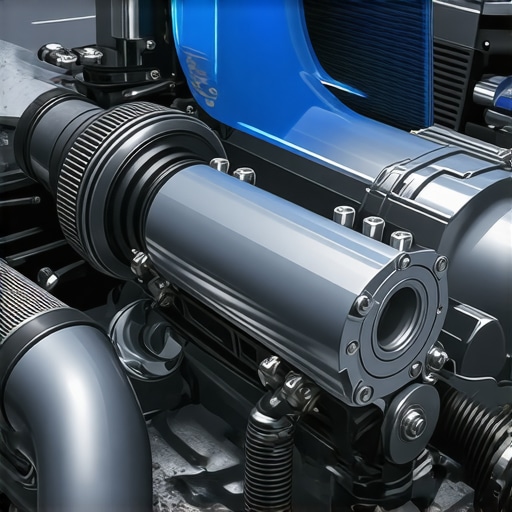
Another insidious factor involves the physical alteration of the combustion chamber over time. As carbon builds up on the piston tops and cylinder head, it doesn’t just create hot spots; it physically occupies space, reducing the clearance volume and effectively raising the static compression ratio. A motor designed for an 10:1 ratio might essentially be running at 10.5:1 due to heavy carbonization. This mechanical upgrade is unwanted, as it demands a higher octane than the factory intended and accelerates end-gas ignition. Research from the Oak Ridge National Laboratory (ORNL) suggests that even minor shifts in chamber geometry and chemical residue can drastically alter flame propagation speeds, leading to the erratic pressure spikes we identify as knock.
Could a Loose Bolt Be Tricking Your Knock Sensor?
In some instances, the sound you hear isn’t detonation at all, but "ghost knock." Modern knock sensors are incredibly sensitive piezoelectric microphones tuned to a specific frequency range. If a heat shield is loose, a pulley bearing is failing, or an alternator bracket is cracked, the resulting harmonic resonance can mimic the acoustic signature of engine pinging. This triggers the ECU to retard timing unnecessarily, killing your power and fuel economy on an uphill climb as the computer chases a phantom problem. A master mechanic will use a stethoscope or a vibration analyzer to distinguish between internal combustion failure and external mechanical interference.
Rainy Days Act as a Natural Octane Booster
Interestingly, ambient humidity can act as a natural octane booster. On damp or rainy days, the water vapor in the air acts as a thermal ballast, utilizing the latent heat of vaporization to absorb heat during the compression stroke and slowing down the flame front. This is why your car might feel smoother and quieter during a storm than it does on a dry, blistering afternoon. If your engine only pings during low-humidity conditions, it’s a clear sign that your cooling system or fuel quality is on the absolute edge of its operational envelope. Before you commit to expensive repairs, try monitoring your IAT and MAP data during a climb to see if the computer is fighting air that is simply too hot to burn safely.
Expert Insights and Advanced Considerations
LSPI and the Hidden Danger of Downsizing Engines
In the current era of small-displacement, turbocharged powerplants, Low-Speed Pre-Ignition (LSPI) represents a unique threat that many drivers mistake for simple pinging. Unlike traditional high-load detonation, LSPI occurs at low speeds and high torque, often resulting in a “super-knock” that can snap a connecting rod instantly. If you have noticed your modern turbo car rattling during a slow uphill crawl, you may need to re-evaluate engine flushes or switch to motor oil specifically formulated with API SP standards to mitigate calcium-based deposit triggers.
Pressure Transducers Reveal What Scanners Miss
While a basic OBD-II scanner shows timing retard, a master mechanic often uses an in-cylinder pressure transducer to visualize the actual combustion event in real-time. This level of diagnostic precision can differentiate between a mechanical timing error and a chemical fuel issue. If your timing data looks erratic, you might want to test your own o2 sensor or check for the 8-dollar spark plug gapping error that frequently mimics lean-burn detonation symptoms.
Seasonal Blends and the Vapor Pressure Trap
Fuel stations cycle through summer and winter blends, and the transition period is often when engine pinging is most prevalent. Summer gasoline has lower Reid Vapor Pressure (RVP) to prevent evaporation, but if you have leftovers of highly volatile winter fuel in the tank during a surprise spring heatwave, the volatility can induce pre-ignition. A proactive tune up should always include checking for fuel degradation, especially if your vehicle sits for long periods between climbs.
Curated Expert Resources
SAE International Technical Papers: The industry gold standard for understanding the physics of knock and flame propagation. This is the primary resource for deep-diving into the chemistry of stochastic pre-ignition in direct-injection engines.
Motor Age Training: An essential instructional resource for those who want to see how a professional mechanic uses advanced lab scopes to isolate transient pinging issues under heavy load.
The Engine Research Center (ERC): Provides specialized data on how air-fuel homogeneity affects cylinder pressure, helping you understand why a simple 12-sensor cleaning can be so effective at quenching detonation.
Final Expert Perspective
Managing uphill engine pinging is more than just choosing high-octane fuel; it is about maintaining the delicate equilibrium of heat, pressure, and ignition timing. From the thermal mitigation roles of the EGR system to the electronic precision of a 15-dollar sensor, every component must work in harmony to prevent self-destruction. Whether you are performing a DIY tune up like a pro or working with a specialist, addressing these symptoms early preserves the structural integrity of your engine. Have you identified a specific trigger for your car’s uphill rattle? We invite you to contact us with your diagnostic findings or join the discussion below to help other drivers maintain their vehicle’s peak performance.