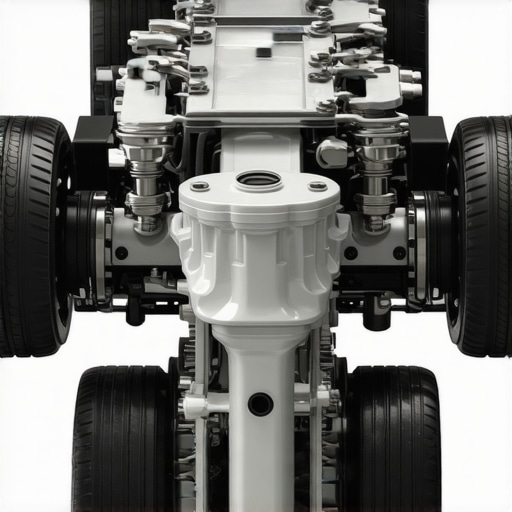
Decoding Engine Detonation: The Hidden Complexities of Premium Fuel Effectiveness
Engine knocking or pinging under load remains a perplexing issue for many motorists who invest in high-octane fuel, expecting it to resolve all combustion-related anomalies. As automotive professionals, understanding the nuanced interaction between fuel properties, engine calibration, and internal mechanics reveals that premium fuel alone does not guarantee elimination of knocking phenomena.
Beyond Octane Ratings: The Intricacies of Combustion Dynamics
While high-octane fuel is designed to resist premature detonation, its efficacy depends heavily on precise engine tuning, sensor feedback, and combustion chamber conditions. An engine’s compression ratio and knock sensor calibration play significant roles—improper adjustments or sensor misreadings can cause persistent pinging despite premium fuel usage.
Potential Causes of Persistent Pinging Despite Premium Fuel
Field insights indicate that issues such as sensor calibration errors—particularly with knock sensors—can render premium fuel’s benefits moot. Additionally, fuel delivery system imbalances, such as clogged injectors or faulty pressure regulators, may contribute to uneven combustion, evoking knocking under load conditions.
Is Your Engine Timing a Culprit for Sustained Pings?
Incorrect ignition timing can significantly influence knocking behavior. If the timing is advanced beyond optimal, it elevates the likelihood of pre-ignition, regardless of fuel octane. Regular timing checks become essential, especially as engines age and components drift from factory specifications.
The Role of Intake Air Quality and Combustion Chamber Residues
External factors, like air filtration effectiveness and residual carbon build-up, impact combustion efficiency. Dirty intake systems or carbon deposits can cause uneven combustion, producing pinging or knocking even when premium fuel is used.
How Can Advanced Diagnostics Pinpoint Root Causes?
Utilizing tools like diagnostic scanners with real-time data allows mechanics to scrutinize sensor outputs, engine timing, and fuel trim parameters. Such precision reveals whether the issue stems from calibration errors, mechanical wear, or external contamination, guiding effective remedial action.
What Should Be Your Next Step if Premium Fuel Isn’t Eliminating Engine Pinging?
A comprehensive mechanic assessment is crucial—focusing on sensor calibration, ignition timing, and combustion chamber conditions. Regular maintenance, such as tune-ups and fuel system checks, can preempt persistent issues. Explore expert insights on maintaining optimal engine performance and share your experiences to contribute to collective automotive knowledge.
The Hidden Signs That Your Brakes Are Struggling
Many drivers overlook subtle indicators of brake problems, risking expensive repairs or safety hazards. Unusual noises, such as squealing or grinding, vibrations during braking, or a soft pedal feel, can all signal underlying issues. Recognizing these early warning signs allows for timely intervention, saving money and enhancing safety. Regular routine checks, especially if your vehicle exhibits any of these symptoms, are essential—a practice supported by industry experts emphasizing proactive maintenance (see more about brake upkeep here).»}
How Proper Brake Service Extends Longevity and Performance
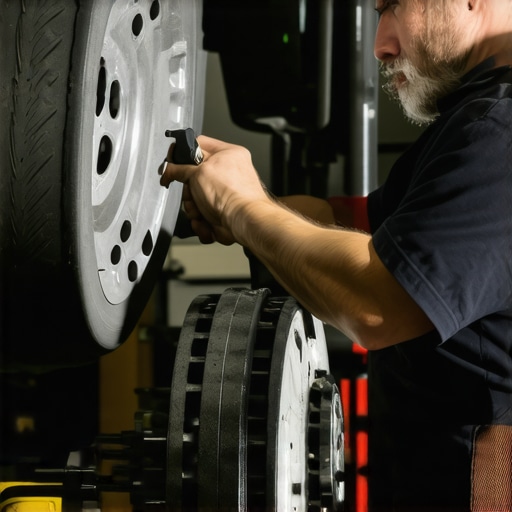
Comprehensive brake service involves more than just replacing pads; it requires inspecting rotors, calipers, and hydraulic systems for wear or damage. Ensuring pistons are properly indexed and calipers are aligned prevents uneven pad wear and reduces squealing. Techniques like rotor indexing, or using a rotor-pressing tool, can significantly improve brake performance and extend component lifespan — a critical consideration, especially with vehicles subject to heavy use or extreme conditions. Learn how expert shops implement these methods to maximize your brake system’s efficiency (discover more at this guide).»}
Can You Spot the Signs of a Brake System Nearing Failure?
Driving with compromised brakes can be dangerous. Signs such as a pulsing brake pedal, increased stopping distances, or a burning smell after braking should prompt immediate inspection. Regular brake fluid flushes and caliper lubrications are vital maintenance steps that prevent issues like piston sticking, which can lead to uneven pad wear and rotor damage. Stay vigilant and consider scheduling routine brake diagnostics to catch problems early—an approach aligned with advice from experienced technicians (see more about fixing grinding brakes here).»}
What Are The Advanced Diagnostics That Can Prevent a Brake Failure Nightmare?
Modern vehicles benefit from sophisticated diagnostic tools capable of reading real-time data from electronic parking brakes, ABS sensors, and hydraulic pressure regulators. These devices help identify caliper corrosion, piston sticking, or sensor calibration errors before they manifest into unsafe driving conditions. Implementing such diagnostics can be a game-changer, as they allow technicians to pinpoint issues with pinpoint accuracy and inform targeted repairs—saving time, money, and potential hazards. Industry leaders highlight the importance of embracing these technologies for future-proof brake maintenance (for an in-depth view, check this innovative outlook).
If you’re interested in elevating your understanding of brake systems or seeking expert advice for your vehicle, sharing your experiences or questions can foster a community of informed drivers committed to safety and cost-efficiency. Don’t hesitate to connect with trusted mechanics who are leveraging cutting-edge diagnostics to ensure your brakes are reliable when you need them most.
} } The image prompt:
Elevating Brake Performance with Precision Diagnostics
In today’s automotive landscape, the emphasis on proactive maintenance over reactive repairs has grown exponentially. Employing advanced diagnostic tools such as digital hydraulic pressure testers, laser rotor analyzers, and comprehensive ABS sensor calibration devices enables technicians to detect subtle deviations from optimal functioning. These technologies facilitate early identification of issues like piston corrosion, uneven caliper pad contact, and micro-fractures within rotors, which traditional visual inspections might overlook. As a result, vehicle owners benefit from improved safety margins and extended component life, illustrating the decisive impact of investing in high-precision diagnostics.
Are Modern Diagnostic Systems Essential for Future-Proof Brake Maintenance?
Considering the rapid evolution of electronic brake systems, integrating next-generation diagnostics becomes indispensable. These systems offer real-time data streams that map hydraulic pressures, sensor voltages, and wear indicators. Access to such granular information allows technicians to implement targeted interventions—like piston re-lubrication or caliper alignment—long before symptoms surface, minimizing downtime and repair costs. Industry leaders advocate for comprehensive diagnostic platforms that seamlessly connect with vehicle ECU modules, ensuring diagnostic coverage across an expanding array of electronic safety features.
Implementing Predictive Maintenance to Avert Brake Failures
Transitioning from scheduled maintenance to predictive approaches harnesses the power of machine learning algorithms and telemetry data. Sensors embedded within brake components track parameters like temperature fluctuations, vibration patterns, and pad wear rates in real-time. Algorithms analyze this data to forecast potential failures, providing actionable alerts for timely repairs. This methodology minimizes the risk of catastrophic brake failures—particularly critical in high-performance vehicles or fleet operations. The integration of predictive analytics not only safeguards drivers but also optimizes service schedules, reducing unnecessary maintenance expenses and environmental impact. For detailed strategies on adopting predictive maintenance, refer to this authoritative resource.
How Can Industry Trends Shape Future Brake Service Paradigms?
The horizon of brake technology is expanding with innovations like regenerative braking systems, which recover kinetic energy during deceleration, and electrified brake assist modules that improve responsiveness while reducing mechanical wear. These advancements challenge traditional maintenance models, necessitating new skill sets and diagnostic protocols. Embracing software-driven diagnostics and sensor fusion techniques will become crucial for technicians aiming to stay ahead in service quality. Furthermore, the rise of automation and artificial intelligence in repairs promises to revolutionize predictive safety checks and streamline workflows, ultimately bolstering vehicle safety standards.
The Strategic Role of Training and Certifications in Brake System Mastery
As technological complexity increases, continuous education remains paramount. Engaging with authoritative programs like the NAPA AutoCare technical training ensures technicians stay current on latest diagnostic procedures and repair methodologies. Certification in specialized areas such as brake system electronics and hydraulic system management amplifies a shop’s credibility and service quality. Mastery of these advanced skills allows for not only effective troubleshooting but also for anticipating future compliance standards related to emission controls and safety regulations—ultimately benefiting both practitioners and vehicle owners alike.
By embracing these evolving diagnostic and maintenance strategies, professionals can significantly enhance brake system reliability, safety, and lifespan. Staying ahead in this domain demands ongoing education, investment in cutting-edge technology, and an industry-wide commitment to proactive care. The question remains: how will you integrate these innovations into your practice to ensure optimal performance and customer satisfaction? For expert guidance tailored to your specific operational context, explore further resources or connect directly with industry-leading specialists.
Unveiling the Next Level in Brake System Diagnostics
As automotive technology accelerates toward greater electronic integration and autonomy, the traditional methods of brake maintenance are quickly becoming outdated. Advanced diagnostic technologies now enable technicians to visualize and interpret complex data streams, delivering unprecedented precision in identifying impending failures and system inefficiencies.
Why Innovate Beyond Basic Checks
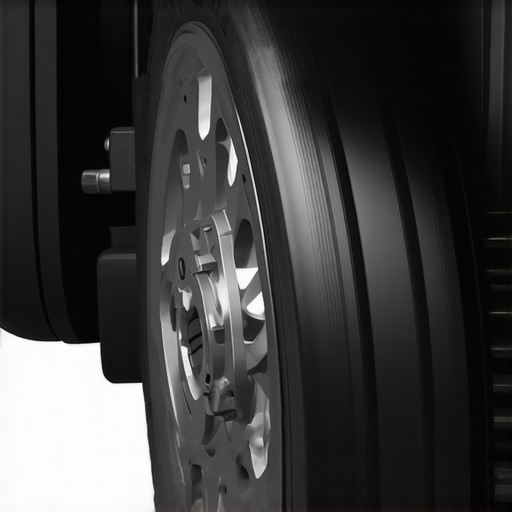
Reliance solely on visual inspections or simple test drives leaves critical issues lurking unseen. Incorporating high-definition hydraulic pressure sensors, laser-etched rotor analyzers, and IoT-enabled brake sensors transforms maintenance from reactive to proactive. These innovations facilitate early detection of microfractures, piston corrosion, and subtle hydraulic leaks long before symptoms manifest visibly or audibly.
< >
>
How Do Smart Brake Sensors Shape Future Repair Strategies?
Smart sensors continuously monitor parameters like pad wear, rotor smoothness, and hydraulic fluid temperature, transmitting real-time data to centralized diagnostic platforms. Leveraging machine learning algorithms, these systems predict component lifespan trends, enabling scheduling of repairs before failures impact safety or performance. According to SAE International’s recent study, this shift markedly reduces roadside breakdowns and repair costs.
Transforming Repair Shops with Predictive Analytics
Implementing predictive maintenance depends heavily on integrated analytics platforms capable of synthesizing sensor data across multiple vehicle systems. Such integration provides a holistic picture—detecting anomalies not only within the brake assembly but also in associated subsystems like ABS, ESP, and electronic stability controls. This comprehensive view empowers technicians to preempt failures, ensuring vehicle safety and operational efficiency.
Are Certification and Continuous Training Critical in High-Tech Brake Care?
In an era where diagnostic tools and electronic systems evolve swiftly, ongoing education becomes indispensable. Certifications from reputable bodies like the NAPA AutoCare Institute guarantee technicians are adept at utilizing cutting-edge equipment and understanding emerging system architectures. Mastery of fields such as electronic brake module troubleshooting and sensor fusion is fundamental to maintaining high service standards.
Elevating Customer Confidence Through Transparency
Adopting advanced diagnostics not only improves repair accuracy but also enhances customer trust. Sharing detailed diagnostic reports, visual data overlays, and predictive insights demonstrates professionalism and commitment to safety. Customers increasingly expect transparency—embracing these technologies empowers garages to meet and exceed these expectations.
What Innovations Will Reshape Brake Service in the Coming Years?
The future points toward autonomous diagnostics and AI-driven repair workflows. Vehicles equipped with self-diagnosing brake systems, coupled with cloud-based data analysis, will allow for remote monitoring and maintenance scheduling. Integration of blockchain technology could further secure data integrity, reinforcing trust and compliance with evolving safety standards. Exploring these innovations positions repair shops at the forefront of automotive service excellence.
Remarkable Shifts in Brake Care Strategy
Embracing cutting-edge diagnostic technologies transforms traditional brake maintenance into a predictive science. Leveraging real-time sensor data and machine learning models allows technicians to identify subtle system deviations long before they compromise safety. This proactive approach significantly reduces emergency repairs and enhances vehicle longevity.
Why Depend on Smart Sensors for Breakthrough Results
Smart brake sensors continuously monitor pad wear, rotor integrity, and hydraulic pressure, providing actionable insights instantly. Their integration with vehicle ECUs offers unprecedented visibility, enabling timely interventions and avoiding costly failures.
How Future-Proof Are Your Repair Procedures?
Adopting next-generation diagnostics, including laser rotor analyzers and digital hydraulic testers, ensures your shop keeps pace with evolving vehicle architectures. Such investments elevate your service quality, build customer trust, and uphold safety standards in a rapidly advancing automotive landscape.
Reliable Resources for Deep Technical Mastery
- SAE International’s Technical Journals: Premier for the latest research in brake system diagnostics and innovations, offering peer-reviewed articles that inform best practices.
- NAPA AutoCare Certification Programs: Recognized for comprehensive training modules on modern brake technologies, ensuring technicians stay certified and competent.
- AutoTech Expert Forums: A collaborative space where industry professionals share real-world troubleshooting strategies, case studies, and emerging trends.
Stay Ahead with a Strategic Perspective
Understanding how advanced diagnostics and continuous learning redefine brake system maintenance positions your practice for sustained excellence. Integrate these insights and resources into your workflow to deliver unmatched safety, durability, and customer confidence. Ready to elevate your expertise? Share your experiences, ask challenging questions, or explore specialized training options to stay at the forefront of automotive care.
Comments are closed.