
The Physics of Pressure Loss in a High-Temperature Environment
Automotive steering systems are masterclasses in hydraulic and mechanical synergy, designed to provide a consistent road feel across disparate driving conditions. However, a specific failure mode exists where steering effort remains light during the initial miles only to become prohibitively heavy as the engine reaches its steady-state operating temperature. This phenomenon is rarely a total component failure but rather a symptom of diminished hydraulic efficiency. As heat permeates the engine bay, the power steering fluid viscosity drops; if the fluid is contaminated or aged, it can no longer support the high-pressure demands of the steering rack. This is a distinct contrast to issues encountered during a cold start, and it requires a more nuanced diagnostic approach than simply checking fluid levels. Many drivers confuse this with the issues described in our guide on why steering feels heavy when you first start the car, but the thermal mechanics involved here are fundamentally different.
Could a Failing Electronic Motor Be Tricking Your Diagnosis?
Modern vehicles frequently utilize Electric Power Steering (EPS), which replaces hydraulic pumps with high-torque electric motors. These motors are subject to thermal throttling. If the motor or its associated controller detects an over-temperature condition—often caused by a failing internal bearing or poor heat dissipation—it will reduce the assist level to protect the circuitry. This results in a heavy steering feel that only manifests after the vehicle has been running long enough to heat soak the steering gear. When troubleshooting these systems, utilizing mechanic tips for diagnosing common auto problems is essential to avoid unnecessarily replacing hydraulic parts on an electronic system. Professional-grade scanners are usually required here to monitor live data from the EPS module.
When Internal Seals Surrender to Thermal Expansion
The interior of a steering rack is a high-pressure environment where Teflon and rubber seals must maintain a perfect interface against moving metal parts. Over years of service, these seals lose their elasticity and harden. As the steering rack housing expands with heat, these hardened seals may allow fluid to blow by the internal piston. Instead of the fluid pressure assisting the rack to turn the tires, it simply slips past the seal and returns to the reservoir. This internal leak is invisible from the outside but felt immediately at the steering wheel. Sometimes, identifying the specific seal that stops your power steering pump from leaking or bypassing internally can save a vehicle owner from the extreme cost of a total rack replacement. According to the National Institute for Automotive Service Excellence (ASE), heat is the primary enemy of hydraulic longevity, as it accelerates the oxidation of fluid and the degradation of elastomer components. If your steering weight fluctuates unpredictably, it is time to learn how to choose a skilled mechanic you can trust who can perform a professional flow and pressure test. Have you noticed a specific groaning sound accompanying your heavy steering when hot? Sharing these details with a specialist can often pinpoint a failing pump before it leaves you stranded.
Flow Control Valves That Stick When the Mercury Rises
While most focus on the steering rack or the fluid itself, the internal architecture of the power steering pump contains a critical component often overlooked: the flow control valve. This valve is responsible for regulating the volume of fluid sent to the steering gear, ensuring you have assist at low speeds without being over-boosted at highway speeds. When an engine bay reaches peak temperatures, the pump’s metal housing expands at a different rate than the internal valve. If there is even a microscopic amount of varnish or debris from aged fluid, the flow control valve can physically bind in its bore. This mechanical hang-up restricts fluid flow exactly when the fluid’s viscosity is at its thinnest, creating a double-whammy of resistance that makes the wheel feel like it’s set in concrete. Utilizing mechanic tips for diagnosing common auto problems can help you isolate this by checking if the pressure remains low even when the RPMs are increased during a thermal event.
Are You Blaming the Rack for a Seized Lower Ball Joint?
It is a common diagnostic trap to assume every steering weight issue is hydraulic. In reality, the mechanical linkage of your front end is just as susceptible to temperature fluctuations. Suspension components like ball joints are filled with grease and protected by rubber boots. When these boots fail, the grease dries out and is replaced by grit and road salt. As you drive, heat from the brakes and engine transfers to the steering knuckles, causing the metal ball to expand within its dry socket. This creates massive mechanical friction that the power steering system simply cannot overcome, regardless of how much pressure the pump produces. According to technical data from **SAE International**, unlubricated steering joints can exhibit a 30-50% increase in rotational torque requirements as component temperatures climb from ambient to operating levels. Before condemning an expensive rack, a technician should disconnect the outer tie rods when the car is hot to see if the knuckles still turn freely by hand.
Tighten Up Your Serpentine Belt Logic
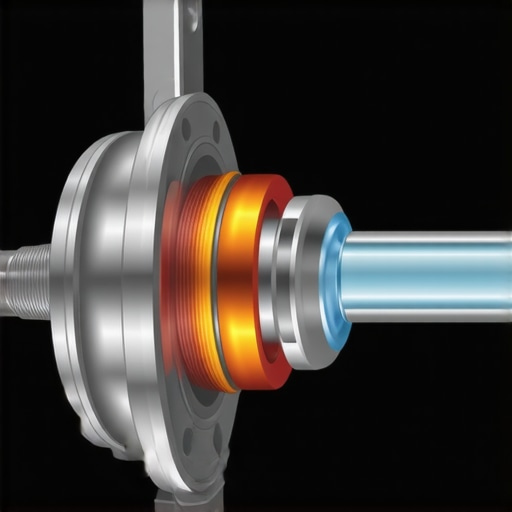
The relationship between your serpentine belt and the power steering pump is governed by friction, and friction is highly sensitive to heat. A belt that appears perfectly serviceable and tight when cold can lose its structural integrity as the engine bay heats up. Heat causes the rubber compound to soften and stretch slightly. If the automatic belt tensioner is at the end of its travel or has a weakened internal spring, the belt may begin to slip over the power steering pulley under load. This slippage is often silent—unlike the shrill scream of a glazed belt in the rain—but it prevents the pump from reaching the necessary RPM to generate assist pressure. If you are noticing the symptoms of a failing seal that stops your power steering pump from leaking, also check the belt’s contact patch for glazing. Learning how to fix a squeaky serpentine belt without using spray provides the necessary insight into checking for pulley misalignment, which can exacerbate heat-induced slippage. If your steering gets heavy specifically when the AC compressor cycles on during a heatwave, your belt tension is the most likely culprit. Have you tried checking your tensioner’s alignment marks after a long commute? Drop a comment below with your findings, as your experience might help another driver avoid a costly and unnecessary pump replacement.
Don’t Ignore the Power Steering Cooler’s Hidden Struggles
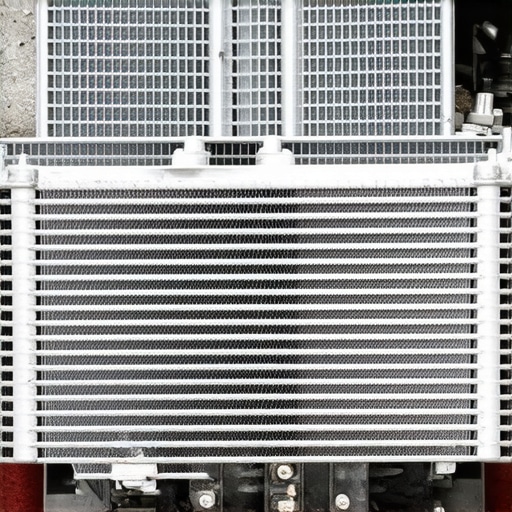
In many high-performance and heavy-duty vehicles, manufacturers integrate a dedicated power steering cooler—a small radiator-like component—to manage the thermal load of the hydraulic system. When this cooler becomes obstructed by road debris, mud, or bent fins, the fluid temperature can soar well beyond its 250°F design limit. Unlike an engine radiator, a steering cooler often lacks a dedicated fan, relying entirely on airflow from the vehicle’s movement. If you find yourself in stop-and-go traffic on a sweltering afternoon, the lack of airflow combined with a partially clogged cooler results in rapid heat soak. Once the fluid enters this hyper-thermal state, its viscosity mirrors that of water, losing the ‘body’ required to transmit force through the steering rack’s internal valving. If you’ve recently performed a professional diagnostic check and found no external leaks, inspecting the external condition of your cooler is a vital next step.
Can a Clogged Radiator Indirectly Cause Heavy Steering?
The short answer is yes, though the mechanism is indirect. Most power steering pumps are mounted in close proximity to the engine block and the main radiator. If your vehicle’s cooling system is underperforming, the ambient temperature within the engine bay increases significantly. This ‘heat island’ effect can cause the power steering reservoir to absorb excess radiant heat. Technical documentation from ZF Friedrichshafen AG, a leading manufacturer of steering systems, emphasizes that excessive heat not only thins the fluid but also causes the pump’s internal bypass springs to lose their tension temporarily. When the spring tension drops due to thermal fatigue, the pump prematurely bypasses fluid back to the inlet rather than sending it to the rack, leaving you with manual-feeling steering during the hottest parts of your drive. Have you checked your coolant temp gauge the next time the wheel feels stiff? The two might be more linked than you think.
The Invisible Sabotage of Internal Hose Delamination
Not all hose failures result in a puddle on your driveway. High-pressure power steering hoses are multi-layered, reinforced components designed to withstand thousands of pounds of pressure. However, as these hoses age, the inner synthetic lining can begin to delaminate from the outer reinforcement layers. Heat acts as a catalyst for this process, causing the inner liner to soften and expand. In some cases, a flap of the inner lining can fold inward, creating a physical restriction that acts like a clogged artery. This restriction might be negligible when the fluid is cold and the rubber is stiff, but as the hose reaches operating temperature, the material becomes pliable enough to collapse under the vacuum of the pump’s suction or the pressure of the output. This creates an intermittent ‘heavy’ sensation that is notoriously difficult to diagnose because the hose looks perfectly fine from the outside. Utilizing specific insights into hydraulic seal and hose integrity can prevent you from replacing a perfectly good pump when the issue is actually a $40 rubber line.
Why Hot Aerated Fluid Spells Disaster for Your Rack
Air is the mortal enemy of any hydraulic system, and heat only exacerbates its presence. When power steering fluid gets hot, its ability to hold air in suspension changes. If there is a microscopic leak on the suction side of the pump—perhaps at a hardened O-ring or a loose clamp—the pump will pull in tiny amounts of air. In a cold system, this air might simply pass through, but in a hot system, the air expands and creates a ‘spongy’ or foamy fluid consistency. Because air is compressible and hydraulic fluid is not, the energy meant to move your tires is instead wasted compressing these tiny air bubbles. This leads to a heavy, notched, or vibrating feel in the steering wheel specifically after the vehicle has been driven for 20 or 30 minutes. If you notice your fluid looks like a strawberry milkshake after a long drive, you are dealing with aeration that is being intensified by thermal expansion. It is a nuanced problem that requires a methodical look at every connection point before committing to a major repair.
Don’t Overlook the Steering Column’s Hidden U-Joints
While most diagnostics focus on the pump or the rack, the intermediate steering shaft contains universal joints that are highly sensitive to thermal saturation. Positioned in close proximity to the exhaust manifold, these needle bearings are protected by thin seals that can dry out and crack over time. When the engine reaches its steady-state operating temperature, the metal components within the U-joint expand, and without adequate lubrication, the rotational friction increases exponentially. This creates a ‘heavy’ or ‘notchy’ steering feel that mimics a failing hydraulic pump or a clogged rack. Identifying this requires a physical inspection: a technician should spray a high-quality penetrant on the joint while the system is hot to see if the effort momentarily decreases. If the steering lightens up, the joint is failing and requires replacement rather than a costly rack overhaul. This is a common oversight in older trucks and SUVs where the steering shaft is exposed to significant road grime and high engine bay temperatures. 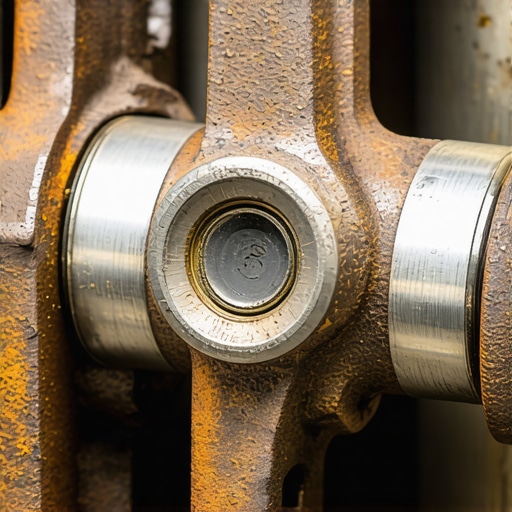
Why Does Your Torque Sensor Send False Signals When Hot?
In vehicles equipped with Electric Power Steering (EPS), the torque sensor is the primary input device that tells the control module how much current to send to the assist motor. These sensors rely on precise electrical resistance or magnetic fields to communicate with the ECU. However, electronic components are naturally temperature-dependent. A sensor that is beginning to fail may function perfectly in the morning, but as the cabin and engine bay heat up, the internal circuitry can experience ‘null point drift’ or increased electrical noise. This phenomenon causes the ECU to misinterpret the driver’s input, often resulting in a significant reduction in motor assistance as a fail-safe measure. According to technical research published by the Society of Automotive Engineers (SAE International), thermal cycling is a leading cause of sensor fatigue and solder joint failure in modern mechatronic steering systems. If your steering weight feels inconsistent specifically during long summer commutes, the issue likely resides in the electronic feedback loop rather than a mechanical bind. Utilizing a professional-grade scan tool to monitor ‘Torque Sensor 1’ and ‘Torque Sensor 2’ voltages during a thermal event is the only way to catch this ghost in the machine.
Combatting the Chemical Degradation of Hydraulic Additives
Power steering fluid is far more than a simple hydraulic medium; it is a sophisticated chemical cocktail containing anti-foaming agents, friction modifiers, and viscosity index improvers. Over thousands of high-temperature cycles, these additives undergo a process known as thermal shearing. This chemical breakdown shortens the polymer chains that allow the fluid to maintain its thickness when hot. Once the fluid loses its shear stability, its ‘film strength’ vanishes, allowing metal-to-metal contact within the pump’s internal vanes and the rack’s spool valve. This not only increases steering effort but also generates microscopic metallic debris that further compromises the system’s seals. Choosing a high-quality synthetic fluid with a higher boiling point and better shear resistance can mitigate this, but once the degradation has occurred, a full system flush is the only way to restore performance. Have you checked the color and smell of your fluid lately? If it smells burnt or has turned an opaque, dark color, your additives have likely surrendered to the heat. Share your vehicle’s mileage and symptoms in the comments below—your specific case might help another driver determine if a simple flush or a deeper component replacement is the right path forward.
Expert Insights & Advanced Considerations
Fluid Shearing Can Sabotage Your Hydraulic Assist
Expert technicians know that fluid shearing is a microscopic disaster. When power steering fluid loses its ability to resist thinning under high heat, the pump vanes simply cannot generate the necessary force. If you have been putting off a tune-up for optimal performance, do not forget the hydraulic systems; they are often the first to fail under intense thermal stress. Using a high-quality synthetic fluid can often restore the pressure lost to high-temperature thinning.
Heat Soak Acts as a Silent Killer for Internal Seals
The steering rack is tucked deep within the engine bay, making it a prime target for heat soak. Hardened seals might work fine in the morning, but they turn brittle and allow pressure to bypass as the temperature climbs. Following mechanic tips for diagnosing common auto problems can help you differentiate between a pump failure and an internal rack leak before you spend thousands on unnecessary parts.
Flush the System Before the Pump Screams
Prevention is far cheaper than replacement. Contaminated fluid carries abrasive debris that acts like sandpaper at 200 degrees, wearing down the internal bores of your pump. By utilizing auto repair cost-saving tips from industry experts, you can implement a fluid exchange schedule that doubles the life of your rack and pinion while keeping your steering effort consistent regardless of the weather.
Curated Expert Resources
National Institute for Automotive Service Excellence (ASE)
The ASE is the gold standard for technician certification. Their technical resources provide deep dives into hydraulic theory and troubleshooting workflows used by professional technicians to solve complex steering issues.
SAE International Technical Papers
For those who want to understand the exact metallurgy and fluid dynamics of modern steering systems, SAE offers peer-reviewed research on thermal expansion and component fatigue in automotive engineering.
ZF Friedrichshafen AG Service Portals
As a leading OEM manufacturer for steering systems, ZF provides specific technical bulletins and diagnostic procedures that are invaluable for identifying faults in complex electronic and hydraulic steering racks.
Final Expert Perspective
When your steering feels heavy when hot, your vehicle is communicating a specific failure of thermal management or hydraulic integrity. It is rarely a random glitch; it is the physical result of fluid thinning, seal bypass, or electronic throttling designed to protect the system from permanent damage. To address this effectively, you must move beyond surface-level checks and look at the heat-transfer dynamics of the entire engine bay. Learning how to choose a skilled mechanic you can trust is the most critical step in ensuring these nuances are caught during a professional inspection. We invite you to join our community of automotive enthusiasts—share your diagnostic success stories or ask a technical question below to help us build a more robust resource for every driver.