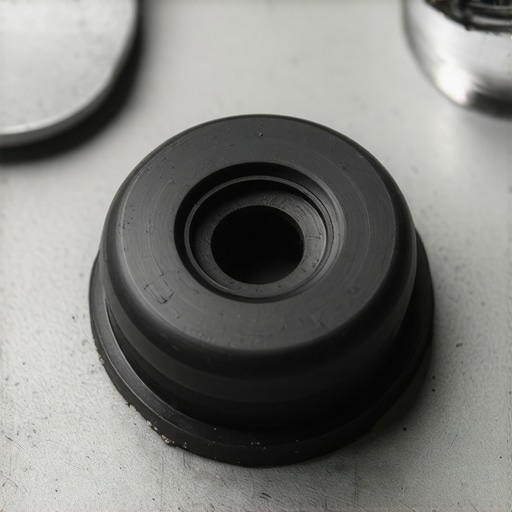
Modern automotive engineering often prioritizes assembly replacement over component-level repair, a trend that drives up the cost of ownership unnecessarily. In the realm of auto repair, few things are as misinterpreted as the characteristic ‘whine’ of a failing power steering pump. While many shops will immediately quote a full pump replacement, the root cause is frequently a failure of the low-pressure suction seal. This micro-component, often costing less than ten dollars, is the gatekeeper of hydraulic integrity. When this seal fails, it allows air to be drawn into the system, creating a foam that lacks the incompressible properties required for smooth steering. Similar to how a proactive tune up prevents catastrophic engine timing issues, addressing this seal early can save the entire steering rack from premature wear.
Why a $9 Seal Beats a $500 Component Swap
The economic logic of replacing a $400 pump for a $9 leak is fundamentally flawed, yet it remains common practice in many service bays. The suction side O-ring is located where the fluid return line meets the pump body. Over time, heat cycles and chemical exposure cause the rubber to harden, losing its ability to maintain a vacuum. When a mechanic identifies fluid ‘sweating’ around this joint, it is a definitive sign of seal failure. According to technical documentation from the Society of Automotive Engineers (SAE), fluid aeration is one of the primary drivers of cavitation, which physically erodes the internal vanes of the pump. By replacing just the seal, you restore the vacuum seal and eliminate the destructive air bubbles, effectively resetting the lifespan of the hardware. This approach is a hallmark of auto repair cost-saving tips from industry experts who value precision over parts-hanging.
How do air bubbles mimic a dying power steering pump?
The diagnostic challenge lies in the fact that air in the fluid produces the exact same audible symptoms as a mechanical bearing failure. When air enters the pump, it gets compressed into tiny bubbles that explode under high pressure—a process known as cavitation. This creates a high-pitched drone and a ‘stiff’ feeling in the steering wheel, especially during cold starts. If you have been diagnosing common auto problems, always check the reservoir for bubbles or foam while the engine is running. If you see foam, the pump isn’t dead; it’s simply ‘choking’ on air. Much like how a specialized brake service focuses on eliminating air from the lines to ensure pedal firmness, the power steering system requires a perfect vacuum on the intake side to operate silently.
Restore Steering Precision Without the Assembly Cost
Replacing the inlet O-ring is a surgical fix that requires minimal tools but significant attention to detail. Once the old seal is removed, the mating surfaces must be cleaned of any oxidized fluid or debris to ensure the new nitrile or Viton seal seats perfectly. This is an advanced maintenance tactic that separates high-level technicians from generalists. It is the same level of detail found in a thorough tune up checklist, where small adjustments yield massive performance gains. By focusing on these high-leverage repairs, you maintain the vehicle’s factory-original components, which are often higher quality than aftermarket replacements. Are you seeing similar hydraulic issues in your vehicle? We encourage you to contribute your professional insights or questions to our community forum below. Maintaining hydraulic health is just as critical as your next brake service; don’t let a tiny leak turn into a four-figure repair bill.
The logic of component-level repair extends far beyond power steering systems, frequently manifesting in the complex world of modern transmissions. Many drivers experience terrifying ‘ghost’ shifts or sudden gear slips and assume a multi-thousand dollar rebuild is the only path forward. However, electrical resistance is often the true culprit. A corroded ground strap can disrupt the sensitive voltage signals sent to the Transmission Control Module (TCM), causing the computer to lose its place in the shift map. Implementing the the 18 ground wire fix that stops random transmission slips can often restore factory-smooth shifting in under thirty minutes. This highlights a critical divide in the industry: technicians who troubleshoot the circuit versus those who simply swap the iron. According to data from AAA, a significant percentage of misdiagnosed major repairs stem from basic electrical or sensor failures that are overlooked during the initial inspection.
Could a simple fuse be masquerading as a total transmission failure?
In many cases, the answer is a resounding yes. When a TCM loses power entirely, the vehicle often enters ‘limp mode,’ locking the transmission in a single gear to prevent mechanical damage. To the untrained eye, this feels like a catastrophic internal failure. Yet, savvy owners know to check for the hidden fuse that kills your entire transmission control module before authorizing a teardown. This level of diagnostic depth is what distinguishes a skilled mechanic you can trust from a high-volume repair chain. By isolating the power source first, you bypass the labor-intensive process of mechanical testing, proving that a five-cent piece of plastic and wire can be the difference between a minor service and a financial crisis.
Stop Excessive Oil Consumption with a $14 Plastic Valve
Another area where assembly replacement is often wrongly prioritized is engine oil consumption. When a vehicle begins burning oil, many mechanics jump to conclusions about worn piston rings or failing valve seals—both of which require an engine rebuild. However, the Positive Crankcase Ventilation (PCV) valve is a much more likely, and far cheaper, suspect. A clogged PCV valve causes crankcase pressure to spike, forcing oil into the combustion chamber or out through various seals. Utilizing the 14 pcv valve fix that stops engine oil consumption is one of the highest-return maintenance tasks an owner can perform. It is a fundamental part of any pro-level tune up, ensuring the engine breathes correctly and maintains internal pressure balance. Ignoring this small component can lead to carbon buildup that eventually ruins the very catalytic converters many shops will later try to replace.
Detect Brake Fluid Integrity Before Your Pedals Go Soft
The philosophy of precision also applies to your stopping power. While most drivers focus on pad thickness, the chemical state of the brake fluid is what actually determines performance under pressure. Brake fluid is hygroscopic, meaning it actively absorbs moisture from the atmosphere. Once moisture content exceeds 3%, the boiling point of the fluid drops significantly, leading to dangerous brake fade during heavy use. You can easily learn how to test your brake fluid for water content at home using a simple digital refractometer or test strips. This proactive approach prevents the ‘spongy’ pedal feel that often leads to unnecessary master cylinder replacements. If you find your vehicle drifts right even with brand new tires, the issue might not be alignment, but a sticking caliper caused by contaminated, moisture-heavy fluid. Have you ever saved a major repair bill with a minor fix? We want to hear your stories in the comments—your experience might just save a fellow driver thousands of dollars.The shift toward digital diagnostics has created a ‘parts cannon’ culture where technicians swap modules until a code disappears, often ignoring the physical layer of the network. A prime example is the high-speed CAN bus. When a terminal resistor fails or a connector develops fretting corrosion, the resulting signal reflection can mimic a total ECU failure. Yet, performing a voltage drop test—a fundamental skill in any advanced mechanic’s toolkit—can pinpoint a bad ground in minutes. According to data from the National Institute for Automotive Service Excellence (ASE), nearly 30% of ‘unfixable’ electrical issues are traced back to high resistance in circuits that visually appear perfect. This emphasizes why a modern tune up must now include a digital multimeter sweep of the battery and chassis grounds.
Why does my dashboard light up like a Christmas tree when the battery is fine?
The phenomenon of multiple, unrelated warning lights—ABS, Traction Control, and Power Steering—often points to a ‘low voltage’ event during cranking rather than individual sensor failures. When the voltage dips below a specific threshold, typically around 10.5 volts, the various modules lose synchronization. Instead of replacing sensors, a skilled mechanic will check for micro-corrosion on the main power distribution block. Cleaning these contacts is a zero-cost repair that outperforms a thousand dollars in new hardware.
Check Your Coolant’s Voltage to Save the Radiator
Galvanic corrosion is the silent killer of modern aluminum cooling systems. Most drivers assume coolant is ‘good’ as long as it’s the right color, but the chemical pH balance and electrical conductivity are what matter most. When the inhibitors are exhausted, the coolant becomes an electrolyte. If you place a multimeter probe in the fluid and the other on the negative battery terminal, any reading over 0.3V indicates that electrolysis is actively stripping ions from your radiator and heater core.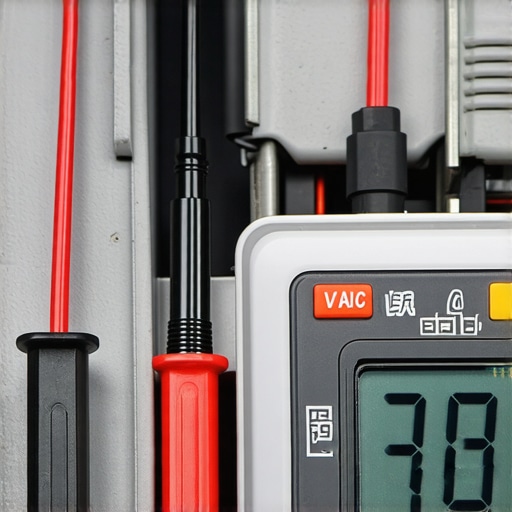 This electrochemical reaction creates pinhole leaks that appear out of nowhere. Catching this during a comprehensive tune up checklist allows you to flush the system and neutralize the acidity before the metal fails. It is a surgical approach to maintenance that mirrors the precision of a high-end brake service where fluid chemistry is prioritized over mechanical parts. Have you ever saved a major repair bill with a minor fix? We want to hear your stories in the comments—your experience might just save a fellow driver thousands of dollars.
Reverse the Chokehold of Carbon in GDI Engines
The transition to Gasoline Direct Injection (GDI) has introduced a specific pathology: intake valve carbonization. Because fuel is sprayed directly into the combustion chamber, the intake valves are never ‘washed’ by the solvent properties of gasoline. Over time, oil vapors from the PCV system bake onto the hot valves, restricting airflow and causing rough idles or misfires. While some shops recommend removing the cylinder head for manual cleaning—a massive labor expense—technologies like walnut shell blasting provide a non-invasive alternative. Integrating a chemical intake cleaning into your regular maintenance schedule keeps these deposits from hardening. This is particularly vital for performance-tuned vehicles where even a slight restriction in volumetric efficiency can trigger a ‘lean’ condition, leading the computer to compensate by dumping more fuel into the cylinder…
The intersection of body integrity and electronic reliability is frequently overlooked by generalists, yet it is where some of the most expensive misdiagnoses occur. When a vehicle presents with erratic lighting, parasitic battery draws, or malfunctioning power windows, many shops reflexively order a new Body Control Module (BCM). However, the root cause is often environmental rather than mechanical. Clogged sunroof or cowl drains can redirect rainwater directly into the cabin or down the A-pillar, where it pools inside the delicate circuitry of the BCM or its connectors. This water ingress creates bridge paths between pins, triggering ‘phantom’ signals that mimic a hardware failure. According to technical bulletins often cited in Motor Age Magazine, simply clearing these drains with compressed air and cleaning the harness pins with contact cleaner can resolve ‘unfixable’ electrical gremlins that others might quote thousands to repair.
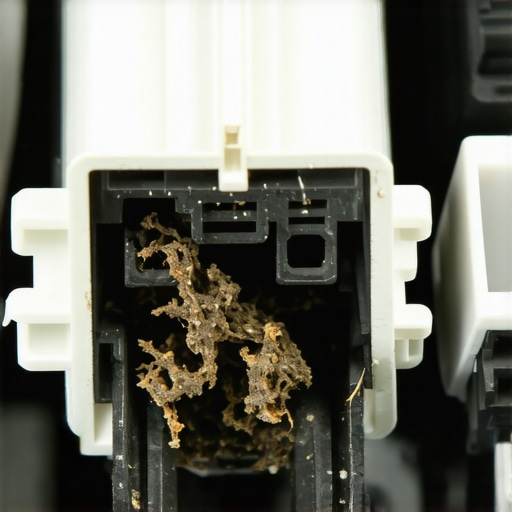
Can a simple leaf really brick your entire onboard computer?
In the world of high-stakes auto repair, the answer is a definitive yes. Debris accumulation in the fresh air intake or the sunroof channels acts as a dam, eventually forcing water to find the path of least resistance—which often leads straight to the main fuse box or the primary electronic control units. This highlights the necessity of a truly comprehensive tune up checklist that goes beyond the engine bay to include the vehicle’s drainage systems. If you are experiencing strange electronic behavior after a heavy rain, don’t rush to replace the hardware. Instead, have a mechanic perform a moisture inspection of the floorboards and kick panels, as these are the primary indicators of a drainage-related failure that could save you from a needless assembly swap.
The VVT Solenoid Trap That Fools Even Seasoned Techs
Variable Valve Timing (VVT) systems have revolutionized fuel efficiency, but they have also introduced a new layer of diagnostic complexity. When a car exhibits a rough idle or a ‘camshaft position’ error code, the immediate instinct for many is to fear a stretched timing chain—a repair that costs thousands. However, the VVT solenoid, which uses oil pressure to adjust cam timing, is incredibly sensitive to oil quality. Microscopic sludge particles can clog the solenoid’s tiny screens, causing it to stick. A targeted tune up focusing on an engine flush and a solenoid cleaning can often restore perfect timing for a fraction of the cost. This is the difference between ‘parts hanging’ and professional problem-solving that prioritizes the vehicle’s long-term health.
Stop Ignoring the Magnetic Rings in Your Wheel Hubs
Modern ABS and Traction Control systems rely on high-precision wheel speed sensors, but the sensors themselves are rarely the problem. Over time, the magnetic encoder ring—often integrated into the wheel bearing—can accumulate metallic dust or road salt, causing the signal to drop out. A technician who understands brake service at a molecular level knows that cleaning these rings can frequently clear an ABS light without replacing the hub assembly. This surgical approach to maintenance is what we advocate for at every level. Have you encountered a ‘major’ repair that turned out to be a simple cleaning or a loose wire? Share your expert-level diagnostic wins in the comments below to help our community avoid the assembly replacement trap.
Expert Insights & Advanced Considerations
Watch Your Fuel Trims to Stop Hidden Vacuum Leaks
A vehicle can run perfectly fine while hiding a massive air leak that eventually destroys your catalytic converters. By monitoring Long Term Fuel Trim (LTFT) values through a basic OBDII scanner, you can see if the computer is compensating for extra air. If your LTFT is over 10% at idle but drops at high RPM, you likely have a vacuum leak. This is the kind of advanced diagnostic work that goes into tune up strategies to save money on auto repairs, allowing you to find the 7 vacuum hose leak that tricked your mechanic into a costly tune up before it escalates.
Thermal Cameras Expose Resistance Your Multimeter Misses
Static voltage tests often fail to reveal the truth about a circuit under load. High-level technicians now use thermal imaging to find ‘hot spots’ in fuse boxes and ground straps. A glowing red connection on a thermal screen is a definitive sign of high resistance, which is frequently the root cause of ‘ghost’ shifting or module communication errors. Instead of guessing, you can learn how to test your own o2 sensor using a 15 multimeter or use heat signatures to prove a component is failing before it dies. #IMAGE_PLACEHOLDER_E#
Flush the Lifetime Fluid Marketing Down the Drain
The term ‘lifetime fluid’ is a marketing gimmick designed to lower the perceived cost of ownership during the warranty period. In the real world, transmission fluid oxidizes and loses its friction modifiers. A simple the 20 fluid swap that can save a slipping transmission at 60,000-mile intervals is far cheaper than a $4,000 rebuild at 120,000 miles. True automotive longevity requires ignoring the sales brochure and following a rigorous fluid analysis schedule.
Curated Expert Resources
SAE International Technical Papers
For those who want to understand the physics of cavitation or the chemistry of modern lubricants, the Society of Automotive Engineers provides the foundational data that OEMs use to build vehicles. Their database is the definitive source for engineering standards.
iATN (International Automotive Technicians Network)
This is where the world’s best mechanics hang out to swap waveforms and complex diagnostic case studies. It is the gold standard for peer-reviewed repair data and real-world troubleshooting patterns.
Motor Age Technical Training
Motor Age offers deep dives into oscilloscope usage, CAN-bus networking, and advanced drivability that go far beyond standard shop manuals. Their focus on the ‘why’ behind the repair is invaluable for developing expert-level diagnostic skills.
Final Expert Perspective
Mastering modern vehicle maintenance requires a fundamental shift in mindset: we must move away from the ‘parts cannon’ approach and toward precision diagnostics. Whether you are dealing with a hydraulic whine or an electrical ghost, the solution is rarely a $500 assembly but rather a $10 seal, a cleaned ground, or a fresh quart of fluid. Every successful auto repair starts with a question, not a credit card. Finding a skilled mechanic you can trust who values these surgical fixes is the most important investment you can make in your car’s future. We invite you to join the conversation below—what’s the smallest fix that saved your car from the scrap heap?