
Professional automotive diagnostics often begin before a digital scan tool is ever connected. An experienced technician understands that internal combustion is a precise chemical reaction, and any deviation from the ideal stoichiometric ratio produces specific olfactory signatures. When your vehicle’s exhaust begins to emit odors that differ from the standard, faint scent of treated emissions, it is effectively communicating a failure mode within the combustion chamber, cooling system, or exhaust after-treatment hardware. Recognizing these chemical red flags can prevent catastrophic engine failure and save thousands in avoidable auto repair costs.
That Cloying Sweetness Usually Means a Blown Head Gasket
If you detect a scent reminiscent of maple syrup or burnt sugar emanating from your tailpipe, your engine is likely consuming ethylene glycol. This occurs when an internal breach, typically in the cylinder head gasket, allows pressurized coolant to enter the combustion chamber. Unlike external leaks, this internal consumption produces a white, billowy vapor. Utilizing expert mechanic tips for diagnosing auto problems is essential here, as continued operation under these conditions leads to localized overheating and potential warping of the cylinder head. According to research from the Society of Automotive Engineers (SAE), thermal stress is the leading cause of gasket fatigue in modern aluminum-head engines.
The Sharp Stench of Rotten Eggs Points to Your Catalytic Converter
A thick, sulfurous odor—often compared to rotten eggs—is a definitive indicator that your catalytic converter is no longer processing hydrogen sulfide effectively. This failure is rarely isolated; it is often the result of a rich fuel mixture or an engine misfire that has sent unburned hydrocarbons into the delicate ceramic honeycomb of the converter, causing it to overheat and melt. This is a critical stage where a comprehensive brake service might be the least of your worries compared to a clogged exhaust. If your vehicle feels sluggish or the check engine light is flashing, you may need a professional essential tune-up to address the underlying fuel delivery issues before replacing expensive emissions components.
Why Does My Exhaust Smell Worse Only During a Cold Start?
Many drivers notice a heavy raw gasoline scent specifically during the first few minutes of operation. While a slightly rich mixture is normal during the ‘cold start’ enrichment phase, an overwhelming stench suggests leaking fuel injectors or a failing coolant temperature sensor that is tricking the ECU into over-fueling. Ignoring this leads to oil dilution, where raw gas seeps past the piston rings and thins your lubricant, accelerating wear on crankshaft bearings and cam lobes.
Acrid Smoke and Burning Oil Signatures
An acrid, thick smell that stings the nose usually indicates that motor oil is being incinerated within the exhaust manifold or the cylinders themselves. This often presents as blue-tinted smoke. While worn valve stem seals or piston rings are common internal culprits, many owners find relief using a simple 12-dollar valve cover gasket trick to stop external leaks from dripping onto hot exhaust components. Addressing these smells early ensures that your mechanic focuses on preventative maintenance rather than a full engine overhaul. If you have noticed any of these professional-level warning signs, we encourage you to share your diagnostic findings or questions with our community of experts to refine your troubleshooting process.
Electrical odors often manifest as the sharp, ozone-heavy scent of melting insulation or the acrid stench of a slipping belt. When a serpentine belt fails to grip a seized pulley, the friction generates intense heat that literally vaporizes the rubber compound. If you suspect your charging system is at fault, you can test your alternator using a simple screwdriver to verify if the internal bearings are dragging. Often, a failing alternator emits a distinct ‘hot electronics’ smell right before it ceases to provide current, a subtle warning sign that many overlook until the battery is depleted.
How Can I Tell if the Burning Smell is My Brakes or My Transmission?
Distinguishing between these two can be the difference between a minor adjustment and a multi-thousand dollar overhaul. Brake friction material, when overheated, produces a sharp, metallic, and almost ‘sour’ burning scent that is usually localized to a specific wheel. In contrast, failing transmission fluid often smells like burnt toast or scorched cherries due to high-temperature oxidation of the fluid’s detergent package. If your automatic transmission is struggling, you might notice why your automatic transmission hunts for gears on the highway, a symptom often accompanied by this thermal degradation.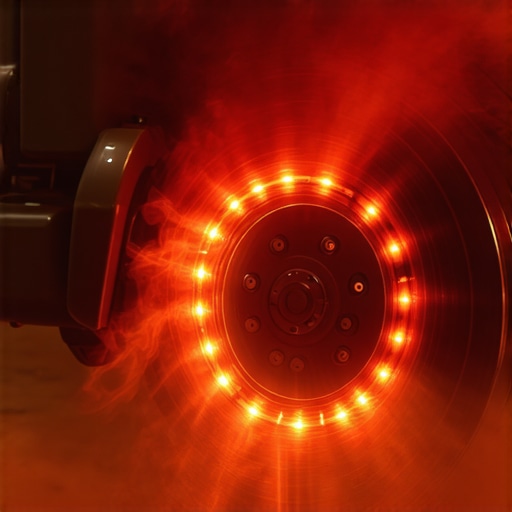
Why Dragging Calipers Often Mask Themselves as Power Loss
A frequent source of mystery smells is the ‘overcooked’ metallic odor of a sticking brake component. This is a critical diagnostic point: a caliper that fails to retract creates constant parasitic drag, which many drivers misinterpret as a loss of engine performance or a transmission slip. Implementing brake service strategies that save you money early on—such as lubricating slide pins or flushing hygroscopic fluid—can prevent the pads from glazing over and losing their coefficient of friction. According to the National Highway Traffic Safety Administration (NHTSA), brake fade and friction failure remain primary contributors to mechanical-related roadway incidents.
Invisible Exhaust Leaks and Sensor Corruption
Professional diagnostics also look at the ‘invisible’ failures where odors may be diverted away from the cabin by airflow. A leaking exhaust manifold might not always be detectable by scent alone, but it drastically alters the data your oxygen sensors provide to the ECU. This ‘false lean’ condition causes the engine to dump excess fuel, leading to the carbon buildup we discussed previously. This is why testing your own O2 sensor can reveal leaks that your nose missed. If you have ever noticed your vehicle pulling or a strange scent after a long highway stretch, we encourage you to share your experience or suggest what topic we should dive into next; perhaps a guide on fixing a sticky brake caliper is what you need most right now.
While exhaust-related odors dominate the diagnostic conversation, the quality of the air circulating inside your cabin is equally telling of your vehicle’s health. If turning on the air conditioning triggers a wave of musty, damp-sock odor, you aren’t just dealing with a nuisance; you are likely inhaling aerosolized fungal spores. This occurs when the evaporator core, tucked deep within the dashboard, fails to drain condensation properly, creating a dark, humid breeding ground for microbes. According to the Environmental Protection Agency (EPA), poor indoor air quality can lead to immediate respiratory irritation, making a seasonal cabin filter replacement a health priority rather than just a maintenance checkbox. If the smell persists after a filter change, the drain tube is likely clogged with debris, requiring a more invasive cleaning of the HVAC housing.

Why Gear Oil Smells Like a Skunk Had a Bad Day
Transitioning from the cabin to the drivetrain, there is a specific, heavy-duty scent that most DIYers encounter only when things go sideways: the pungent, sulfurous aroma of gear oil. Unlike the relatively mild scent of engine oil, lubricants like 80W-90 or 75W-140 are packed with extreme-pressure additives, specifically sulfur-phosphorus compounds, that smell remarkably like a skunk. If you detect this after a highway run, it usually points to a weeping pinion seal or a compromised differential cover gasket. This ‘heavy’ smell often precedes a catastrophic bearing failure or an audible ‘whining’ noise; ignoring it can turn a fifty-dollar seal replacement into a two-thousand-dollar axle swap. If you have ever crawled under your truck and been hit by that unmistakable stench, you know exactly how pervasive it can be. We often recommend checking the vent tube on your differential, as a blockage there can cause pressure to build up and blow out seals that were otherwise healthy.
Can a leaking EVAP canister cause a gas smell without a puddle?
Absolutely, and this is one of the most common ‘phantom’ smells in modern cars. Your vehicle’s Evaporative Emission (EVAP) system is designed to trap gasoline vapors in a charcoal canister before they escape into the atmosphere. If this canister becomes saturated—often the result of ‘topping off’ the gas tank at the pump—or if a vent solenoid has stuck open, you will smell raw fuel near the rear of the car or around the wheel wells. This is a nuanced diagnostic path because it rarely affects engine performance initially, but it will certainly trigger a ‘Check Engine’ light for a ‘Small Leak’ code. Understanding how to troubleshoot EVAP codes at home can save you from paying for a professional smoke test. Sometimes, however, the source of a burning scent isn’t mechanical at all, but rather environmental debris caught in the chassis.
Plastic Bags and Road Debris: The ‘Phantom’ Fire Hazard
Occasionally, a driver will report a terrifying ‘burning plastic’ odor that doesn’t correspond to any electrical failure or fluid leak. In many cases, the culprit is a common plastic shopping bag that was blown under the car and melted onto the catalytic converter or mid-pipe. This creates a polymer-based stench that can persist for weeks as the plastic slowly carbonizes against the extreme heat of the exhaust. Before you authorize a complex tune up or electrical scan, perform a visual inspection of the exhaust path from the manifold to the muffler. If you see a blackened, charred residue on the pipe, you’ve found your ‘leak.’ This brings us to the subtle differences in how various rubber compounds react to heat, particularly the serpentine belt versus the timing belt…
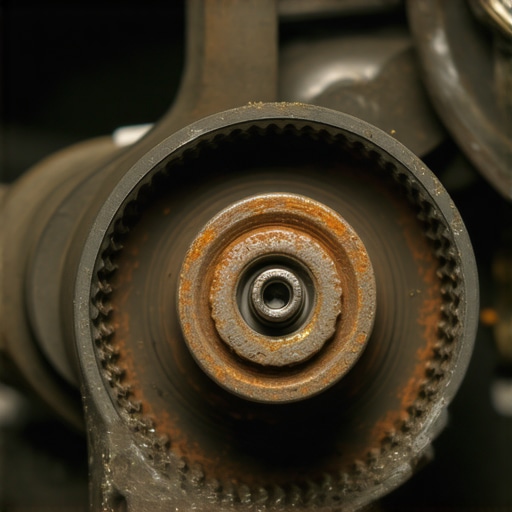
Beyond the common exhaust and coolant signatures, a master technician relies on more subtle chemical cues to identify drivetrain and accessory drive failures before they manifest as mechanical breakdown. The subtle interplay between the serpentine belt’s friction and power steering fluid creates a specific olfactory profile that differs significantly from standard motor oil. Hydraulic fluid, when subjected to the extreme heat of a failing pump or a pinhole leak spraying onto a hot manifold, emits a scent often described as burnt marshmallows or singed, chemical-heavy sugar. This is a primary diagnostic marker for power steering system compromise that, if ignored, leads to hydraulic cavitation and the eventual seizure of the pump itself.
Stop Ignoring the Burnt Toffee Scent in Your Engine Bay
While many drivers mistake the smell of overheated power steering fluid for a transmission issue, the location and timing of the scent are the keys to a precise diagnosis. If the odor intensifies specifically during low-speed maneuvers—such as parallel parking—where the hydraulic pressure is at its peak, the system is likely suffering from internal seal failure or fluid aeration. Modern auto repair standards dictate that any darkening of the fluid accompanied by this scent necessitates a full system flush. According to the Car Care Council, nearly 25 percent of vehicles on the road operate with low or contaminated functional fluids, significantly shortening the lifespan of steering racks and pumps.
Manual Transmissions Speak Through Friction and Heat
For those operating a manual gearbox, a very specific ‘burnt hair’ or sulfurous-toast odor indicates that the clutch friction material is slipping. This occurs when the pressure plate no longer holds the clutch disc firmly against the flywheel, often due to aggressive driving, towing beyond capacity, or a failing slave cylinder. This scent is chemically distinct from the oily smell of a brake service issue, though both involve friction material. If you experience a ‘spongy’ pedal feel alongside this acrid aroma, you are likely witnessing the final stages of friction material glaze, a condition that permanently reduces the clutch’s coefficient of friction.
Does Your Battery Smell Like Rotten Eggs Even When the Engine Is Cold?
While we previously discussed how a failing catalytic converter creates a sulfur smell, a similar odor originating from under the hood rather than the tailpipe suggests a battery in a state of thermal runaway. When an alternator’s voltage regulator fails, it may overcharge the battery, causing the electrolyte solution to boil and release hydrogen sulfide gas. This is a critical safety hazard; a ‘boiling’ battery can explode if a spark occurs nearby. If the battery casing feels excessively hot to the touch or appears bloated, the charging system requires an immediate tune up and diagnostic check to prevent electrical fires.
Save Your Steering Rack by Catching Hydraulic Leaks Early
A proactive approach to these odors involves more than just a quick sniff; it requires understanding the fluid’s migration path. A leaking steering rack boot can trap fluid, which then slowly drips onto the hot exhaust crossover pipe only when the vehicle is in motion, making it a difficult leak to spot while parked. This is why we advocate for a ‘clean-room’ approach to the engine bay. If you can’t identify the source of a persistent smell, we want to hear from you—what specific scent are you struggling to track down in your mechanic journey? Sharing your symptoms helps our community build a more robust database of real-world diagnostic solutions.
Professional automotive diagnostics often begin before a digital scan tool is ever connected. An experienced technician understands that internal combustion is a precise chemical reaction, and any deviation from the ideal stoichiometric ratio produces specific olfactory signatures. When your vehicle’s exhaust begins to emit odors that differ from the standard, faint scent of treated emissions, it is effectively communicating a failure mode within the combustion chamber, cooling system, or exhaust after-treatment hardware. Recognizing these chemical red flags can prevent catastrophic engine failure and save thousands in avoidable auto repair costs.
That Cloying Sweetness Usually Means a Blown Head Gasket
If you detect a scent reminiscent of maple syrup or burnt sugar emanating from your tailpipe, your engine is likely consuming ethylene glycol. This occurs when an internal breach, typically in the cylinder head gasket, allows pressurized coolant to enter the combustion chamber. Unlike external leaks, this internal consumption produces a white, billowy vapor. Utilizing expert mechanic tips for diagnosing auto problems is essential here, as continued operation under these conditions leads to localized overheating and potential warping of the cylinder head. According to research from the Society of Automotive Engineers (SAE), thermal stress is the leading cause of gasket fatigue in modern aluminum-head engines.
The Sharp Stench of Rotten Eggs Points to Your Catalytic Converter
A thick, sulfurous odor—often compared to rotten eggs—is a definitive indicator that your catalytic converter is no longer processing hydrogen sulfide effectively. This failure is rarely isolated; it is often the result of a rich fuel mixture or an engine misfire that has sent unburned hydrocarbons into the delicate ceramic honeycomb of the converter, causing it to overheat and melt. This is a critical stage where a comprehensive brake service might be the least of your worries compared to a clogged exhaust. If your vehicle feels sluggish or the check engine light is flashing, you may need a professional essential tune-up to address the underlying fuel delivery issues before replacing expensive emissions components.
Why Does My Exhaust Smell Worse Only During a Cold Start?
Many drivers notice a heavy raw gasoline scent specifically during the first few minutes of operation. While a slightly rich mixture is normal during the ‘cold start’ enrichment phase, an overwhelming stench suggests leaking fuel injectors or a failing coolant temperature sensor that is tricking the ECU into over-fueling. Ignoring this leads to oil dilution, where raw gas seeps past the piston rings and thins your lubricant, accelerating wear on crankshaft bearings and cam lobes.
Acrid Smoke and Burning Oil Signatures
An acrid, thick smell that stings the nose usually indicates that motor oil is being incinerated within the exhaust manifold or the cylinders themselves. This often presents as blue-tinted smoke. While worn valve stem seals or piston rings are common internal culprits, many owners find relief using a simple 12-dollar valve cover gasket trick to stop external leaks from dripping onto hot exhaust components. Addressing these smells early ensures that your mechanic focuses on preventative maintenance rather than a full engine overhaul. If you have noticed any of these professional-level warning signs, we encourage you to share your diagnostic findings or questions with our community of experts to refine your troubleshooting process.
Electrical odors often manifest as the sharp, ozone-heavy scent of melting insulation or the acrid stench of a slipping belt. When a serpentine belt fails to grip a seized pulley, the friction generates intense heat that literally vaporizes the rubber compound. If you suspect your charging system is at fault, you can test your alternator using a simple screwdriver to verify if the internal bearings are dragging. Often, a failing alternator emits a distinct ‘hot electronics’ smell right before it ceases to provide current, a subtle warning sign that many overlook until the battery is depleted.
How Can I Tell if the Burning Smell is My Brakes or My Transmission?
Distinguishing between these two can be the difference between a minor adjustment and a multi-thousand dollar overhaul. Brake friction material, when overheated, produces a sharp, metallic, and almost ‘sour’ burning scent that is usually localized to a specific wheel. In contrast, failing transmission fluid often smells like burnt toast or scorched cherries due to high-temperature oxidation of the fluid’s detergent package. If your automatic transmission is struggling, you might notice why your automatic transmission hunts for gears on the highway, a symptom often accompanied by this thermal degradation.
#IMAGE_PLACE_HOLDER_B#
Why Dragging Calipers Often Mask Themselves as Power Loss
A frequent source of mystery smells is the ‘overcooked’ metallic odor of a sticking brake component. This is a critical diagnostic point: a caliper that fails to retract creates constant parasitic drag, which many drivers misinterpret as a loss of engine performance or a transmission slip. Implementing brake service strategies that save you money early on—such as lubricating slide pins or flushing hygroscopic fluid—can prevent the pads from glazing over and losing their coefficient of friction. According to the National Highway Traffic Safety Administration (NHTSA), brake fade and friction failure remain primary contributors to mechanical-related roadway incidents.
Invisible Exhaust Leaks and Sensor Corruption
Professional diagnostics also look at the ‘invisible’ failures where odors may be diverted away from the cabin by airflow. A leaking exhaust manifold might not always be detectable by scent alone, but it drastically alters the data your oxygen sensors provide to the ECU. This ‘false lean’ condition causes the engine to dump excess fuel, leading to the carbon buildup we discussed previously. This is why testing your own O2 sensor can reveal leaks that your nose missed. If you have ever noticed your vehicle pulling or a strange scent after a long highway stretch, we encourage you to share your experience or suggest what topic we should dive into next; perhaps a guide on fixing a sticky brake caliper is what you need most right now.
While exhaust-related odors dominate the diagnostic conversation, the quality of the air circulating inside your cabin is equally telling of your vehicle’s health. If turning on the air conditioning triggers a wave of musty, damp-sock odor, you aren’t just dealing with a nuisance; you are likely inhaling aerosolized fungal spores. This occurs when the evaporator core, tucked deep within the dashboard, fails to drain condensation properly, creating a dark, humid breeding ground for microbes. According to the Environmental Protection Agency (EPA), poor indoor air quality can lead to immediate respiratory irritation, making a seasonal cabin filter replacement a health priority rather than just a maintenance checkbox. If the smell persists after a filter change, the drain tube is likely clogged with debris, requiring a more invasive cleaning of the HVAC housing.
#IMAGE_PLACE_HOLDER_C#
Why Gear Oil Smells Like a Skunk Had a Bad Day
Transitioning from the cabin to the drivetrain, there is a specific, heavy-duty scent that most DIYers encounter only when things go sideways: the pungent, sulfurous aroma of gear oil. Unlike the relatively mild scent of engine oil, lubricants like 80W-90 or 75W-140 are packed with extreme-pressure additives, specifically sulfur-phosphorus compounds, that smell remarkably like a skunk. If you detect this after a highway run, it usually points to a weeping pinion seal or a compromised differential cover gasket. This ‘heavy’ smell often precedes a catastrophic bearing failure or an audible ‘whining’ noise; ignoring it can turn a fifty-dollar seal replacement into a two-thousand-dollar axle swap. If you have ever crawled under your truck and been hit by that unmistakable stench, you know exactly how pervasive it can be. We often recommend checking the vent tube on your differential, as a blockage there can cause pressure to build up and blow out seals that were otherwise healthy.
Can a leaking EVAP canister cause a gas smell without a puddle?
Absolutely, and this is one of the most common ‘phantom’ smells in modern cars. Your vehicle’s Evaporative Emission (EVAP) system is designed to trap gasoline vapors in a charcoal canister before they escape into the atmosphere. If this canister becomes saturated—often the result of ‘topping off’ the gas tank at the pump—or if a vent solenoid has stuck open, you will smell raw fuel near the rear of the car or around the wheel wells. This is a nuance diagnostic path because it rarely affects engine performance initially, but it will certainly trigger a ‘Check Engine’ light for a ‘Small Leak’ code. Understanding how to troubleshoot EVAP codes at home can save you from paying for a professional smoke test. Sometimes, however, the source of a burning scent isn’t mechanical at all, but rather environmental debris caught in the chassis.
Plastic Bags and Road Debris: The ‘Phantom’ Fire Hazard
Occasionally, a driver will report a terrifying ‘burning plastic’ odor that doesn’t correspond to any electrical failure or fluid leak. In many cases, the culprit is a common plastic shopping bag that was blown under the car and melted onto the catalytic converter or mid-pipe. This creates a polymer-based stench that can persist for weeks as the plastic slowly carbonizes against the extreme heat of the exhaust. Before you authorize a complex tune up or electrical scan, perform a visual inspection of the exhaust path from the manifold to the muffler. If you see a blackened, charred residue on the pipe, you’ve found your ‘leak.’ This brings us to the subtle differences in how various rubber compounds react to heat, particularly the serpentine belt versus the timing belt…
Beyond the common exhaust and coolant signatures, a master technician relies on more subtle chemical cues to identify drivetrain and accessory drive failures before they manifest as mechanical breakdown. The subtle interplay between the serpentine belt’s friction and power steering fluid creates a specific olfactory profile that differs significantly from standard motor oil. Hydraulic fluid, when subjected to the extreme heat of a failing pump or a pinhole leak spraying onto a hot manifold, emits a scent often described as burnt marshmallows or singed, chemical-heavy sugar. This is a primary diagnostic marker for power steering system compromise that, if ignored, leads to hydraulic cavitation and the eventual seizure of the pump itself.
Stop Ignoring the Burnt Toffee Scent in Your Engine Bay
While many drivers mistake the smell of overheated power steering fluid for a transmission issue, the location and timing of the scent are the keys to a precise diagnosis. If the odor intensifies specifically during low-speed maneuvers—such as parallel parking—where the hydraulic pressure is at its peak, the system is likely suffering from internal seal failure or fluid aeration. Modern auto repair standards dictate that any darkening of the fluid accompanied by this scent necessitates a full system flush. According to the Car Care Council, nearly 25 percent of vehicles on the road operate with low or contaminated functional fluids, significantly shortening the lifespan of steering racks and pumps.
#IMAGE_PLACE_HOLDER_D#
Manual Transmissions Speak Through Friction and Heat
For those operating a manual gearbox, a very specific ‘burnt hair’ or sulfurous-toast odor indicates that the clutch friction material is slipping. This occurs when the pressure plate no longer holds the clutch disc firmly against the flywheel, often due to aggressive driving, towing beyond capacity, or a failing slave cylinder. This scent is chemically distinct from the oily smell of a brake service issue, though both involve friction material. If you experience a ‘spongy’ pedal feel alongside this acrid aroma, you are likely witnessing the final stages of friction material glaze, a condition that permanently reduces the clutch’s coefficient of friction.
Does Your Battery Smell Like Rotten Eggs Even When the Engine Is Cold?
While we previously discussed how a failing catalytic converter creates a sulfur smell, a similar odor originating from under the hood rather than the tailpipe suggests a battery in a state of thermal runaway. When an alternator’s voltage regulator fails, it may overcharge the battery, causing the electrolyte solution to boil and release hydrogen sulfide gas. This is a critical safety hazard; a ‘boiling’ battery can explode if a spark occurs nearby. If the battery casing feels excessively hot to the touch or appears bloated, the charging system requires an immediate tune up and diagnostic check to prevent electrical fires.
Save Your Steering Rack by Catching Hydraulic Leaks Early
A proactive approach to these odors involves more than just a quick sniff; it requires understanding the fluid’s migration path. A leaking steering rack boot can trap fluid, which then slowly drips onto the hot exhaust crossover pipe only when the vehicle is in motion, making it a difficult leak to spot while parked. This is why we advocate for a ‘clean-room’ approach to the engine bay. If you can’t identify the source of a persistent smell, we want to hear from you—what specific scent are you struggling to track down in your mechanic journey? Sharing your symptoms helps our community build a more robust database of real-world diagnostic solutions.
Refining Your Diagnostic Toolkit Beyond the Basics
Why Your Nose Often Beats an OBD-II Scanner
Digital scan tools are fundamentally reactionary; they report data after a sensor has already detected a threshold violation. Olfactory diagnostics are proactive. By identifying the scent of vaporized coolant or scorched friction material before a code is thrown, you move from reactive auto repair to predictive maintenance. This sensory lead time is what separates a standard mechanic from a diagnostic specialist. It is one of the many auto repair myths debunked: your senses are often your most accurate instrument.
How Ambient Humidity Distorts Chemical Signatures
Experienced technicians know that scent molecules behave differently in varying climates. A sweet exhaust scent might be muted in high humidity but becomes overpowering in dry, cold air. When performing a tune up, always correlate your sensory findings with local environmental conditions to avoid misdiagnosing a transient odor as a permanent mechanical failure. Precision counts when you are trying to avoid an unnecessary engine teardown.
The Invisible Link Between Odor and Safety Systems
Most drivers view a burnt smell as a performance issue, but in systems like the brake service workflow, it is a primary safety warning. Glazed pads don’t just smell; they chemically transform, losing the ability to generate the necessary friction for emergency stops. If you can smell your brakes after a standard descent, you have likely already compromised your stopping distance beyond safe limits.
Professional Databases for Precision Troubleshooting
SAE International (Society of Automotive Engineers): The gold standard for understanding the chemical composition of automotive fluids and the thermal limits of engine components during failure modes.
ASE (Automotive Service Excellence): Essential for benchmarking your diagnostic skills against industry-wide standards for professional repair and ethics in the service bay.
NHTSA Safety & Recall Database: A critical resource for verifying if a specific odor in a vehicle model is tied to a known engineering defect or a high-priority safety recall that could cause fire hazards.
Sensory Awareness as the Foundation of Vehicle Longevity
Mastering the chemical language of your vehicle transforms how you approach maintenance and long-term reliability. Whether it’s recognizing the skunk-like pungency of gear oil or the maple syrup scent of a failing head gasket, your senses provide a real-time data stream that no computer can fully replicate. By integrating these observations into your regular auto repair routine, you ensure that every tune up or brake service is targeted and effective. We invite you to explore how a top-rated mechanic ensures safe repairs through these advanced diagnostic methods. What specific scent has been puzzling you lately? Join our community of experts to share your findings or suggest which diagnostic mystery we should solve next.