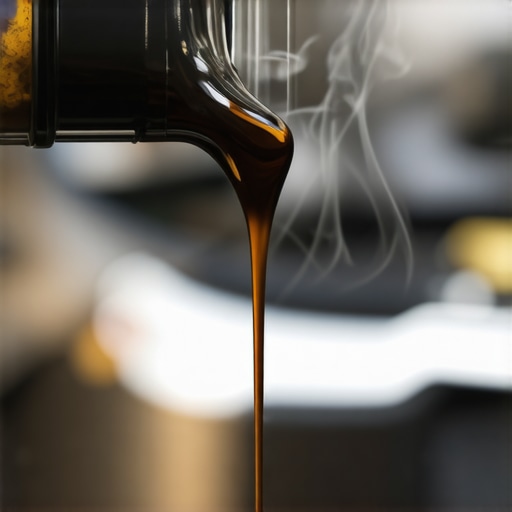
Modern automatic transmissions are masterpieces of hydraulic engineering, yet they remain vulnerable to the laws of thermodynamics. Transmission fluid serves a dual purpose as both a hydraulic lubricant and a cooling agent, maintaining the delicate balance required for smooth gear transitions. When this fluid exceeds its thermal threshold, it undergoes a process known as oxidation, which fundamentally alters its chemical composition. For any discerning vehicle owner, identifying the early stages of this breakdown is not merely about maintenance; it is a vital diagnostic measure to prevent a total drivetrain overhaul. If you are experiencing shifting irregularities, implementing mechanic tips for diagnosing common auto problems can help differentiate between a simple fluid issue and a deeper mechanical failure.
The Acrid Aroma of Chemical Decomposition
The first and most immediate sign of burning transmission fluid is a distinct, pungent odor that resembles burnt toast or sulfur. Under normal operating conditions, transmission fluid should have a slightly sweet or neutral scent. However, as the friction modifiers and detergents within the fluid break down due to excessive heat, they release volatile organic compounds. This olfactory warning often suggests that the fluid is no longer providing adequate lubrication to the clutch packs, leading to increased friction and further heat generation. If you notice this scent, it is imperative to seek professional counsel. Learning how to choose a skilled mechanic you can trust is the first step in ensuring your gearbox receives the expert attention it requires before the damage becomes irreversible.
The Visual Shift from Translucent Pink to Varnish-Like Black
Fluid clarity and color serve as a window into the health of your transmission’s internal components. Healthy transmission fluid is characterized by a bright, translucent pink or red hue. As thermal degradation progresses, the fluid transitions through shades of deep brown before eventually becoming an opaque black. This darkening is caused by the suspension of carbonized particles and microscopic clutch material. According to technical documentation from the Society of Automotive Engineers (SAE), once fluid has reached this state of oxidation, its viscosity profile is compromised, leading to a loss of hydraulic pressure and film strength. In some cases, the 20 dollar fluid swap that can save a slipping transmission may be a viable short-term remedy, but dark fluid often necessitates a comprehensive inspection of the torque converter and valve body.
Does Your Gearbox Suffer from Latent Hydraulic Delays?
Erratic shifting behavior is the functional manifestation of burned fluid. When fluid loses its integrity, it can no longer maintain the consistent hydraulic pressure required to actuate the shift solenoids and move the internal valves smoothly. This often results in ‘slipping’—where the engine RPMs increase without a corresponding increase in vehicle speed—or hard, jarring shifts that feel as though the car is being struck from behind. These symptoms indicate that the internal seals may be hardening or that the fluid is too thin to provide the necessary pressure. If you are looking to optimize your vehicle’s longevity, incorporating tune-up strategies to save money on auto repairs into your maintenance routine can prevent these high-heat scenarios from occurring. We encourage you to share your own experiences with drivetrain troubleshooting in the comments below or contact our team for deeper technical insights.
Thermal Runaway and the Destruction of Internal Friction Plates
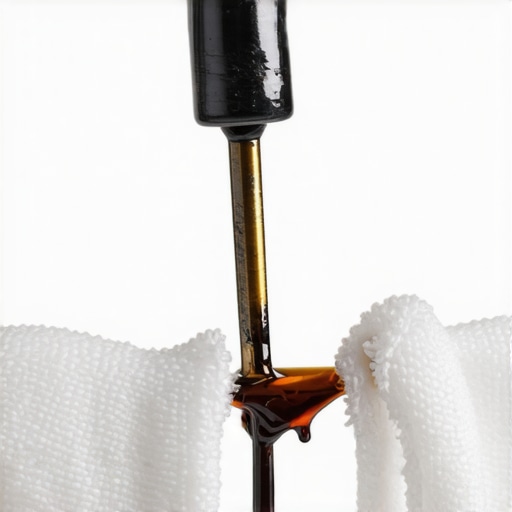
When transmission fluid undergoes severe oxidation, it ceases to be a protective lubricant and instead becomes a source of abrasive contamination. This chemical transition leads to a phenomenon known as thermal runaway, where the fluid’s reduced ability to dissipate heat causes internal temperatures to spike even further. As the fluid thins beyond its engineered tolerances, the friction plates within the clutch packs begin to glaze. This glazing creates a smooth, glass-like surface that lacks the necessary grip to engage gears effectively. If you’ve noticed that your transmission shifts hard only when the engine is cold, it may be an early sign that the fluid’s viscosity is already failing to meet the mechanical demands of the system. Over time, the suspended carbon particles from the burnt fluid act like sandpaper, physically eroding the metal surfaces of the planetary gear sets.
The Invisible Sabotage of Shift Solenoids
Modern transmissions rely heavily on electro-hydraulic solenoids to manage fluid flow. These tiny valves operate with surgical precision, but they are highly susceptible to the sludge and varnish produced by burnt fluid. When the fluid breaks down, it leaves behind sticky deposits that can cause these solenoids to hang or fail entirely. This often manifests as ‘limp mode,’ where the vehicle restricts itself to a single gear to prevent further damage. While some electrical issues can be traced back to the hidden fuse that kills your entire transmission control module, more often than not, it is the physical quality of the fluid that prevents these electronic components from doing their job. A contaminated valve body can lead to erratic line pressure, which further accelerates the wear on the torque converter clutch.
Why Does Your TCM Throw Ghost Codes After a Long Drive?
Diagnostic Trouble Codes (DTCs) related to gear ratio errors or solenoid performance are frequently ‘ghost’ symptoms of fluid degradation rather than hardware failure. As the fluid heats up during a long drive, its resistance to shear diminishes, causing the Transmission Control Module (TCM) to detect a mismatch between input and output shaft speeds. This discrepancy triggers a fault code. In many instances, technicians may overlook simple fixes, such as the 14 dollar ground strap fix that stops ghost shifting problems, but if the fluid is burnt, no amount of electrical repair will stabilize the hydraulic pressure. According to technical bulletins from the Automatic Transmission Rebuilders Association (ATRA), fluid failure is the primary contributor to premature transmission expiration in high-mileage vehicles. Have you experienced a mysterious check engine light that only appears after an hour on the highway? Share your diagnostic journey in the comments so we can analyze the patterns together.
Reinforcing the Fluid Barrier Against Premature Failure
To mitigate the risks of chemical decomposition, vehicle owners must look beyond the standard manufacturer service intervals, especially when towing or driving in stop-and-go traffic. High-stress environments demand more frequent fluid analysis. Utilizing specialized components, such as the 18 dollar accumulator spring fix for hard shifting into second, can sometimes help manage shifting issues, but they cannot replace the foundational role of clean, thermally stable fluid. When the fluid’s additive package is depleted, the internal seals begin to shrink and harden, leading to internal leaks that further drop the operating pressure. Maintaining a strict schedule of fluid exchanges—not just ‘top-offs’—is the only way to ensure the long-term viability of the transmission’s elastomer components and sensitive hydraulic circuits.
Stop the Heat Before it Fries the Planetary Gears
The transmission cooling system is often the unsung hero of drivetrain longevity, yet it is the first component to suffer when fluid begins to oxidize. As the fluid’s molecular structure breaks down, it loses its ability to carry heat away from the friction surfaces efficiently. Instead, the degraded fluid deposits a layer of varnish inside the cooling lines and the heat exchanger itself. This varnish acts as a thermal insulator, effectively trapping heat within the transmission. This creates a catastrophic feedback loop: higher temperatures accelerate fluid oxidation, which in turn leads to more varnish and even higher temperatures. If your vehicle is equipped with an auxiliary cooler, inspecting the external fins for blockages is a start, but the internal fouling caused by burnt fluid is the true silent killer. While some might suggest that the 20 dollar fluid swap that can save a slipping transmission is enough, a system that has already reached this thermal tipping point may require a full flush to clear the cooling circuit’s restricted passages.
Why a Clear Dipstick Might Still Hide System Failure
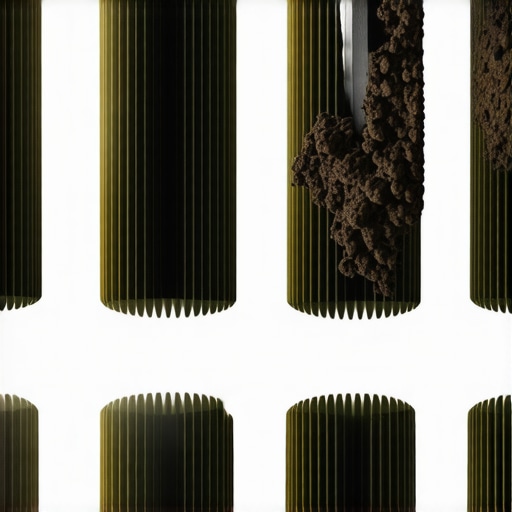
A common misconception among DIY mechanics is that if the fluid on the dipstick looks relatively clean, the transmission is healthy. However, the dipstick only provides a tiny snapshot of the fluid’s state and often fails to capture the heavy sludge that settles at the bottom of the pan or inside the valve body. Sophisticated fluid analysis involves more than just a visual check; it requires understanding the chemical depletion of the additive package. According to the Society of Tribologists and Lubrication Engineers (STLE), the Total Acid Number (TAN) of a lubricant increases sharply once antioxidants are exhausted. This rise in acidity leads to the chemical ‘etching’ of sensitive components, including the copper-based alloys found in bushings and thrust washers. If you are noticing a slight delay in engagement when shifting into reverse, it might not be the fluid color that warns you, but rather the microscopic loss of material within the hydraulic circuits. Implementing mechanic tips for diagnosing common auto problems can help you identify these subtle hydraulic variances before they manifest as a complete loss of drive.
Can Oxidized Fluid Permanently Damage the Torque Converter Lock-up Clutch?
The torque converter lock-up clutch is particularly vulnerable to the byproduct of fluid failure. This clutch is responsible for creating a 1:1 mechanical link between the engine and the transmission at cruising speeds to improve fuel economy. When transmission fluid burns, the friction modifiers that allow this clutch to engage smoothly are destroyed. This often results in ‘torque converter shudder,’ a sensation that feels like driving over rumble strips on the highway. If left unaddressed, the acidic nature of the burnt fluid will saturate the friction lining of the lock-up clutch, causing it to delaminate or glaze. Once the lining is glazed, no amount of fresh fluid can restore the original coefficient of friction. This is why addressing hard shifts when the engine is cold is critical; it is the early warning that your fluid’s shear stability is compromised, putting your torque converter at immediate risk of mechanical failure.
Look for Debris in the Pan to Predict Impending Doom
When you finally drop the transmission pan for a service, the sediment you find on the pan magnets provides a definitive history of the gearbox’s recent trauma. A small amount of fine, gray ‘clutch dust’ is normal, but the presence of large metallic flakes or black, gritty particles is a clear indicator that the burnt fluid has already begun to erode the internal hard parts. These particles travel through the hydraulic system, acting as an abrasive slurry that wears down the bore of the shift valves. Have you noticed any unusual metallic glitter in your fluid during your last oil change? We invite you to share your findings in the comments below, as tracking these physical symptoms is the key to mastering tune-up strategies to save money on auto repairs. Understanding the difference between normal wear and accelerated thermal damage allows for more precise diagnostic decisions.
When the chemical bond of a transmission lubricant fails, the repercussions extend far beyond the immediate hydraulic circuit. The fluid’s molecular architecture is designed to handle immense shear forces, but once the thermodynamic limit is breached, the resulting oxidation creates an acidic environment that aggressively attacks internal elastomers. These seals, O-rings, and gaskets rely on specific chemical additives to maintain their flexibility; without them, the materials undergo a process called compression set, where they harden and shrink. This leads to internal cross-leaks—a condition where hydraulic fluid bypasses its intended path, resulting in the characteristic ‘soft’ shifts or delayed engagements that signal a gearbox in terminal decline.
Hardened Seals and the Silent Death of Internal Pressure
As the transmission fluid loses its ability to lubricate, the resulting heat causes the internal rubber components to lose their ‘memory.’ When a seal hardens, it can no longer provide a tight interface against the rotating drums or stationary pistons. This loss of integrity directly translates to a drop in line pressure. If you are noticing that your vehicle requires higher RPMs just to begin moving, you are likely witnessing the effects of this internal pressure hemorrhage. Utilizing the 18 dollar accumulator spring fix for hard shifting into second can sometimes mask these symptoms, but they cannot restore a seal that has been heat-damaged by burnt fluid.

The Double-Edged Sword of Stop-Leak Additives
Many vehicle owners attempt to mitigate fluid loss or shifting issues by introducing aftermarket ‘stop-leak’ agents into a burnt system. While these chemicals work by temporarily swelling the seals to restore a measure of pressure, they are often a Faustian bargain. The solvents used to soften old seals can also degrade the friction material on the clutch plates, leading to premature delamination. Furthermore, the increased viscosity of these additives can interfere with the delicate calibration of the valve body. If you are struggling with drivetrain consistency, implementing mechanic tips for diagnosing common auto problems should prioritize a complete fluid analysis over the use of chemical ‘band-aids’ that may accelerate the need for a total rebuild.
Why Does Your Shifting Quality Deteriorate During Peak Summer Heat?
This phenomenon is usually the result of ‘shear thinning,’ where the Viscosity Index (VI) improvers in the fluid have been permanently sheared down by high heat and mechanical stress. According to technical insights from Machinery Lubrication, once these long-chain polymers are broken, the fluid’s ability to maintain its thickness at high temperatures is lost forever. This explains why a transmission might shift perfectly during a cold start but begin to ‘hunt’ for gears or slip once the ambient temperature rises. If you find your car struggling in traffic, investigating why your transmission shifts hard only when the engine is cold versus when it is hot can provide the diagnostic data needed to determine if the fluid’s additive package is fully exhausted.
Save Your Planetary Gears from the Gritty Sludge of Oxidation
Burnt fluid doesn’t just lose its lubricating properties; it becomes a vehicle for abrasive contamination. The oxidation process creates a fine carbon soot that remains suspended in the oil, turning the fluid into a ‘honing paste.’ As this gritty mixture is pumped through the planetary gear sets, it acts as an abrasive, physically wearing down the bushings and thrust washers. This accelerated wear increases the ‘end play’ or mechanical clearance between gears, which eventually manifests as a whining or humming noise during acceleration. To prevent this mechanical erosion, sticking to tune-up strategies to save money on auto repairs that include regular pan inspections is vital. Have you noticed a change in the acoustic profile of your gearbox lately? We invite you to share your observations in the comments below as we continue to explore the limits of hydraulic endurance.
Expert Insights & Advanced Considerations
Manufacturers Say Lifetime Fluid But Physics Disagrees
Many modern OEMs label transmission fluid as a “lifetime” fill, but this is a marketing designation for the warranty period, not the mechanical reality. High-shear environments and thermal spikes eventually compromise the additive package, necessitating proactive replacement. Using tune-up your car like a pro expert tips for optimal performance ensures you stay ahead of these chemical limits before they cause hardware failure.
#IMAGE_PLACEHOLDER_E#
Why Hydraulic Pressure Data Beats a Simple Visual Check
While color is a primary indicator, real diagnostics require monitoring line pressure under load. Burnt fluid loses the molecular stability required to maintain these pressures. If you want to dive deeper into system health, mechanic tips for diagnosing common auto problems should always include a real-time pressure scan during gear actuation to check for internal cross-leaks.
TCC Shudder Is the First Sign of Friction Modifier Depletion
The torque converter clutch is hypersensitive to fluid chemistry. When you feel a vibration at highway speeds, it’s often the friction modifiers in the fluid failing to manage the TCC engagement. Addressing this early with the 20 dollar fluid swap that can save a slipping transmission can prevent the permanent glazing of the internal clutch lining. In some cases, the 18 dollar ground wire fix that stops random transmission slips can also assist in stabilizing electronic signals that might be misinterpreted as fluid failure.
Curated Expert Resources
Lube Magazine: Provides technical deep dives into the chemistry of automotive lubricants and the specific performance of oxidation inhibitors in modern synthetic bases. Transmission Digest: An industry staple for professional rebuilders that covers specific solenoid failure patterns and the hydraulic impact of fluid varnish. Noria Corporation’s Machinery Lubrication: Essential for understanding the physics of shear thinning and why the total acid number (TAN) matters for drivetrain longevity. ATRA Technical Bulletins: Real-world bulletins from the Automatic Transmission Rebuilders Association detailing how fluid failure affects specific high-mileage platforms.
Don’t Let Heat Dictate the Life of Your Gearbox
Synthesizing the data, it becomes clear that preventing the degradation of transmission fluid is the single most effective way to avoid a five-figure repair bill. Whether it is through monitoring shifts or identifying the first signs of burning transmission fluid, proactive intervention remains the gold standard of vehicle care. Incorporating tune-up strategies to save money on auto repairs into your seasonal maintenance plan will safeguard your drivetrain against thermal runaway. If you have unique diagnostic results from your own gearbox or need a second opinion on a fluid analysis report, join our community discussion below or reach out through our contact page for specialized technical advice.