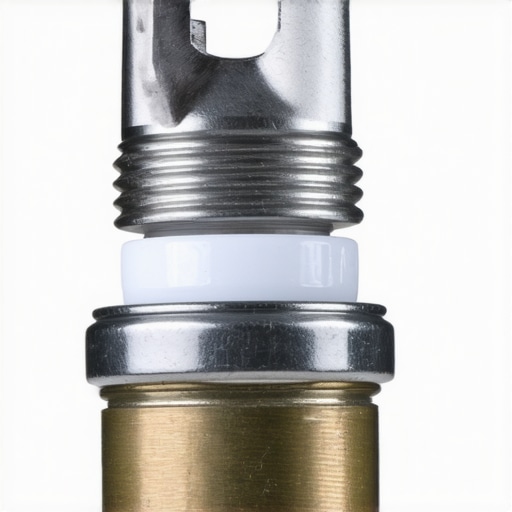
In the realm of high-performance internal combustion, the margin between peak efficiency and a sluggish, fuel-wasting engine often measures less than a millimeter. While many enthusiasts focus on forced induction or aggressive ECU remapping, the fundamental architecture of the ignition event remains the most critical variable in the combustion cycle. A common oversight in modern auto repair involves the humble spark plug—specifically, the assumption that ‘pre-gapped’ components from a box are ready for the unique thermal demands of your specific cylinder head. Neglecting this $8 component’s precision doesn’t just result in a minor loss of efficiency; it can lead to chronic misfires and increased wear on the entire ignition coil assembly.
Precision Over Convenience in Modern Combustion
Modern engines, particularly those utilizing gasoline direct injection (GDI) and high compression ratios, are incredibly sensitive to the ‘quench’ and flame kernel growth initiated by the spark. When a mechanic installs plugs without verifying the gap, they risk a scenario where the spark is either too weak to bridge the distance under high cylinder pressure or too short to effectively ignite the air-fuel mixture. This technical oversight often manifests as a ‘ghost’ stumble that eludes standard OBD-II scanners. Integrating essential tune-up tips to boost your car’s performance in 2025 requires a shift back to precision measurement over the ‘plug-and-play’ mentality that has permeated the DIY community.
How a Tiny Gap Error Triggers Catastrophic Power Loss
The physics of the ignition event are unforgiving. If the gap is too wide, the ignition coil must work harder to generate the voltage required to jump the air gap, which can eventually lead to premature coil failure—a much more expensive auto repair than a simple plug adjustment. Conversely, a gap that is too narrow results in a spark that lacks the surface area to start a robust flame front, causing incomplete combustion. This inefficiency is often why a vehicle still feels ‘off’ even after a fresh tune up. According to technical documentation from NGK Spark Plugs, even a 0.010-inch deviation from the manufacturer’s specification can drastically alter the timing of the pressure wave within the cylinder, effectively ‘killing’ the power the engine was designed to produce.
Why Do Pre-Gapped Parts Often Fail Field Inspections?
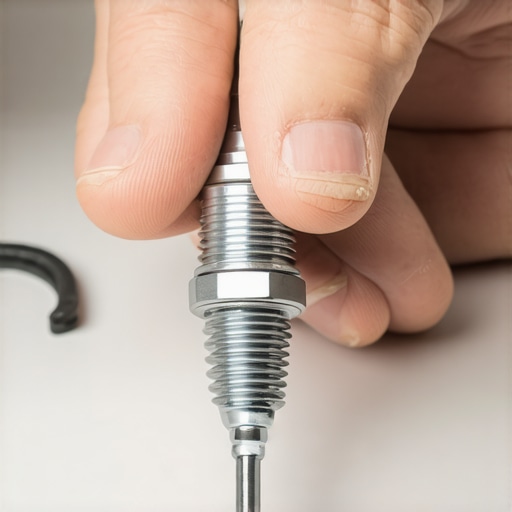
The term ‘pre-gapped’ is a marketing convenience rather than a mechanical guarantee. During shipping and handling, these delicate electrodes can easily be jarred, closing the gap or shifting the ground strap out of alignment. Relying on the factory setting without using a feeler gauge is a gamble that professional technicians avoid. Advanced mechanic tips for diagnosing common auto problems always emphasize verifying the basics before moving to complex sensor replacements. For those looking to optimize their vehicle further, implementing tune up strategies to save money on auto repairs begins with these granular checks. If you have noticed a persistent stumble during acceleration, it may be time to consult a specialist who understands the nuances of ignition physics; explore our guide on how to finding the right mechanic to ensure your vehicle receives the precision it deserves. While you are ensuring your engine runs smooth, do not forget that safety is multi-faceted; scheduling a regular brake service is just as vital as maintaining your ignition system for total vehicle longevity.
Stop Chasing Sensor Codes and Look at the Spark
The ripple effect of a sub-optimal spark extends far beyond the combustion chamber. When an engine suffers from incomplete combustion due to an incorrect electrode gap, unburnt fuel enters the exhaust stream, coating the sensitive elements of your oxygen sensors. Over time, this leads to ‘lazy’ sensor response times that confuse the engine control unit (ECU). Instead of immediately replacing expensive components, savvy owners should learn how to test your own o2 sensor using a 15 multimeter to see if the sensor is actually failing or simply reacting to poor ignition. This level of granular diagnostics prevents the common ‘parts cannon’ approach where owners replace sensors that were merely reporting the symptoms of a deeper mechanical issue.
Beyond the sensors, the ignition system’s health is directly tied to the stability of the vehicle’s electrical backbone. A fluctuating voltage can cause a weak spark even if your plugs are perfectly gapped. Experienced technicians often utilize the 10 multimeter hack for diagnosing a dying battery before it strands you to ensure the ignition coils are receiving a steady 12.6 to 14.4 volts. Without this electrical consistency, the most expensive iridium plugs on the market will fail to perform their primary function effectively.
How Weak Ignition Kills Your Fuel Economy
When the ignition event is delayed or weak, the ECU compensates by adjusting the long-term fuel trims, often dumping more fuel into the cylinders to maintain idle stability. This ‘rich’ condition doesn’t just empty your wallet at the pump; it washes oil from the cylinder walls, increasing friction and heat. Many drivers find they can how to recover your mpg with a simple 12 sensor cleaning, but this is often a temporary fix if the underlying spark issue remains unaddressed. Professional standards from the National Institute for Automotive Service Excellence (ASE) emphasize that a holistic view of the engine’s ‘breathing’ and ‘firing’ cycles is the only way to maintain factory-spec efficiency over hundreds of thousands of miles.
Could Your Ignition Troubles Actually Be a Hidden Vacuum Leak?
Sometimes, the symptoms of a bad spark—such as a rough idle or hesitation—are actually caused by an imbalance in the air-fuel ratio from an external source. A tiny crack in a plastic intake plenum can lean out the mixture so much that even a perfect spark cannot achieve combustion. Before you tear into the cylinder head, it is worth trying how to find an intake leak using a 5 bottle of soapy water. Identifying these air leaks early can save you from unnecessary ignition system overhauls. If you have ever spent hours troubleshooting a misfire that wouldn’t go away, share your story in the comments below—your experience might help another driver solve their ‘unsolvable’ engine ghost.
Don’t Let One Bad Component Lead to a Chain Reaction
Neglecting the finer points of a tune-up often leads to high-speed symptoms that can be genuinely frightening. For instance, why your check engine light blinks only at highway speeds is usually a sign of a high-load misfire that is actively damaging your catalytic converter. This level of stress on the engine is why precision maintenance must also extend to the vehicle’s safety systems. While an engine that won’t start is a nuisance, brakes that won’t stop are a catastrophe. Integrating brake maintenance hacks to prevent costly failures into your routine ensures that as you increase your engine’s efficiency and power, your stopping ability remains equally sharp. High-performance driving requires a vehicle that is balanced in its ability to both generate and dissipate energy.
When Heat Ranges Clash with High-Compression Reality
Selecting a spark plug based on a basic fitment guide is often the first misstep in high-performance tuning. Heat range isn’t about the temperature of the spark itself, but rather the plug’s ability to dissipate heat from the combustion chamber into the cooling system. In high-compression or turbocharged applications, a plug that stays too hot can become a glowing ember, triggering pre-ignition—a silent killer of ring lands and head gaskets. Conversely, a plug that is too cold will fail to reach the self-cleaning temperature of approximately 450°C, leading to carbon fouling that eventually kills the spark. According to technical bulletins from Denso Global, matching the thermal capacity to the specific duty cycle of the engine is as vital as the fuel octane itself. This thermal balance is why a professional mechanic often opts for a ‘colder’ plug in modified vehicles to ensure the ceramic insulator doesn’t crack under the pressure of increased cylinder temperatures.
Does Indexing Spark Plugs Actually Move the Needle on a Street Engine?
For those chasing the final two percent of efficiency, indexing—the practice of orienting the spark plug so the open gap faces the intake valves—remains a debated yet scientifically grounded technique. By ensuring the flame kernel isn’t ‘shrouded’ by the ground strap, you facilitate a more rapid and uniform pressure rise during the power stroke. While a standard daily driver won’t feel the difference, high-RPM stability often improves, reducing the standard deviation of peak pressure across all cylinders. This level of granularity is what separates a basic tune up from a professional blueprinting process. If you are already deep into an auto repair project, taking the extra ten minutes to use copper indexing washers can provide that extra edge in combustion stability, preventing the subtle misfires that occur when the intake charge is forced around a poorly positioned ground electrode.
Stop Guessing and Start Reading Secondary Ignition Waveforms
The true story of what happens inside your combustion chamber isn’t told by a scan tool; it’s told by a secondary ignition waveform. By using an oscilloscope to monitor the voltage spike and the subsequent ‘burn time,’ you can diagnose issues that a computer simply cannot see. A short burn time with a high voltage spike often points to excessive resistance—perhaps a cracked ceramic insulator or a wide gap—while a ‘lazy’ oscillation after the spark ends suggests a failing coil winding. Mastering this visual diagnostic tool is a hallmark of elite engine care. It allows you to see the ‘spark line,’ which represents the actual duration the air-fuel mixture is being ionized and ignited. 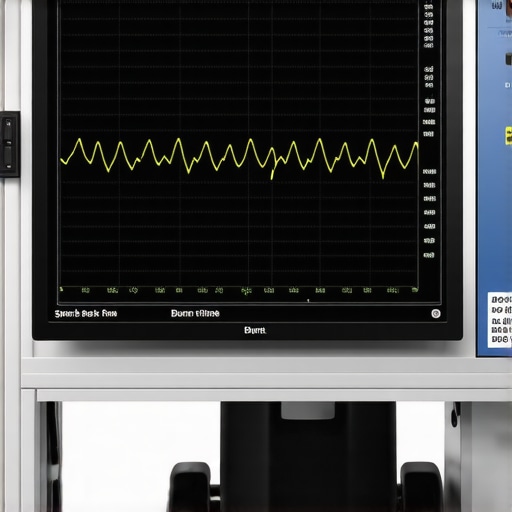
Understanding these waveforms requires a shift in perspective. You aren’t just looking for a spark; you’re looking for the *quality* of that energy transfer. If your ‘burn time’ is consistently under 1.2 milliseconds, your engine is likely leaving power on the table and increasing the thermal load on your catalytic converter. This electrical pressure is also why your battery health is so critical; if you haven’t checked your standing voltage lately, you might find that your ignition woes are actually a symptom of a weak charging system. If you’ve ever struggled to find a misfire that only happens under load, share your experience below—diagnostic hurdles like these are where the real learning happens. This nuanced approach to electrical health is just as essential as maintaining your physical components, such as your brake service intervals, to ensure every system on the vehicle is operating in harmony. When the secondary ignition system starts to bleed voltage through micro-cracks in the coil-on-plug housing, the resulting electromagnetic interference can even disrupt the signals of nearby sensors, leading to a cascade of phantom trouble codes that keep most DIYers chasing their tails for weeks as they replace perfectly good parts while ignoring the invisible leak of energy that prevents a clean combustion event from ever taking place.
Why High-Voltage Arcing Inside the Coil Boots Ruins Your Day
Even if your spark plug gaps are set to the thousandth of an inch, the integrity of the secondary ignition circuit depends entirely on the dielectric strength of its insulation. In modern coil-on-plug (COP) systems, the rubber boot is the only thing preventing 30,000 volts from seeking a path of least resistance to the cylinder head wall rather than the spark plug tip. Over time, heat cycles and oil contamination degrade these silicone components, leading to ‘carbon tracking.’ These microscopic burnt paths act as a semi-conductive bridge, allowing the spark to ‘leak’ under high-load conditions. A seasoned mechanic knows that these leaks are often invisible to the naked eye but become painfully obvious when the engine is under load, such as climbing a hill in a high gear. This is why a comprehensive auto repair strategy must include a physical inspection of the boots for any discoloration or ‘lightning bolt’ patterns that signify energy loss.

The complexity of these failures often necessitates a deeper look at the chemistry of the spark plug well itself. If your valve cover gasket is leaking oil into the plug tubes, that oil acts as a solvent for the boot’s insulation, effectively ‘shorting’ the system from the outside in. Simply replacing the plugs during a tune up without addressing the oil leak is a recipe for a recurring misfire. High-level diagnostic research from SAE International highlights that combustion stability is directly correlated to the consistency of the discharge energy, and even a 5% loss in voltage due to poor insulation can increase cyclic variation (COV) to the point of perceptible roughness and increased emissions.
Can Ionic Current Sensing Detect Pre-Ignition Before Your Knock Sensor Reacts?
Advanced engine management systems have moved beyond simple acoustic knock sensors to ‘ionic current sensing.’ This technology uses the spark plug itself as a sensor after the ignition event. By applying a small bias voltage across the gap after the spark, the ECU measures the conductivity of the gasses in the chamber. Because ionized gases conduct electricity differently during a healthy burn versus a detonation event, the system can detect pre-ignition in real-time, cylinder by cylinder. This is why using the correct OEM-spec plug is vital; a generic ‘equivalent’ may not have the chemical properties required for the ionic sensing circuit to function, leading to a permanent ‘safe mode’ map that kills your power. If you are noticing a lack of top-end punch, it might be time for a specialized tune up that respects these high-tech requirements.
Mastering the Invisible Stress of Dielectric Breakdown
As ignition systems push for higher voltages to ignite leaner mixtures, the stress on the entire electrical backbone increases. We are no longer dealing with simple ‘on/off’ switches; we are managing high-frequency plasma events. When the dielectric barrier fails, it often triggers electromagnetic interference (EMI) that can ‘trash’ the signals on the CAN-bus, leading to bizarre dashboard warnings for systems like traction control or even your brake service indicators. This cross-talk is a common reason why DIYers get frustrated—the code says ‘Wheel Speed Sensor,’ but the reality is a leaking ignition coil boot three feet away. Ensuring your engine runs with clinical precision is the only way to avoid these expensive electronic ghosts. Have you ever replaced a sensor only to find the problem was a simple rubber boot? Tell us your most frustrating diagnostic ‘ghost’ story in the comments—your insight might save a fellow driver hundreds of dollars in unnecessary parts.
Expert Insights & Advanced Considerations
Don’t Smother the Spark with Dielectric Grease
A common mistake during a high-level tune up is the over-application of dielectric grease. While it is essential for preventing the boot from seizing to the ceramic, getting it on the actual metal terminals creates a resistive barrier that mimics a failing coil. Precision requires a light film only on the inner diameter of the rubber boot to ensure the electrical path remains uncompromised. If you suspect energy loss, learning how to tell if your ignition coil is failing without a scanner can help you isolate if the issue is chemical contamination or mechanical failure.
Voltage Requirements Skyrocket Under High Cylinder Pressure
As you increase load, the density of the air-fuel mixture between the electrodes increases, raising the resistance. An ignition system that performs flawlessly at idle may fail completely at wide-open throttle if the gap is even 0.005 inches too wide. This is why verifying the gap is the most cost-effective auto repair you can perform. To ensure you aren’t chasing a ghost, combine this check with a 14 fuel rail pressure test that rescues a failing tune up to confirm the fuel delivery is matching the spark intensity.
Secondary Ignition Waveforms Never Lie
For the elite technician, the oscilloscope is the final word. A healthy ‘spark line’ should be flat and long; a downward slope indicates fouled plugs or high resistance. If you are serious about vehicle health, you should treat the ignition system with the same scrutiny as your safety systems. Implementing brake service secrets how to boost safety and longevity alongside ignition diagnostics ensures that your car is as capable of stopping as it is of accelerating with clinical efficiency.
Curated Expert Resources
SAE International Technical Papers: The gold standard for peer-reviewed research on combustion stability and the physics of spark-ignited engines. Ideal for those who want to understand the ‘why’ behind heat range selection.
NGK Technical Support Portal: Offers granular data on electrode metallurgy, including the specific benefits of ruthenium over iridium in high-heat GDI applications.
Pico Technology Waveform Library: An invaluable database of ‘known good’ ignition waveforms that allow you to compare your vehicle’s performance against factory-perfect standards.
Final Expert Perspective
Mastering the intricacies of the ignition event is what separates a parts-changer from a true specialist. In the modern landscape of auto repair, precision isn’t a luxury; it is the baseline for survival. By moving beyond the ‘plug and play’ mentality and embracing granular measurements, you protect your engine from the slow-motion destruction of sub-clinical misfires. For more professional guidance, explore these auto repair cost saving tips from industry experts to keep your maintenance budget focused on what actually moves the needle. Do you have a specific diagnostic trick that solved a mystery misfire? Join the conversation below and share your professional insights with the community. #IMAGE_PLACEHOLDER_E#