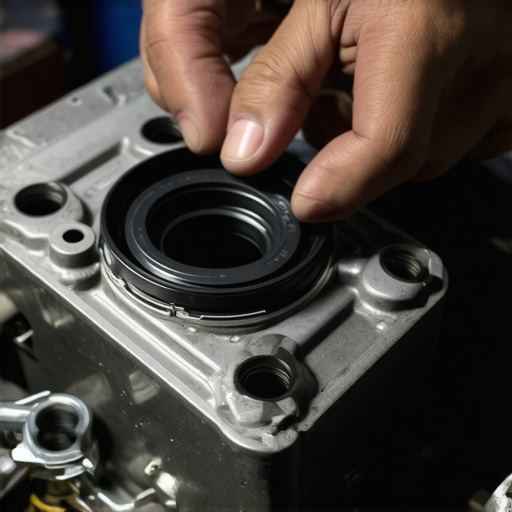
Why That Burning Oil Smell Keeps Coming Back
Experienced technicians recognize a specific, acrid scent that signals an oil-to-exhaust manifold interface. While a novice might fear a catastrophic engine failure, the seasoned expert often looks first at the highest point of the engine: the valve cover. Persistent leaks in this area are rarely the result of a single event but rather the cumulative effect of thousands of thermal cycles. As the engine reaches operating temperature and subsequently cools, the rubberized materials in your gaskets undergo significant stress, eventually losing their elasticity and becoming petrified. This loss of pliability is the primary driver of most top-end leaks.
This degradation creates a path of least resistance for pressurized oil. If left unaddressed, the oil does not just create an odor; it can saturate the ignition system. Many instances requiring a comprehensive tune up are actually necessitated by oil seeping into the spark plug wells, which compromises the electrical connection and leads to intermittent misfires. This is why mechanic tips diagnosing common auto problems always emphasize identifying the root cause of carbon tracking rather than just replacing parts prematurely.
The High Price of Ignoring Low-Cost Seals
In the hierarchy of auto repair, the valve cover gasket represents one of the highest returns on investment. A component costing as little as twelve dollars can prevent the premature failure of oxygen sensors and catalytic converters, which are frequently poisoned by the thick smoke of burning oil. When we discuss the 12 valve cover gasket trick to stop burning oil smells, we are not simply suggesting a quick fix; we are discussing the restoration of the engine’s critical sealed environment.
According to research published by the Society of Automotive Engineers (SAE), modern gasket materials like Fluoroelastomer (FKM) provide superior resistance to the aggressive chemical additives found in synthetic oils compared to older nitrile formulations. However, even the most advanced material fails if the mating surfaces are not prepared with surgical precision. Professional-grade repair involves ensuring that the cylinder head surface is completely free of old RTV silicone and carbon deposits. For those looking to optimize their vehicle performance, following the ultimate tune-up checklist should always include a torque-sequence check on the valve cover bolts to prevent uneven pressure distribution and future warping.
Can a Simple Gasket Swap Really Save an Entire Engine Cycle?
Technicians often debate whether a minor leak warrants immediate intervention. The answer lies in the concept of crankcase pressure management. A leaking gasket is often a secondary symptom of a larger issue, such as a failing ventilation system. For instance, how a clogged PCV valve can blow out your rear main seal illustrates how internal pressure relentlessly finds the weakest point. By replacing the gasket and cleaning the PCV system simultaneously, you reset the engine’s internal atmospheric balance, potentially extending the life of cam seals and the oil pan gasket.
If you have noticed a persistent drip or a faint haze of smoke after a long drive, do not wait for a dashboard warning light to dictate your maintenance schedule. Start by performing a visual inspection and consider if it is time for a professional brake service or a full diagnostic scan to ensure your vehicle’s mechanical integrity. Have you encountered an oil leak that seemed impossible to find? Share your diagnostic journey with our community of experts below.
Precision Diagnostics Save Your Sensors
Precision diagnostics separate the parts-changers from the true technicians. When oil bypasses a degraded valve cover, it often settles in the spark plug wells, creating a dielectric barrier that disrupts the ignition sequence. This leads to what many pros call ‘the invisible misfire.’ In these scenarios, the 12 spark plug boot error that causes mystery misfires becomes a critical diagnostic checkpoint. The oil degrades the rubber boot, allowing the high-voltage spark to arc to the cylinder head rather than the plug. This is why a simple gasket leak can quickly escalate into a stumbling engine that feels like a major fuel system failure. 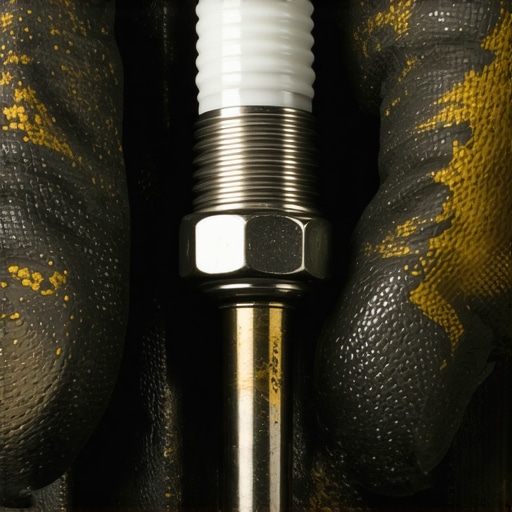
According to the National Institute for Automotive Service Excellence (ASE), accurate engine diagnosis requires a systemic approach that accounts for the interaction between mechanical seals and electronic management systems. For instance, an oil-soaked O2 sensor can provide false lean readings, causing the ECU to dump excess fuel into the cylinders. You can verify this yourself by learning how to test your own o2 sensor using a 15 multimeter, which prevents the ‘shotgunning’ of expensive parts at a problem that started with a simple three-dollar O-ring.
Stop the Cycle of Recurring Gasket Failure
Beyond the engine block, fluid leaks and pressure imbalances can create ‘ghost’ symptoms in the drivetrain. A common oversight occurs when a leaking valve cover allows oil to coat a primary ground strap or electrical connector. This contamination increases resistance, leading to erratic sensor signals. It is not uncommon for a vehicle to suffer from the hidden ground bolt that causes transmission false neutrals simply because a minor oil leak has compromised the electrical path. Addressing the leak is the first step, but restoring the ground integrity is what actually fixes the drivability. Achieving a permanent seal also requires an understanding of thermal expansion coefficients; if the mating surface is even slightly warped—often by as little as 0.004 inches—the new gasket will fail within months. If you find your vehicle is consistently losing fluid despite new seals, you might be facing the hidden reason your brake fluid keeps disappearing or a similar systemic pressure issue that needs more than a surface-level fix.
Why Is My Engine Pushing Oil Out of the Dipstick Tube?
This is the ‘litmus test’ for internal engine health. While a valve cover gasket prevents oil from escaping the top, high internal pressure—often called blow-by—indicates that combustion gases are escaping past the piston rings. When these gases cannot escape through the PCV system, they force oil out of every available orifice. Utilizing the 20 test kit that stops head gasket panic allows you to differentiate between a simple seal failure and a pressurized combustion leak into the cooling or oiling systems. If the pressure is simply a result of a clogged breather, the 14 pcv valve fix that stops engine oil consumption offers a straightforward remedy that avoids a multi-thousand-dollar engine rebuild. If you’ve ever felt overwhelmed by a diagnostic code that led nowhere, leave a comment with the specific error—our team loves a good mechanical puzzle.
Stop Over-Tightening Your Engine Bolts
One of the most frequent errors encountered in the service bay isn’t a lack of effort, but an excess of it. When a technician or DIY enthusiast encounters a weeping seal, the instinctual response is to tighten the fasteners further. However, modern valve covers, particularly those manufactured from glass-filled nylon or composite plastics, are engineered for a specific ‘crush’ profile. Exceeding the recommended torque specification—often measured in inch-pounds rather than foot-pounds—distorts the perimeter of the cover, creating high-pressure points and low-pressure gaps. This mechanical distortion is a primary reason why a brand-new gasket might fail within a week. Precision requires a calibrated torque wrench and a strict adherence to the manufacturer’s sequence, usually starting from the center and spiraling outward to ensure the load is distributed with absolute uniformity across the cylinder head mating surface.
Why Modern Synthetic Oils Expose Old Weaknesses
A common phenomenon reported by vehicle owners is the sudden appearance of leaks immediately following a switch from conventional to high-quality synthetic oil. This has led to the persistent myth that synthetic oil ‘eats’ gaskets. The reality is far more nuanced. Synthetic molecules are more uniform and smaller than those found in mineral oil, allowing them to flow more efficiently through microscopic pathways. More importantly, the robust detergent packages in modern synthetics are designed to dissolve varnish and carbon deposits. In many high-mileage engines, these deposits are the only thing preventing oil from seeping through petrified seals. According to standards set by ASTM International, specifically regarding the ASTM D1418 classification for rubber materials, older nitrile (NBR) seals lack the chemical resilience found in modern Viton or FKM formulations, making them prone to shrinking once the protective layer of ‘sludge’ is removed.
Does switching to a high-mileage oil actually stop existing leaks?
High-mileage oil formulations contain specific seal conditioners—chemical additives known as ‘swellers’—designed to restore some level of elasticity to aging elastomers. While these can be effective for minor weeping or dampness, they are not a permanent cure for a gasket that has undergone significant thermal set. If the material has reached its glass transition temperature and become brittle, no amount of chemical additive can restore its structural integrity. In these instances, relying on additives is merely a stalling tactic. True mechanical restoration involves replacing the component and inspecting the PCV (Positive Crankcase Ventilation) system to ensure internal pressures aren’t counteracting the new seal. This systemic approach is why mechanic tips diagnosing common auto problems emphasize treating the engine as a holistic pressure vessel rather than a collection of independent parts.
The Critical Clean: Preparing the Mating Surface
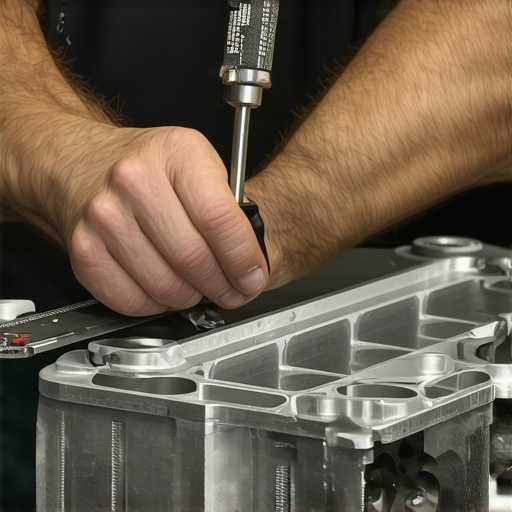
Even the highest-grade Fluoroelastomer gasket will fail if it is seated on a contaminated surface. Professional technicians spend more time on surface preparation than on the actual installation. Using aggressive metal scrapers on aluminum cylinder heads is a recipe for disaster, as even a microscopic scratch can provide a leak path for pressurized oil. Instead, utilize plastic scrapers and chemical solvents specifically designed to dissolve old RTV (Room Temperature Vulcanizing) silicone. If you are dealing with a complex joint where the timing cover meets the cylinder head, a small dab of specialized sealant at the ‘T-joint’ is essential. This is a nuance often missed in basic manuals but highlighted in the essential guide to auto repair. Ensuring a chemically clean surface allows the gasket to bond and expand naturally with the thermal cycles of the engine. What is your preferred method for removing stubborn RTV without marring the aluminum surface? Join the discussion in our technician forum below.
Is a Warped Valve Cover Always Beyond Saving?
When dealing with older cast-aluminum covers, warping is a common result of decades of heat soak. Before condemning the part, technicians often use a precision straightedge and feeler gauges to measure the deviation from flat. If the warp is within a specific tolerance—usually less than 0.005 inches—it may be salvaged through careful surfacing. However, for modern plastic covers, any sign of bowing or ‘oil canning’ necessitates immediate replacement. Attempting to compensate for a warped plastic cover with extra sealant is a temporary fix that often leads to internal oil contamination, as excess silicone can break off and clog oil pickup screens. This highlights the importance of the ultimate tune-up checklist which prioritizes physical inspection over simple part replacement. As we look deeper into the dynamics of the top-end oiling system, we must also consider how external factors, such as ambient temperature and driving habits, influence the rate of elastomer degradation…
Why Oil Flooding Kills Your Ignition Coils
When a valve cover gasket fails internally, it allows pressurized oil to fill the spark plug tubes—a phenomenon often invisible until the engine begins to stumble under load. This saturation doesn’t just create a mess; it initiates a process known as carbon tracking. As oil penetrates the spark plug boot, it lowers the dielectric strength of the rubber, allowing the high-voltage pulse from the coil to find a shorter path to the cylinder head. This is why many technicians suggest that the 12 spark plug boot error that causes mystery misfires is often the first sign of a top-end seal failure. If you ignore the oil in the wells, you are not just risking a misfire; you are risking the expensive ignition coils themselves, which can fail prematurely due to the increased resistance and heat generated by the diverted spark.
Does Thicker Oil Really Plug a Gasket Leak?
A common ‘old-school’ remedy involves switching to a higher-viscosity oil, such as 10W-40 in an engine designed for 5W-20, in hopes of slowing a seep. While the increased surface tension of thicker oil might temporarily reduce the rate of a drip, it often introduces new mechanical risks. Modern engines rely on extremely tight tolerances for variable valve timing (VVT) solenoids and cam phasers. Thickening the oil can delay the activation of these components, leading to sluggish performance and ‘check engine’ lights. Instead of masking the symptom with viscometrics, the only professional solution is to restore the mechanical seal. According to technical documentation from Machinery Lubrication, the use of additives to swell seals can also lead to the over-softening of other, healthy elastomers within the engine, potentially creating new leaks where none existed before.
Master Your Diagnosis With a Crankcase Manometer
True diagnostic experts don’t just look for where the oil is coming out; they ask why it’s being pushed out. One of the most underutilized tools in the mechanic tips diagnosing common auto problems arsenal is the digital manometer. By connecting this tool to the dipstick tube or oil fill cap, you can measure the actual pressure or vacuum inside the crankcase while the engine is running. A healthy engine should maintain a slight vacuum. If the manometer shows positive pressure (measured in inches of water), you have confirmed that either the PCV system is blocked or the piston rings are allowing too much blow-by. 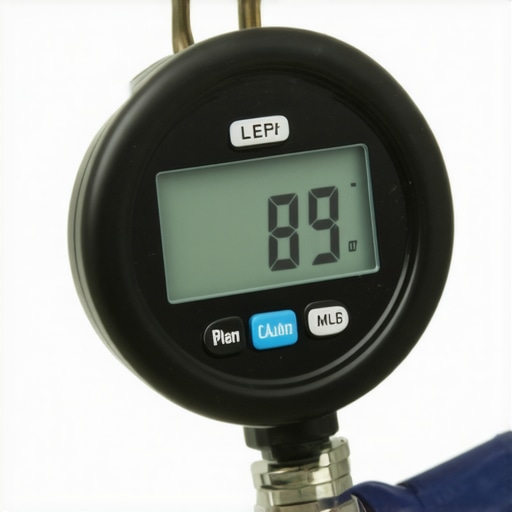 This data-driven approach prevents you from simply replacing a gasket only to have the internal pressure blow out the new seal within a week. Ensuring your engine ‘breathes’ correctly is a fundamental step in any comprehensive tune up.
Protect Your Timing Components From Oil Starvation
The valve cover does more than just keep oil in; it directs the flow of oil back to the pan while maintaining a specific thermal environment for the camshafts. When leaks occur, they can disrupt the splash lubrication required for timing chains and tensioners. In some overhead cam engines, a persistent leak near the front of the engine can actually lead to the accumulation of grit and road debris near the timing seals, accelerating wear on the chain guides. This is a critical reason why maintaining the integrity of the top-end seals is vital for long-term engine longevity. Have you ever used a manometer to find a ‘hidden’ PCV issue, or do you rely on the old ‘oil cap dance’ to check for pressure? Let us know your preferred diagnostic methods in the comments below!
Go Beyond the Surface with Advanced Seal Strategy
Stop Treating Composite Covers Like Cast Iron
Modern engine design has shifted from heavy cast-aluminum to glass-filled nylon and composite materials. These covers are engineered with integrated compression limiters that dictate the exact ‘crush’ of the gasket. When you attempt to overtighten a weeping seal, you aren’t actually increasing pressure on the gasket; you are simply stressing the plastic housing. This mechanical oversight often leads to hair-line fractures that are invisible to the naked eye but expand under thermal load, ensuring the leak returns. Adhering to the ultimate tune-up checklist means respecting these torque limits to maintain structural integrity.
The Ghost Ground Effect Caused by Oil Saturation
Oil is a powerful insulator, and when a leak is allowed to persist, it often migrates toward the engine’s electrical grounding points. This contamination increases electrical resistance, which can trigger a cascade of ‘ghost’ codes in the ECU. Many technicians have spent hours chasing the hidden ground bolt that causes transmission false neutrals only to realize the root cause was a slow oil seep from the valve cover. Addressing the seal is only half the battle; the second half is chemically cleaning every electrical contact point within the splash zone.
Why High Mileage Oil Cannot Re-Engineer Petrified Rubber
While seal-swelling additives in high-mileage oils can provide temporary relief for minor weeping, they cannot restore a gasket that has reached its ‘glass transition temperature.’ Once a gasket becomes petrified and brittle from thousands of heat cycles, its molecular structure is permanently altered. Relying on additives in this state is a stalling tactic that often leads to more significant issues, such as how a clogged PCV valve can blow out your rear main seal due to localized pressure spikes. Professional restoration requires physical replacement, not chemical hope.
Where the Pros Go for Technical Data
Deepening your mechanical expertise requires moving beyond basic forums and into the realm of standardized technical documentation. For those serious about vehicle longevity, we recommend these authoritative resources:
SAE International (Society of Automotive Engineers): This is the gold standard for understanding the material science of elastomers like Viton and FKM. Their technical papers explain why certain synthetic oils react with older gasket formulations.
ASE (National Institute for Automotive Service Excellence): Their study guides provide the systemic diagnostic frameworks used in mechanic tips diagnosing common auto problems, moving you from a ‘parts changer’ to a diagnostic expert.
ASTM International: Specifically, look for the ASTM D1418 classification. This resource is essential for identifying which rubber materials are compatible with modern aggressive chemical detergents found in high-end synthetic lubricants.
Final Expert Perspective on Engine Integrity
Success in the service bay is rarely about the complexity of the tool, but the precision of the process. Effectively executing the 12 valve cover gasket trick to stop burning oil smells is about more than just swapping a rubber ring; it is about restoring the engine’s internal atmospheric balance. By combining high-grade Fluoroelastomer seals with a perfectly cleaned mating surface and a functional PCV system, you protect sensitive components like O2 sensors and ignition coils from premature failure. This holistic approach is the foundation of tune-up strategies to save money on auto repairs over the life of your vehicle. We invite you to share your most challenging leak diagnosis or ask about specific torque sequences in the comments—our community of master technicians is ready to help you solve the puzzle.