In the high-precision world of modern automotive engineering, the difference between a reliable daily driver and a vehicle plagued by persistent leaks often comes down to a few millimeters of elastomer. While vehicle owners frequently prepare for the high costs of a major auto repair, such as a head gasket replacement or a crankshaft seal overhaul, the true culprit is often far more humble. Professional technicians regularly encounter ‘mystery leaks’ that appear to originate from major structural components but are actually the result of failed O-rings in oil cooler adapters or filter housings. These small, circular gaskets are subjected to extreme thermal gradients and chemical degradation, eventually losing their elasticity and allowing pressurized oil to bypass the seal. Understanding the physics of seal failure—specifically the concept of ‘compression set’ in polymers—is essential for any vehicle owner looking to maintain their car with the precision of a master technician.
Stop Tearing Down Engines for Simple Seal Failures
Veteran technicians often observe a phenomenon where mystery leaks are attributed to catastrophic failures like a blown rear main seal or a cracked engine block. However, the reality of mechanic-led diagnostics frequently points toward these overlooked elastomeric components. The $8 O-ring, often found in oil cooler assemblies or filter housing adapters, is a prime example of a low-cost part with high-stakes consequences. When these seals harden due to relentless thermal cycling, they lose their ability to maintain a positive seal against the engine block, resulting in a steady drip that mimics much more expensive repairs. In many turbocharged engines, the oil cooler is a critical heat exchanger that relies on these small rings to separate oil from coolant. A failure here doesn’t just cause a mess; it risks cross-contamination that can lead to a ‘milkshake’ consistency in your lubricants, requiring an immediate tune up of the entire system to prevent bearing failure.
Could Your Oil Filter Housing Gasket Be Mimicking a Rear Main Seal Leak?
One of the most complex inquiries in professional forums involves the ‘gravity-fed misdiagnosis.’ Because oil naturally travels downward and backward along the engine’s casting marks and windage trays, a leak at the top of the ‘V’ or near the filter housing eventually pools at the lowest point, which is typically the transmission bellhousing. This often leads inexperienced DIYers or rushed shops to recommend a full auto repair involving transmission removal to reach a presumed rear main seal. Before committing to such labor-intensive procedures, an expert would suggest a UV dye test to trace the fluid path back to its source, which is frequently a simple, degraded rubber ring. Organizations like the Society of Automotive Engineers (SAE) emphasize the importance of material compatibility in seal design to prevent early degradation from synthetic additives and high-detergent oils. Using the wrong material for an $8 part can lead to a failure in as little as 10,000 miles.
Viton vs. Nitrile: Why Material Science Matters for Your Engine
Not all rubber is created equal, and the longevity of your repair depends entirely on the chemical composition of the replacement O-ring. High-performance O-rings are typically made of Viton (FKM), which offers superior resistance to heat and aggressive engine oils compared to standard Nitrile (Buna-N). If you are performing a tune up or refreshing your cooling system, checking these auxiliary seals is a proactive step that prevents future headaches. A skilled mechanic understands that these small components are the first line of defense against oil starvation and environmental contamination. While a standard O-ring might cost $2 and a Viton version $8, the extra investment is negligible compared to the labor required to access these parts twice. If you’ve noticed persistent spots on your driveway despite recent maintenance, it’s time to dig deeper. Have you ever encountered a ‘ghost leak’ that vanished after a simple seal swap? Share your technical experiences in our community forums or read our guide on stopping persistent valve cover leaks.
The mechanics of internal pressure regulation are often more delicate than the heavy-duty pump itself. In many modern overhead cam engines, the variable valve timing system relies on a sequence of internal seals and solenoids to phase the camshafts correctly based on load and RPM. When the $5 O-ring that stops your engine from lunging fails, it allows pressurized oil to bleed back into the oil pan before it ever reaches the actuator. This doesn’t result in a visible leak on your driveway, but it does cause erratic idling and hunting as the computer struggles to maintain timing synchronization. This is a classic example of why a professional diagnostic approach should always start with the cheapest, most accessible elastomeric components rather than immediately assuming a catastrophic component failure like a worn camshaft or a failing oil pump.
Stop Blaming the Pump for Low Oil Pressure Symptoms
Beyond external leaks, the integrity of the cooling system often hinges on internal seals that separate two distinct fluid worlds. If you find that your engine oil looks like a milkshake, the immediate panic usually centers on a cracked cylinder head or a blown head gasket. However, in vehicles equipped with oil-to-water heat exchangers, a simple internal O-ring failure within the housing is the most common point of cross-contamination. Before you invest in a test kit that stops head gasket panic, inspect the oil cooler adapter for flattened or squared-off seals. According to technical standards established by ASTM International (ASTM D1414), the physical properties of these elastomers are tested under extreme simulated engine conditions to determine their dwell time—the duration they can maintain a seal before permanent deformation occurs. When a seal exceeds this time, it essentially becomes a hard plastic washer, incapable of handling the pressure differential between the oil and coolant passages.
Why does your engine lose vital pressure exactly when it reaches operating temperature?
This phenomenon is rooted in the physics of thermal expansion and fluid viscosity. As an engine reaches its target temperature, the aluminum housings expand, slightly altering the crush or compression on the O-ring. If the ring has lost its elasticity due to age, it can no longer fill the widening gap created by the expanding metal. Simultaneously, the oil thins out as it heats up, finding even the microscopic paths created by a degraded seal. This is why you might see an oil pressure light flicker only after a long highway drive. If you are experiencing these symptoms, you are likely dealing with an internal bypass rather than a mechanical pump failure. To ensure your vehicle stays on the road, consider checking our guide on why engine temperatures spike at idle, which often shares the same root causes as sealing failures.
Stop the Bleed Before the Bearings Fail
Replacing a seal is only half the battle; the preparation of the mating surface determines the longevity of the fix. Using abrasive pads on aluminum surfaces can create low spots that even a fresh O-ring cannot fill, leading to a ghost leak that reappears weeks later. A skilled mechanic will use chemical gasket removers and plastic scrapers to ensure the surface is clean without removing actual metal. This level of detail is what separates a permanent fix from a temporary patch. If you’ve been smelling burnt oil but can’t find a puddle, you might need to apply the $12 valve cover gasket trick to stop those persistent odors. What’s the most frustrating hidden leak you’ve ever had to hunt down? Share your diagnostic success stories in the comments below or suggest a topic for our next deep dive into automotive troubleshooting.
While the physical condition of the seal is paramount, it is often a victim of its environment rather than its own structural integrity. High internal pressure within the crankcase acts as a relentless hydraulic ram, seeking the weakest point in the engine’s perimeter. This is where the Positive Crankcase Ventilation (PCV) system becomes the silent assassin of fresh seals. When a PCV valve clogs or the breather passages become restricted by sludge, the blow-by gases from the combustion chamber have nowhere to escape. This builds a positive pressure profile that exceeds the design limits of even the most robust auto repair solution. A technician who replaces a valve cover gasket without verifying the health of the PCV system is essentially setting a timer for a repeat failure. In high-mileage engines, this pressure can be so intense that it actually ‘balloons’ the oil pan gasket or flips the lip of a crankshaft seal, leading to catastrophic oil loss in seconds.
Don’t Crush the Composite: The Art of Torqueing Modern Housings
Many vehicle owners and novice mechanics approach plastic and composite oil housings with the same heavy hand they use on cast iron. This is a critical mistake in modern mechanic-led diagnostics and repair. Modern housings, often made from glass-reinforced polymers, are designed to flex under specific thermal loads, but they have a very low tolerance for over-torqueing. When you exceed the factory specification—often as low as 18 to 25 Newton-meters—you don’t just compress the seal; you warp the housing itself. This creates a non-concentric mating surface where the O-ring is squeezed too tightly in one area and barely touches the metal in another. 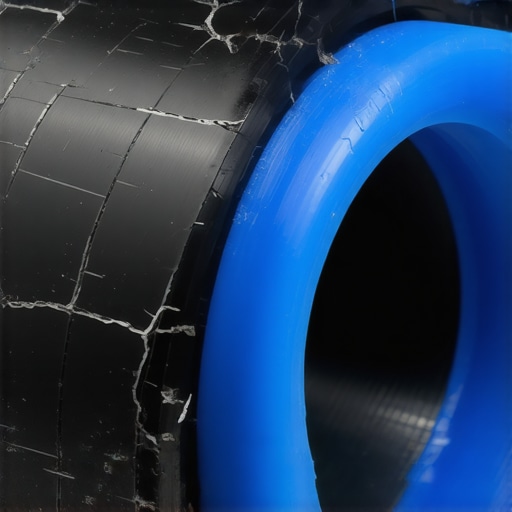 This microscopic gap is all it takes for high-pressure oil to find a path out. Using a calibrated torque wrench is no longer optional; it is a fundamental requirement for a successful tune up involving oil filtration or cooling components.
Why do new seals leak after a cold start but hold firm when the engine is warm?
This frustrating scenario is the result of ‘thermal contraction mismatch.’ On a freezing morning, the rubber or elastomer seal contracts at a different rate than the aluminum or plastic housing it sits in. If the seal has started to harden or if an inferior material was used during the last auto repair, it fails to maintain its ‘radial squeeze’ against the cold metal. As the engine warms up, the materials expand and the seal is effectively ‘crushed’ back into a functional state. However, this intermittent leaking is a warning sign that the seal’s polymer chains have broken down. Professional insights from Machinery Lubrication suggest that even minor fluid weeping during cold cycles can lead to air ingestion into the oiling system, potentially causing cavitation in sensitive components like hydraulic lifters and variable valve timing actuators.
Trade the Silicone Tube for Anaerobic Gasket Maker
In the quest to stop a leak, many enthusiasts reach for the RTV silicone, thinking ‘more is better.’ In precision oil passages, RTV is often the enemy. Excess silicone can squeeze out and break off inside the engine, clogging the tiny oil strainers that feed your turbocharger or cam phasers. A top-rated mechanic knows that for machined metal-to-metal surfaces, an anaerobic sealant is the superior choice. Unlike RTV, anaerobic sealants only cure in the absence of air and when in contact with metal ions. This means any excess that stays in the oil path remains liquid and harmlessly dissolves into the oil, preventing the dreaded ‘silicone-clogged pickup tube’ that has killed countless engines. Have you ever had a repair fail because of a small detail you overlooked? Tell us about your most challenging oil system diagnostic in the comments or check out our deep dive on how one tiny ring controls your engine’s idle stability. Beyond the chemical composition of the sealants and the mechanical force of the bolts, the actual geometry of the seal groove—the ‘gland’—must be perfectly preserved. Even a single scratch from a metal pick during removal can…act as a permanent micro-channel for high-pressure oil, rendering the new elastomer useless before it ever sees a heat cycle. In the aerospace sector and high-performance auto repair, the use of non-marring brass or plastic picks is mandatory because aluminum is notoriously soft. Once the ‘gland’—the specialized groove where the seal sits—is compromised by a tool mark, the fluid dynamic of the seal is broken. The pressurized oil finds that scratch and slowly erodes it further, a process known as ‘wire drawing.’  Ensuring a pristine mating surface is the first step toward a leak-free engine, but the chemical environment you create during the cleaning process is equally vital.
Why does using brake cleaner on engine seals cause immediate failure?
The answer lies in the volatile organic compounds (VOCs) that make these cleaners so effective at removing grease. According to the engineering standards provided by Trelleborg Sealing Solutions, aggressive solvents can permeate the molecular structure of Nitrile and even some lower-grade FKM compounds. This leads to a phenomenon called ‘swelling and extraction,’ where the seal first expands—potentially jamming the component—and then shrinks as the chemicals evaporate, leaving the rubber brittle and prone to cracking. If you are cleaning a housing during a tune up, stick to dedicated electronics cleaners or mild soap and water for elastomeric components to ensure you aren’t accidentally shortening the life of your new $8 seal to just a few months.
Master the Pressure Transducer to Find Hidden Oil Bypasses
When a leak is internal, traditional methods like UV dye are virtually useless. An expert mechanic will instead look at the ‘pressure curve’ of the oil system using a digital transducer. If the oil pressure takes more than three seconds to stabilize after a cold start, it often points to a failing check valve or a degraded internal O-ring in the filter housing that allows the oil to drain back into the pan overnight. This ‘dry start’ condition is a silent killer, causing metal-on-metal contact for those first few critical seconds of engine operation. By analyzing these waveforms, you can identify a failing seal before it results in the dreaded rod knock. This level of mechanic-led diagnostics separates the parts-changers from the true diagnosticians.
Stop Guessing and Start Measuring for Total Engine Health
Modern engines are far less forgiving of the ‘tighten it until it stops’ philosophy than the cast-iron blocks of the past. As we move toward ultra-low viscosity oils like 0W-8, the tolerance for sealing imperfections becomes nearly zero. These thin oils can navigate gaps that 10W-30 would never penetrate, making the precision of your auto repair more critical than ever. If you’ve been struggling with a mystery pressure drop or an oily smell that won’t go away, it’s time to re-evaluate your assembly technique. Have you ever discovered a leak that was caused by a simple cleaning error? Join the conversation in our technical forums or explore our specialized guide on diagnosing VVT system failures to keep your engine running with factory-spec precision.
Advanced Insights for Precision Maintenance
Think Beyond the Visible Drip
When diagnosing a leak, a professional mechanic must consider the dynamic nature of the seal under load. A static seal that holds pressure while the engine is idling may fail under the high-frequency vibrations of highway speeds. This is often due to ‘seal nibbling,’ where high pressure forces the elastomer into the microscopic clearance gap between metal components. If you find small bits of black rubber in your oil filter during a auto repair, your O-rings are likely being eroded by internal pressure spikes.
Surface Roughness Values Ruin Fresh Seals
The ‘Ra’ value, or roughness average, of a mating surface is just as critical as the seal itself. If a previous repair involved aggressive sanding with abrasive pads, the surface might look clean but contain microscopic valleys that allow oil to bypass. Expert technicians ensure the ‘gland’ is smooth enough to maintain a molecular bond with the Viton or Nitrile ring, preventing the ‘ghost leaks’ that often plague DIY projects.
Modern 0W Oils Demand Zero-Tolerance Glands
As manufacturers move toward ultra-thin lubricants for fuel efficiency, the margin for error in sealing vanishes. These thin oils lack the surface tension to bridge even a microscopic gap that a 10W-40 oil might have ignored. Ensuring your mechanic-led diagnostics include a check for housing warpage is the only way to prevent repeat failures in modern, high-compression engines.
#IMAGE_PLACEHOLDER_E#
Essential Resources for Deep Technical Knowledge
Machinery Lubrication by Noria Corporation
This is the industry gold standard for understanding how lubricants interact with mechanical components. Their technical deep dives into oil analysis and seal compatibility are essential for any technician looking to move beyond basic maintenance into true forensic diagnostics.
Parker Hannifin O-Ring Handbook
Widely considered the absolute authority on sealing technology, this resource provides the mathematical and chemical foundations for seal selection. It is the best way to learn why specific polymers fail in the presence of modern synthetic additives.
SAE International Technical Papers
For those who want to understand the ‘why’ behind manufacturer TSBs, SAE papers offer the raw engineering data on thermal cycling and polymer degradation in modern engine bays. It is the primary source for professionals who refuse to rely on guesswork.
The Last Word on Sealing Integrity
Achieving a leak-free engine in the modern era requires a total shift from simple parts replacement to a comprehensive understanding of material science. A successful auto repair isn’t just about stopping a visible drip; it’s about restoring the internal pressure integrity of the entire oiling system. From verifying the health of the PCV system to ensuring precise torque on composite housings, every microscopic detail dictates the longevity of the fix. If you’ve been chasing a persistent leak, remember that the solution often lies in the smallest elastomeric components and the cleanliness of their environment. Have you ever encountered a sealing issue that defied traditional logic? We invite you to share your professional insights or explore our guide on how a clogged PCV valve can blow out your rear main seal for more advanced troubleshooting strategies.