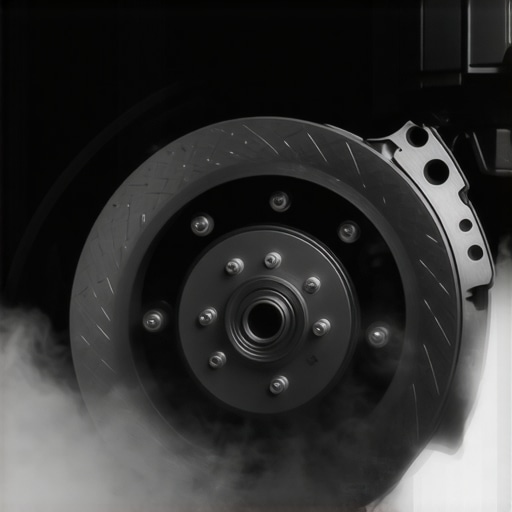
It is a moment of immediate concern for any driver: pulling away from an auto repair facility after a comprehensive brake service, only to see wisps of smoke emanating from the wheel wells. While the instinct is to suspect a catastrophic failure, the reality often lies in the sophisticated chemical transition occurring between the friction material and the rotor surface. As an experienced mechanic understands, the interaction of resins, binders, and metallurgy during the initial heat cycles is a controlled, albeit alarming, process of burnishing. This phase is critical for establishing the transfer layer necessary for optimal stopping power and long-term durability. Navigating this initial phase is as essential to vehicle health as a regular tune up is to engine efficiency.
Chemical Realities of the Thermal Transfer Layer
Modern friction materials are complex composites held together by specialized phenolic resins. When these pads are subjected to their first significant thermal loads, these resins undergo a final curing stage known as outgassing. This phenomenon releases small amounts of vapor that manifest as smoke and a distinct acrid odor. If you have recently prioritized efforts to maximize your brake service efficiency with these tips, you likely know that this green fade or initial smoke is typically a harmless byproduct of the material reaching its operational equilibrium. The goal is to establish a stable transfer layer—a microscopic film of friction material that adheres to the rotor surface—allowing the system to transition from abrasive friction to the more efficient adherent friction.
Is Smoke During Your First Drive a Sign of Failure?
From a technical perspective, light smoke and a burnt scent are acceptable during the first 10 to 20 miles of moderate driving. However, the distinction between curing and failure is found in the pedal feel and heat distribution. According to technical standards published by SAE International, maintaining proper thermal management during the bedding-in period prevents glazing, a condition where the pad surface vitrifies and loses its coefficient of friction. If the smoke is accompanied by a hard pedal or visible glowing of the iron rotors, the thermal threshold has been exceeded, likely due to improper break-in procedures or mechanical interference.
Mechanical Drag and the Risks of Improper Caliper Reseating
Not all smoke is a byproduct of chemical curing; frequently, the culprit is residual manufacturing oils or protective coatings on new rotors. If a technician fails to thoroughly de-grease the discs with high-volatility cleaner, those oils will incinerate rapidly under braking pressure. A more serious concern is a seized brake caliper slide pin, which causes the pads to remain in constant contact with the rotor, generating excessive kinetic heat that never dissipates. This is a common pitfall when diagnosing common auto problems after a hasty installation. Ensuring that the caliper pistons are fully retracted and the guide pins are lubricated with high-temperature synthetic grease is the only way to prevent this type of thermal runaway. Have you noticed unusual vibrations along with the heat? Discover the secrets to boosting safety and longevity in our advanced technical guides to ensure your braking system remains beyond reproach.
Fluid Leaks and the Danger of Combustible Hydraulics
Beyond the chemical outgassing of the friction material, smoke often points toward a more fluid-based failure. If the odor is sickly sweet or reminds you of burning oil rather than the acrid scent of resin, you are likely witnessing the combustion of brake fluid. This usually occurs when a technician accidentally nicks a caliper seal during piston compression or leaves a bleeder screw slightly loose. Understanding why your brake fluid level keeps dropping slowly is vital, as even a pinhole leak can spray high-pressure fluid onto a scorching rotor, resulting in an immediate fire hazard. This isn’t just about performance; it is a critical safety breach that requires an immediate halt to driving. In these instances, the smoke will typically be thicker and more persistent than the light wisps associated with a standard bedding-in process.
Why Does Your Pedal Sink While the Smoke Billows?
If you experience a smoke event coupled with a loss of hydraulic pressure, the situation has escalated from a nuisance to a failure. When brake fluid leaks onto a hot rotor and ignites or boils, it introduces air and vapor into the hydraulic lines. If you find that your brake pedal goes to the floor after a long drive, the heat has likely compromised the fluid’s integrity. Technical documentation from Brembo, a global leader in braking technology, emphasizes that brake fluid is hygroscopic; if it has absorbed moisture over time, its boiling point drops significantly, leading to vapor lock and smoke under heavy thermal loads. This is why a technician should always check the moisture content of the fluid before concluding a major service.
High-Performance Bedding vs. Street Driving Heat Cycles
When dealing with high-performance or ceramic-infused pads, the bedding process is significantly more aggressive than standard organic pads. For these applications, the goal is to reach a temperature high enough to transfer the friction material to the rotor without reaching the ‘burn’ point where the pad material becomes brittle or glazed. If you notice smoke during this specific procedure, it is often a sign that you are successfully reaching the necessary thermal threshold. However, you must distinguish this from the smoke caused by poor installation. For example, failing to properly torque lug nuts without a professional gun can lead to rotor distortion, which causes intermittent pad contact and localized overheating that produces localized smoke. Some modern rotors also feature a ‘zinc flake’ coating to ensure they don’t look like brake rotors that rust overnight while sitting in a warehouse. This coating is designed to be worn off, and its incineration during the first few miles can produce a light, white vapor that is entirely normal and should dissipate within minutes. Before you head back to the shop, take a moment to check your own brake pads without taking off the wheel to see if the wear is even across the rotor face. We recommend keeping a close eye on your reservoir and referring to the brake fluid color chart to ensure no internal boiling or contamination has occurred. Have you ever had a mechanic tell you ‘it is just breaking in’ only to find a real leak later? Share your story in the comments below or suggest this guide to a fellow DIYer.
Stop Ignoring the Residual Solvents on the Rotor Vanes
Aerosol brake cleaners are ubiquitous in any professional auto repair bay, yet their misuse is a frequent source of phantom smoke that plagues drivers. If a mechanic sprays down a rotor but fails to wipe the excess from the hub face or the intricate cooling vanes, the centrifugal force of the rotating assembly will eventually fling that solvent directly onto the hot friction surface. Unlike the controlled curing of phenolic resins, this produces a rapid, sharp burst of white smoke that often smells like cleaning chemicals rather than burnt organic material. Technical experts at Brake & Front End emphasize that even the most meticulous brake service can be undermined by failing to account for the evaporation rate of industrial degreasers. This is why a secondary wipe with a lint-free cloth is non-negotiable for anyone looking to provide a truly premium experience.
How many miles of smoking are considered normal after a brake job?
For a standard vehicle equipped with organic or semi-metallic pads, you should expect any visible vapor to dissipate within the first 10 to 30 miles of city driving. This ‘thermal window’ allows the pads to reach their glass transition temperature and complete the chemical curing process. However, if the smoke persists for more than 48 hours or continues past the 50-mile mark, the issue has likely transitioned from chemical outgassing to mechanical friction. At this stage, the smoke is no longer a byproduct of the material—it is a symptom of excessive heat. If you find yourself in this situation, you must revisit the installation to check for a collapsed flexible brake hose or an over-extended caliper piston that is failing to retract, as these issues will not ‘wear in’ and will eventually lead to rotor warping.
Preventing Micro-Fractures Through Controlled Thermal Cycling
The metallurgy of a cast-iron rotor is surprisingly sensitive to rapid temperature fluctuations. When you perform a tune up on your braking system, you are essentially managing a heat sink. If a driver immediately subjects a brand-new rotor to high-speed emergency stops, they risk inducing thermal shock. This creates microscopic stress cracks, known as heat checking, across the friction surface. These cracks act as cheese graters, shaving off excessive pad material and producing thick clouds of smoke that wouldn’t occur under a proper bedding-in cycle. A sophisticated technician understands that ‘seasoning’ the rotor is just as important as curing the pads. By gradually increasing the heat through a series of moderate decelerations from 45 mph to 15 mph, you allow the metal to expand and contract uniformly, which stabilizes the grain structure of the iron.
Exposing the Hidden Culprit of Tolerance Stack-up
Sometimes the smoke isn’t caused by what you replaced, but by how the new parts interact with the old ones. This is known as tolerance stack-up. For example, if there is a build-up of rust or scale on the wheel hub that wasn’t cleaned during the auto repair, the new rotor will sit at a slight angle. This runout causes the rotor to wobble back and forth against the pads as you drive, creating friction even when your foot isn’t on the pedal. This constant contact generates localized ‘hot spots’ that can reach temperatures exceeding 600 degrees Fahrenheit, causing the pad’s anti-squeal shims or backing plate paint to blister and smoke. If you want to dive deeper into these high-level mechanical nuances, check out our guide on how to measure lateral runout with a dial indicator. Have you checked your hub surfaces for debris lately, or did you slap the new rotors on over the old rust? Understanding these fine details is what separates a parts-changer from a true specialist.
Why Cheap Paint on Backing Plates Ruins Your First Drive
While much focus is placed on the friction material itself, many drivers overlook the superficial coatings applied to the brake pad’s steel backing plate. In the realm of budget-friendly auto repair, manufacturers often use low-grade powder coatings or paints that possess a low thermal threshold. When the braking assembly reaches operational temperatures for the first time, these coatings undergo thermal decomposition. This results in a thick, dark smoke that originates from the rear of the pad rather than the contact patch. High-quality components utilize electro-static finishes or specialized zinc-rich primers designed to withstand these temperatures without volatilizing. If you are noticing smoke that seems to emanate from the caliper body itself, it is worth inspecting whether the paint is bubbling or peeling, a clear indicator that the component’s external finish is failing to handle the heat. This is a nuance often missed during a standard tune up but is immediately apparent to a seasoned mechanic.
Does humidity affect how long your brakes will smoke?
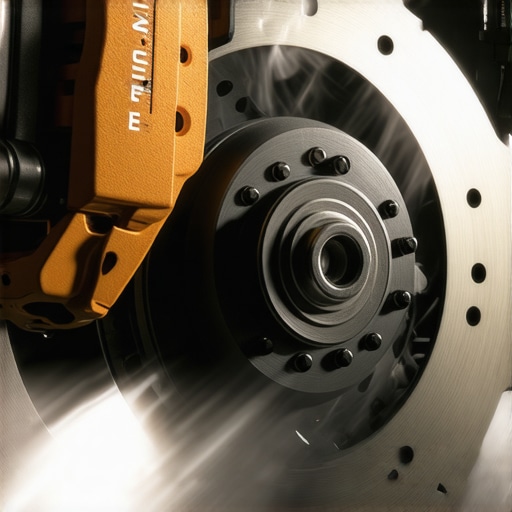
Environmental variables play a subtle yet significant role in the duration of the outgassing phase. High ambient humidity can lead to the formation of microscopic ‘flash rust’ or moisture absorption in the porous structure of a cast-iron rotor while the vehicle is parked post-service. During the next drive, this moisture must be evaporated before the pads can effectively begin the bedding process. According to technical bulletins from the Friction Materials Standards Institute (FMSI), excessive moisture can actually delay the stabilization of the transfer layer, leading to intermittent ‘steam’ that is often mistaken for chemical smoke. This phenomenon is particularly prevalent in coastal regions where salt air can accelerate the oxidation process between the pad and the rotor surface overnight, necessitating a few extra miles of gentle driving to clear the friction surfaces.
Stop Blaming the Pads and Start Cleaning the Hub
A recurring oversight in many brake service procedures is the neglect of the wheel hub’s mating surface. A true specialist knows that the thermal path extends from the rotor through the hub and into the wheel itself. If a layer of heavy corrosion or uneven anti-seize lubricant is trapped between these components, it creates a thermal barrier. This prevents the wheel from acting as a secondary heat sink, causing the rotor to retain heat far longer than designed. The result is a ‘heat-soak’ condition where the pads never get a chance to cool down, leading to prolonged smoking and potential glazing of the friction material. Ensuring that both the hub and the inner mounting face of the wheel are wire-brushed to a bright metal finish is essential for maintaining the system’s thermal equilibrium. This level of detail is what separates a professional installation from a DIY job that leaves you pulling over to check for fire.
Why Your Wheels Act as Vital Thermal Reservoirs
The physics of stopping a two-ton vehicle is essentially the conversion of kinetic energy into heat energy, and that heat has to go somewhere. The alloy wheels of a modern car are designed to draw heat away from the braking assembly through conduction. If you have recently upgraded your wheels or are using spacers, you may have inadvertently altered this cooling dynamic. Oversized spacers, for instance, can reduce the direct contact area between the rotor and the hub, effectively insulating the brake assembly and forcing the pads to operate at higher-than-intended temperatures. If you find your system smoking only after aggressive maneuvers, it may be time to evaluate the airflow and heat dissipation capabilities of your current wheel setup. Are you seeing persistent smoke even after the break-in period? Master the art of brake system optimization by checking your thermal dissipation paths and ensuring your hardware is up to the task of high-performance driving.
Expert Insights & Advanced Considerations
Ceramic Pads Don’t Always Stay Cool
While ceramic friction materials are lauded for low dust and noise, they possess a higher thermal capacity that can lead to significant outgassing if the initial brake service is not followed by a proper bedding procedure. Many owners assume these are plug-and-play, but without a controlled heat cycle, the resins can burn unevenly, causing a localized smoke event that mimics a failing caliper. Following auto repair cost-saving tips from industry experts often means choosing high-quality ceramics, yet their performance is entirely dependent on that initial thermal set.
Ditch the ‘Drive and Forget’ Mentality
The first fifty miles after any major auto repair involving the chassis are the most critical for diagnostic observation. A mechanic relies on the driver to report not just smoke, but the ‘nose’ of the scent; a chemical acrid smell is usually curing, while a heavy metallic scent suggests a mechanical bind. Realizing how a top-rated mechanic ensures safe auto repairs every time involves this post-service feedback loop, ensuring that minor outgassing doesn’t mask a legitimate installation error.
Infrared Thermometers Reveal Hidden Friction
If you suspect one wheel is smoking more than the others, an infrared thermometer is your most objective tool. After a moderate drive, the temperature variance between the left and right rotors should not exceed 20 to 30 degrees Fahrenheit. A delta larger than this indicates a dragging pad or a hub that needs the kind of hub clean-up that fixes steering wheel shake, which also prevents excessive heat build-up. This data-driven approach removes the guesswork from ‘normal’ smoking brakes.
EPB Calibration Prevents Ghost Drag
On vehicles equipped with Electronic Parking Brakes (EPB), simply replacing the pads is not enough. If the system isn’t put into service mode and then recalibrated via a scan tool, the actuator may apply too much ‘resting’ pressure. This causes a constant, light drag that produces heat and white smoke even when you aren’t touching the pedal. It is a vital step often missed during a standard tune up of the braking system.
#IMAGE_PLACEHOLDER_E#
Curated Expert Resources
ASE Technical Bulletins: These provide the industry standard for diagnosing thermal failures and distinguishing between chemical curing and mechanical friction. Brembo Academy: A premier resource for understanding the metallurgy of high-performance rotors and how different coatings react to heat cycles. NATEF Curriculum: Offers deep-dive educational modules on hydraulic integrity and the physics of heat dissipation in modern braking systems. Friction Materials Standards Institute (FMSI): The definitive source for brake pad composition data and outgassing specifications.
Final Expert Perspective
Navigating the nuances of a recent brake service requires a balance of technical patience and safety-first vigilance. While wisps of smoke and a distinct odor are frequently the harmless result of phenolic resins reaching equilibrium, they should never be accompanied by a spongy pedal or excessive pulling. Every auto repair task, from a simple pad swap to a comprehensive tune up, is a scientific exercise in thermal management. By ensuring a meticulous hub cleaning and following a disciplined bedding-in process, you ensure the longevity of your components. We value the expertise of our community; have you encountered a persistent smoke issue that traditional bedding couldn’t fix? Reach out to us or consult our advanced technical guides to tune-up your car like a pro and keep your braking performance beyond reproach.