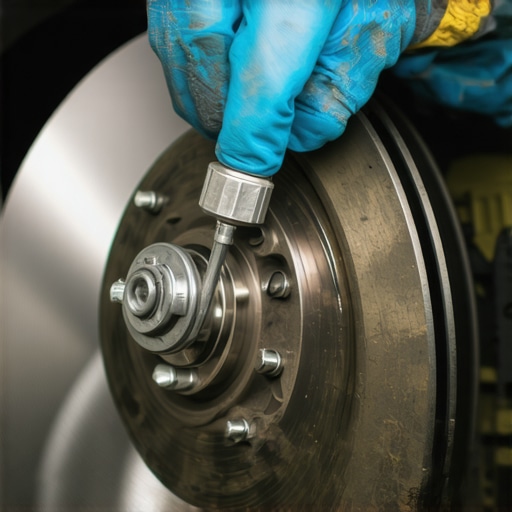
Mastering the Mechanics of Floating Caliper Extraction
The floating caliper assembly is a critical component of modern automotive braking systems, relying on the seamless movement of slide pins to distribute clamping force evenly across the rotor. When these pins seize due to thermal cycling, road salt, or lubricant degradation, the consequences range from uneven pad wear to catastrophic brake failure. A professional mechanic recognizes that a frozen pin isn’t just a nuisance; it’s a symptom of neglected brake service secrets that can compromise vehicle safety. Addressing this issue requires a blend of chemical intelligence and mechanical precision. Failure to resolve a seized pin often leads to mysterious handling issues, such as why your car pulls under braking, indicating that one side of the caliper is no longer articulating. [image_placeholder_1]
Break the Oxide Bond with Induction Heating
While many DIY enthusiasts reach for a torch, the expert approach involves localized induction heating to expand the caliper bracket without compromising the metallurgy of the pin itself. Traditional oxy-acetylene torches carry the risk of overheating the cast iron or damaging nearby rubber boots and brake lines. Induction heaters provide a concentrated magnetic field that targets the seized interface, allowing the oxide bond to fracture. This technique is a staple in high-end auto repair environments where precision is paramount. Once the bracket has expanded slightly, a combination of rhythmic vibration and high-torque impact can usually coax the pin from its bore. If you find yourself frequently dealing with these issues, it may be time to reassess your brake maintenance hacks to ensure pins are lubricated during every pad change.
How Can You Tell if the Pin is Seized Without Removing the Wheel?
Expert diagnosticians look for specific thermal signatures and wear patterns. If one brake rotor is significantly hotter than the other after a routine drive, or if the inner pad is worn to the metal while the outer pad remains thick, a seized slide pin is the primary suspect. According to technical white papers from SAE International, asymmetrical pad wear is the most reliable field indicator of mechanical binding in floating calipers. Using an infrared thermometer to compare temperatures across the axle can provide the empirical data needed to justify a comprehensive brake service.
Chemically Induced Release and Bore Restoration
Once the pin is successfully extracted, the work has only just begun. The internal bore of the caliper bracket often contains hardened grease and rust scale that will immediately seize a new pin if not removed. Using a small wire hone or a specialized drill bit, you must restore the bore to its original smooth finish. This is as vital as any engine tune up when it comes to the overall performance of the vehicle. When reassembling, avoid the common mistake of using petroleum-based greases which swell rubber bushings. Instead, use high-temperature silicone or poly-glycol lubricants designed specifically for metal-to-rubber interfaces. If you are unsure about the state of your system, learn when to know you need brake service now to avoid these labor-intensive repairs. Are you ready to elevate your shop’s efficiency? Contribute your professional insights to our community forum on advanced extraction tools.
The Hidden Danger of Polishing Pitted Slide Pins
Many technicians attempt to save a few dollars by using an emery cloth to clean up a corroded pin. While this might restore temporary movement, it creates microscopic valleys in the metal surface that act as reservoirs for moisture and road salt. Once the factory plating is compromised, the rate of oxidation triples. A seasoned mechanic knows that if the pitting is deep enough to catch a fingernail, the pin is scrap. Using damaged hardware is a shortcut that undermines even the most thorough brake service strategies because the friction coefficient within the bore remains inconsistent. 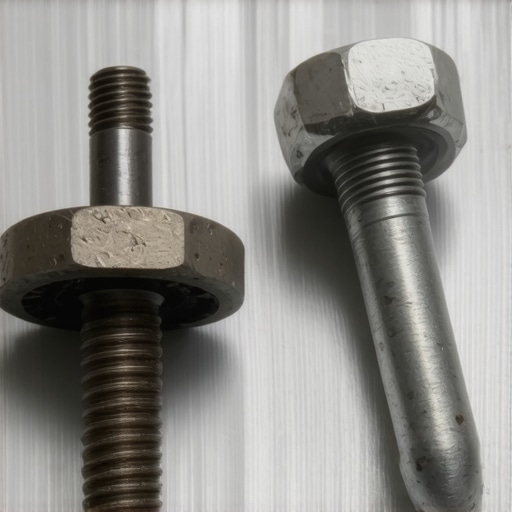
Hydraulic Drag and the Piston Overextension Trap
When a slide pin seizes, the caliper can no longer center itself over the rotor. This forces the piston to extend further than designed to compensate for the lack of movement on the outer pad side. Over time, this overextension can cause the piston seal to twist or become scorched by the increased localized heat. This mechanical failure often mimics hydraulic issues, such as why your brake pedal goes to the floor after a long drive, as the distorted seals fail to maintain consistent pressure. In advanced auto repair, we often see that pumping the brakes to get a firm pedal is actually a symptom of the caliper bracket being physically bent or the pins being so far out of alignment that the piston is struggling to find a square seat against the pad.
Could a Stuck Pin Be the Culprit Behind Your ABS Fault Light?
While the ABS system primarily monitors wheel speed sensors, a severely seized caliper can create enough drag to cause a low speed discrepancy between wheels. Modern stability control systems are incredibly sensitive to wheel speed variances during coasting. According to the Car Care Council, mechanical drag from poorly maintained braking components is a frequent but overlooked cause of premature electronic sensor triggers. If your car feels like it is being held back or if you notice a drop in fuel economy, it is worth checking the sliding resistance of your calipers as part of a routine tune up.
Electronic Parking Brakes Require a Different Extraction Logic
As we look toward top auto repair trends to watch in 2025, the rise of Electronic Parking Brakes (EPB) adds a layer of complexity to caliper service. You cannot simply pry or force these calipers open. Most require a service mode activation via a scan tool or a specific sequence of dashboard button presses to retract the internal screw jack. Attempting to force a slide pin or piston on an EPB system without disengaging the motor can lead to a costly mistake in broken plastic gears. For those looking to refine their diagnostic speed, check out these mechanic tips for diagnosing common auto problems to stay ahead of the curve. Have you encountered a caliper that simply refused to budge despite all the tricks in the book? Share your most effective last resort techniques in the comments below; your experience helps the entire community work smarter.
Stop the Corrosive Creep with Smarter Lubricant Choice
The chemistry of the lubricant you choose is the thin line between a successful brake service and a frustrating comeback. Many technicians mistakenly believe that any ‘high-temp’ grease will suffice, but the reality is far more nuanced. Using petroleum-based products on rubber-insulated slide pins is a recipe for disaster; these oils cause the EPDM rubber boots to swell and soften, eventually trapping moisture inside the bore and accelerating the very corrosion you intended to prevent. An expert mechanic prioritizes pure silicone-based or synthetic polyalphaolefin (PAO) lubricants. These stay stable at 400 degrees Fahrenheit and remain chemically inert when in contact with sensitive rubber components. If you have ever wondered why your car pulls under braking, it is often because an incorrect lubricant choice caused the slide pin boot to expand and bind the mechanism.
Is Your Brake Fluid Turning into a Corrosive Acid?
While the external components of the caliper are subject to road salt and heat, the internal health of the slide pin bore is often compromised by the brake fluid itself. Brake fluid is hygroscopic, meaning it actively absorbs moisture from the atmosphere. According to technical bulletins from Brake & Front End magazine, when moisture content in DOT 3 or 4 fluid exceeds 3%, the boiling point drops significantly, and the internal galvanic corrosion of the caliper piston and surrounding housing begins. This internal decay can create a sludge that migrates toward the sliding surfaces, effectively ‘gluing’ the caliper in a semi-engaged position. This is why a comprehensive tune up of the braking system must always include a full fluid flush to maintain the pH balance of the hydraulic circuit.
Measuring Bore Tolerance Before It’s Too Late
Professional auto repair requires more than just a visual inspection; it demands the use of precision measurement tools. A seasoned technician uses a telescoping gauge and a micrometer to check the roundness of the caliper bracket bore. Over time, the constant oscillating force of the braking pads can ‘ovalize’ the hole where the slide pin lives. If the bore is even a few thousandths of an inch out of spec, the pin will cock at an angle, leading to the dreaded ‘tapered pad wear’ and a spongy pedal feel. 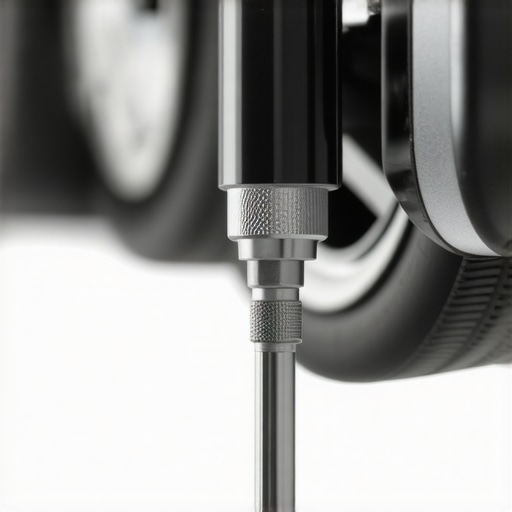 Restoring this interface is not merely about cleaning; it is about ensuring the clearance between the pin and the bore remains within the tight factory tolerances—usually between 0.002 and 0.005 inches. If the gap is too wide, the caliper will rattle; too tight, and thermal expansion will cause it to seize during a long descent.
The Role of Thermal Expansion in Mechanical Binding
Understanding the coefficient of thermal expansion for different metals is what separates a DIYer from a specialist. The caliper bracket is usually cast iron, while the slide pins are typically hardened steel. These two metals expand at different rates when subjected to the extreme heat of heavy braking. If the lubrication has dried out or been contaminated with grit, the friction generates localized ‘hot spots’ where the pin expands faster than the bore can accommodate. This leads to a temporary seize that might disappear once the vehicle cools down, making it one of the most difficult issues to diagnose in a standard brake service environment. Have you ever noticed that your brakes only start to drag after twenty minutes of highway driving? This is a classic indicator of thermal binding in the slide pins. If you’re struggling to pinpoint the source, exploring these mechanic tips for diagnosing common auto problems can help you differentiate between hydraulic sticking and mechanical binding.
Why Modern Alloy Rim Design Accelerates Slide Pin Failure
The aesthetic shift toward large-diameter, multi-spoke alloy wheels has an unintended consequence for the humble mechanic: decreased convective cooling for the caliper assembly. While these rims look impressive, they often shroud the caliper in a pocket of stagnant, superheated air, particularly in urban driving environments with frequent stop-and-go cycles. This localized oven effect accelerates the oxidation of slide pin lubricants, turning even high-quality synthetic greases into a gritty, abrasive paste. A thorough auto repair specialist doesn’t just replace the pins; they analyze the airflow and thermal load to recommend better-performing ceramic pads that generate less dust, which otherwise acts as a desiccant, pulling moisture into the slide pin boots.
What Happens When the Pin Snaps Flush with the Bracket Face?
This is the ultimate test of a technician’s patience and tooling. When the hexagonal head of a frozen pin shears off under the pressure of a breaker bar, the repair transforms from a routine brake service into a high-stakes machining operation. The primary challenge is maintaining perfect concentricity during the drilling process to avoid eating into the cast iron threads of the bracket. According to technical documentation from Bendix Commercial Vehicle Systems, using a centering jig is non-negotiable in these scenarios to prevent permanent damage to the caliper mounting surface. If the drill bit wanders even slightly, the resulting misalignment will cause the new pin to bind immediately, leading to a dangerous locked wheel condition during high-speed braking.
Precision Extraction Without Sacrificing the Caliper Bracket
When faced with a snapped pin, the seasoned mechanic bypasses standard extractors in favor of left-hand cobalt drill bits. The heat generated by the drilling process, combined with the counter-clockwise torque of the bit, often catches the remains of the pin and spins it out of the bore before the hole is even fully through. This is far superior to using an Easy-Out, which can expand the brittle steel of the pin and wedge it tighter against the bracket walls. Once the extraction is successful, a tune up of the internal threads using a bottoming tap ensures that the new hardware seats with the exact torque specified by the OEM. Failure to reach this precision can lead to vibration and clunking noises that frustrate customers and lead to unpaid rework. 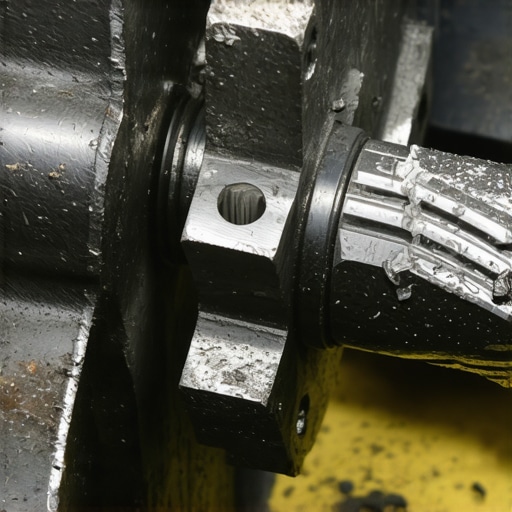
The Hidden Role of Galvanic Corrosion in Multi-Material Calipers
In the quest for weight reduction, many manufacturers now use aluminum caliper bodies mated to cast iron brackets. This creates a galvanic cell where the steel slide pin acts as the anode or cathode depending on the surrounding electrolyte—usually road salt. This electrochemical reaction creates a white, powdery aluminum oxide that occupies more volume than the original metal, physically pinching the slide pin into immobility. This is why a standard brake service must include a neutralizing wash for the brackets before reassembly. This is a level of detail often missed in a basic tune up, but it is the difference between a repair that lasts a year and one that lasts five. Are you utilizing ultrasonic cleaners to strip these microscopic oxides from your customers’ brake components? Join our technical roundtable below and tell us which chemical solutions have saved your shop the most time on high-mileage fleet vehicles.
Expert Insights & Advanced Considerations
Listen for the Vacuum Pop
When reinserting a slide pin into its bore, a professional mechanic doesn’t just push it in and walk away. You should feel a slight resistance followed by a distinct “pop” as the rubber boot seats. This indicates a vacuum seal is formed, which is essential for keeping moisture out. If the pin slides in too easily, the boot is compromised, and your brake service will fail prematurely. This is one of those mechanic tips for diagnosing common auto problems before they leave the bay.
The Micro-Reservoir Advantage
While we discussed the dangers of pitting, a perfectly mirror-polished pin can actually be counterproductive. High-end hardware often features a specific cross-hatch pattern, similar to engine cylinders. These microscopic grooves act as reservoirs for the lubricant, ensuring that the metal-to-metal interface remains separated under high thermal loads. When you tune up your car like a pro, you learn to identify when a pin needs replacement versus a simple cleaning.
Don’t Bore Out Your Profits
When cleaning the bracket bore, use a nylon or soft brass brush. Using a steel wire brush on a drill can inadvertently enlarge the bore diameter. Even an extra thousandth of an inch can cause “caliper clank,” a frustrating noise that mimics loose suspension. Mastering these nuances is part of the brake service strategies that save you money and extend brake life in the long run. [image_placeholder_E]
Curated Expert Resources
Bendix Training Portals
Bendix offers some of the most comprehensive technical literature on foundation brakes and air systems. Their white papers are the industry standard for understanding friction material behavior and hardware tolerances.
SAE International Technical Papers
For those who want to dive into the metallurgy of sliding components and the physics of brake fade, SAE is the ultimate repository of empirical data.
Brake & Front End Magazine
This trade publication is essential for keeping up with top auto repair trends to watch in 2025, specifically regarding the integration of electronics and mechanical hardware.
Caliper Precision and Safety
Successful extraction and restoration of floating calipers is the hallmark of a dedicated technician. It requires a deep understanding of thermal expansion, chemical compatibility, and precision measurement. Whether you are performing a routine tune up or a complex auto repair, never shortcut the cleaning of the slide pin bore. Always learn how to test your brake fluid for water content at home to ensure the entire hydraulic system is protected from the inside out. A meticulous brake service is the only way to guarantee consistent stopping power and driver confidence. Do you have a “secret weapon” tool for extracting snapped pins without damaging the bracket? Drop your shop secrets in the comments—we’re all here to sharpen our skills together.