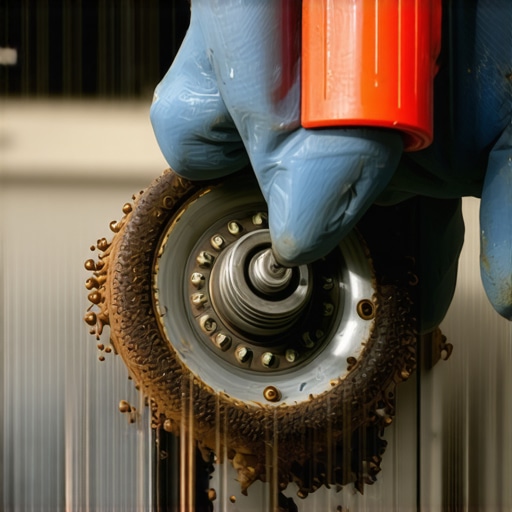
Many drivers experience a rhythmic oscillation in the steering wheel during braking, often reaching for their wallets to fund an expensive, and sometimes unnecessary, brake service. However, professional diagnostics frequently reveal that the culprit isn’t warped iron or catastrophic suspension failure. Instead, the microscopic interface between the wheel hub and the rotor often harbors the true defect: accumulated corrosion. This buildup of oxidation creates lateral runout, a condition where the rotor no longer rotates perfectly perpendicular to the spindle. In the high-precision world of modern auto repair, even a few thousandths of an inch of rust can amplify into a violent shake at highway speeds, mimicking the symptoms of far more costly mechanical failures.
Stop Blaming Warped Rotors for Basic Hub Corrosion
In most professional circles, the term “warped rotors” is considered a misnomer. Modern automotive metallurgy makes it exceedingly difficult to actually warp a cast-iron rotor under standard driving conditions. What most vehicle owners perceive as warping is actually Disc Thickness Variation (DTV), which is often a direct byproduct of lateral runout. When a mechanic installs a high-quality rotor over a crusty, rust-pitted hub, they are essentially building a skyscraper on a crooked foundation. For a deeper dive into why these parts fail prematurely, examine why your new brake rotors warped in less than six months. Addressing the mating surface is not just a cleaning step; it is a critical calibration of the entire braking assembly.
The $15 Fix That Professional Technicians Use Every Day
Restoring your steering’s composure does not always require a four-figure invoice. A simple hub cleaning kit, which typically costs less than $15 for the abrasive components, can remove the dense rust scale that forces the rotor out of its true alignment. This process, colloquially known in the industry as a “hub scrub,” involves using a specialized abrasive disc to polish the mating surface until it reveals bright, flat metal. By ensuring a perfectly flush fit between the hub and the rotor, you eliminate the mechanical wobble that translates into pedal pulsation. This fundamental task is a cornerstone of any high-quality brake service and should never be skipped during a rotor replacement.
Does Cleaning the Hub Actually Outperform a Full Brake Job?
The short answer is that hub cleaning prevents the need for a premature second brake job. According to technical bulletins from the National Institute for Automotive Service Excellence (ASE), failure to properly clean mating surfaces is a leading cause of consumer dissatisfaction and “comebacks” in professional shops. If the vibration is caused by runout rather than pad wear, cleaning the hub is the only permanent solution. You can even perform a preliminary check at home; learn how to check your own brake pads without taking off the wheel to see if uneven wear patterns suggest a hub alignment issue.
Precision Tools Take the Guesswork Out of Auto Repair
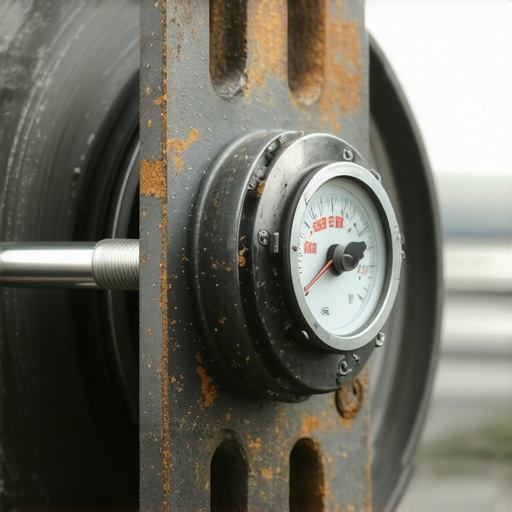
An elite mechanic does not just clean the surface; they verify the result with precision instruments. Utilizing a dial indicator to check for lateral runout after the hub scrub ensures the repair meets strict factory tolerances—typically under 0.002 inches of variance. This level of precision is what separates a generic tune up from a professional-grade restoration. If you find yourself struggling with a persistent front-end shimmy that refuses to go away, reach out to our expert team to schedule a diagnostic that looks deeper than just the surface of your pads. Mastering these small details ensures every auto repair results in a smoother, safer ride for the long haul. For more insights on professional standards, see how a top-rated mechanic ensures safe auto repairs every time.
Stop Over-Torquing Your Wheels and Start Using a Torque Wrench
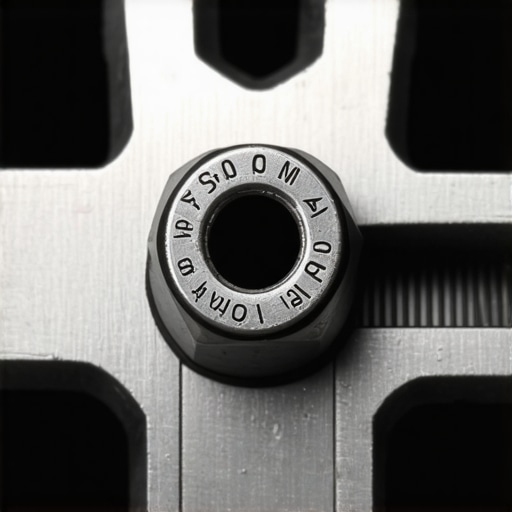
While cleaning the hub provides the flat surface necessary for alignment, the clamping force applied to that surface must be perfectly uniform. Many DIY enthusiasts and even some hurried shops rely on pneumatic impact wrenches to secure lug nuts, often exceeding 150 lb-ft of torque unevenly. This creates localized stress points on the rotor hat, which can pull the rotor out of true during extreme thermal cycling. To avoid this, always use a calibrated torque wrench in a star pattern to ensure even pressure across the hub face. For those looking to master the basics, the $10 hub scrub that stops brake vibrations is only effective if followed by correct wheel installation techniques.
Why Seized Slide Pins Are the Silent Killers of Smooth Braking
Beyond the hub, the caliper’s ability to move freely is paramount for consistent pad wear. Seized or sluggish slide pins prevent the caliper from centering itself over the rotor, causing one pad to maintain constant, light contact. This persistent friction generates excessive heat, leading to the formation of cementite—an ultra-hard iron carbide—that many mistake for a warped rotor. If your steering wheel pulses only after twenty minutes of driving, you likely need to investigate how to rescue a seized brake caliper slide pin before the heat ruins your new hardware. Neglecting this small component is a classic example of how minor oversight leads to major mechanical failure in the world of auto repair.
Is Your Brake Fluid Secretly Sabotaging Your Mechanical Components from the Inside Out?
Most drivers ignore brake fluid until the pedal feels spongy, but the damage starts much sooner than you think. Brake fluid is hygroscopic, meaning it actively absorbs moisture from the atmosphere. Over time, this water content lowers the boiling point and causes internal corrosion in the ABS actuator and calipers. When this moisture boils during heavy braking, it creates gas bubbles that lead to a dangerous loss of pressure. You should regularly check how to test your brake fluid for water content at home to ensure your hydraulic system isn’t rotting from within. According to technical data from Brembo, maintaining a low moisture percentage is vital for preventing vapor lock and ensuring the longevity of the entire braking system.
Finally, the “bedding-in” process is the final frontier of a successful brake service. This isn’t just about “breaking in” the pads; it’s a chemical and thermal process that transfers a uniform layer of friction material onto the rotor surface. When this layer is unevenly distributed, usually due to sitting at a stoplight with hot brakes, it creates high spots that cause oscillation. High-performance drivers and professional technicians alike know that brake maintenance hacks to prevent costly failures often center on these critical final steps. If you’ve ever wondered why your brake pedal goes to the floor after a long drive, it might be the result of vapor lock from neglected fluid. Have you ever performed a “hub scrub” or checked your own torque specs? Share your experiences in the comments or suggest a topic you’d like us to deconstruct next.
Why Crusty Hubs Trick Your ABS Into Malfunctioning
The relationship between surface corrosion and physical vibration is well-documented, but the electronic consequences are often overlooked. As rust builds up on the hub, it doesn’t just push the rotor out of alignment; it can actually displace the ABS tone ring or the sensor itself. This shift alters the critical “air gap” required for the sensor to read the magnetic pulses of the spinning wheel. When the gap becomes inconsistent due to lateral runout or scale buildup, the ABS module may receive a “choppy” signal, triggering the anti-lock system at low speeds on dry pavement. This is a classic diagnostic trap in auto repair, where a technician might replace a perfectly good sensor when the real issue is simply a lack of a thorough “hub scrub.”
Can Internal Master Cylinder Bypass Mimic a Soft Pedal Without External Leaks?
Yes, and it is one of the most frustrating symptoms for a mechanic to diagnose. An internal bypass occurs when the primary or secondary seals inside the master cylinder allow fluid to “leak” back into the reservoir instead of being pushed toward the calipers. This results in a pedal that slowly sinks to the floor at a stoplight, despite the system having no visible external leaks. Unlike an air-bound system that feels spongy, a bypassing master cylinder often feels firm initially but yields under steady pressure. Diagnosing this requires a precise pressure test, often involving the isolation of each brake circuit to see if the drop persists. This level of tune up and diagnostic depth is essential for maintaining safety in high-mileage vehicles.
Stop Treating Rubber Brake Hoses Like Lifetime Components
While most enthusiasts focus on pads and rotors during a brake service, the flexible rubber hoses are frequently ignored until they burst. Over time, these hoses suffer from internal delamination—a process where the inner lining collapses inward while the outer shell remains visually pristine. This internal restriction can act like a check valve, allowing high-pressure fluid to reach the caliper but preventing it from returning to the master cylinder. The result is a dragging brake that generates massive amounts of heat, often being misdiagnosed as a seized caliper. According to technical standards from the Society of Automotive Engineers (SAE J1401), brake hoses are subject to extreme volumetric expansion limits, and exceeding these due to aged rubber significantly degrades pedal response and stopping distance. If your vehicle is over a decade old, replacing these with braided stainless steel or new OEM rubber is a non-negotiable upgrade for consistent performance.
Why High-Temperature Brake Fade Isn’t Just for Race Cars
Many drivers assume they will never encounter brake fade because they don’t frequent the track. However, descending a steep mountain grade or towing a heavy trailer can quickly push standard DOT 3 fluid past its “wet boiling point.” Once the fluid boils, it turns into a gas, which is compressible. Suddenly, you have a “long pedal” and significantly reduced clamping force. This is where the chemistry of auto repair meets real-world physics. Choosing a fluid with a higher dry boiling point, such as a high-quality DOT 4, provides a much-needed safety margin for heavy-duty applications. Next time you rotate your tires, take a moment to peer into the wheel well; brake maintenance hacks to prevent costly failures often start with a simple visual inspection of the hose integrity and fluid clarity.
The Role of the Proportioning Valve in Vehicle Stability
Modern vehicles rely on Electronic Brake-force Distribution (EBD), but older models utilize a mechanical proportioning valve to manage the pressure split between the front and rear axles. If this valve becomes stuck or miscalibrated, the rear brakes may lock up prematurely, or the front brakes may do all the work, leading to rapid overheating and rotor glaze. A balanced system ensures that the vehicle remains stable under hard braking, preventing the “nose-dive” effect that can unsettle the chassis during a turn. When troubleshooting a car that feels “nervous” under heavy braking…
When troubleshooting a car that feels “nervous” under heavy braking, the mechanical proportioning valve or its electronic successor, Electronic Brake-force Distribution (EBD), is often the hidden culprit. This system ensures that the weight shift during deceleration doesn’t overwhelm the front tires while leaving the rear tires underutilized. In the modern auto repair landscape, these systems are integrated deeply into the vehicle’s stability control network, meaning a simple mechanical fault can trigger a cascade of electronic warnings across the dashboard.
Enter Maintenance Mode or Risk Destroying Your Rear Calipers
The advent of the Electronic Parking Brake (EPB) has revolutionized interior design by removing the handbrake lever, but it has introduced a significant hurdle for the backyard mechanic. These systems utilize an electric motor to drive the caliper piston against the rotor. Attempting a standard brake service without first activating the vehicle’s “Maintenance Mode” or “Service Mode” can lead to catastrophic failure of the actuator’s internal screw mechanism. Forcing the piston back manually without electronically retracting the motor is a costly mistake that often necessitates a full caliper replacement. Always consult your factory service manual or use a professional-grade scan tool to ensure the system is neutralized before you even loosen a lug nut.
Why EV Owners Face Surprising and Aggressive Rotor Decay
It is a strange irony in the world of high-efficiency vehicles: the less you use your friction brakes, the faster they may degrade. Hybrid and electric vehicles rely heavily on regenerative braking, where the electric motor handles the bulk of the deceleration. While this extends pad life significantly, it means the iron rotors rarely reach the temperatures necessary to shed moisture and surface oxidation. In regions where road salt is prevalent, this lack of thermal cycling allows corrosion to bite deep into the metal, leading to delamination that a standard “hub scrub” cannot fix. Maintaining these vehicles requires a proactive tune up that involves frequent visual inspections and occasional high-speed stops to manually clear the friction surfaces. 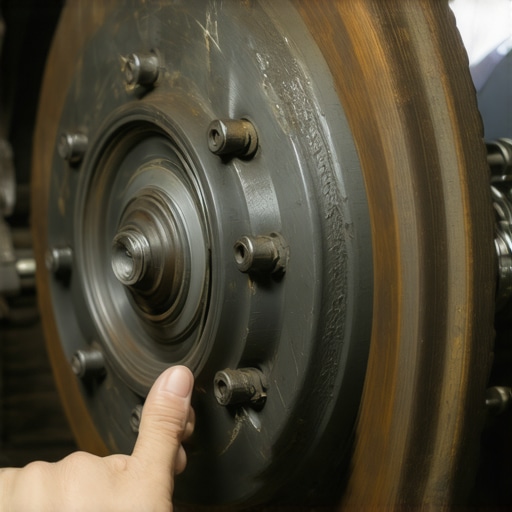
Does Your Brake Booster Quietly Starve Your Engine of Vacuum?
The vacuum power booster is a robust component, yet its failure can manifest in ways that seem entirely unrelated to stopping power. An internal leak in the booster diaphragm not only makes the brake pedal feel like a literal brick but also introduces unmetered air into the engine’s intake manifold. This creates a lean condition, often triggering a “Check Engine” light for fuel trim malfunctions. According to safety data and defect reports from the National Highway Traffic Safety Administration (NHTSA), vacuum leaks within the braking system can lead to erratic engine idling and increased stopping distances, particularly during cold starts when the rubber is less pliable. If you notice your engine stumbling every time you hold the brake at a stoplight, the booster is the first place a professional mechanic will look.
Stop Ignoring the Hidden Link Between Braking and Stability Control
Modern braking is no longer an isolated hydraulic circuit; it is the primary tool for Dynamic Stability Control (DSC). When the vehicle detects a skid, it doesn’t just cut engine power; it selectively applies individual brakes to pivot the car back onto its intended path. If your rotors are unevenly worn or your fluid is contaminated with air, the DSC system cannot apply the precise millisecond-long pressure pulses required to save you in an emergency. This makes the precision of a high-end auto repair even more critical—you aren’t just maintaining your ability to stop, you are maintaining the computer’s ability to keep the car upright. Have you ever noticed your traction control light flickering during a firm stop? It might be time to stop guessing and start measuring your system’s performance. Contact our technical specialists today to ensure your safety systems are operating at their peak factory specifications.
Expert Insights and Advanced Mechanical Realities
Iron Carbide and the Myth of the Warped Disk
When technicians speak of “warped” rotors, they are usually describing a metallurgical transformation. Under extreme heat—often caused by seized pins or aggressive driving—cast iron can transition into cementite, an incredibly hard substance. This patch of cementite doesn’t wear down as fast as the surrounding iron, creating a permanent high spot. No amount of resurfacing can truly fix this; it requires replacement and a focus on brake maintenance hacks to prevent costly failures in the future.
Thermal Management Beyond Standard DOT 3 Fluid
For vehicles used in high-load scenarios, the switch to high-performance DOT 4 or even DOT 5.1 is more than a simple upgrade; it is a necessity. The increased dry and wet boiling points prevent the “long pedal” syndrome that occurs when moisture-laden fluid vaporizes. A savvy mechanic knows that fluid chemistry is just as vital as hardware integrity when performing a high-level brake service.
The Micro-Tolerance Frontier
The industry standard for lateral runout has shrunk as vehicle suspensions have become more lightweight and sensitive. While .005 inches was acceptable twenty years ago, many modern chassis require less than .002 inches to remain vibration-free. Achieving this requires a perfect “hub scrub” and the use of a dial indicator to verify the mating surface. You can find more auto repair cost saving tips from industry experts that emphasize getting the job done right the first time to avoid expensive comebacks.
#IMAGE_PLACEHOLDER_E#
Authoritative Technical Resources for Professionals
ASE (Automotive Service Excellence) Study Portals
The gold standard for technician certification, ASE provides technical bulletins that highlight the common failures in braking systems, specifically focusing on the importance of cleaning mating surfaces to prevent DTV.
SAE International Technical Papers
For those who want to understand the physics of brake squeal and rotor metallurgy, SAE J1401 and related standards offer deep-dive data on volumetric expansion and thermal stress testing.
Brembo Professional Training Academy
As a leader in high-performance braking, Brembo offers detailed guides on the bedding-in process and the chemical interactions between different pad compounds and rotor surfaces.
Closing Thoughts from the Service Bay
True mastery of auto repair lies in the details that most drivers never see. From the microscopic cleanliness of the wheel hub to the precise torque sequence of the lug nuts, every step influences the longevity and safety of your vehicle. A high-quality brake service is not merely about swapping parts; it is a systematic calibration of the entire stopping assembly. By focusing on precision measurement and using the right tools, you ensure a smooth, silent, and reliable ride. If you need assistance navigating these technical requirements, how a top-rated mechanic ensures safe auto repairs every time provides a roadmap for what to expect from a professional shop. For a personalized diagnostic or expert advice, feel free to contact our technical specialists today.