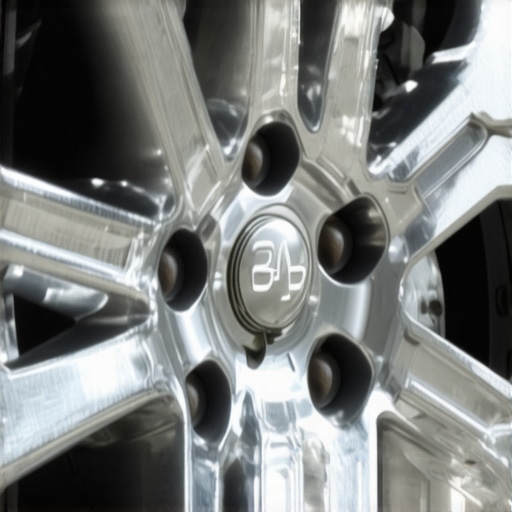
In the hierarchy of automotive components, the humble tire valve cap is frequently dismissed as a purely cosmetic accessory. However, from the perspective of an experienced mechanic, this four-dollar investment represents a critical fail-safe for the entire pneumatic system. The primary function of the cap isn’t actually to hold the air in—the Schrader valve’s internal spring-loaded pin does that—but rather to prevent road debris, moisture, and corrosive salts from entering the valve barrel. When these contaminants infiltrate the core, they cause the internal seal to degrade or the pin to stick, leading to the slow, insidious pressure drops that eventually necessitate professional auto repair and compromise vehicle safety.
Stop Ignoring the Smallest Part Protecting Your TPMS Sensors
Modern vehicles are equipped with sensitive Tire Pressure Monitoring Systems (TPMS) that are incredibly susceptible to environmental damage. A missing dust cap allows moisture to collect inside the stem, which, in colder climates, can freeze and depress the valve pin, resulting in a sudden loss of pressure. Furthermore, for those living in coastal areas or regions where road salt is prevalent, the lack of a cap invites galvanic corrosion. This is a common culprit behind why your tire pressure light stays on after filling up, as the sensor’s internal components become fouled by oxidized metal. Ensuring these caps are present and equipped with a high-quality rubber O-ring seal is a mandatory step in any professional tune up protocol.
[image_placeholder]
Metal vs. Plastic: The Real Impact on Valve Stem Integrity
While many drivers prefer the aesthetic of chrome or aluminum caps, material choice involves significant mechanical trade-offs. Plastic caps are generally safer for TPMS sensors because they won’t seize to the threaded stem through electrolysis. If you do opt for metal, an expert auto repair specialist will recommend applying a tiny amount of nickel-based anti-seize to the threads. This prevents the cap from becoming permanently welded to the stem, a situation that often requires an expensive sensor replacement. According to technical guidelines from the Tire Industry Association (TIA), maintaining the integrity of the valve seal is paramount for tire longevity and fuel efficiency. If you’ve noticed unusual wear patterns, it might be time to investigate why your new tires are wearing out in months rather than years.
Does Road Salt Actually Weld Your Caps to the Stem?
Yes, and the results are more than just a nuisance. When dissimilar metals—like a steel valve core and an aluminum decorative cap—interact with an electrolyte like salt water, they create a miniature battery. This chemical reaction leads to fusion. During a routine brake service or inspection, technicians often find they have to snap the valve stem just to remove a seized cap. To avoid this, stick to high-quality nylon or plastic caps that feature an internal gasket. If you are interested in more advanced maintenance strategies, consider exploring our guide on tune up strategies to save money on auto repairs to keep your vehicle in peak condition without overspending.
Centrifugal Force Can Actually Push Air Out of Your Tires
While we often think of the valve core as a static component, it is subject to intense physical stress at highway speeds. As the wheel rotates, centrifugal force acts upon the internal spring-loaded pin of the Schrader valve. If the spring has weakened over years of service, this force can theoretically overcome the spring tension, causing the pin to shift slightly and allow a micro-leak. A high-quality valve cap serves as the secondary seal that prevents this atmospheric escape. This is a nuanced mechanical reality that most drivers overlook, focusing only on the primary seal. Much like how the 8-o-ring-that-stops-mystery-oil-leaks is vital for your engine’s health, the tiny gasket inside your valve cap maintains the tire’s atmosphere against the brutal physics of rotation. Without this backup, you are relying solely on a tiny spring that is constantly being hammered by road vibration and heat cycles.
Why the Internal O-Ring Matters More Than the Cap Material
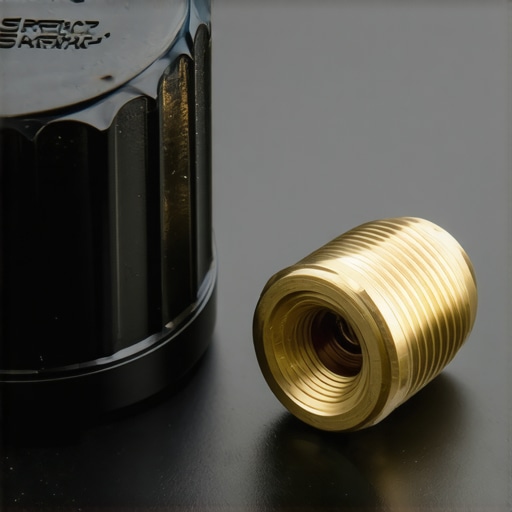
If you look inside a professional-grade valve cap, you will notice a small rubber gasket at the base of the threads. This O-ring is the true hero of tire pressure maintenance. When you screw the cap onto the stem, this gasket compresses against the top of the valve barrel, creating a hermetic seal. This prevents air from escaping even if the valve core itself is failing. Cheap, bulk-bin plastic caps often lack this gasket, making them little more than dust covers. For performance enthusiasts who demand precision, using caps with a proper seal is as essential as knowing the 10-spark-plug-gap-tool-most-diyers-skip when tuning an engine. The National Highway Traffic Safety Administration (NHTSA) emphasizes that even a 10% reduction in tire pressure can significantly increase the risk of tire failure and decrease fuel efficiency, making these small seals a front-line defense in automotive safety. If you have noticed your pressure dropping without a puncture, it might be an invisible leak through an unsealed stem, similar to why your coolant level drops without a visible leak.
Can a Speck of Dust Really Cause a Mid-Drive Blowout?
It sounds dramatic, but the mechanics of a tire blowout often start with microscopic contamination. When you drive without a valve cap, road grit, salt, and brake dust accumulate inside the stem. The next time you check your pressure or add air, the inflator nozzle pushes that abrasive debris directly into the valve core’s rubber seat. This prevents the pin from sealing perfectly once the nozzle is removed. The result is a slow leak that generates excessive heat as the sidewall flexes under-inflated. This heat eventually weakens the tire’s internal structure, leading to a catastrophic failure at high speeds. Beyond just tire pressure, ensuring your wheels are properly handled is critical, so be sure you know how-to-properly-torque-lug-nuts-without-a-professional-gun to avoid further stress on the hub. If your car feels unstable or wanders at speed, you should also learn how-to-spot-a-leaky-shock-before-it-ruins-your-tires to rule out suspension issues. Have you ever found a stuck or missing cap during a routine check? Drop a comment below and share your DIY maintenance tips, or read our latest guide on brake service secrets to keep your entire vehicle in top shape.
The Hidden Physics of Valve Stem Flex at Highway Speeds
While the previous discussion touched on centrifugal force acting on the valve pin, the physical integrity of the valve stem itself is equally compromised at high velocities. On vehicles equipped with traditional rubber snap-in stems, the entire structure is subject to ‘centrifugal pull-back.’ At speeds exceeding 75 mph, the weight of the stem and its cap causes the rubber to bend outward against the rim. If you have installed heavy, oversized decorative metal caps, this force is amplified, potentially leading to micro-cracks at the base of the stem where it seats into the wheel. This is a primary reason why high-performance vehicles often utilize short, rigid metal bolt-in stems. These components are designed to withstand the lateral G-forces that would otherwise cause a standard rubber stem to fatigue and fail prematurely. Understanding this mechanical stress is vital for anyone looking to keep their vehicle running smoothly under demanding conditions.
Stop Using Heavy Decorative Caps on Standard Rubber Stems
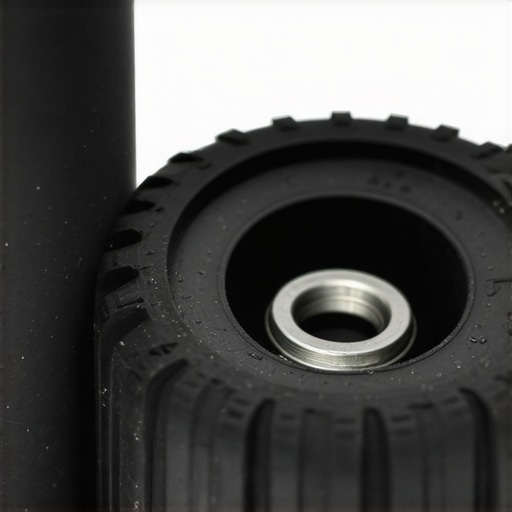
The aftermarket is flooded with ‘bullet’ style or weighted chrome caps that look impressive but pose a legitimate threat to wheel balance and stem health. A heavy cap acts as a lever when the wheel is spinning at thousands of RPMs. This added mass can pull the valve stem away from its vertical axis, stressing the rubber-to-metal bond. In extreme cases, this repeated flexing leads to ‘dry rot’ or localized cracking that is invisible until the stem is physically moved during a brake service or tire rotation. If you insist on a customized look, look for lightweight anodized aluminum or high-grade nylon. These materials provide the aesthetic benefit without the detrimental weight penalty. According to technical standards from SAE International, the dynamic balance of a wheel assembly is sensitive enough that even a few grams of irregular weight at the perimeter can necessitate additional wheel weights to correct, essentially fighting against your own accessories.
Can a faulty valve cap actually cause a TPMS sensor to fail prematurely?
The short answer is yes, though the failure is often indirect. A missing or non-sealing cap allows ‘wicking’—a process where moisture is drawn into the valve barrel through capillary action. Once inside, this moisture reacts with the aluminum threads of the TPMS sensor body. Because many sensors are made of an aluminum alloy, they are highly susceptible to galvanic corrosion when they come into contact with the brass or steel used in cheaper valve cores or low-quality caps. When the threads corrode, the sensor becomes brittle and can snap during the next air-pressure adjustment. This is a common discovery during a routine tune up, often resulting in a bill for several hundred dollars to replace a sensor that could have been protected by a fifty-cent plastic cap. If your pressure light has been intermittent, it may be time to inspect the integrity of the stem threads for signs of white, powdery oxidation before it’s too late.
Why Performance Shops Demand Nickel-Plated Valve Cores
In the world of professional racing and high-end automotive care, the choice of valve core is never left to chance. Standard brass cores are susceptible to the aforementioned galvanic corrosion when paired with aluminum TPMS stems. This is why expert technicians insist on nickel-plated cores. The nickel plating acts as a sacrificial barrier, preventing the core and the stem from ‘welding’ together in a chemical bond. Much like the precision required when you check your spark plug gap, the compatibility of metals in your wheel assembly dictates long-term reliability. A seized valve core is a nightmare scenario; it often requires the destruction of the entire TPMS unit to fix a simple leak. If you have noticed your tires are losing air and the caps are difficult to remove, you might be dealing with the early stages of this chemical fusion. Take a moment to unscrew your caps today; if you see any resistance or green/white buildup, it’s time to swap those cores out before you’re stranded with a tire that won’t take air.
While most drivers associate a low-pressure warning with a stray nail, seasoned professionals look toward the stem first. If a mechanic finds no visible tread damage, the diagnostic focus shifts to the ‘secondary seal’—the cap. A high-grade cap isn’t just a lid; it’s a pressure-vessel component. When the primary valve core experiences a micro-failure due to grit, the cap’s internal gasket is the only thing preventing a flat. Neglecting this during a routine tune up is a recipe for intermittent alerts that frustrate even the most patient car owner.
Green Caps Mean More Than Just Nitrogen
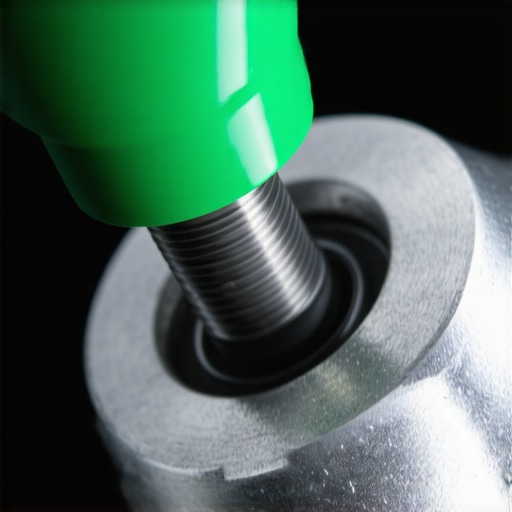
The ubiquity of green valve caps serves as a visual shorthand for nitrogen-filled tires. Beyond the marketing hype, nitrogen’s benefit lies in its larger molecular size compared to oxygen, which slows the rate of permeation through the tire’s rubber. However, the cap’s role here is even more vital. Because nitrogen inflation is often a premium service, maintaining that purity requires a perfect seal. Any moisture ingress—easily prevented by a gasketed cap—undermines the dry-gas benefits by introducing water vapor that fluctuates wildly in pressure as the tire heats up. Technical bulletins from the U.S. Tire Manufacturers Association (USTMA) confirm that maintaining consistent inflation pressure through proper sealing is the single most effective way to extend casing life and improve rolling resistance.
How does extreme temperature fluctuation compromise the internal elastomer seal?
Rubber compounds, including the tiny seals inside your valve cores and caps, are subject to the glass transition temperature phenomenon. In sub-zero environments, the elastomer loses its pliability and becomes brittle. If a valve cap is missing, the core’s seal is exposed directly to this thermal shock. When the tire heats up during a highway run and then rapidly cools in a driveway, the seal expands and contracts. Without a cap to stabilize the environment and provide a backup seal, these thermal cycles can create microscopic gaps in the valve seat. This is why many auto repair shops see a spike in ‘mystery’ leaks during the first cold snap of autumn.
Ultrasonic Leak Detection Catches What the Bubbles Miss
The old-school method of spraying soapy water on a stem to look for bubbles is still effective for major leaks, but high-performance shops now utilize ultrasonic leak detectors. These devices ‘listen’ for the high-frequency hiss of escaping air that is inaudible to the human ear. Often, the leak isn’t coming from the valve core itself, but from the base where the stem meets the rim. During a comprehensive brake service, a technician might bump the stem; if the rubber is aged, this creates a temporary path for air to escape. Using a cap with a deep-skirt design can actually provide a small amount of lateral stability to the core pin, reducing the likelihood of these vibration-induced losses. Integrating a full valve-stem inspection into your vehicle’s maintenance schedule is as critical as any engine work. Share your most baffling tire pressure stories in the comments, and don’t forget to check out our deep dive into tune up strategies to save money on auto repairs to keep your maintenance costs under control.
Expert Insights & Advanced Considerations
Heavy Decorative Caps Can Warp Your Valve Stems
While stainless steel or brass caps look premium, their weight creates a pendulum effect at high RPMs. This lateral force stresses the rubber base of the stem, often leading to slow leaks that even a skilled mechanic might miss during a visual inspection. To keep your wheel assembly balanced, stick to lightweight composite materials or anodized aluminum to avoid unnecessary mass at the perimeter of your wheel. This attention to detail is what separates a standard service from expert tips for optimal performance.
Road Salt Turns Metal Caps into Permanent Weld Points
In winter climates, the chemical reaction between dissimilar metals is accelerated by road brine. This galvanic welding can seize a metal cap to the TPMS stem so firmly that removal requires specialized auto repair techniques or total sensor replacement. Applying a dab of dielectric grease or using high-grade nylon caps is a pro-level move to prevent this fusion and ensure you are not dealing with why your tire pressure light stays on after filling up because of a damaged sensor.
Never Settle for Caps Without Internal Rubber O-Rings
The primary reason for pressure loss isn’t always a puncture; it is often a micro-leak through the valve core. A cap equipped with a high-quality O-ring acts as a secondary mechanical seal, holding pressure even if the core pin is compromised by dust or debris. This tiny seal is as critical to your safety as a regular brake service is to your stopping power. Always inspect the inside of your caps during your ultimate tune up checklist sessions.
Curated Expert Resources
NHTSA Tire Safety Portal: This is the definitive federal source for understanding tire failure data and the impact of under-inflation on vehicle dynamics and highway safety.
Tire Industry Association (TIA) Training: TIA provides the technical benchmarks that professional shops use to determine the best practices for wheel assembly integrity and explains why regular tune ups are key to car longevity.
SAE International Technical Papers: For those who want to dive into the physics of rotation, SAE offers peer-reviewed research on valve stem centrifugal pull-back and high-speed tire dynamics.
Final Expert Perspective
Mastering automotive maintenance often means looking at the smallest components with the most scrutiny. The tire valve cap is not just a dust cover; it is a critical fail-safe in your vehicle’s pneumatic system. Ensuring your stems are capped with gasketed seals is one of the simplest tune up strategies to save money on auto repairs and prevent the premature tire failure often seen when you ignore why your new tires are wearing out in months. If you have questions about your specific TPMS setup or want to share your own maintenance hacks, we invite you to connect with us or consult our guide on finding the right mechanic to ensure your vehicle remains in peak condition.