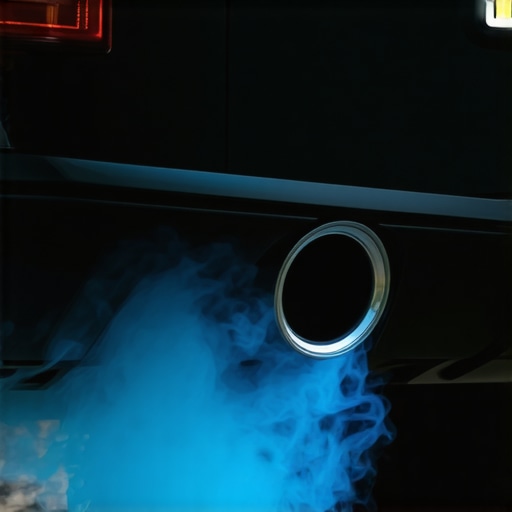
Detecting blue smoke from an exhaust pipe is more than a visual annoyance; it is a definitive biochemical signal that your internal combustion engine is consuming its own lubricant. While most drivers associate a standard tune up with spark plugs and air filters, blue smoke signals a deeper mechanical compromise within the combustion chamber or the forced induction system. This phenomenon, often occurring during rapid deceleration or cold starts, indicates that motor oil has bypassed the critical seals designed to keep it within the lubrication circuit, leading to carbon buildup and catalytic converter poisoning.
The Mechanics of Oil Blow-By and Piston Ring Failure
The primary culprit behind blue-tinted exhaust is the failure of the compression or oil control rings. In a high-performance engine, these rings maintain a microscopic seal against the cylinder walls. Over time, heat-cycling and infrequent oil changes cause these rings to lose tension or become “stuck” due to carbon varnish. This allows oil to bypass the piston and enter the combustion stroke. If you are noticing a drop in power alongside the smoke, a professional mechanic should perform a leak-down test to verify the integrity of the cylinder seal. Interestingly, how a clogged PCV valve can blow out your rear main seal is a related pressure-relief issue that mirrors the symptoms of ring failure by forcing oil into areas it does not belong.
Is Your Turbocharger Leaking Oil into the Intake?
For modern turbocharged vehicles, the source of blue smoke is frequently not the engine block itself but the turbine shaft seals. When these seals degrade, high-pressure oil lubricates the spinning turbine but simultaneously leaks into the intake manifold or the hot exhaust housing. This creates a thick cloud of blue smoke that is especially prominent under boost. According to research published by the Society of Automotive Engineers (SAE), oil aeration and seal degradation in high-RPM turbochargers are leading causes of premature auto repair requirements in downsized engines. If you suspect your turbo is failing, learning how to choose a skilled mechanic you can trust is essential to ensure the diagnostic process identifies whether the issue is the turbo or the base engine.
Valve Stem Seals and the Cold Start Symptom
If your vehicle emits a puff of blue smoke only upon starting after sitting overnight, the diagnosis typically points to worn valve stem seals. These seals prevent oil in the cylinder head from gravity-feeding down the valve guides into the combustion chamber while the engine is off. When they harden or crack, oil pools on the top of the intake or exhaust valves. Utilizing mechanic tips diagnosing common auto problems can help you distinguish this from more expensive bottom-end repairs. While you might be focused on a brake service or general maintenance, ignoring these seals can lead to fouled spark plugs and failed emissions tests. [image_placeholder] To stay ahead of these issues, consider following essential tune-up tips to boost your cars performance in 2025 to maintain optimal internal pressures. If you have noticed consistent oil consumption between changes, we invite you to share your diagnostic findings or ask our expert community about specific engine tolerances in the comments below.Beyond the hard mechanical failures of rings and seals lies a more insidious culprit: the Positive Crankcase Ventilation (PCV) system. If the PCV valve or its associated oil separator becomes clogged with sludge, internal pressure spikes, forcing oil vapors directly into the intake manifold. This creates a vicious cycle where the engine ‘breathes’ its own oil, leading to carbon-caked valves and a noticeable blue haze during acceleration. It is a common mistake to misdiagnose this as a catastrophic failure, but utilizing the $20 test kit that stops head gasket panic can quickly rule out a cooling system breach. A functional PCV system is a cornerstone of why regular tune-ups are key to car longevity, as it maintains the atmospheric balance required for clean combustion without compromising the oil seals. 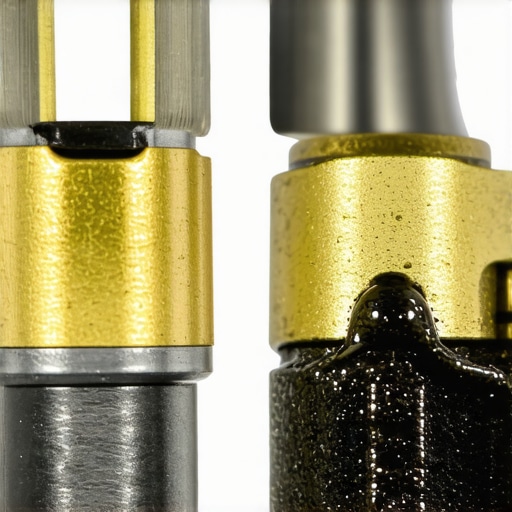
Can a Simple Chemical Soak Save Your Stuck Piston Rings?
In many high-mileage vehicles, blue smoke isn’t caused by worn-away metal but by carbonized oil ‘glue’ that prevents rings from expanding. Before committing to an engine rebuild, some specialists recommend a piston soak using professional-grade solvents introduced through the spark plug holes. This aggressive auto repair strategy aims to dissolve the varnish, allowing the rings to reseal against the cylinder walls. While results vary based on the level of neglect, many DIYers have found success using the $11 fuel treatment that actually works to keep the upper cylinder area clean and prevent future ring sticking. It is a high-reward gamble that costs significantly less than a shop’s labor rate for a complete engine teardown.
The Impact of Oil Viscosity and Thermal Breakdown
Modern engines are engineered with incredibly tight tolerances, often requiring ultra-thin 0W-20 or even 0W-16 synthetic oils. If a vehicle owner switches to a thicker oil in a misguided attempt to ‘stop a leak,’ they may unknowingly accelerate wear on the very seals they are trying to protect. Thick oil cannot properly lubricate the narrow oil galleries of a variable valve timing system, leading to sluggish response and increased internal friction. Conversely, if you notice your engine oil looks like a milkshake, you aren’t dealing with simple blue smoke; you have a coolant contamination issue that requires immediate mechanic intervention. Professional certification bodies like the National Institute for Automotive Service Excellence (ASE) emphasize that using the manufacturer-specified oil weight and high-quality synthetic fluids is the single most effective way to prevent the seal degradation that leads to chronic oil burning.
Protecting the Catalytic Converter from Oil Poisoning
The secondary victim of blue smoke is almost always the exhaust after-treatment system. When motor oil burns, it leaves behind phosphorus and zinc deposits that coat the precious metals inside your catalytic converter. This ‘poisoning’ reduces the converter’s chemical efficiency and will eventually trigger a P0420 trouble code, which is a guaranteed emissions test failure. Reviewing auto repair cost-saving tips from industry experts can help you understand that replacing a faulty PCV valve or a set of valve seals today for a few hundred dollars is much smarter than replacing a catalytic converter for $1,500 later. Proactive maintenance is the only way to avoid the cascading costs of engine neglect. If you have been tracking your oil consumption lately, drop a comment below with your vehicle’s mileage and the oil weight you use—we would love to help you troubleshoot the next steps for your specific engine and keep your car running clean for years to come.While we often blame physical wear, the chemical integrity of the oil film is equally vital. In many Gasoline Direct Injection (GDI) engines, ‘fuel wash’ occurs when unburnt gasoline sprays directly onto the cylinder walls during the intake stroke. This thins the oil film, allowing the remaining lubricant to vaporize and burn, creating that tell-tale blue haze. This isn’t just a mechanic‘s nightmare; it’s a fundamental shift in how we approach a tune up for modern powerplants. If you find your oil level dropping despite perfect compression numbers, the issue may lie in the oil’s volatility.
Stop Fuel Dilution Before It Destroys Your Lubrication Film
Fuel dilution is a silent killer of internal components. When gasoline mixes with the crankcase oil, it lowers the flashpoint of the lubricant, making it significantly easier for the engine to ‘breathe’ its own oil through the ventilation system. To combat this, high-performance enthusiasts often install a ‘catch can’ to intercept these vapors. However, for the average driver, staying on top of auto repair means more frequent oil changes in cold climates where the engine rarely reaches full operating temperature to boil off that excess fuel. Understanding the ASTM D5800 standard for Noack Volatility can help you choose an oil that is less likely to evaporate under the high-temperature conditions found in modern turbo-manifolds.
Does high-mileage oil actually stop blue smoke from exiting the tailpipe?
Many drivers reach for a bottle of high-mileage oil as a first line of defense, and there is legitimate science behind this choice. These formulations contain specific seal conditioners—essentially esters and plasticizers—that cause hardened rubber seals to slightly swell and regain their elasticity. If your blue smoke is caused by slightly weeping valve stem seals, these additives can provide a temporary reprieve. However, they cannot fix a physically torn seal or a cracked piston ring. If you are already planning a brake service, ask your technician to inspect the spark plug wells for oil; if they are wet, even the best high-mileage oil won’t save you from a failing valve cover gasket. 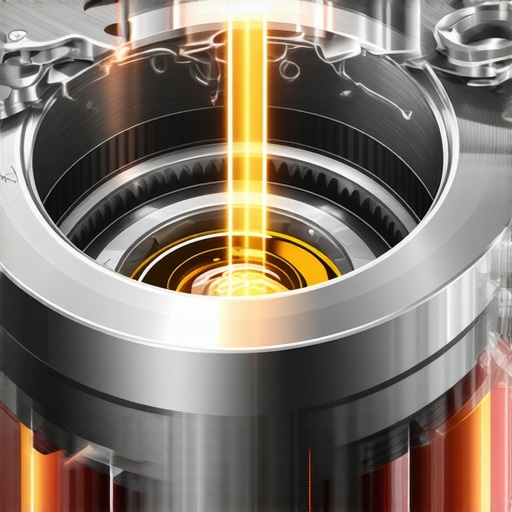
Precision Oil Scrapers and the Hidden Danger of Extended Drain Intervals
The bottom-most ring on your piston, the oil control ring, is a marvel of engineering designed to scrape excess lubricant back into the sump while leaving a microscopic film for the compression rings. In the quest for fuel efficiency, manufacturers have moved toward ‘low-tension’ oil rings. While these reduce friction, they are incredibly sensitive to carbon buildup. When you push your oil change intervals to the limit, the detergents in the oil are exhausted, allowing microscopic carbon particles to wedge themselves into the oil ring’s tensioner. This effectively ‘paralyzes’ the ring, preventing it from scraping the cylinder wall.
How Cylinder Wall Glazing Mimics Severe Engine Wear
Sometimes, the blue smoke isn’t coming from a broken part, but from a surface that is too smooth. Cylinder walls require a specific ‘cross-hatch’ pattern to hold onto a controlled amount of oil. Over hundreds of thousands of miles, or due to a lean-running condition that creates excessive heat, these walls can become ‘glazed’—a mirror-like finish that offers no grip for the oil. When this happens, the oil simply slides past the rings and into the combustion fire. Professional auto repair shops utilize a borescope to inspect these walls for the presence of original honing marks. If you’re curious about how your specific engine is holding up, we recommend grabbing a simple vacuum gauge; a steady, high needle at idle often indicates the bottom end is still sealed tight, even if you’re seeing occasional puffs of smoke. We’d love to hear your experiences with different oil brands—have you noticed a reduction in consumption after switching to a full synthetic? Let us know in the comments, and don’t forget to check out our guide on how to diagnose engine noise like a pro to complement your visual troubleshooting. Beyond the surface finish of the cylinders, the actual geometry of the block can shift under extreme thermal stress, a phenomenon known as…Beyond the surface finish of the cylinders, the actual geometry of the block can shift under extreme thermal stress, a phenomenon known as cylinder bore distortion. This structural shifting happens when differential thermal expansion—where the aluminum block and cast-iron liners expand at different rates—pulls the cylinder out of its perfect circularity. When your piston rings encounter these elliptical sections, they lose their ability to provide a uniform seal, allowing pressurized oil to bypass the rings and ignite. Even the most thorough mechanic can struggle to identify this without a complete teardown and the use of a dial bore gauge to map the cylinder’s geometry. 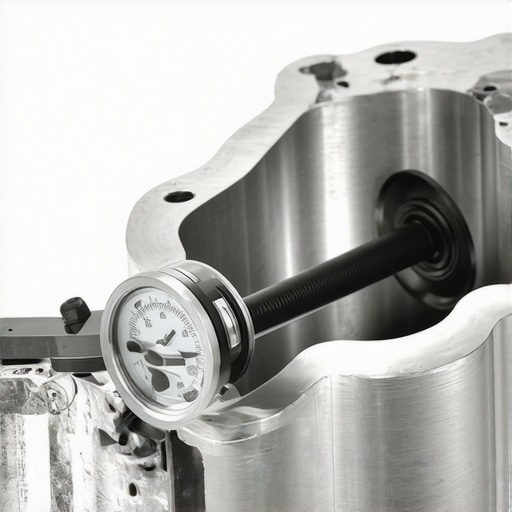
Why Heat Cycles Warp Your Engine Block Over Time
Long-term exposure to extreme temperature swings eventually fatigues the metal grain structure. This isn’t something a standard tune up can fix, as it is a fundamental change in the engine’s physical blueprint. High-performance engines often utilize torque plates during the honing process to simulate the stress of the cylinder head being bolted down, preventing this distortion from causing oil leaks later. According to technical bulletins from the AERA Engine Builders Association, ignoring these microscopic deviations in bore roundness is a leading cause of persistent oil consumption in high-mileage blocks that otherwise appear healthy.
How does erratic intake vacuum pull oil through your intake gaskets?
In certain V-configuration engines, the intake manifold acts as a lid for the lifter valley, which is constantly bathed in a high-pressure oil mist. If the intake gasket fails on the underside, the engine’s natural vacuum can draw that oil directly into the combustion ports. This creates a specific blue puff scenario during high-vacuum events, such as engine braking or idling at a red light. It is a deceptive failure that mimics valve seal wear but requires a completely different approach to auto repair. Identifying this requires a vacuum leak test or a visual inspection of the intake runners for fresh oil residue.
Stop the Scoring Before It Starts with Advanced Filtration
While you might be focused on your next brake service, the health of your engine seals is quietly being determined by the efficiency of your oil filter. Low-quality filters allow bypass events where unfiltered oil recirculates, carrying microscopic silicates that score the cylinder walls. These tiny scratches act as channels for oil to migrate upward. Transitioning to a synthetic media filter with a high Beta Ratio ensures that the abrasive particles responsible for seal degradation are trapped before they can do permanent damage. High-efficiency filtration is the cheapest insurance policy against the chronic oil burning that eventually necessitates a total overhaul.
Look Beyond the Engine to the Transmission Connection
For those driving classic vehicles with vacuum-modulated transmissions, the engine smoking might not be an engine problem at all. A ruptured modulator diaphragm allows the manifold vacuum to sip transmission fluid through the vacuum lines. Since automatic transmission fluid is a hydrocarbon, it produces a thick, blue-white smoke that smells distinctively acrid compared to motor oil. Diagnosing this early can save you from a transmission failure and a costly engine rebuild that would not have solved the root problem. Have you ever performed a professional oil analysis to check for the wear metals associated with these failures? Join our discussion below and share your lab results so we can help you interpret what your engine is trying to tell you.
Expert Insights & Advanced Considerations
Turbo-GDI Engines Face a Unique LSPI Threat
Modern downsized engines are prone to Low-Speed Pre-Ignition (LSPI), a phenomenon where oil droplets mix with fuel and ignite prematurely. This creates massive pressure spikes that can shatter piston rings instantly. While a standard tune up focuses on routine maintenance, preventing LSPI requires high-quality SN Plus or SP rated oils designed specifically to stabilize these chemical reactions. If you have seen blue smoke after a heavy acceleration event, your rings might already be compromised.
Why Your Vacuum Gauge Is More Accurate Than a Scan Tool
Technicians often rely too heavily on digital data, but a physical vacuum gauge remains the gold standard for assessing internal engine health. A steady needle at idle suggests the rings are sealing, even if blue smoke appears during deceleration. Using mechanic tips diagnosing common auto problems alongside manual tools allows for a surgical diagnosis that saves you from unnecessary auto repair costs.
Don’t Let Low-Tension Rings Turn Into a Seized Disaster
Low-tension rings are great for fuel economy but are highly susceptible to carbon sticking. Once they stop floating in their grooves, they begin to score the cylinder walls. Proactive owners should utilize the $11 fuel treatment that actually works to keep the combustion chamber free of the hard carbon deposits that paralyze these delicate components.
Curated Expert Resources
Blackstone Laboratories: Provides professional-grade oil analysis that detects wear metals like iron and chrome before they lead to catastrophic smoke issues. It is the best way to determine if your mechanic needs to dig deeper into the engine block.
SAE International (Society of Automotive Engineers): Accessing technical papers on oil aeration and seal degradation offers the most data-driven perspective on how high-heat cycles impact modern synthetic lubricants.
Identifix or Mitchell 1: These databases are used by professional shops to track real-world failure patterns. If your car is blowing blue smoke, these resources often reveal a specific Technical Service Bulletin (TSB) that could point to a known factory defect.
Final Expert Perspective
Addressing blue exhaust smoke requires moving past surface-level fixes and looking into the biochemical and structural integrity of the engine. Whether the issue is a simple PCV failure or the complex bore distortion of an aging block, early detection is your only defense against a total engine loss. Always prioritize high-quality filtration and the correct oil weight as part of your essential tune-up tips to boost your cars performance in 2025. Even if you are visiting the shop for a brake service, never ignore the visual signals coming from your tailpipe. What has been your most challenging diagnostic experience with oil consumption? Share your story in the comments below, or read our guide on how to choose a skilled mechanic you can trust to find a specialist who can handle these high-level repairs.