The Chemical Reality of Valve Stasis in Modern Engines
When a high-compression power plant develops a rhythmic metallic tick or a persistent rough idle, many drivers immediately anticipate a four-figure auto repair bill involving a complex top-end teardown. However, as an experienced mechanic, I have observed that many instances of valve hesitation are not mechanical failures but chemical ones. Carbon-induced valve stasis—where hardened combustion byproducts impede the valve’s ability to seat or travel—is an increasingly common phenomenon in the era of Direct Injection (DI). While a comprehensive brake service ensures your vehicle stops effectively, maintaining the internal cleanliness of your valvetrain is what ensures it actually moves under its own power.
The Direct Injection Dilemma and Carbon Crust
Unlike older port-injection systems, DI engines do not spray fuel over the intake valves, meaning the natural washing effect of gasoline is entirely lost. Over time, oil vapors from the PCV system bake onto the hot valves, forming a stubborn, abrasive crust. This is where a targeted tune up becomes more than just changing spark plugs; it requires a deep-cleaning chemical intervention. Following the essential guide to auto repair, we see that preemptive chemical cleaning can save thousands in labor costs by preventing the need for physical walnut blasting of the intake ports.
Does a $15 Solvent Actually Penetrate Hardened Carbon Deposits?
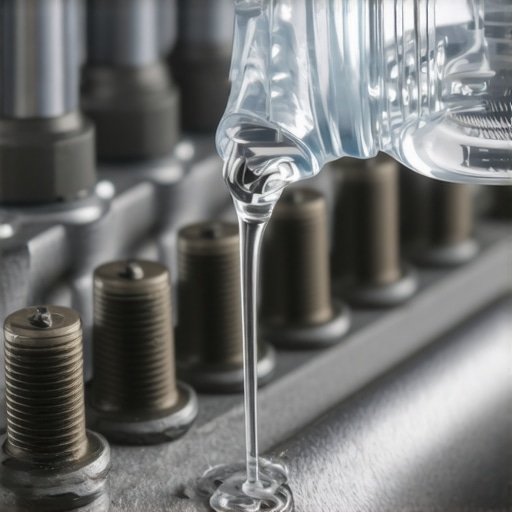
The skepticism surrounding “mechanic in a bottle” products is often well-founded, yet the chemistry of Polyetheramine (PEA) tells a different story. When introduced directly into the intake tract via a vacuum line or high-pressure fuel rail, these high-concentration detergents undergo a phase change that allows them to soften and eventually atomize carbon layers. According to technical papers from the Society of Automotive Engineers (SAE), specific detergent formulations are highly effective at mitigating Intake Valve Deposits (IVD) if the saturation is addressed before the carbon becomes vitrified. This process is a staple in tuning up your car like a pro, providing a bridge between simple maintenance and invasive surgery.
Tactical Application and Professional Outcomes
To achieve professional-grade results with a $15 additive, one must understand the heat-soak method. Applying the cleaner and then allowing the engine to sit—allowing the chemicals to penetrate the carbon pores—is the secret technique used by industry veterans to free up stuck lifters and valves. This is a primary example of auto repair cost-saving tips from industry experts. By integrating this into your regular maintenance cycle, you effectively extend the life of your cylinder head components without the need for specialized machinery. If you are struggling with a mystery stumble, it is worth trying this chemical recovery before assuming the worst. Explore our mechanic tips for diagnosing common auto problems to see if your symptoms align with valve sticking or a different ignition issue altogether.
Stop Guessing with a $40 Borescope
For the DIY enthusiast, the transition from theoretical diagnosis to high-precision practice often requires visual confirmation. You can read about carbon crust all day, but seeing a restricted intake port through a digital lens fundamentally changes your perspective on maintenance. Using a simple USB borescope allows you to peer into the intake manifold without a full teardown, providing the same clarity a professional receives from the 20 dollar scanner that every modern driver should own. If you find that the valve stems look like they have been dipped in coal tar, you have moved beyond the territory of simple additives and into the realm of tactical chemical saturation. 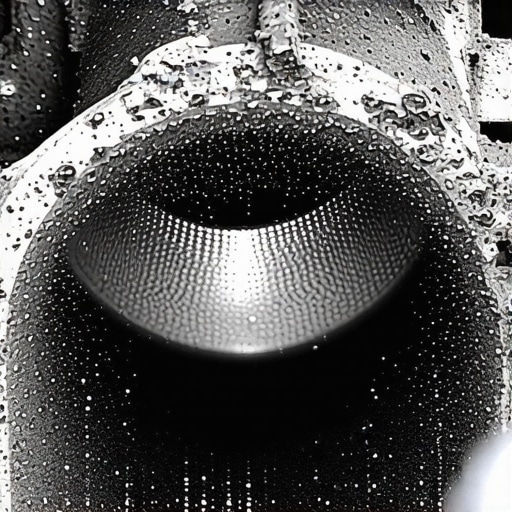
Is Your Rough Idle a Ghost in the PCM or Physical Gunk?
One of the most frustrating aspects of modern engine management is the overlap between mechanical obstructions and electronic sensor failure. A stumble at a red light could easily be a failing 12 dollar sensor that fixes your rough idle, or it could be a valve that is simply too heavy with carbon to close in time with the camshaft’s profile. According to data from Consumer Reports, Gasoline Direct Injection (GDI) engines often suffer from significant power loss and hesitation long before a check engine light even flickers, because the computer attempts to compensate for the physical airflow restriction by adjusting fuel trims. This hidden struggle eventually kills your efficiency, often leading back to the hidden valve that causes poor gas mileage.
The Oil Vapor Connection and PCV Management
While the focus is often on the valves themselves, the source of the problem is frequently an overworked or neglected Positive Crankcase Ventilation (PCV) system. When the PCV valve sticks or fails, it allows an excessive amount of oil mist to enter the intake tract, where it meets the heat of the intake valves and bakes into the very crust we are trying to avoid. Understanding how a clogged PCV valve can blow out your rear main seal is vital because it illustrates the systemic nature of engine pressure. If you are cleaning your valves but ignoring the PCV, you are merely treating a symptom while the disease continues to spread. Proactive replacement of this small plastic component is perhaps the most underrated expert move in modern car care.
When Chemical Solutions Meet Physical Limits
There is a threshold where even the strongest PEA-based detergents cannot save a neglected engine. If the carbon has reached a vitrified state—becoming a hard, glass-like substance—the chemical soak may only remove the top layer. In these cases, you might notice persistent leaks around the upper engine area, sometimes requiring the 12 dollar valve cover gasket trick for persistent leaks to maintain vacuum integrity. If you have tried a chemical recovery and the stumble remains, share your specific symptoms in the comments below or check our diagnostic guides to see if your issue might actually be related to spark timing or fuel pressure. Transitioning from chemical cleaning to mechanical cleaning is a labor-intensive jump, but it is one that can restore a vehicle to showroom performance levels if done correctly.
Why Redlining Your Engine Won’t Scrub Those Valves Clean
Many old-school enthusiasts still cling to the myth of the “Italian Tune-Up”—the idea that driving a vehicle at high RPMs for an extended period will magically “blow out” carbon deposits. While this might have held some truth in the era of carburetors where high heat could burn off soft soot, it is largely a fairy tale for modern Gasoline Direct Injection (GDI) powerplants. Because the fuel, which contains detergents, never touches the back of the intake valve, you are simply subjecting a dry, carbon-crusted component to extreme thermal stress. Without a solvent to facilitate the breakdown, you aren’t cleaning the engine; you are essentially kiln-firing the carbon into a permanent ceramic-like state. This highlights why a professional tune up in the modern era must involve more than just mechanical parts replacement—it requires a strategy for chemical decarbonization.
Can carbon deposits cause catastrophic engine failure?
Beyond the annoyance of a rough idle or a loss of fuel economy, there is a much more sinister threat lurking within a carbon-fouled engine: Low-Speed Pre-Ignition (LSPI). When small fragments of hardened carbon break off from the intake valve or piston crown, they can remain glowing hot within the combustion chamber. These “hot spots” can ignite the fuel-air mixture prematurely, leading to massive pressure spikes that can shatter piston rings or bend connecting rods in an instant. This phenomenon is extensively documented by organizations like The American Petroleum Institute (API), which introduced specific oil standards like SP and SN Plus specifically to combat LSPI in turbocharged GDI engines. If you’ve noticed a heavy metallic clatter under load, you aren’t just looking at a simple auto repair; you might be witnessing the early stages of a total engine meltdown. 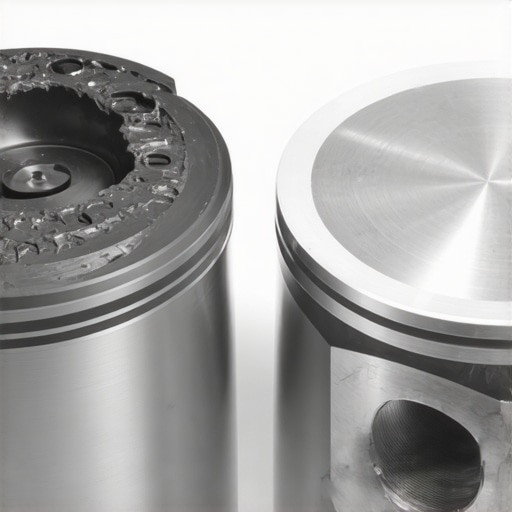
Trap the Oil Vapor Before it Reaches Your Intake
If you have successfully performed a chemical soak and restored your engine’s performance, the next logical step is preventing the recurrence of the crust. The primary culprit is the oily mist recirculated by the PCV system. Installing a high-quality, baffled oil catch can is the professional’s secret weapon for GDI longevity. By intercepting the air-oil mixture and forcing it through a series of internal baffles, the oil condenses and settles in a reservoir instead of being baked onto your valves. This is a level of preventative maintenance that goes far beyond a standard brake service or oil change, effectively re-engineering the engine’s breathing circuit for long-term health. Think of it as a secondary filtration system that keeps your intake tract as clean as the day it left the factory.
How to Tell if Your Catch Can is Actually Working
A properly functioning catch can will typically collect a “sludge cocktail” of oil, fuel, and water vapor, especially during colder months. If you find your reservoir empty after 1,000 miles, you likely have a vacuum leak or an improperly routed hose that is bypassing the filter entirely. To ensure you aren’t introducing more problems than you are solving, always verify your vacuum integrity. If you’re unsure how to check for these hidden leaks, our guide on mechanic tips for diagnosing common auto problems provides a step-by-step walkthrough on using smoke machines and vacuum gauges to find the culprits. Keeping this system sealed is vital for maintaining the precise air-fuel ratios required by the PCM. Have you ever installed a catch can and been shocked by what you found inside? Share your experience in the comments or let us know your vehicle’s mileage to see if you’re at the high-risk threshold for valve stasis.
The Thermal Dynamics of Valve Cleaning
When you finally decide to perform a tactical chemical intervention, timing your application with the engine’s thermal cycle is the difference between success and failure. Applying a PEA-based cleaner to a stone-cold engine is often a waste of product, as the chemical requires a specific temperature range to begin the molecular breakdown of vitrified carbon. Conversely, a scorching hot engine may evaporate the solvent before it has time to penetrate the pores of the buildup. The “sweet spot” is usually reached shortly after the thermostat opens, where the metal is expanded enough to allow the chemicals to seep into the microscopic fissures of the carbon crust.
Stop Blaming the Gas Pump for Your Dirty Intake Valves
While we often discuss the mechanical and chemical methods of removing carbon, it is equally important to understand the nuance of fuel chemistry and its limited role in modern GDI systems. Many owners believe that switching to premium 93-octane fuel will eventually scrub their intake valves clean through superior detergent packages. However, because the fuel injector in a Direct Injection engine bypasses the intake port entirely, the highest quality detergents in the world remain trapped in the combustion chamber. This creates a technical paradox: you may have a perfectly clean piston crown while your intake valves are simultaneously choking on carbon. To truly mitigate this, you must look beyond the fuel tank and toward the volatility of the lubricants circulating through your crankcase.
Does high-octane gasoline actually prevent the dreaded carbon crust?
The short answer is no, but the long answer involves a complex understanding of flame front propagation and soot production. While higher octane does not clean the valves, it can lead to a more controlled combustion event, which theoretically reduces the amount of unburned hydrocarbons that the PCV system has to recycle. Yet, even with the best fuel, the fundamental design of GDI engines ensures that oil mist remains the primary enemy. If you are serious about a proper tune up, you should be less concerned with octane ratings and more focused on the evaporation loss of your motor oil, a factor that many high-volume auto repair shops fail to mention to their customers.
Pick Your Motor Oil Based on the Noack Volatility Rating
The secret to preventing valve stasis lies in the laboratory, specifically in the Noack Volatility Test. This test measures the percentage of oil that evaporates when heated to high temperatures; the lower the percentage, the less oil vapor is sucked through the PCV system and onto your valves. High-quality synthetic oils often boast a Noack score below 10%, whereas cheaper conventional oils may lose up to 15% of their mass to evaporation. By selecting an oil with superior thermal stability, you are essentially starving the carbon buildup at its source. According to the ASTM D5800 standard, maintaining low evaporative loss is the single most effective way to reduce the volume of nebulized oil entering the intake tract. 
Precision Diagnostics with In-Cylinder Pressure Transducers
When chemical cleanings and brake service-style routine checks aren’t enough to solve a persistent misfire, elite technicians turn to in-cylinder pressure transducers. Unlike a traditional compression test that only gives you a peak value, a transducer connected to an oscilloscope allows you to see the entire four-stroke cycle in real-time. You can actually visualize a valve that is slightly hanging open due to carbon interference, even if it’s only by a fraction of a millimeter. This level of mechanic expertise moves the needle from guesswork to forensic science, allowing for a definitive diagnosis before you commit to the labor-intensive process of removing the cylinder head. It is the ultimate tool for confirming whether your engine’s struggle is a physical obstruction or an electronic ghost.
The Critical Role of Induction System Vacuum Integrity
A final, often overlooked component of the decarbonization process is the restoration of vacuum integrity after a chemical soak. Harsh chemicals can occasionally degrade aged rubber gaskets or vacuum lines that were already on the verge of failure. If your car feels smoother but still hunts for a steady idle, you likely have a small post-cleaning vacuum leak. This is the perfect moment to perform a quick smoke test or check your fuel trims with a diagnostic scanner. Have you ever performed a deep clean only to be met with a new, mysterious whistling sound under the hood? Drop a comment below with your current oil brand and any post-cleaning symptoms—let’s see how your specific setup is handling the GDI challenge and if your volatility specs are truly protecting your investment.
Expert Insights & Advanced Considerations
Why Your GDI Engine Needs a Catch Can Today
Installing a baffled oil catch can is no longer an optional modification for those seeking long-term reliability. By intercepting oil vapors before they reach the intake valves, you effectively cut off the food supply for carbon deposits. This proactive step is often the difference between an engine that hits 200,000 miles and one that requires a top-end teardown. It is a sophisticated part of any modern tune up strategy that focuses on prevention rather than just repair.
Thermal Cycles Matter More Than You Think
Chemical cleaning is a game of heat and time. If you apply solvents to a freezing engine, the chemical bonds in the carbon won’t break; if you do it on a glowing hot engine, the solvent evaporates before it can penetrate. A professional mechanic knows to wait until the engine is just warm to the touch, ensuring the metal has expanded enough for the PEA detergents to seep into the microscopic fissures of the carbon crust. This precision is what separates a successful recovery from a wasted bottle of cleaner.
Check Those Vacuum Lines After Every Deep Clean
Harsh induction cleaners can occasionally stress aged rubber components or reveal leaks that were previously “sealed” by gunk. After performing a deep chemical soak, always verify your vacuum integrity to avoid a wandering idle. Using the 11 dollar fuel treatment that actually works in conjunction with physical cleaning ensures both the fuel system and the air path remain clear. If you find persistent leaks around the head, you might need the 12 dollar valve cover gasket trick for persistent leaks to restore the sealed environment your PCM expects. #IMAGE_PLACEHOLDER_E#
Curated Expert Resources
- ASTM D5800 Technical Documentation: This is the global benchmark for Noack Volatility. Studying this allows you to identify which synthetic oils resist evaporation, thereby keeping your intake valves cleaner for longer intervals.
- The Ultimate Tune-Up Checklist: Our comprehensive internal guide for maintaining system-wide health, ensuring that no sensor or mechanical component is overlooked during your annual service.
- SAE International Research Papers: Searching for “Intake Valve Deposit formation” provides the rigorous chemical data needed to understand why specific detergents work and others fail.
- Mechanic Safety and Standards Guide: A vital resource for ensuring your auto repair efforts meet professional safety standards, protecting both you and your vehicle’s delicate electronic components.
Final Expert Perspective
Solving the riddle of valve stasis requires moving beyond outdated maintenance myths and embracing the specific chemistry of modern engines. Whether you are performing a standard brake service or diving into complex induction cleaning, success lies in understanding how heat, pressure, and chemistry interact. A targeted tune up that includes aggressive chemical decarbonization can restore showroom performance and prevent a minor stumble from evolving into a catastrophic auto repair. If your vehicle is struggling with a mystery misfire, try these tactical steps first. Have you seen the difference a chemical soak makes? Join the discussion below and share your diagnostic breakthroughs with our community of experts.