
Why Your RPMs Hunt and Peck at Red Lights
Modern internal combustion engines operate on a razor’s edge of efficiency. When you feel that rhythmic vibration through the steering wheel while stopped, you are experiencing a disruption in the stoichiometric balance. This isn’t just a nuisance; it’s a symptom of a system struggling to calculate the exact volume of air entering the intake manifold. While a routine tune up can address spark plug fouling, a persistent rough idle often points toward a more specific electronic failure. Professional mechanic tips suggest that before you commit to a major overhaul, you must analyze the data stream coming from your vehicle’s air-management sensors.
The $12 Component Often Overlooked by General Shops
In the world of professional auto repair, diagnostic accuracy is the difference between a satisfied customer and a costly ‘parts cannon’ approach. Many technicians immediately suggest expensive throttle body cleanings or fuel injector replacements, yet the culprit is frequently a modest $12 sensor—specifically the Intake Air Temperature (IAT) sensor or a Mass Air Flow (MAF) equivalent. These components communicate directly with the ECU to adjust fuel trim. If the data is skewed by just a few percentage points, the engine cannot maintain a steady 750 RPM. You can find the 15-dollar sensor that fixes your rough idle in minutes if you know where to look. According to SAE International, sensor-driven fuel management is the cornerstone of modern engine longevity and emissions control.
Does Your Scan Tool Reveal the Real Culprit?
A common mistake is waiting for a Check Engine Light (CEL) to appear. However, many air sensors can fail ‘within range,’ meaning they provide data that is technically valid but physically incorrect. This prevents the computer from triggering a code while still causing the engine to stumble. Expert diagnostics involve monitoring ‘Live Data’ to see if the sensor’s reaction time is lagging. If your vehicle feels sluggish or shows a decrease in MPG, checking these small components is an auto repair cost-saving tip that avoids the need for a full-scale brake service or suspension check just to find peace of mind. If you are struggling with a complex diagnostic issue, we invite you to contact us for further professional guidance.
Stop Chasing Ghost Problems with Better Diagnostics
When you approach your car’s maintenance with an analytical mindset, you realize that many ‘major’ issues are actually small electronic discrepancies. A skilled mechanic doesn’t just read codes; they interpret the behavior of the entire powertrain. Replacing a simple sensor often restores the smoothness of a brand-new vehicle, proving that high-end performance doesn’t always require a high-end price tag. By understanding how these $12 parts influence the larger system, you can effectively manage your own vehicle’s health and avoid being upsold on unnecessary repairs during your next service visit.
Find Invisible Air Leaks Without Expensive Smoke Machines
Detecting air leaks beyond the intake boot requires a tactical approach. Many drivers assume a rough idle is strictly a sensor issue, but unmetered air—air that enters the engine after the mass air flow sensor—can wreak havoc on fuel trims. This is often caused by a degraded vacuum line or a brittle manifold gasket. You might find that the 5-dollar vacuum leak that makes your transmission shift hard is also the underlying reason your engine stumbles at every stoplight. 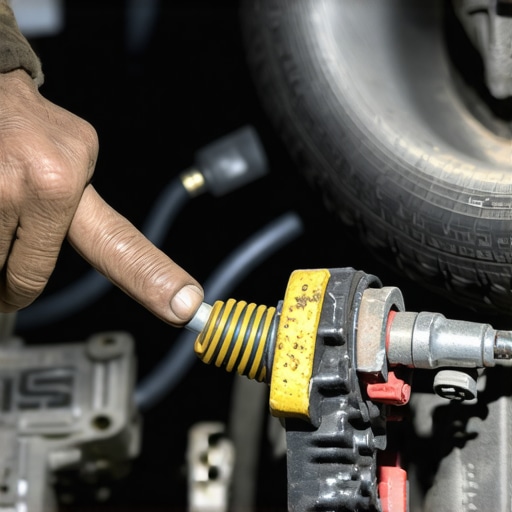 When the ECU detects more oxygen than expected in the combustion chamber, it frantically adds fuel to compensate, leading to the frustrating ‘hunting’ behavior that wears down your motor mounts over time.
Why Does Your Electrical Load Impact Engine Smoothness?
Have you ever noticed your RPMs dip specifically when you turn on the headlights, the heater, or the rear defroster? This is a classic sign of an electrical system struggling to maintain a consistent ‘reference voltage.’ Modern engine sensors rely on a stable 5-volt signal from the ECU to report accurate data. If your main engine ground is corroded or loose, that signal becomes ‘noisy,’ causing the computer to misinterpret engine load. According to the National Institute for Automotive Service Excellence (ASE), electrical resistance in high-amperage circuits is one of the most frequently misdiagnosed causes of intermittent engine stalling. Before you commit to replacing a computer, checking the 12-dollar ground wire that fixes stalling issues can save you hundreds in unnecessary labor fees.
The Hidden PCV Failure That Mimics Major Oil Consumption
A common expert-level trap is the Positive Crankcase Ventilation (PCV) system. When the PCV valve sticks, it doesn’t just affect your idle quality; it fundamentally alters the internal pressure of the entire engine block. High crankcase pressure can force oil past seals that are otherwise perfectly healthy. Understanding how a clogged PCV valve can blow out your rear main seal is vital for anyone seeing fresh oil spots on their driveway. Most vehicle owners fear a failing head gasket when they see smoke or smell burning oil under the hood, yet the 14-dollar PCV valve fix that stops engine oil consumption is often the actual, much simpler solution.
Ignition Misfires Without the Dashboard Warning
Finally, we must address the phenomenon known as the ‘phantom misfire.’ This occurs when an ignition coil is on the verge of failure but still generates enough spark to keep the engine running—barely. This typically happens under high-load, low-RPM situations, such as when you are accelerating gently from a complete stop. You can learn how to tell if your ignition coil is failing without a scanner by performing a simple stress test on the secondary ignition components. If you find these diagnostic steps helpful, consider sharing this guide with a fellow DIYer who is tired of their car shaking at every red light.
Why Your ECU’s Hidden Memory Holds the Key to Performance
To truly master modern vehicle maintenance, you must look past the immediate symptoms and investigate the Long-Term Fuel Trim (LTFT). Think of the LTFT as your car’s ‘learned behavior’; it represents the permanent adjustments the computer makes to compensate for aging components. If your scanner shows a positive trim higher than 10%, the engine is compensating for a lean condition, likely a pinhole leak in an intake boot or a failing fuel pump. This hidden data stream allows a savvy mechanic to predict a failure weeks before it leaves you stranded on the shoulder. By correcting these trims early through a precision tune up, you stop the ripple effect that eventually destroys expensive catalytic converters.
Can Clogged Intake Valves Cause a Misfire Without a Code?
In many modern Gasoline Direct Injection (GDI) engines, the answer is a definitive yes. Because fuel is sprayed directly into the combustion chamber rather than over the intake valves, there is no detergent ‘wash’ to keep the valves clean. Over time, carbon deposits bake onto the valve stems, creating a physical barrier that disrupts the tumble and swirl of incoming air. This turbulence leads to a ‘cold-start stumble’ that vanishes once the metal expands with heat. Technical documentation from Robert Bosch GmbH confirms that even a millimeter of carbon accumulation can reduce volumetric efficiency by nearly 15%, causing a rough idle that feels exactly like a failing ignition coil. 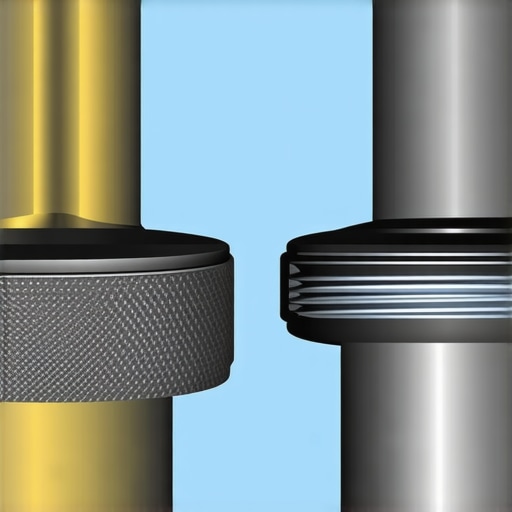 Identifying this early is a critical auto repair cost-saving tip, as chemical cleaning is far cheaper than a full cylinder head teardown.
The GDI Carbon Trap and How to Escape It
If you suspect carbon buildup is the thief of your engine’s smoothness, traditional fuel additives in the gas tank won’t help—they never touch the back of the valves. Instead, professionals utilize specialized intake tract cleaners or ‘walnut blasting’ to physically remove the crud. For the dedicated DIYer, performing a dedicated intake cleaning every 20,000 miles is an essential part of an advanced auto repair routine. This maintenance prevents the ‘hesitation’ felt during light acceleration and restores the crisp throttle response your car had the day it left the showroom. If you’ve never performed an intake service, we recommend you contact us for a list of approved solvents that won’t damage your turbocharger or oxygen sensors.
Clean Your VVT Solenoid Before You Blame the Timing Chain
Variable Valve Timing (VVT) has revolutionized fuel economy, but it relies entirely on the hydraulic pressure of your engine oil. When oil changes are neglected, microscopic sludge begins to clog the fine mesh screens inside the VVT solenoids. This causes the camshaft timing to ‘lag,’ leading to a deep, rhythmic vibration at idle that feels remarkably like a mechanical timing chain failure. However, before you spend thousands on a timing kit, try a specialized oil system flush. Many times, the rough idle is simply the solenoid struggling to return to its base position. Ensuring your oil viscosity matches the manufacturer’s spec is more than just a recommendation; it is the primary defense against VVT-related stalling. In many cases, a simple solenoid cleaning provides the same results as a high-end brake service or suspension overhaul—total restoration of vehicle control and driver confidence. When the solenoid can’t move, the engine’s ‘breath’ is essentially held at the wrong moment, leading to a loss of torque that many drivers mistake for a transmission slip.
Stop Letting a Tired Fuel Pump Trick Your ECU
Even if your fuel pressure gauge shows a steady 50 PSI at the rail, the volume of delivery might be tapering off during high-demand transitions. Modern returnless fuel systems use Pulse Width Modulation (PWM) to control pump speed with surgical precision. If the pump’s internal motor is dragging due to age-related friction or commutator wear, it won’t react fast enough to the ECU’s commands during a sudden return to idle. This results in a momentary “lean spike” that causes the RPMs to dip dangerously low before the closed-loop system can catch them. Integrating a fuel volume and duty-cycle test into your standard tune up prevents the frustration of replacing perfectly good injectors when the real culprit is a lazy pump motor hidden in the tank.
Why Heat-Soaked Wiring Harnesses Ruin Your Cold Start Diagnostics
Temperature-induced resistance is the silent killer of diagnostic accuracy in a modern engine bay. As the environment reaches operating temperatures, brittle wiring insulation or compromised shield grounds can allow for “cross-talk” or increased resistance in critical sensor circuits. A mechanic might see perfect data when the car is cold, only to have the idle become erratic after thirty minutes of heavy traffic. This is often due to the thermal expansion of copper strands within a crimped connector or a harness rub-through that only grounds out when the engine torques under load. According to technical insights from Denso, microscopic corrosion at the terminal pins can create a voltage drop that essentially “blinds” the ECU to the true throttle position, leading to an unstable idle that no amount of throttle body cleaning will fix.
Is Your Alternator’s Diode Bridge Creating Ghost Sensor Data?
One of the most elusive causes of a rough idle is “AC ripple,” a phenomenon where the vehicle’s charging system “leaks” alternating current into the DC network. While your battery provides stable Direct Current, your alternator generates AC which is then rectified. If one of the six diodes in the alternator’s bridge fails, it produces a noisy electrical signature. This “noise” can interfere with the high-speed frequency signals from the Crankshaft Position Sensor or the Mass Air Flow sensor.  Because the ECU uses these pulses to time every combustion event, even a half-volt of AC interference can lead to erratic firing intervals and a rhythmic stumble. Testing for AC ripple with a digital oscilloscope is a sophisticated auto repair technique that identifies a failing charging system long before it leaves you with a dead battery.
Beat the CAN-Bus Communication Blues Before Swapping Hardware
In the interconnected ecosystem of a modern vehicle, the engine doesn’t operate in a vacuum. A “chattering” control module for something as seemingly unrelated as the power seats, window regulators, or the ABS can flood the Controller Area Network (CAN-Bus) with priority-interrupting data packets. When the powertrain control module (PCM) has to wait for a clear window to send critical spark timing adjustments, the engine’s idle quality suffers as it misses its optimal “window” for correction. True auto repair mastery involves checking for “U” prefix codes which indicate these communication breakdowns between computers. Rather than performing an unnecessary brake service or throwing sensors at the problem, a savvy technician will systematically pull fuses for non-essential systems to isolate the “noisy” neighbor on the data line. If you are tired of playing the guessing game with your car’s performance, we invite you to contact us for a tailored diagnostic roadmap that solves the root cause once and for all.
Expert Insights & Advanced Considerations
Voltage Drop Tests Reveal More Than a Multi-Meter
A simple battery voltage reading is often a red herring. To truly diagnose a stumbling engine, you must perform a dynamic voltage drop test while the circuit is under load. This reveals high resistance in wires that look perfectly healthy. Even a skilled mechanic knows that a 0.5-volt drop across a main ground can confuse an ECU enough to cause erratic idling. By checking the 12-dollar ground wire that fixes stalling issues, you address the foundation of the electrical system before chasing more expensive sensor failures.
Don’t Trust Cheap Aftermarket Sensors in Precision Circuits
While the allure of a $10 part from an unverified online vendor is strong, modern engines are tuned to specific resistance curves. A low-quality replacement for the 15-dollar sensor that fixes your rough idle may physically fit but provide noisy data that leads to long-term fuel trim drift. For a reliable tune up, always prioritize OEM or tier-one supplier components to ensure the computer isn’t constantly fighting incorrect data.
Logic-Based Scoping Beats Trial-and-Error Part Swapping
The parts cannon approach is the most expensive way to fix a car. Using a digital oscilloscope to visualize the actual signal pattern of a crank or cam sensor provides definitive proof of failure. Following professional mechanic tips means moving from guessing to data-driven certainty. This level of precision is what defines high-quality auto repair in the modern era. #IMAGE_PLACEHOLDER_E#
Curated Expert Resources
For those looking to deepen their diagnostic proficiency, we recommend these industry-standard resources. The SAE International technical papers provide the baseline for sensor communication protocols. ASE Study Guides offer a structured approach to master electrical and engine performance systems. Lastly, the iATN (International Automotive Technicians Network) is an invaluable peer-to-peer database where real-world fixes for ghost problems are documented by professionals.
The Final Word on Precision Engine Health
Achieving a smooth, reliable idle isn’t about luck; it is the result of systematic diagnostics and high-quality maintenance. By looking beyond the surface symptoms and addressing the underlying electrical and mechanical discrepancies, you ensure your vehicle’s longevity. Whether it’s a simple sensor cleaning or a complex vacuum leak hunt, staying proactive with auto repair will save you thousands over the life of your car. If you find yourself stuck on a particularly stubborn diagnostic challenge, do not hesitate to contact us for expert guidance or to share your own success stories with the community.