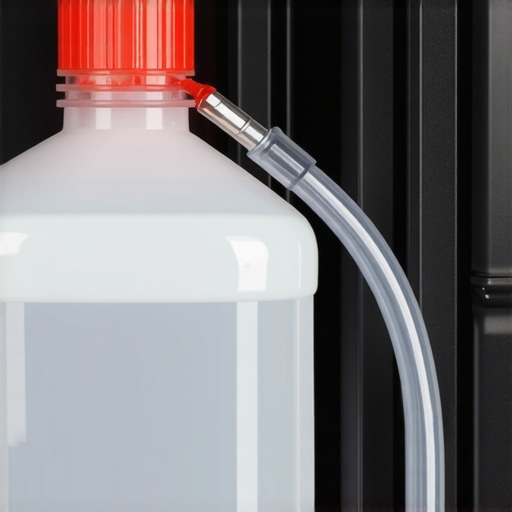
Hydraulic braking systems represent one of the few automotive components where a deviation of even one percent in fluid integrity can result in catastrophic failure. For the seasoned mechanic or the dedicated DIY enthusiast, maintaining a firm pedal feel isn’t just about driver comfort; it is about managing thermal dynamics and incompressible fluid physics. Traditionally, a professional-grade brake service required a two-person team or expensive vacuum pumps that could cost hundreds of dollars. However, the emergence of the $15 one-way bleeder bottle has shifted the paradigm, allowing for laboratory-grade precision in a home garage. This tool addresses the fundamental challenge of air ingress, which is the primary culprit behind spongy pedals and reduced clamping force.
Hydraulic Integrity and the Science of Consistent Stopping Power
The primary enemy of any auto repair involving hydraulics is the hygroscopic nature of brake fluid. Over time, fluid absorbs moisture from the atmosphere, which significantly lowers its boiling point and leads to internal corrosion of calipers and master cylinders. When you perform a tune up of the braking system, the objective is to purge these contaminants without introducing even a microscopic amount of atmospheric air. Air is compressible; brake fluid is not. If air remains trapped, the force applied at the pedal is wasted on compressing that air bubble rather than moving the caliper pistons. Professional technicians often see cases where the brake pedal goes to the floor after a long drive because the heat caused old, moisture-laden fluid to boil, creating vapor locks that only a thorough bleeding could have prevented.
How Does a One-Way Check Valve Prevent Fluid Recirculation?
The genius of the $15 bleeder bottle lies in its integrated check valve. In a standard two-person bleed, one person must close the bleeder screw before the other releases the pedal to prevent air from being sucked back into the system. The one-way valve automates this critical step. As you pump the pedal, the fluid pressure forces the valve open; as soon as pressure drops, the valve snaps shut, sealing the system against the atmosphere. This enables you to maximize your brake service efficiency by completing a full system flush in half the time, ensuring that only fresh, uncontaminated DOT fluid remains in the lines.
Maintaining Fluid Purity to Protect Modern ABS Modules
Modern Anti-lock Braking Systems (ABS) utilize complex solenoid valves with incredibly tight tolerances. Debris or degraded fluid can lead to these valves sticking, resulting in expensive modular replacements. According to safety guidelines established by organizations like the National Highway Traffic Safety Administration (NHTSA), maintaining the hydraulic health of the vehicle is paramount for the operational success of electronic stability control systems. Using a dedicated bleeder bottle ensures a closed-loop environment, significantly reducing the risk of grit or dust entering the master cylinder reservoir. If you have noticed your steering wheel vibrating while applying pressure, you might need to address more than just the fluid; check out our guide on why your steering wheel shakes when you brake at high speeds to diagnose mechanical runout or rotor issues.
Professional Outcomes on a Hobbyist Budget
The transition from amateur to expert DIYer often hinges on the quality of tools and the logic applied to their use. Relying on gravity bleeds or makeshift jars often results in sub-optimal pressure and potential contamination. The magnetic mount often found on these $15 bottles allows for the bottle to be placed higher than the bleeder screw, utilizing gravity as an additional seal against air bubbles rising back into the caliper. This is a subtle but effective technique used by pros to ensure a rock-hard pedal every time. For those looking to go further, mastering these nuances is part of learning how to tune up your car like a pro, ensuring that every safety-critical component is performing at its peak factory specification.
Selecting the correct fluid grade is just as vital as the bleeding process itself. Many car owners fall for the trap of ‘lifetime’ fluids, but as we’ve discussed regarding other systems, there is a dirty secret about lifetime transmission fluid that applies equally to your brakes: no fluid lasts forever. Oxidation and thermal cycling eventually break down the additives that protect your lines from internal rot. To stay ahead of this, you should regularly consult the brake fluid color chart to determine if your fluid has transitioned from a healthy amber to a dangerous, moisture-heavy black. Degradation often happens silently, as moisture is drawn through microscopic pores in rubber brake hoses, making a scheduled flush mandatory regardless of mileage.
The Impact of Fluid Chemistry on Braking Dynamics
Can You Mix DOT 4 and DOT 5.1 Without Compromising Seal Integrity?
While many enthusiasts assume higher numbers are always better, the compatibility of chemical bases is non-negotiable. DOT 3, 4, and 5.1 are glycol-based and can technically be mixed, though doing so effectively lowers the boiling point to the weakest link in the chain. However, silicone-based DOT 5 must never be introduced to a glycol system, as it will cause seal swelling and complete hydraulic failure. According to the Society of Automotive Engineers (SAE), J1703 and J1704 standards define the rigorous testing these fluids must undergo to ensure consistency under extreme pressure. Understanding these specs prevents the accidental destruction of expensive ABS modules during a routine auto repair. Mixing the wrong fluids can lead to a ‘jelly-like’ consistency in the lines, which is a nightmare for any mechanic to flush out.
Identify Mechanical Weak Links That Mimic Air Issues
Sometimes, even after a perfect bleed with your $15 bottle, the pedal remains uncharacteristically soft. This often points toward mechanical deflection rather than hydraulic air. Check your caliper slide pins; if they are seized or poorly lubricated, the caliper may flex rather than clamp evenly. Learning how to rescue a seized brake caliper slide pin is often the final step in restoring that factory-new pedal feel. Additionally, if you find that your brake fluid level keeps dropping slowly despite no visible puddles, you may have a failing master cylinder rear seal leaking into the brake booster—a hidden failure that no amount of bleeding will fix. Conversely, if your diagnostic leads you to a situation where your brake pedal feels hard as a rock, you are likely dealing with a vacuum assist failure or a blocked proportioning valve rather than air. This contrast highlights the importance of precise diagnostics before assuming the lines need another flush.
Advanced Calibration for the Solo Mechanic
Achieving a professional-level finish involves attention to detail that many commercial shops skip due to time constraints. For example, using the $5 trick to remove stubborn brake dust from the hub mating surface ensures the rotor sits perfectly true, preventing the lateral runout that leads to pedal pulsation. #IMAGE_PLACE_HOLDER_B# Furthermore, applying high-temperature ceramic paste to the back of the pads is the secret to quiet brakes that most shops ignore. This extra step during your brake service prevents the high-frequency vibrations that translate into annoying squeals. If you have found this technical breakdown helpful, share this guide with a fellow gearhead or drop a comment below about the most stubborn air bubble you’ve ever had to chase out of a vintage ABS block. Staying ahead of these maintenance hurdles is the hallmark of a pro-level tune up strategy.
While the $15 bleeder bottle solves the air ingress issue, it cannot fix a mechanical failure inherent to the hardware itself. Over years of heat cycles, the internal lining of a standard rubber brake hose begins to soften and delaminate. To a professional mechanic, this manifests as a ‘spongy’ pedal that no amount of brake service can cure. Under high pressure, the hose wall expands outward like a balloon instead of directing 100% of the force to the caliper pistons. This volumetric expansion is why performance vehicles often swap to stainless steel braided lines, which offer a much lower expansion rate under the rigorous testing standards defined by the Society of Automotive Engineers (SAE) J1401. If you have noticed a sudden change in pedal travel after a heavy braking event, checking your hoses for visible bulging should be your first priority during an auto repair.
How Does Fluid Compression Change Under Extreme Thermal Loads?
While we treat brake fluid as incompressible, the reality is that as temperatures approach the dry boiling point, the fluid’s viscosity drops and its molecular density shifts. In a high-performance scenario, or even during heavy towing, the heat transferred from the rotors to the fluid can cause microscopic moisture particles to expand rapidly. This doesn’t just create vapor; it changes the entire feedback loop of the hydraulic system. If you are pushing your vehicle to these limits, a standard tune up isn’t enough; you need to consider a fluid with a higher ‘wet’ boiling point to maintain consistent pedal modulation and prevent the system from becoming elastic under pressure.
The Secret to Purging Air from the Master Cylinder
One common mistake DIYers make when replacing a master cylinder is attempting to bleed the entire system from the wheels first. If there is air trapped in the master cylinder bores, you can pump the pedal for hours and never achieve a firm feel because the air simply compresses and expands within the cylinder itself. A seasoned mechanic will always perform a ‘bench bleed’ before installation. This involves looping short tubes from the outlet ports back into the reservoir, submerged in fluid, and manually cycling the piston with a screwdriver or dowel. By purging air from the source, you ensure that the primary hydraulic ‘pump’ is primed and ready for the rest of the lines. 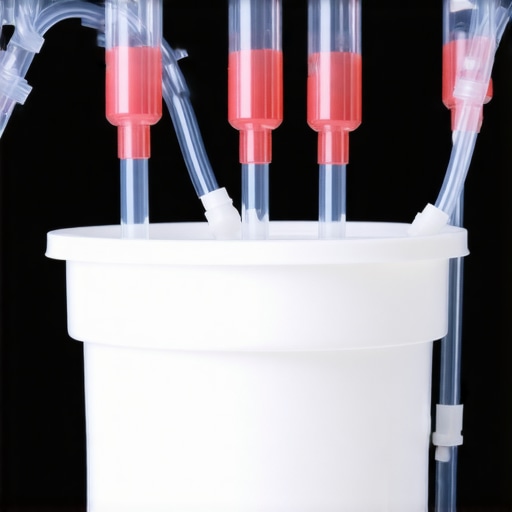 If you are struggling with a persistent air pocket even after a bench bleed, it might be time to look at the orientation of your calipers; if the bleeder screw isn’t at the absolute highest point of the casting, air will remain trapped in the upper gallery forever.
Why Pressure Bleeding Beats the Manual Pedal Pump
While the one-way bottle is a game-changer for solo work, pressure bleeding takes the process a step further by forcing fluid from the top down. A pressure bleeder attaches to the master cylinder reservoir and applies a constant 10-15 psi of air pressure behind a wall of fresh fluid. This method is particularly effective for vehicles with complex ABS plumbing where air can hide in tiny internal passages and valve blocks. It also eliminates the risk of master cylinder seal damage that can occur during a traditional pedal-pump bleed if the piston travels into a corroded, unused section of the bore that it normally never touches. However, the risk here is different: an improperly seated adapter cap can spray caustic brake fluid all over your engine bay paint—a disaster no auto repair pro wants to clean up. If you’ve ever had a master cylinder seal fail right after a bleed, share your story in the comments so others can avoid that specific pitfall.
The Hidden Danger of Internal Hose Delamination
Sometimes a hose doesn’t just expand; it collapses internally. This creates a ‘one-way valve’ effect where the fluid can reach the caliper to apply the brakes, but cannot return to the master cylinder when you release the pedal. This leads to dragging brakes, excessive heat, and ruined fuel economy. A quick tune up check involves spinning the wheel by hand after applying the brakes; if it’s stuck, crack the bleeder screw. If the wheel suddenly spins free, your hose is the culprit, acting like a hydraulic trap. This is a nuanced diagnosis that separates an experienced mechanic from someone who just replaces parts blindly. When the fluid cannot return, it keeps the pads in constant contact with the rotor, which eventually leads to glazed friction surfaces and a permanent loss of stopping power.
Calibrating Proportioning Valves for Balanced Braking
The proportioning valve acts as the mechanical brain of a non-ABS hydraulic system, ensuring the rear wheels do not lock up before the front ones during aggressive deceleration. If you have ever felt the back of the car attempt to overtake the front during a rainstorm, your brake bias is likely skewed toward the rear. For the expert mechanic, inspecting the proportioning valve is a non-negotiable step in a comprehensive brake service. These valves often become ‘stuck’ if the system has been neglected, particularly when old, acidic fluid causes internal pistons to seize in place. While the $15 bleeder bottle ensures the lines are clear of air, it cannot rectify a valve that is physically obstructed or incorrectly biased. 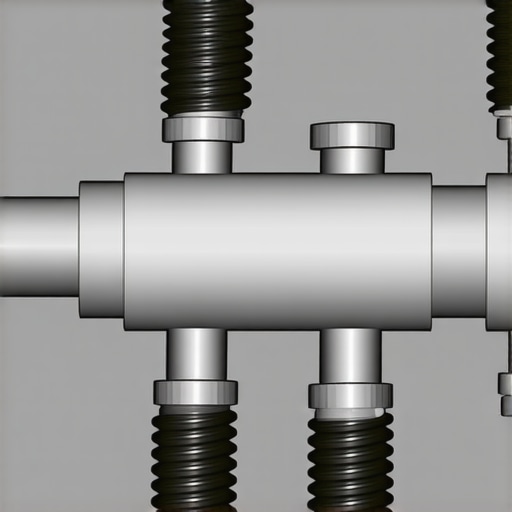 High-level diagnostics often require professional-grade pressure gauges to measure the exact PSI at each corner, ensuring the factory-specified pressure drop occurs across the valve to maintain vehicle stability under load.
Why Panic Stops Reveal Hidden Hydraulic Flaws
In a controlled environment, a slightly air-compromised system might pass a basic tune up inspection. However, under the extreme thermal and kinetic stress of an emergency stop, these minor flaws manifest as dangerous inconsistencies. When the nose of the car dives, weight transfers forward, and the rear tires lose their grip on the pavement. A malfunctioning proportioning valve fails to compensate for this weight transfer, leading to premature rear-wheel lockup. For those operating vehicles with modern Electronic Brake Force Distribution (EBD), this mechanical valve is replaced by software-controlled solenoid cycles. According to the National Institute for Automotive Service Excellence (ASE), diagnosing these integrated electronic-hydraulic systems requires a nuanced understanding of both fluid dynamics and sensor feedback loops. If your auto repair strategy does not account for these software-driven variables, you are only performing half the job.
Will a Misaligned Proportioning Valve Mimic the Symptoms of Air in the Lines?
Surprisingly, the answer is yes, but with a specific distinction in feedback. While air in the lines typically creates a ‘spongy’ feel throughout the entire pedal stroke, a sticking proportioning valve may create a ‘two-stage’ pedal. You might feel a firm initial bite followed by a sudden drop or a strange pulsation as the valve finally yields to high pressure. This is often confused with a failing master cylinder. To differentiate, a solo technician can use the one-way bleeder bottle to perform a ‘point-to-point’ flush; if the fluid flows freely from the front calipers but encounters resistance at the rears, the proportioning valve or a collapsed flex-hose is the primary suspect rather than an elusive air bubble.
Don’t Ignore the Electronic Side of Your Brake Fluid Flush
As we move into the era of brake-by-wire and highly integrated stability control, the traditional ‘pump and dump’ method is becoming obsolete. Many modern vehicles require the ABS pump to be cycled via a bi-directional scan tool to purge air from the internal high-pressure reservoirs. Failing to do this during a brake service can leave old, contaminated fluid trapped inside the ABS block, which eventually leads to the failure of the very safety systems meant to protect you. This electronic integration is the final frontier for the DIY enthusiast. Mastering these digital tools alongside your trusty $15 bleeder bottle is what separates a backyard tinkerer from a true specialist. Have you encountered a modern ABS block that refused to bleed without a scan tool, or did you find a workaround that worked for your specific model? Join the conversation in the comments below and help your fellow enthusiasts navigate these increasingly complex hydraulic systems.
Expert Insights & Advanced Considerations
High Heat Can Turn Your Fluid Into Steam
Even a flawless brake service can be undermined by selecting a fluid with an inadequate wet boiling point. In heavy-duty driving, the temperature at the caliper can easily exceed 400 degrees Fahrenheit. If you haven’t performed a tune up of your fluid recently, the accumulated moisture will vaporize, creating a compressible gas that makes your pedal feel like a sponge. Always check the brake fluid color chart to ensure your hydraulic medium hasn’t oxidized beyond its safety limit.
The Digital Gatekeeper Inside Your ABS Block
For vehicles manufactured after 2015, a simple bleed often isn’t enough. The ABS modulator contains internal galleries that remain closed unless triggered by a bi-directional scan tool. To truly tune up your car like a pro, you must cycle these solenoids during the flush to ensure no old, acidic fluid remains trapped in the secondary circuits. A professional mechanic knows that ignoring these digital valves is a shortcut to premature ABS failure.
Old Hoses Expand Like Balloons Under Pressure
When diagnosing a soft pedal, don’t just look at the fluid. Rubber brake lines have a shelf life and can begin to expand volumetrically under high PSI. This expansion steals the force intended for the pistons. Following brake maintenance hacks to prevent costly failures often involves a physical inspection of these lines for any signs of ‘ballooning’ or external cracking that indicates structural delamination. #IMAGE_PLACEHOLDER_E#
Distinguishing Between Air and Seized Slide Pins
If your pedal is firm but the car pulls to one side, you aren’t dealing with air. You likely have a mechanical restriction. Knowing how to rescue a seized brake caliper slide pin is essential for balanced stopping power. A mechanic often uses these mechanic tips diagnosing common auto problems to separate hydraulic air issues from pure mechanical drag.
Curated Expert Resources
SAE International J-Standards: The gold standard for fluid chemistry and hose durability ratings. Referencing J1703 or J1401 ensures your auto repair meets factory specifications. NHTSA Safety Recalls: A vital database for identifying chronic master cylinder or ABS issues specific to your vehicle’s make and model. ASE Study Guides: While meant for certification, these guides offer the deepest dive into the physics of hydraulic leverage and Pascal’s Law for the serious hobbyist.
Final Expert Perspective
Mastering the intricacies of a modern brake service requires a blend of traditional mechanical skills and an understanding of fluid thermodynamics. By utilizing tools like the one-way bleeder bottle and staying vigilant about fluid contamination, you ensure that your vehicle remains a precision machine rather than a liability. If you’ve encountered a particularly stubborn hydraulic gremlin or have questions about high-performance fluid grades, leave a comment below to share your experience with the community. Staying informed is the best way to maximize your brake service efficiency and keep your car on the road for years to come.