Stop the Fluid Loss Before Your Pump Self-Destructs
In the complex environment of high-pressure hydraulics, a minor breach in the suction circuit can trigger a catastrophic failure of the entire steering rack. Most drivers mistakenly attribute a groaning steering wheel to a dying pump, often facing expensive auto repair quotes for parts that haven’t actually failed. The reality is frequently rooted in a loss of atmospheric seal at the reservoir return line. When air enters the system through a weakened connection, it aerates the hydraulic fluid, creating a compressible foam that lacks the essential lubricity required for vane pump longevity. This cavitation effect literally eats the metal from the inside out, turning a simple seal issue into a total system replacement.
Why Do Power Steering Systems Fail at the Reservoir Inlet?
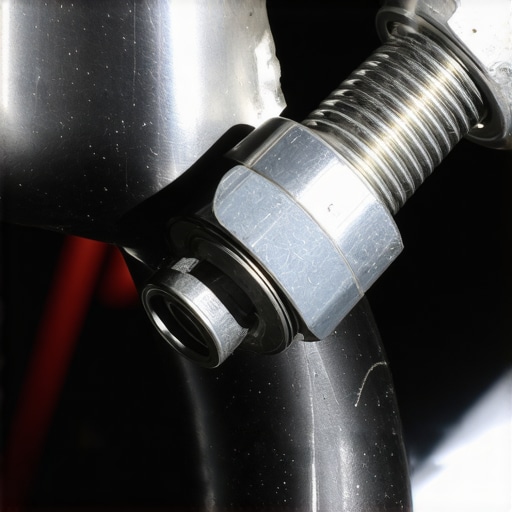
Standard factory spring-tension clamps are engineered for rapid assembly line installation rather than decades of heat cycles and vibration. Over time, the rubber return hoses lose their elasticity, and the constant-tension properties of the original clamp degrade. Replacing these with a high-quality stainless steel worm-gear clamp—a literal $5 part—re-establishes the airtight seal necessary for consistent hydraulic pressure. Before authorizing a full component swap, it is prudent to follow mechanic tips for diagnosing common auto problems to ensure you aren’t overlooking a simple vacuum leak at the hose junction.
The $5 Mechanical Fix vs. The $500 Component Replacement
Modern automotive maintenance often prioritizes modular replacement over precision repair. However, an expert understands that a leak on the low-pressure side often mimics a failure in the high-pressure circuit. Just as a technician monitors hydraulic fluid during a standard brake service, you must evaluate the color and consistency of your steering fluid. According to technical documentation from the Society of Automotive Engineers (SAE), maintaining hydraulic fluid integrity by preventing air ingress is the primary factor in extending the service life of power-assisted steering components. Securing this hose-to-reservoir connection is as vital as a routine car tune up for ensuring long-term vehicle reliability.
Once the seal is restored with a proper clamp, you must eliminate the aerated fluid. Learning how to flush your power steering without a pump will clear the system of contaminants and trapped air. If the steering continues to exhibit erratic behavior or you hear distinct steering noises that mean your car is unsafe, professional intervention may be required to inspect the internal rack seals. Professional Insight: If your fluid appears opaque or has a milky texture, air is actively entering the low-pressure side. Have you solved a complex steering issue with a simple mechanical fix? Join our forum of automotive specialists to share your diagnostic experiences.
Keep the Heat Down to Save Your Steering Rack
Thermal stress is the silent killer of power steering systems. While most drivers focus on engine temperature, the hydraulic fluid in your steering rack can reach blistering temperatures during spirited driving or heavy towing. When fluid overheats, its viscosity breaks down, leading to a phenomenon known as ‘shear.’ This loss of structural integrity means the fluid can no longer provide the necessary film strength to protect the internal metal surfaces of the rack-and-pinion. Similar to the dirty secret about lifetime transmission fluid, power steering fluid is often marketed as a ‘fill-for-life’ component, but real-world conditions dictate otherwise.

Is Your Steering Rack Leaking Internally Without Any Puddles?
Not all leaks result in a mess on your driveway. Internal seal failure within the steering gear can allow high-pressure fluid to bypass the piston, resulting in inconsistent assist. You might experience 3 reasons your steering feels heavy suddenly, especially when the car is cold. This occurs because the seals have hardened and fail to maintain a tight fit until they expand with heat. This internal ‘blow-by’ is often misdiagnosed as a failing pump, leading many to waste money on a part that isn’t the primary culprit. According to the National Institute for Automotive Service Excellence (ASE), hydraulic system efficiency is highly dependent on seal pliability, which is maintained by the chemical additives found only in fresh, high-quality fluid.
Protect Your Seals from Abrasive Road Grime
Contamination is the second major threat to your steering assembly. As the rack-and-pinion moves, it relies on rubber bellows or boots to keep road grime and moisture away from the polished inner shafts. If these boots tear, even slightly, abrasive particles enter the system and act like sandpaper on the internal seals. This particulate matter quickly darkens the fluid, indicating that metal-on-metal wear is occurring. When you perform a maximize your brake service efficiency with these tips, take a moment to peek behind the front wheels at your steering boots. Catching a $20 boot tear early can prevent a $1,000 rack replacement later. Inside the pump sits a pressure relief valve designed to vent excess pressure during full-lock turns. If this valve becomes stuck due to debris, you will experience a total loss of assist or a high-pitched squeal that mimics a slipping belt. Instead of buying a new pump, many technicians find that a thorough system flush can dislodge the grit holding the valve open. This is why expert-level essential tune-up tips to boost your car’s performance in 2025 always emphasize fluid cleanliness over component replacement.
Stop the Wander and Reclaim Your Lane Control
When the steering system loses its precision, the car may feel disconnected from the road. If you find why your car wanders across the lane at high speeds, it might not just be a bad alignment. Worn internal rack components or degraded 3 symptoms of a bad inner tie rod can introduce ‘dead zones’ in your steering wheel movement. This slack makes it difficult to maintain a straight path, forcing constant micro-corrections that fatigue the driver and wear out tires prematurely. Before you head to the alignment shop, check the fluid level and ensure the system is properly bled to rule out hydraulic lag. Have you noticed a change in how your car tracks on the highway lately? Tell us your symptoms in the comments below, and let’s troubleshoot your steering issues together.
Don’t Ignore the Rubber Between Your Rack and the Frame
While most enthusiasts focus on the hydraulic pressure, the physical connection between the steering rack and the vehicle’s subframe is often the weakest link in the chain. Over time, the rubber mounting bushings that isolate the rack from the chassis can degrade, especially if they are exposed to oil leaks from the engine. When these bushings soften or tear, the entire rack assembly moves laterally before any force is transmitted to the wheels. This creates a ghost steering sensation where the wheel turns, but the car doesn’t immediately respond. During your next car tune up, have your mechanic use a pry bar to check for movement in the rack mounts. If the rack shifts even a quarter-inch, your precision is gone.
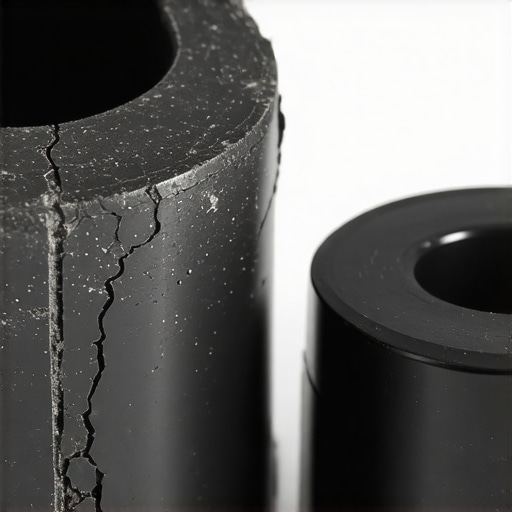
Replacing these bushings with high-performance polyurethane units can dramatically sharpen steering response, but it requires a careful touch. Over-tightening the mounting bolts can distort the rack housing, leading to internal binding. This is a nuanced auto repair that bridges the gap between simple maintenance and high-level chassis tuning. If you’ve been chasing a vague steering feel despite having fresh fluid and a new pump, the culprit is almost certainly hiding in these unassuming pieces of rubber.
Why EPS Systems Fail Without Dropping a Single Drop of Oil
Modern vehicles have largely traded hydraulic pumps for Electric Power Steering (EPS) motors mounted directly to the rack or the steering column. This shift removes the risk of fluid leaks but introduces complex electrical failure modes. In an EPS system, a torque sensor measures exactly how much force you are applying to the wheel and tells a computer to activate an electric motor to assist you. If the battery voltage drops—even slightly—the steering computer may enter a limp mode to protect the electrical system. This is why a failing alternator or a weak battery can sometimes manifest as heavy steering, mimicking a mechanical failure. Monitoring your charging system is now as vital for steering health as a traditional brake service is for stopping power.
Can You Still Steer Your Car if the Electric Assist Fails Entirely?
One of the most common fears for drivers transitioning to modern cars is the prospect of a total electronic blackout. Fortunately, automotive engineering standards require a permanent mechanical link between the steering wheel and the rack. If the electric motor fails or the fuse blows, you will not lose control of the vehicle. However, the effort required to turn the wheels increases exponentially, particularly at low speeds. It feels much heavier than a traditional hydraulic system that has lost its belt, because you are physically back-driving the internal gears of the electric motor. If you ever experience this sudden stiffness, the priority is to maintain forward momentum; as long as the car is rolling, the steering effort remains manageable enough to pull over safely.
The Chemical War Happening Inside Your Steering Lines
The fluid in your steering system is more than just a hydraulic medium; it is a sophisticated chemical cocktail designed to prevent corrosion and maintain seal elasticity. Not all fluids are created equal, and using the wrong specification can be a death sentence for your rack. According to technical research from Lubrizol’s Driveline division, the additive packages in modern synthetic steering fluids are formulated to react specifically with the elastomers used in modern seals. A universal fluid often lacks the specific friction modifiers required for certain vane pump designs, leading to microscopic chattering that eventually shears the metal surfaces. Furthermore, the thermal stability of high-grade synthetic fluid prevents the formation of varnish—a sticky residue that can clog the tiny orifices in the steering gear’s valving. Have you ever noticed your steering wheel vibrating slightly during a turn? Share your symptoms in the comments below, and let’s see if a simple fluid swap can save your hardware.
Escape the Winter Death Groan
When the mercury drops, your steering system faces its harshest trial. Sub-zero temperatures significantly increase fluid viscosity, causing a delay in flow that can lead to localized vacuum pockets within the pump. This phenomenon, known as cold-start cavitation, is responsible for that terrifying morning groan that many drivers simply ignore until the pump’s internal vanes are scored beyond repair. Using a high-viscosity-index (VI) synthetic fluid ensures that the medium remains pumpable even in extreme Arctic conditions. A truly professional auto repair approach involves checking the reservoir’s internal filter; if this fine mesh is partially clogged with debris, the increased resistance from cold fluid will starve the pump of lubrication in seconds.
Why does the steering feel significantly lighter when turning in one direction?
Uneven steering effort is a classic symptom of a centering failure within the rack’s internal rotary valve. Inside the spool valve assembly sits a tiny, precisely calibrated torsion bar. This bar twists to allow fluid into the power cylinders; if it becomes fatigued or if the internal Teflon rings are notched, the assist becomes asymmetrical. This isn’t a problem that a standard mechanic can fix with a simple flush. It requires a deep understanding of hydraulic balancing. According to the technical archives at Gates Technical Resource Library, even subtle misalignments in the accessory drive belt can exacerbate these internal hydraulic pulses, leading to a vibrating sensation through the steering wheel that mimics a mechanical failure.
Look Beyond the Pump to the Harmonic Balancer
Experienced technicians know that the steering pump is often the victim of failures elsewhere in the engine bay. A worn harmonic balancer—the pulley attached to the crankshaft—can develop micro-oscillations that travel up the serpentine belt. These vibrations are transmitted directly into the pump shaft, causing premature bearing failure and seals that leak despite being relatively new. During a comprehensive tune up, it is essential to inspect the rubber damping ring on the crank pulley for dry rot or separation. If your steering wheel tingles at specific RPMs, stop looking at the rack and start looking at the source of the engine’s rotation.
The Professional Way to Verify Hydraulic Pressure
Don’t guess—gauge. While many DIYers rely on sound or visual cues, the gold standard of diagnostics is a high-pressure transducer test. By inserting a pressure gauge between the pump and the rack, you can verify if the pump is hitting its maximum relief pressure (typically between 1,200 and 1,500 PSI). If the pump meets the spec but the steering is still heavy, the leak is internal to the rack. This level of precision prevents the “parts cannon” approach to maintenance, saving you hundreds of dollars. If you’ve ever been told your rack needs replacement, ask for the pressure readings first. Are you ready to dive deeper into the mechanics of your vehicle’s handling? Join our community of gearheads and share your most challenging diagnostic puzzles below.
Expert Insights & Advanced Considerations
Tire Scrub Radius Impacts Rack Longevity
Changing your wheel offset or adding spacers does more than just alter the look of your vehicle; it fundamentally changes the leverage exerted on the steering rack. A wider scrub radius increases the kickback force sent through the tie rods during every bump, which can prematurely wear out the internal seals and guide bushings. If you notice your steering feels notchy while turning after installing aftermarket wheels, you are likely feeling the physical strain on the internal rack valving.
Voltage Ripple Kills Electric Steering Controllers
In modern EPS systems, the electronic control unit (ECU) is incredibly sensitive to electrical noise or ripple voltage coming from the alternator. If the alternator’s diode bridge begins to fail, it can send AC voltage spikes into the DC system, confusing the torque sensors and causing erratic assist. Before assuming you have a mechanical failure, perform a multi-meter test for your charging system to ensure the brain of your steering rack is receiving clean, stable power.
Intermediate Shaft U-Joints Often Mask Rack Issues
The steering column connects to the rack via a series of universal joints. These joints are exposed to the elements and can seize or develop play, mimicking the symptoms of a bad steering gear. If the steering effort varies rhythmically as you rotate the wheel, the problem is likely an external mechanical link rather than an internal hydraulic leak. Distinguishing between these requires a surgical touch that characterizes high-end auto repair.
Curated Expert Resources
The ASE Technical Archive serves as the definitive reference for diagnostic procedures, offering peer-reviewed methods for testing hydraulic pressures and verifying electronic sensor data. The Gates Knowledge Center is an essential repository for professionals studying the relationship between the accessory drive system and pump performance. Additionally, the Lubrizol Driveline Whitepapers offer deep chemical analysis regarding how different fluid additives interact with synthetic elastomers to prevent internal rack corrosion.
Final Expert Perspective
Mastering the complexities of modern steering requires a shift in mindset from simple parts replacement to comprehensive system analysis. Whether you are dealing with a traditional hydraulic setup or a sophisticated electric motor-driven rack, the goal remains the same: maintaining the mechanical and chemical integrity of every component. By applying these advanced diagnostic strategies and staying updated on new technical standards, you can avoid the common pitfalls of unnecessary auto repair costs. If you want to tune up your car like a pro, start by listening to what your steering wheel is telling you. Are you seeing consistent patterns in your handling, or is your car giving you mixed signals? We invite you to share your technical findings with our community or reach out when finding the right mechanic to handle your next high-precision steering adjustment.