Observing a sudden shift from honey-gold to charcoal-gray in your brake fluid within weeks of a service is often more than a cosmetic concern; it is a window into the health of your entire hydraulic system. In professional auto repair, we recognize that fluid serves as both a lubricant and a diagnostic medium. While most motorists expect a brake service to result in long-term clarity, the rapid darkening usually stems from residual contaminants or chemical reactions with internal elastomers. This phenomenon is frequently encountered when high-detergency fluid is introduced into a system that has been neglected, as the stronger chemical profile actively cleanses the internal surfaces of the lines.
Why Fresh Glycol-Based Fluid Rapidly Loses Its Clarity
Brake fluid is notoriously hygroscopic, meaning it aggressively absorbs moisture from the atmosphere. However, moisture alone usually causes a cloudy or amber darkening rather than a distinct gray tint. According to technical standards such as SAE J1703, glycol-based fluids must maintain specific boiling points, but they cannot prevent the leaching of copper from the internal coating of brake lines. When new fluid is introduced, it often scours the system, lifting micro-particles of oxidized copper and carbon black from the inner walls of the flexible hoses. If you are unsure about the visual health of your system, consult the brake fluid color chart to differentiate between normal aging and critical contamination. The presence of copper is a primary catalyst for fluid oxidation, which accelerates the degradation of the fluid’s anti-corrosive properties.
The Chemical Interaction Between EPDM Rubber and New Additive Packages
The gray hue is frequently attributed to the degradation of EPDM (ethylene propylene diene monomer) rubber seals and hoses. As these components age, they undergo a process called sloughing. When a mechanic flushes the system, the new chemistry can react with the softened surface of old rubber, suspending fine carbon particles in the fluid. This is particularly common in vehicles that have missed their biennial maintenance windows. Integrating a comprehensive tune up into your yearly schedule ensures that these components are inspected before they contaminate fresh consumables. The microscopic rubber particles act as an abrasive, which can eventually lead to pitting in the master cylinder bore.
Does the Color Change Indicate Immediate Hydraulic Failure?
Not necessarily, but it does suggest that the previous maintenance may have been more of a fluid swap than a deep system purge. A true professional-grade service involves clearing the master cylinder reservoir and purging each line until the discharge is perfectly clear. If graying occurs within a month, it implies significant internal debris was left behind or the hoses are nearing the end of their service life. For more advanced diagnostics, you should consider mechanic tips for diagnosing common auto problems to see if your brake pedal feel matches the fluid’s appearance. Consistent monitoring is the only way to prevent the transition from a simple fluid change to a costly overhaul of the ABS modulator. If you have noticed a change in your car’s stopping performance alongside this color shift, we encourage you to share your findings or ask a technical question on our expert forum to better understand your vehicle’s specific needs.Beyond the flexible hoses and steel lines, the Anti-lock Braking System (ABS) often serves as a hidden reservoir for fine particulate matter that traditional bleeding procedures ignore. Inside the ABS modulator, a complex network of valves and solenoids can trap old, darkened fluid that does not easily circulate during a standard gravity or pressure bleed. When the ABS is activated during a hard stop or on a slippery road shortly after a service, that trapped, carbon-loaded fluid is forced back into the main lines, instantly clouding your new investment with a gray tint. This is why high-end auto repair involves using a bi-directional scan tool to cycle the solenoids during the flushing process. If your pedal feels soft despite the fresh fluid, you may want to maximize your brake service efficiency with these tips to see how professional-grade techniques differ from basic maintenance.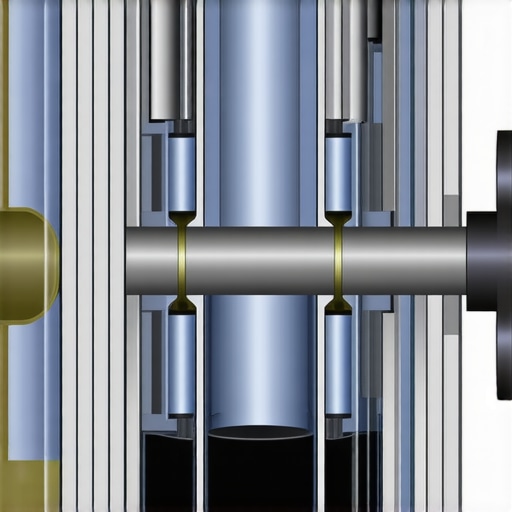
Stop the Lazy Bleed From Ruining Fresh Glycol
Not all brake services are created equal, and the speed at which your fluid loses its clarity is often a direct reflection of the methodology employed. A ‘lazy bleed’—where a technician merely sucks the fluid out of the reservoir and tops it off—leaves the most contaminated, heat-stressed fluid exactly where it does the most damage at the calipers. The intense thermal energy generated at the brake pads causes the fluid in the caliper bore to cook, leading to rapid oxidation and the breakdown of the fluid’s chemical integrity. When this old, scorched fluid eventually mixes with the clean fluid in the reservoir through thermal expansion and pedal travel, the result is that disappointing charcoal appearance. Truly effective maintenance requires pushing fresh fluid through the entire circuit until the discharge at every wheel runs perfectly clear. Savvy owners often reference the ultimate tune-up checklist for every car owner to ensure every corner of the vehicle receives a deep-clean approach rather than a cosmetic top-off.
Is Your Fluid Color Hiding a Depleted Additive Package?
Many motorists rely on inexpensive conductivity pens to test their fluid, but these tools only measure moisture content and ignore the presence of dissolved metals or chemical exhaustion. According to the Automotive Maintenance and Repair Association (AMRA), testing for copper content is a superior metric, as copper levels exceeding 200 ppm indicate that the anti-corrosive additives are fully depleted. Once these additives are gone, the fluid begins to actively dissolve the internal copper lining of the brake pipes, creating that distinct gray or black discoloration. If your fluid is darkening but a moisture pen says it is fine, your system is likely suffering from internal galvanic corrosion. In these scenarios, utilizing the 20 scanner that every modern driver should own can help you monitor wheel speed sensors and ABS data to ensure that internal debris is not interfering with critical safety electronics.
Environmental Factors and Fluid Integrity
External conditions also play a significant role in how quickly your hydraulic system degrades. For instance, understanding why your brake rotors rust overnight provides insight into the high-humidity environments that challenge your brake fluid. Moisture does not just rust iron; it migrates through the microscopic pores of rubber hoses, feeding the cycle of fluid darkening. If you see consistent graying despite multiple flushes, you should investigate brake maintenance hacks to prevent costly failures, such as upgrading to stainless steel braided lines that offer a superior barrier against atmospheric moisture. Have you noticed your fluid turning gray after a specific repair? Share your experience in the comments or read our guide on choosing a technician to ensure your next flush is performed with the precision your car deserves.
How Extreme Heat Accelerates Chemical Breakdown in the Caliper
The interface between the brake piston and the caliper seal represents the most thermally stressed point in the entire vehicle. While the fluid in your reservoir might appear pristine for a few days, the fluid sitting millimeters away from a glowing rotor is subject to a much harsher reality. This localized thermal degradation creates a ‘scorched’ layer of fluid that, through the natural pumping action of the brake pedal and thermal expansion, eventually migrates back toward the master cylinder. If your vehicle utilizes standard DOT 3 or DOT 4 fluid, the borate esters—critical additives designed to manage high temperatures—can actually break down and form acidic byproducts if residual moisture is present from a previous lack of maintenance. This chemical shift doesn’t just darken the fluid; it alters the lubricity, which often results in a ‘stiff’ or inconsistent pedal feel over time. 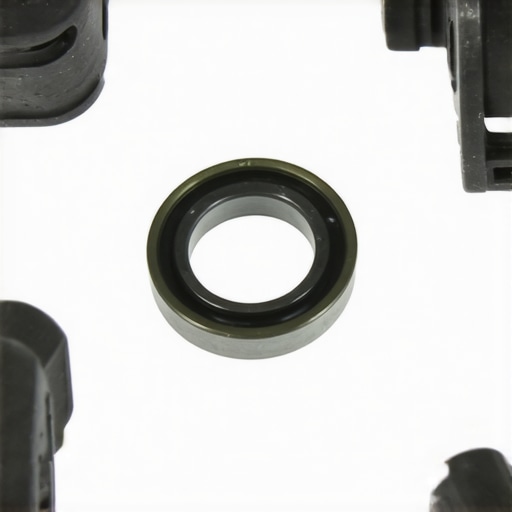
The Risk of Piston Over-Extension During Manual Bleeding
A common yet overlooked cause of rapid fluid graying after a brake service is the physical wear on the master cylinder seals during the bleeding process itself. When performing a traditional two-person manual bleed, the brake pedal is often pushed significantly further toward the floor than it ever travels during normal driving. This forces the internal rubber cups into areas of the master cylinder bore that may have developed microscopic pits or accumulated sediment over years of use. As the rubber travels over these rough patches, it acts like a grater, shedding fine elastomeric particles directly into the fresh fluid. This internal ‘sloughing’ is a primary contributor to that charcoal-gray tint. If you suspect your master cylinder is beginning to fail internally, you should review mechanic tips for diagnosing common auto problems to catch the issue before you lose hydraulic pressure entirely.
Can switching to a high-performance DOT 5.1 fluid stop rapid darkening?
Switching to a higher-grade fluid like DOT 5.1 can improve the boiling point, but it won’t necessarily stop the graying if the underlying cause is physical component degradation. DOT 5.1 is still a glycol-ether based fluid and will react similarly to EPDM rubber and copper leaching as DOT 4 does. According to the Federal Motor Vehicle Safety Standard (FMVSS) No. 116, these fluids must meet strict stability requirements, but those tests are performed in controlled, clean environments. In the real world, the ‘cleaning’ effect of new fluid is more pronounced in high-performance variants because their fresher, more aggressive additive packages are more efficient at suspending old contaminants. If you’re noticing that your pedal travel feels inconsistent along with the darkening fluid, it might be time to delve into more specialized mechanic-led diagnostics to pinpoint the exact failure point.
Galvanic Corrosion and the Role of Dissolved Metals
The hydraulic lines in most modern vehicles are made of steel with a thin internal coating of copper or a similar sacrificial metal to prevent rust. Over time, the anti-corrosion inhibitors in your brake fluid are used up as they fight to keep these metals from oxidizing. When you introduce new fluid, it creates a high chemical potential difference compared to the old, metal-saturated environment. This can actually trigger a brief burst of galvanic corrosion as the system tries to reach a new equilibrium. This process releases copper ions into the fluid, which rapidly react with the fluid’s chemistry to create a dark, murky appearance. Integrating a thorough tune up approach to your braking system—including checking the ground straps of your ABS module—can sometimes mitigate these electrical and chemical imbalances.
Flush Every Port or Prepare for Near-Instant Discoloration
Many technicians and DIY enthusiasts fall into the trap of thinking a reservoir swap constitutes a complete brake service. However, the hydraulic architecture of modern vehicles is far more complex than a simple reservoir and four lines. The proportioning valve, often located near the master cylinder or integrated into the ABS assembly, acts as a low-flow ‘dead zone’ where old, heavy particulates settle over years of operation. When you perform a high-pressure flush, the sudden velocity of the new fluid can dislodge these stagnant deposits, swirling them back into the main stream. This is why a car can leave the auto repair shop with gold fluid and return two weeks later with a charcoal tint. If you don’t use a pressure bleeder that maintains a consistent 15-20 psi, you aren’t effectively scouring these internal bypasses, leaving the most concentrated contaminants behind to ruin your fresh glycol investment.
The Hidden Grime Inside Your ABS Solenoid Valves
The Anti-lock Braking System is often the primary culprit for rapid fluid darkening because it contains numerous ‘blind’ passages that do not participate in normal fluid circulation. According to the Motorist Assurance Program (MAP) standards for brake system service, a comprehensive flush should ideally involve cycling the ABS solenoids. Without this electronic activation, the dark, moisture-laden fluid trapped within the modulator’s internal valves remains isolated. The moment your ABS engages—perhaps during a rainy commute—those valves open and release a concentrated ‘slug’ of oxidized fluid into the system. This sudden injection of debris can turn your reservoir gray in a single trip. To prevent this, a professional mechanic will use a scan tool to perform an automated bleed, ensuring that even the most tucked-away fluid is evacuated.
Can Micro-Pitting Inside the Master Cylinder Cause This Quick Change?
Yes, and this is perhaps the most difficult issue to diagnose without a full teardown. Over years of service, the master cylinder bore develops a ‘glaze’ from the movement of the primary and secondary seals. If the fluid hasn’t been part of a regular tune up schedule, the area of the bore outside the normal pedal travel can accumulate oxidation and microscopic pits. When you bleed the brakes manually, the pedal is often pushed to the floor, forcing the seals over these rough, pitted sections. This physical contact acts like a file, shedding fine black rubber particles directly into the new fluid.  This internal ‘sloughing’ of the seals is a common reason for the charcoal-gray appearance and can eventually lead to internal pressure leaks, where the pedal slowly sinks at a stoplight even though no fluid is leaking externally.
The Role of Sacrificial Coatings and Galvanic Shock
When you introduce brand-new, high-detergency DOT 4 fluid into an older system, you are essentially introducing a chemical cleaner. Most brake lines have a thin internal sacrificial coating designed to prevent the steel from rusting. As this coating ages, it becomes porous. The fresh additive package in new fluid is highly efficient at suspending the fine metal oxides that have been clinging to these porous walls. This ‘galvanic shock’ causes a rapid darkening as the fluid reaches a state of chemical equilibrium with the metal surfaces of the lines. This phenomenon highlights why consistent maintenance is cheaper than reactive repairs; by the time the fluid is turning gray within weeks, the internal integrity of the hard lines has already begun to compromise. If you find yourself constantly battling dark fluid, it may be time to consider whether your current maintenance strategy is addressing the root cause or just the symptoms. Are you ready to dive deeper into your vehicle’s hydraulic health? Share your recent brake test results with our community or consult our advanced diagnostic guides to ensure your vehicle remains safe on the road.
Expert Insights & Advanced Considerations
The Copper Limit That Most Shops Ignore
Professional technicians often move beyond simple moisture strips to evaluate copper parts-per-million. When new fluid enters an old system, it acts as a solvent. If copper levels exceed 200 ppm, the fluid’s anti-corrosive package is dead on arrival. This is why a brake service that does not account for internal pipe degradation often leads to rapid darkening.
Scan Tools Are No Longer Optional for Bleeding
Traditional gravity bleeding leaves the nastiest fluid trapped in the ABS modulator. Without cycling the solenoids, that charcoal-gray residue is simply waiting for the first hard stop to contaminate your entire system. A top-tier mechanic knows that bypassing the electronic bleed is the main reason for “instant” discoloration shortly after a flush.
Fresh Fluid Can Be Too Clean for Old Seals
In a long-neglected vehicle, the high-detergency profile of fresh DOT 4 fluid can actually shock the internal elastomers. This leads to the shedding of micro-particles from EPDM rubber hoses. If you want to maximize your brake service efficiency, you must accept that sometimes the first flush is merely a chemical cleanse, requiring a secondary swap a few weeks later to achieve true clarity.
#IMAGE_PLACEHOLDER_E#
Curated Expert Resources
SAE J1703 Standards Documentation
This is the industry standard for non-petroleum brake fluids. It provides the thermal and chemical stability benchmarks that every high-performance fluid must meet, helping you understand why specific additive packages fail in real-world auto repair scenarios.
MAP Brake Service Guidelines
The Motorist Assurance Program provides the gold standard for uniform inspection. Their guidelines help you verify if your shop is following professional protocols or cutting corners with lazy bleeds. Referencing these can help with tune up strategies to save money on auto repairs by ensuring the job is done right the first time.
NHTSA FMVSS No. 116
This federal standard dictates the safety requirements for motor vehicle brake fluids. It is essential reading for those who want to understand the minimum performance thresholds for boiling points and pH balance in hydraulic systems.
Final Expert Perspective
Rapid fluid darkening is rarely a mystery; it is a symptom of a system that has been pushed beyond its chemical limits. Whether it is copper leaching or EPDM rubber sloughing, the gray tint signals that your tune up efforts are working against years of accumulated debris. Achieving a long-lasting, gold-colored reservoir requires a deep-cleaning approach that addresses the ABS modulator and the master cylinder bore rather than just a simple reservoir top-off. We invite you to explore our advanced mechanic tips for diagnosing common auto problems to stay ahead of hydraulic failure. If you have struggled with persistent fluid clarity issues, join the discussion on our forums and let us help you refine your maintenance routine for peak safety.