
An engine that hesitates specifically during a left-hand turn presents one of the more fascinating challenges in automotive forensics. Unlike a generic misfire that occurs during a routine
tune up
or a consistent loss of power, this directional symptom points toward issues rooted in fluid dynamics, centrifugal force, and mechanical harness tension. When a vehicle enters a turn, lateral G-forces act upon every liquid and movable component within the chassis. For the experienced
mechanic
, this behavior immediately narrows the diagnostic field to two primary systems: the fuel delivery assembly and the electrical wiring loom.
The Physics of Fuel Slosh and Pickup Starvation
In many modern vehicles, the fuel pump is housed within a plastic reservoir known as the fuel module. This module is designed to hold a reserve of fuel to ensure the pump remains submerged during aggressive maneuvers. However, if the internal check valves or baffles within the tank have degraded, a left-hand turn can cause the fuel to migrate violently to the right side of the tank. This movement leaves the fuel pickup exposed to air, leading to an instantaneous drop in rail pressure and a resulting engine stumble. According to technical documentation from SAE International regarding fuel slosh dynamics, the geometry of the tank plays a critical role in maintaining continuous flow under lateral acceleration. If you notice this issue primarily when your tank is below a quarter full, the fuel pump assembly is the most probable culprit. While some might suggest a standard
auto repair
approach of replacing filters, a true professional will perform a fuel pressure test while simulating the tilt of a turn.
Why Does Low Fuel Level Exacerbate Cornering Issues?
When the volume of fuel is low, there is less mass to resist the centrifugal force pushing the liquid away from the center-mounted or offset pump. This creates a vortex effect where air is ingested into the fuel lines. This air must then be purged through the injectors, causing the characteristic ‘cough’ or stumble. This is why
mechanic tips for diagnosing common auto problems
often emphasize testing the vehicle under the specific conditions reported by the driver rather than on a level lift. If the stumble is sharp and immediate, it is likely fuel-related; if it feels like a ‘soft’ hesitation, it may be electrical.
Lateral Tension and the Short-Circuiting Wire Loom
Another frequently overlooked cause involves the physical shifting of the engine and transmission on their mounts. As the powertrain shifts to the right during a left-hand turn, it can put excessive tension on the main wiring harness. If there is a frayed wire or a loose ground, this movement can cause a momentary break in the circuit or a short to the chassis. This is often the case with a mystery electrical gremlin where a ground strap is making poor contact. Identifying this requires a ‘wiggle test’ of the harness while the engine is idling. An expert would also check if the steering column is pinching a wire, particularly if the vehicle has had recent work near the rack or subframe. While ensuring your
brake service
is up to date is vital for stopping, ensuring your electrical harness is secured is what keeps you moving safely through an intersection. Have you experienced similar directional failures? Share your diagnostic findings in our professional community forum below.
Beyond the fuel tank and electrical harness, the physical displacement of the engine block during a sharp maneuver can expose subtle intake failures that remain invisible during straight-line driving. In high-mileage vehicles, engine and transmission mounts often lose their structural rigidity. When you initiate a left-hand turn, the entire powertrain leans toward the passenger side, pulling on every hose and connection. This movement can stretch the rubber intake bellows located between the air filter box and the throttle body. If there are micro-cracks in that rubber, the lateral force opens them wide, allowing a surge of unmetered air to rush in. This instantly leans out the air-fuel ratio, leading to a sharp stumble. You can often verify this by using the soapy water test or a smoke machine while manually prying the engine to simulate lateral load. It is a more common issue than a vacuum hose that tricks you into a transmission overhaul, specifically because the symptom is tied to engine position rather than vacuum load.
When Loose Engine Mounts Transform into Intake Leaks
The relationship between structural components and engine performance is frequently misunderstood. When a motor mount fails, it doesn’t just cause vibration; it changes the geometry of the engine bay. A
mechanic
who understands this will look for ‘witness marks’ on the frame or intake components where rubbing occurs during high G-force maneuvers. If the intake boot is hardened by heat and age, it lacks the flexibility to move with the engine, causing the seal to break at the clamp or through a hidden accordion fold. Diagnosing this requires a dynamic mindset—sometimes the best mechanic tips for diagnosing common auto problems involve looking for what moves, not just what is broken.
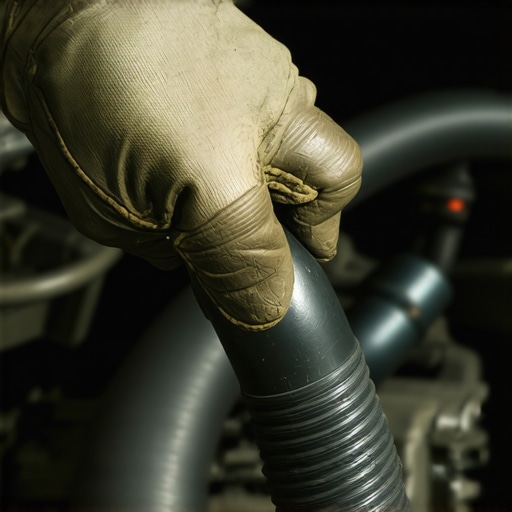
Could Your Power Steering Pump Be Stalling Your Engine?
When you crank the wheel hard to the left, the power steering pump reaches peak pressure as it works to move the rack. To compensate for this sudden parasitic drag, the Engine Control Unit (ECU) relies on a power steering pressure switch to signal for a momentary idle kick-up. If this switch is faulty or the electrical connector is corroded, the engine lacks the necessary torque to overcome the pump’s resistance, leading to a significant dip in RPM or a total stall. According to technical documentation from the National Institute for Automotive Service Excellence (ASE) regarding Engine Performance (A8), the failure of the PCM to receive load-correction signals from accessory switches is a primary factor in low-speed stalling incidents during parking or tight cornering. This is why a thorough
auto repair
plan must include a scan for non-MIL codes that might indicate switch failure.
Prevent Fuel Vapor from Drowning Your Combustion Chamber
While fuel starvation is the usual suspect, an over-rich condition can also cause a left-turn stumble via the Evaporative Emission (EVAP) system. During a turn, liquid fuel can slosh toward the tank’s vent lines. If the liquid enters the charcoal canister—often due to a history of ‘topping off’ the gas tank—it can be drawn directly into the intake manifold when the purge valve cycles. This creates a surge of raw fuel that briefly floods the engine. It is a deceptive symptom because how a clogged fuel filter mimics a dead fuel pump usually involves a lack of fuel, whereas here, the engine is choking on too much. If your car also experiences a surge while stopped at a light, your EVAP purge valve should be the first component on your inspection list. Tell us in the comments: does your car only stumble during sharp turns, or does it happen during gradual highway curves? Your specific details help our community narrow down these elusive gremlins.
VVT Solenoids and the Hidden Impact of Oil Slosh
While fuel and air are the primary actors in combustion, the hydraulic integrity of your Variable Valve Timing (VVT) system is often the silent victim of high lateral loads. In high-performance or high-mileage engines, VVT solenoids rely on a steady, pressurized stream of oil to adjust cam phasing. When you whip the vehicle into a sharp left, the oil in the pan doesn’t just sit still; it climbs the right-side wall of the crankcase. If your oil level is even slightly low, the pickup tube may gulp air instead of lubricant. This momentary loss of hydraulic pressure causes the cam phasers to ‘hunt’ or snap back to a base position, resulting in an immediate loss of power that mimics a fuel stumble. A routine
tune up
rarely includes an inspection of the oil pan baffles, but for an enthusiast dealing with cornering hesitation, checking for oil aeration is a critical diagnostic step. Research published in the SAE International journal regarding VVT control strategies highlights how even a 50ms drop in oil pressure can desynchronize valve timing enough to trigger a powertrain hesitation.
The complexity of modern engine management means that a mechanical ‘shiver’ during a turn might actually be the ECU trying to protect the engine from a perceived oiling failure. If the VVT system detects a deviation between the commanded cam angle and the actual position—common when oil pressure drops during a turn—it may revert to a default timing map. This transition is rarely seamless and feels like a momentary hitch in acceleration. For a
mechanic
, the clue lies in the long-term fuel trim data; if the trims are perfect but the car stumbles during G-loading, the issue is likely hydraulic or mechanical rather than a simple vacuum leak. Ensuring your engine oil is at the maximum fill line and using the correct viscosity is a fundamental
auto repair
step that many DIYers overlook when chasing complex directional symptoms.
Can an Engine Misfire if the Crankshaft Shifts Laterally?
This is a sophisticated question that leads us into the realm of internal engine tolerances. In engines with significant wear, the thrust bearings—the components responsible for limiting the forward and backward movement of the crankshaft—can degrade. When you steer hard to the left, the rotational mass of the engine and the pressure from the torque converter can force the crankshaft to shift laterally toward the passenger side. This shift, even if it is only a few thousandths of an inch, can increase the air gap between the Crankshaft Position Sensor (CKP) and the reluctor wheel. If the gap becomes too wide, the magnetic signal weakens, and the ECU misses a ‘tooth’ on the wheel, causing a momentary ignition cutout. This is why a thorough
brake service
or suspension check should also include a visual inspection of the harmonic balancer for any signs of walking or unusual runout.
The Fragile Relationship Between Sensor Gaps and Thrust Bearings
To diagnose this, an expert technician won’t just look at codes. They will monitor the ‘sync’ status of the cam and crank sensors using a dual-trace oscilloscope during a test drive. If the signal amplitude drops specifically during a left turn, the mechanical health of the bottom end is in question. This type of failure is a nightmare for the average
auto repair
shop because it doesn’t always leave a permanent footprint in the computer’s memory. It requires a technician who understands that the engine is a dynamic, moving assembly, not a static block of metal. Next time you feel that annoying glitch, consider how your internal components might be shifting under pressure. Have you checked your crankshaft end-play lately? It’s a tedious task, but it might be the only way to solve a stumble that refuses to show up on a scanner.
While mechanical failures like worn mounts or fuel slosh are frequent culprits, the modern vehicle’s reliance on complex sensor networks introduces a digital layer to the left-turn stumble. Often, the engine isn’t actually failing; rather, the Traction Control System (TCS) or Electronic Stability Control (ESC) is making an executive decision to pull power. This phenomenon occurs when a wheel speed sensor has a hairline fracture in its wiring or a cracked reluctor ring. As the suspension compresses during a sharp left-hand turn, the geometry changes just enough to interrupt the signal. The ECU interprets this momentary signal loss as a loss of traction and instantly retards ignition timing or closes the electronic throttle plate to prevent a skid. A seasoned
mechanic
knows that these ‘phantom’ interventions often leave no diagnostic trouble codes (DTCs) because the system believes it is functioning as intended.
Stop Chasing Ghosts: Why Traction Control Might Be Your True Culprit
To verify if the electronics are overreacting, an advanced diagnostic step involves disabling the traction control manually before replicating the turn. If the stumble vanishes, the problem isn’t in your fuel rail or spark plugs, but in the wheel speed circuit. According to technical insights from Automotive Service Professional regarding stability control logic, signal dropouts during lateral loading are a prime cause of unexplained torque reduction. This is a level of
auto repair
that goes beyond simple parts-swapping; it requires graphing live data from all four sensors simultaneously to catch the millisecond-long dropout. If you have recently performed a
brake service
, ensure the sensor harnesses were routed correctly and are not being tugged at full steering lock.
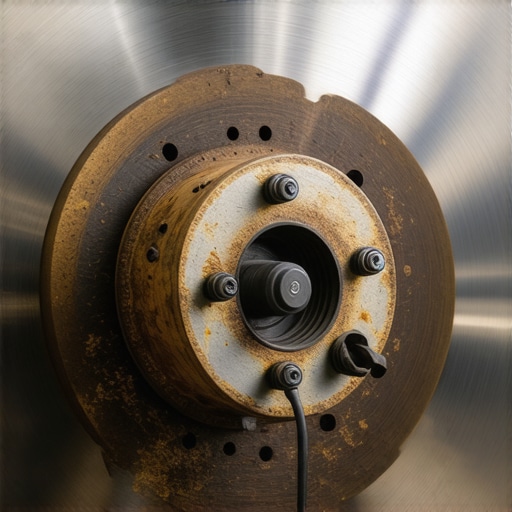
Does a Flaky ABS Signal Always Trigger a Warning Light?
Not necessarily. Many ECU algorithms require a consistent failure over several drive cycles or a specific duration of ‘out-of-range’ data before illuminating the ABS or ESC light. A momentary glitch during a 3-second turn may not meet the threshold for a permanent fault, yet it is more than enough to cause a jarring hesitation. This is where the distinction between a ‘hard’ failure and a ‘transient’ glitch becomes critical. When you take your car in for a
tune up
, mention these specific conditions; a technician using a high-speed oscilloscope can detect these ‘glitch-and-recover’ patterns that a standard OBD-II scanner might miss entirely.
How Dirty Throttle Bodies Turn Into Left-Turn Nightmares
Another specialized consideration involves the Electronic Throttle Control (ETC). Over tens of thousands of miles, carbon deposits—often called ‘coking’—accumulate around the edges of the throttle butterfly valve. Under normal straight-line driving, the ETC motor easily overcomes the slight resistance of this gunk. However, when lateral G-forces cause the engine to tilt, the physical shift can cause the butterfly plate to bind slightly against the carbon ridge. The ECU detects a lag between the commanded position and the actual position, leading to a momentary ‘limp mode’ or a sharp stumble as it resets the motor’s position. Cleaning the throttle body is a low-cost
auto repair
that can yield massive improvements in throttle response during cornering.
Restore the Invisible Path: Grounding Straps and Chassis Flex
Finally, we must consider the integrity of the engine’s primary grounding path. A vehicle’s chassis is not a static object; it flexes under load. If the main ground strap between the engine block and the frame is corroded or partially frayed, a sharp left turn can physically pull the strap, increasing resistance for a split second. This causes a momentary voltage drop across the entire sensor array, leading to a synchronous ‘hiccup’ in the fuel injectors and ignition coils. An expert will perform a voltage drop test while someone else physically prying on the engine to simulate the load of a turn. Have you tested your ground-to-chassis resistance under load? Document your voltage drop readings in our diagnostic database below to help others pinpoint these elusive electrical failures.
Expert Insights & Advanced Considerations
Compromised Ground Straps Kill Power During High-G Loads
Lateral G-forces don’t just shift fluids; they put physical stress on the entire powertrain assembly. If an engine mount has even minor play, the resulting tilt can tug on a weakened engine-to-chassis ground cable, causing a momentary break in electrical continuity. A seasoned
mechanic
knows that the $15 ground strap fix for mystery electrical gremlins is often the cure for a vehicle that acts like it has a failing computer every time it navigates a roundabout.
Visual Inspections Fail to Catch Dynamic Intake Cracks
An intake boot can look perfectly sealed while the car sits idling on a level shop floor. However, during a sharp left-hand turn, the engine’s movement opens hidden accordion-style cracks that allow unmetered air to bypass the sensor. Knowing how to find an intake leak using only a $5 bottle of soapy water or a smoke machine while manually shifting the engine load can save you from a misdiagnosed
auto repair
bill.
The Oscilloscope Beats the Scanner for Transient Glitches
Standard OBD-II scanners refresh too slowly to catch a millisecond-long ignition drop. Real-world diagnostics for directional stumbling require graphing live data with a high-speed oscilloscope to determine if the crankshaft sensor signal amplitude fluctuates during a turn, which often indicates mechanical thrust bearing wear rather than a component failure. This level of detail is what separates a routine
tune up
from professional-grade forensics.
#IMAGE_PLACEHOLDER_E#
Curated Expert Resources
SAE International Technical Library: The definitive source for engineering papers on fuel tank baffle design and fluid dynamics under lateral acceleration.
ASE Advanced Engine Performance Manuals: Provides the diagnostic framework for identifying load-correction failures in accessory switches during low-speed maneuvers.
Automotive Service Professional Documentation: Offers deep-dive technical bulletins on traction control logic and wheel speed sensor signal dropouts during suspension compression.
Final Expert Perspective
Solving a left-turn stumble requires moving past the basics of a standard
tune up
and looking at the vehicle as a dynamic ecosystem. Whether it is a subtle shift in electrical grounding or the complex interaction between steering pressure and the ECU, these symptoms demand a logical, evidence-based approach. Following essential tune-up tips to boost your car’s performance in 2025 ensures the foundation is solid, but directional issues usually hide at the intersection of mechanical movement and electrical integrity. Relying on how a top-rated mechanic ensures safe auto repairs every time will help you navigate these advanced diagnostics with precision. While a regular
brake service
ensures you can stop safely, a deep-dive into your fuel and sensor delivery ensures you never hesitate when you need power the most. Do you have a unique case where a specific turn triggered a stall? Join our professional community and share your diagnostic findings.