Experienced automotive technicians recognize a specific, pungent aroma that often infiltrates a vehicle’s interior during the change of seasons—a scent frequently described by frustrated owners as ‘locker room’ or ‘dirty feet.’ While many drivers immediately suspect a spilled beverage or a forgotten gym bag, the reality is rooted in the biology of the vehicle’s HVAC system. As an expert in auto repair, I have seen how neglecting a simple $12 component can lead to significant respiratory discomfort and even mechanical strain on the climate control system. This olfactory nuisance is rarely a sign of a major mechanical failure, but it serves as a critical diagnostic indicator that your vehicle’s filtration efficiency has plummeted, necessitating a proactive approach to your next tune up.
The Microbial Reality Behind Your Cabin Air Intake
The cabin air filter is the primary line of defense between external pollutants and the lungs of the occupants. Over time, this pleated paper or carbon-infused media traps moisture, organic debris, and microscopic spores. When humidity levels rise, the evaporator core provides a dark, damp environment where these trapped particles undergo a process of decomposition. This is where the ‘smell like feet’ originates—it is essentially the off-gassing of microbial colonies thriving within the filter fibers. Professional mechanic tips for diagnosing common auto problems often highlight that a sour smell isn’t just an annoyance; it is a signal that your blower motor is working harder to push air through a restricted, biologically active barrier.
Why does a standard maintenance check often overlook the cabin filter?
In many service environments, the focus remains heavily on the powertrain and safety systems. A routine brake service is prioritized for obvious safety reasons, but the cabin air filter is often tucked behind the glove box or deep within the firewall, making it ‘out of sight, out of mind’ for both the owner and a hurried technician. However, a top-rated mechanic ensures safe auto repairs by inspecting every system that impacts driver health and comfort. According to the Environmental Protection Agency (EPA), the air quality inside a vehicle can actually be worse than the air outside due to the concentration of pollutants in a confined space, making this $12 part one of the most cost-effective health investments you can make for your vehicle.
Simple Maintenance That Prevents a High-Cost HVAC Overhaul
If left unaddressed, a severely clogged filter does more than just smell; it creates backpressure on the blower motor, potentially leading to a premature electrical failure that could cost hundreds in labor and parts. Integrating a filter swap into your tune up strategies to save money is a hallmark of an informed vehicle owner. Furthermore, for those experiencing reduced airflow, the cabin filter fix for weak AC airflow is often the first step before suspecting a failing compressor or a refrigerant leak. By replacing this part every 12,000 to 15,000 miles, you ensure the longevity of the entire climate control assembly.
Have you noticed a drop in your AC performance or a strange odor during your morning commute? Share your experiences or ask our experts about your specific vehicle model in the comments below to help us build a better database of DIY maintenance hacks.
Clear the Condensate Drain Before It Floods Your Cabin
While the filter is the primary line of defense, a secondary and more insidious culprit for cabin moisture—and that lingering mildew scent—is the air conditioning condensate drain. Every time you run the AC, the evaporator pulls humidity from the air, turning it into liquid water that must exit the vehicle through a small rubber grommet. If this exit port becomes blocked by road debris or even biological growth, that water backs up into the HVAC case. This leads to an infamous ‘sloshing’ sound during sharp turns and, eventually, saturated carpets that can rot floorboards. Professional technicians often include a visual inspection of this drain during a comprehensive brake service, as both systems require a clear, unobstructed path to function safely. If you find your passenger-side floor is damp, don’t ignore it; a simple blast of low-pressure air can often clear the line and prevent a mold outbreak that no air freshener can fix.

Is that sweet smell a leaking heater core or just an old filter?
An expert knows how to distinguish between different ‘bad’ smells, and this is a critical skill for any DIYer. While a musty smell usually points to the filter or evaporator, a distinct, syrup-like sweet smell indicates that your heater core is leaking engine coolant into the cabin. This is a much more serious issue than a dirty filter and requires immediate attention to prevent engine overheating. If you are unsure, using the $20 scanner that every modern driver should own can sometimes reveal hidden trouble codes related to engine temperature fluctuations or coolant pressure drops. According to technical papers from SAE International, consistent moisture management within the HVAC module is the single most important factor in preventing the long-term degradation of internal electronic components and sensors. Identifying the source of the moisture early can save you from a dash-removal job that costs thousands in labor.
Diagnose HVAC Ghost Codes with Precision Electronics
Modern climate control systems are no longer purely mechanical; they rely on a network of blend door actuators and temperature sensors to maintain the perfect environment. When you experience a situation why your AC blows cold only while driving, the problem may not be the refrigerant level at all, but a failing sensor or an electrical glitch. A technician will often check the vehicle’s ground straps and battery health, as low voltage can cause these sensitive modules to behave erratically. Performing a 10-minute battery terminal fix can occasionally reset these systems and restore proper climate control logic. If your system is hunting for the right temperature or making clicking sounds behind the dashboard, it is a sign that the actuators are struggling to find their home position, often due to physical resistance from debris that bypassed a damaged cabin filter. Have you ever dealt with a mysterious ‘sloshing’ sound or a dash that clicks? Leave a comment below with your car’s make and model, and let’s troubleshoot these HVAC gremlins together.
Fix Your Clicks: Syncing the Actuators Without the Dealer
When you hear that rhythmic clicking behind the vents, your vehicle isn’t just complaining; a blend door actuator is likely losing its calibration or the plastic gears are stripping. These small electric motors are the gatekeepers of your comfort, relying on precise resistance feedback to direct airflow from the heater core to the AC evaporator. Over time, friction increases or a stray bit of debris that bypassed a neglected filter jams the mechanism. Many modern vehicles require a ‘recalibration’ or a ‘relearn’ procedure after a battery disconnect or a filter change to ensure the climate control module knows the exact limits of the door’s travel. This isn’t just about comfort—if the blend door is stuck, you may lose the ability to defrost your windshield, a significant safety hazard that often gets overlooked during a standard brake service or oil change.
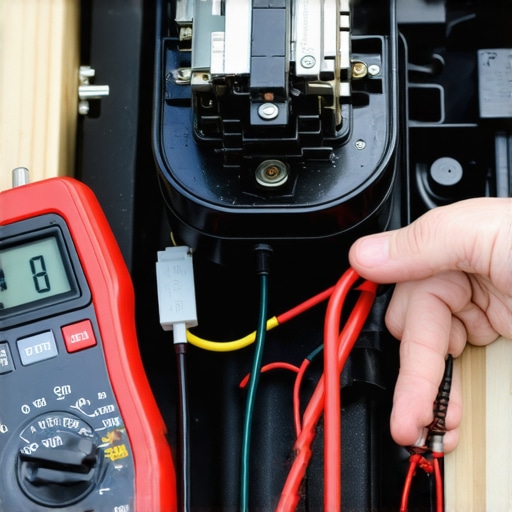
Performing a manual reset often involves a specific sequence of button presses on the dash or using a diagnostic tool. This is why a comprehensive tune up should include a scan for ‘B-codes’ (Body codes), which reveal issues with these actuators before they fail completely. Ignoring a clicking dash can eventually lead to the motor burning out, turning a simple calibration fix into a dashboard-removal project that could cost upwards of $800 in labor. Is your dashboard making noises that sound like a ticking clock? Drop a comment below with your symptoms, and let’s see if we can identify which actuator is failing before you spend a fortune at the shop.
Can a restricted cabin filter actually hurt your fuel economy?
While it might seem disconnected, the health of your filtration system directly impacts your fuel consumption. When a filter is clogged, the blower motor must pull more current to move the same volume of air, increasing the load on the alternator. More importantly, poor airflow forces the driver to run the air conditioning at lower temperatures and higher fan speeds for longer durations. This keeps the AC compressor clutch engaged more frequently, which draws significant horsepower from the engine. According to a technical paper from SAE International, the energy consumption of automotive HVAC systems is a primary contributor to reduced fuel efficiency in passenger vehicles. By ensuring your system is breathing freely, you reduce the parasitic drag on your engine, effectively making your auto repair efforts pay for themselves at the pump.
Stop the Mold Before It Destroys Your Interior Upholstery
The musty odor we’ve discussed is more than a nasal nuisance; it is a sign of active fungal growth. If the moisture levels within the HVAC case remain high due to a blocked drain or a saturated filter, those spores eventually migrate into the cabin. They find a home in the porous surfaces of your fabric seats and headliner. Once mold takes root in the seat foam, the vehicle can become a health hazard, causing allergic reactions and persistent respiratory issues. A professional mechanic will tell you that prevention is far cheaper than remediation. Using an evaporator foam cleaner once a year—a process that involves injecting a specialized cleaning agent directly into the HVAC case—can kill colonies that a simple filter swap cannot reach. This deep-clean approach ensures that the air you breathe is as sterile as possible.
Why Your AC Compressor Needs More Than Just Refrigerant
Many drivers assume that a ‘recharge kit’ is a silver bullet for cooling issues, but the refrigeration cycle is a delicate balance of gas and oil. The compressor requires PAG (polyalkylene glycol) oil to lubricate its high-speed internal pistons. This oil travels with the refrigerant; if you have a slow leak, you aren’t just losing cooling capacity—you are losing the lifeblood of the compressor. When the system is undercharged, the oil doesn’t circulate properly, leading to ‘oil slugging’ or starvation. If you notice a loud humming or growling when the AC is engaged, your compressor is likely crying out for lubrication. This is a critical point in any tune up: checking for oily residue on AC lines can pinpoint leaks before the compressor seizes, which would otherwise contaminate the entire system with metallic debris.
While a standard $12 filter is a great start, the quality of that filter determines the static pressure your HVAC system must overcome. A low-grade filter might fit the slot but could restrict airflow so severely that it causes the blower motor resistor to overheat and fail. This is a common pitfall during a DIY tune up where the owner prioritizes price over specification. In my years of auto repair, I’ve seen cheap paper filters collapse under high humidity, allowing unfiltered air to bypass the seal and coat the evaporator in a sticky layer of dust and organic matter.
Does your car smell like a science experiment only when the heat is on?
If the odor only manifests when you crank the temperature, you aren’t just dealing with a dirty filter; you’re likely smelling the ‘cooking’ of dust on the heater core. Unlike the evaporator, which stays cold and wet, the heater core reaches temperatures high enough to bake trapped hair, skin cells, and pollen. This creates a distinct, dusty, burnt aroma that can irritate the sinuses. A professional mechanic uses a specialized borescope to inspect these hidden chambers without tearing the dashboard apart. If the core is coated in debris, no amount of aerosol spray will fix the underlying issue.
Modern Refrigerants Demand Professional Handling to Protect the Ozone
The transition from R-134a to R-1234yf refrigerant represents a massive shift in how we approach climate control maintenance. The newer R-1234yf is highly efficient but comes with a ‘Mildly Flammable’ (A2L) rating, requiring specialized recovery machines and rigorous safety protocols. According to the California Air Resources Board (CARB), improper handling of these chemicals not only violates federal law but significantly contributes to greenhouse gas concentrations. This is why a comprehensive brake service and inspection should always be paired with an AC system pressure test—preventing leaks is far better for the planet (and your wallet) than a yearly recharge.
Break the Recirculation Trap to Stop Biofilm Growth
Many drivers leave their HVAC on ‘Recirc’ to avoid outside smog, but this seals the cabin, causing humidity from your breath to condense on every interior surface. This stagnant environment is a playground for Staphylococcus and Aspergillus species, as detailed in research by the National Center for Biotechnology Information (NCBI). To break the cycle, try running the ‘Fresh Air’ mode for the final five minutes of your drive. This simple habit dries out the evaporator fins and prevents the ‘locker room’ smell from taking hold in the first place.
When Electrical Gremlins Sabotage Your Climate Control
Sometimes the HVAC system acts possessed because of poor electrical grounding rather than a mechanical fault. In many modern vehicles, the climate control module is incredibly sensitive to ‘voltage ripple’ from a failing alternator. If your AC fan speed fluctuates wildly or the digital display flickers, the problem might be found during a routine brake service inspection where a tech notices a corroded engine ground strap. Ensuring clean power delivery is just as important as changing the oil during a tune up, as it prevents the ‘ghost codes’ that lead to unnecessary component replacement. Is your AC struggling to keep up with the summer heat or producing an odor that won’t quit? Tell us about your car’s HVAC quirks in the comments, and we’ll provide expert-level diagnostic steps to help you breathe easier!
The previous sections established that maintaining your vehicle’s environment is more than a matter of olfactory comfort; it is a technical necessity for system longevity. As we move deeper into professional-grade maintenance, we must look beyond the simple swap of filter media and address the underlying mechanics that ensure your climate control remains efficient for the life of the vehicle.
Expert Insights & Advanced Considerations
Kill the Biofilm Instead of Masking the Scent
Spraying air freshener into vents is a temporary mask for a biological problem. True remediation requires accessing the evaporator core with specialized anti-fungal foam. This isn’t just about smell; it’s about eliminating the colony that thrives on the moisture-wicking fins of the core. Professional mechanic tips for diagnosing common auto problems often emphasize that if the odor returns within a week, the bio-load has exceeded the capability of a standard filter swap and requires a chemical flush of the HVAC case.
Fix Glitchy Sensors with a Simple Ground Check
Most modern cars use pulse-width modulation (PWM) to control blower speed and actuator position. If your engine ground strap is corroded, it creates electrical noise that confuses these sensitive modules. Before authorizing a major dashboard teardown for a supposedly stuck blend door, perform a 15 ground strap fix for mystery electrical gremlins. This simple diagnostic step often restores digital logic to a system that appeared mechanically dead, saving you thousands in unnecessary labor.
High-Quality Filters Protect More Than Your Lungs
A filter that is too restrictive or one that collapses due to poor build quality alters the static pressure in the HVAC box. This causes the blower motor resistor to overheat because it lacks the specified airflow for cooling. Integrating high-quality filtration into your tune up strategies to save money prevents the cascading failure of electrical components that are far more expensive than a premium charcoal-lined filter. A mechanic will always prefer a slightly more expensive part over the labor costs of replacing a melted resistor connector.
#IMAGE_PLACEHOLDER_E#
Curated Expert Resources
SAE International Technical Papers: These documents are the gold standard for understanding automotive thermal management and refrigerant efficiency. They provide the raw data used by engineers to design modern HVAC systems and are invaluable for those seeking a deep technical dive into fluid dynamics.
EPA Indoor Air Quality (IAQ) Guides: A vital resource for understanding how pollutants concentrate inside vehicle cabins. This resource explains the health implications of poor filtration and why maintaining your vehicle’s air quality is as critical as home air safety.
NHTSA Recalls and TSB Database: Before starting any auto repair, check this database for Technical Service Bulletins. Many HVAC clicking or leaking issues are known manufacturing defects with specific, manufacturer-approved repair procedures that differ from standard maintenance.
Final Expert Perspective
Maintaining a vehicle’s climate control system is a sophisticated balance of biology, chemistry, and electronics. While a simple filter swap is the foundation, a comprehensive tune up involves monitoring moisture drainage and electrical health to avoid catastrophic failures. Whether you are dealing with a routine brake service or a complex HVAC overhaul, staying proactive with your maintenance schedule ensures that your vehicle remains a safe, clean environment for every passenger. By understanding the interaction between airflow and electrical load, you move from being a reactive owner to an expert caretaker. What is the strangest automotive odor you have ever encountered during a DIY fix? Share your diagnostic journey in the comments below, or reach out through our contact us page if you need expert guidance on a persistent HVAC gremlin.