The Invisible Drain Threatening Your Battery Health
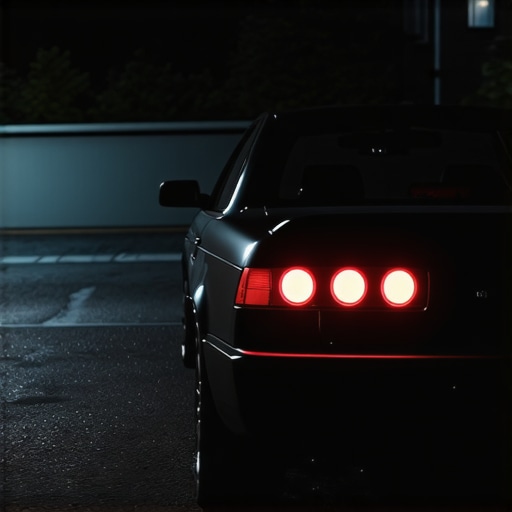
Finding your vehicle in the driveway with its brake lights glowing hours after you have turned off the ignition is a diagnostic red flag that demands immediate auto repair attention. This phenomenon represents a parasitic draw on the electrical system, where a circuit that should be open remains closed, continuously pulling amperage from the battery. While many drivers assume the issue is a complex computer failure, the reality often lies in a delicate balance between mechanical tolerances and electrical continuity. In professional brake service circles, we recognize that even a few millimeters of wear in a pedal assembly can trigger a full-system failure. Effectively resolving this requires an analytical approach to the stoplight switch and the logic gates of the Body Control Module (BCM).
The Tiny Plastic Part That Drains Your Battery Overnight
In the majority of vehicles, the brake light circuit is surprisingly analog. A spring-loaded plunger switch sits against the brake pedal arm. When the pedal is at rest, it pushes the plunger in, breaking the circuit. When you depress the pedal, the plunger extends, completing the circuit and illuminating the lamps. However, a common failure point is the small plastic or rubber stopper on the pedal arm that contacts the switch. Over years of heat cycles, this stopper can become brittle and shatter. Once it falls out, the switch plunger passes through the empty hole in the pedal arm, never being depressed, and thus keeping the lights on indefinitely. This is a prime example of why brake maintenance hacks are essential for preventing such small parts from causing massive headaches. Checking this stopper is the first step any experienced mechanic takes when diagnosing a non-stop light issue.
When Your Car’s Computer Refuses to Let Go
Modern vehicles have transitioned away from simple direct-wire circuits toward multiplexed systems where the brake service involves interacting with the BCM. In these configurations, the brake switch sends a low-voltage signal to the computer, which then commands a relay or solid-state driver to power the bulbs. If the BCM experiences a logic hang or an internal short, it may maintain the output signal even after the ignition is killed. This complexity is why a standard tune up now involves scanning for diagnostic trouble codes (DTCs) that might indicate communication errors on the CAN-bus. If you are struggling with mystery electrical gremlins, you might consider these mechanic tips for diagnosing common auto problems to narrow down the source of the logic failure. According to technical standards established by the National Institute for Automotive Service Excellence (ASE), proper electrical diagnosis must include a voltage drop test to ensure the circuit is truly grounding out where it should.
How Does a Damaged Wiring Harness Create a Parasitic Draw?
Beyond the switch and the computer, the physical wiring harness can be a source of constant illumination. If the insulation on the hot wire leading to the brake lights chafes against the vehicle chassis or cross-talks with another always-on circuit (like the hazard lights), the bulbs will remain lit. This is particularly common in older vehicles or those that have undergone amateur trailer hitch installations. If you find that the lights stay on but dim significantly when other accessories are used, you are likely looking at a high-resistance short. In such cases, professional auto repair is necessary to trace the harness and restore circuit integrity. If you are unsure of your next steps, we encourage you to read our guide on how to choose a skilled mechanic you can trust to ensure the electrical tracing is handled with precision. Addressing these issues early is critical, as regular brake service is not just about the pads and rotors, but the entire safety signaling ecosystem.
Why a Sticky Relay Might Be Sabotaging Your Night
In many power distribution centers, the brake light circuit utilizes a micro-relay to handle the current load. Over time, the internal contacts of these relays can arc or weld together due to heat and repeated cycling. When this happens, the relay remains stuck in the closed position, feeding constant power to the rear bulbs even if the switch has disconnected. A quick diagnostic trick involves tapping the relay housing gently with the handle of a screwdriver; if the lights flicker or extinguish, you have identified a mechanical failure inside the relay. This is where a routine why regular tune ups are key to car longevity proves its worth, as proactive inspection of the fuse box can reveal signs of heat-stressed plastic or discolored terminals before a failure occurs. Identifying these issues early prevents the common frustration of a dead battery on a Monday morning.
#IMAGE_PLACE_HOLDER_B#
The Mechanical Culprit Hiding in Your Master Cylinder
Sometimes the issue is not electrical at all, but rather a mechanical failure of the brake pedal to return to its zero-point. If the return spring is weak or if there is an internal blockage in the master cylinder, the pedal may hang just a fraction of an inch low. This is enough to keep the plunger of the stoplight switch from being fully depressed. Professional brake service technicians often look for brake drag in conjunction with this issue, as a pedal that does not return fully might also be keeping the pads slightly engaged against the rotors. If you suspect this, checking the the 12 plastic clip that finally stops your brake pedal clicking or observing the movement of the the 6 plastic bushing that saves your automatic shifter can rule out simpler mechanical interference before you commit to more expensive auto repair like a master cylinder replacement.
Why does your cruise control suddenly stop working alongside the light issue?
The brake light switch is rarely a single-purpose component in modern vehicles; it often houses multiple sets of contacts or sends a signal to the powertrain control module (PCM). When the computer detects that the brake lights are on, it automatically deactivates the cruise control for safety. If your lights are stuck on, the car thinks you are constantly braking, thus locking out the cruise functionality. This interlocking system is a standard safety protocol as defined by SAE International standards, ensuring that driver intent always overrides automated throttle control. If you encounter this dual symptom, it confirms the problem is likely at the switch or the pedal interface rather than a bulb or ground issue. For those diving into the DIY world, using the 10 multimeter trick for spotting a dying alternator before it strands you can be adapted here to check for continuity across the switch pins while the pedal is at rest.
Mastering the Multimeter to End the Guesswork
Rather than throwing parts at the problem, a mechanic uses a digital multimeter to isolate the fault. By checking for voltage at the brake light fuse with the switch disconnected, you can determine if the short is upstream or downstream. If the lights stay on with the switch unplugged, the short is definitely in the wiring or a stuck relay. Understanding these nuances is a hallmark of professional-grade auto repair. We invite you to share your experiences or ask questions in the comments below; have you ever had a mystery light drain your battery? For more ways to manage your vehicle upkeep, explore our auto repair cost saving tips from industry experts to keep your maintenance budget in check. Preventing a small sensor failure from becoming a major towing bill is the goal of every proactive owner.
Heat Cycles and the Ghost in the Pedal Assembly
Thermal expansion is often the silent culprit behind intermittent electrical issues that leave DIYers scratching their heads. During a peak summer heatwave, the metal components of the brake pedal assembly expand at different rates than the plastic stoppers and the switch housing. This micro-shift, often measuring less than a sixteenth of an inch, can be the difference between a depressed plunger and an active circuit. While a mechanic might find nothing wrong during a cool morning inspection, the problem return with a vengeance as the cabin temperature climbs. This is why professional auto repair diagnostics often include ‘soak tests’ where the vehicle is intentionally brought to operating temperature to replicate the failure environment. If you find your lights only stay on after the car has been sitting in the sun, you are likely dealing with a physical clearance issue rather than a failed sensor.
Legacy Hydraulic Switches That Fail Under Pressure
Before the industry standardized the pedal-mounted plunger switch, many European and classic American vehicles relied on a hydraulic pressure switch threaded directly into the brake lines or the master cylinder. These switches operate on the physical force of the brake fluid. Over time, internal seals within the switch can degrade, allowing brake fluid to seep into the electrical side of the component. This creates a conductive bridge that completes the electrical circuit even when no foot is on the pedal. If you notice a faint oily residue around your master cylinder’s electrical connectors, you are likely looking at a localized failure that requires immediate brake service to prevent a total loss of hydraulic pressure. 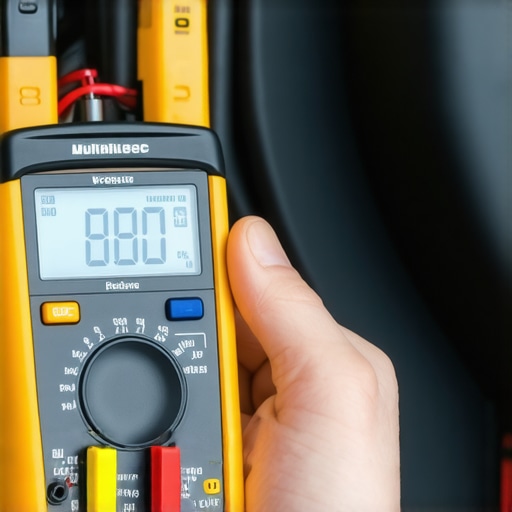 Identifying these leaks early is paramount; you might also want to look into why your car shakes when braking as it could indicate broader hydraulic system instability.
Can high resistance in a ground wire force lights to stay on?
Yes, through a sophisticated electrical phenomenon known as ‘back-feeding.’ If a common ground for the entire rear lighting cluster becomes corroded or loose, the electricity seeking the path of least resistance may travel backward through the brake light filament to reach a ground point in a completely different circuit, such as the license plate lights or the turn signals. This creates a dim but persistent glow that won’t extinguish until the battery is disconnected. Identifying these ‘floating grounds’ is a core skill highlighted in advanced diagnostic literature from Motor Magazine, which emphasizes that modern chassis grounding is as vital as the power supply itself. If you live in a coastal area or the ‘rust belt,’ checking your trunk’s ground points should be part of every routine tune up to avoid these parasitic feedback loops.
The Danger of Aftermarket LEDs and CAN-bus Confusion
The rise of aftermarket LED conversions has introduced a new layer of complexity to the auto repair world. Standard incandescent bulbs draw significant current to heat a filament, but LEDs are incredibly efficient and sensitive. In some multiplexed vehicles, the Body Control Module (BCM) sends out tiny pulses of ‘leakage’ current to test bulb integrity—a process known as cold-bulb monitoring. While this current isn’t enough to light a standard bulb, it is frequently enough to illuminate a high-efficiency LED dimly. This is often mistaken for a short circuit or a stuck switch. If you have recently upgraded your lighting and now face a glowing rear end, you may need to install load resistors or seek a specialized mechanic who understands the nuances of digital lighting logic. Are you seeing similar oddities in your dashboard? You might find answers in our guide on dashboard warning lights and what they mean to see if your car is trying to communicate a logic error.
The Hidden Ratchet Mechanism That Trips You Up
Many vehicle owners do not realize that their modern stoplight switch often utilizes a self-adjusting ratchet or an indexed mechanism. If you ever pull the brake pedal upward—perhaps during a deep interior cleaning or after an intensive DIY brake service—you might inadvertently pull the switch out of its calibrated range. This mechanical displacement results in the plunger being held too far back, leaving the circuit closed even when the pedal is fully retracted. Resetting these switches often requires a specific sequence of pushing the plunger in while holding the pedal down, a technical nuance that separates a DIY enthusiast from a master mechanic. If you hear a faint clicking sound from the footwell while the car is off, you are likely hearing the switch struggle with its physical indexing, demanding an immediate recalibration to prevent battery depletion.
Stop Chasing Ghosts in the Junction Box
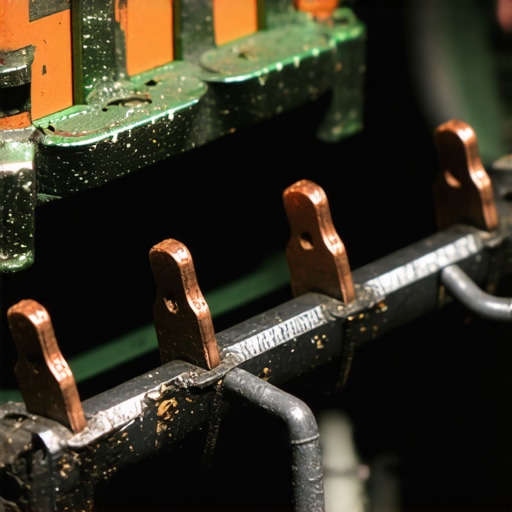
In regions where road salt is a seasonal reality, the rear junction blocks—often hidden behind trunk liners or near the rear wheel wells—become breeding grounds for electrochemical degradation. Moisture wicks through the wiring insulation and pools in the connector pins, creating a resistive ‘bridge’ between the constant 12V battery feed and the brake light signal wire. It is a literal ghost in the machine where the lights stay on because the connector itself has become a conductor. A professional auto repair technician does not just look for a broken wire; they inspect for the greenish-blue crust of copper oxidation that indicates a breached weather seal. To prevent these phantom loads, ensuring your trunk seals and grommets are intact is as vital as any regular tune up for your engine components.
Why does the ABS module occasionally override your pedal input?
Modern Electronic Stability Control (ESC) and Anti-lock Braking Systems (ABS) are no longer passive listeners; they are active participants in the lighting circuit logic. In advanced configurations, the ABS module can command the brake lights to illuminate during an automated emergency braking event or even during Hill Start Assist functions. A software glitch or a faulty internal pressure sensor within the ABS modulator can send a ‘brakes applied’ signal to the BCM, keeping the lamps glowing even when your foot is nowhere near the pedal. According to technical documentation from Bosch Mobility, these integrated safety systems require precise calibration of the internal pressure transducers to avoid false-positive signaling across the CAN-bus. When these sensors drift out of specification, you need more than a mechanic with a wrench; you need a technician with a high-level bidirectional scan tool to perform a zero-point calibration and clear the module’s adaptive memory.
Load Testing is the Only Way to Know for Sure
The most frequent mistake in auto repair diagnostics is relying solely on a digital multimeter’s continuity beep. A wire can have a single strand left intact and still show continuity, yet it will fail to carry the amperage required to power a circuit correctly. Conversely, a high-resistance short might show ‘no voltage’ on a meter but still allow enough micro-amps to pass to keep a sensitive BCM input triggered in an ‘on’ state. Expert-level brake service involves using a ‘test light’ or a carbon pile load tester to see if the circuit can actually perform work. If you are serious about your vehicle’s health, do not just stop at the basics. Have you ever been fooled by a ‘good’ continuity reading that failed under load? We invite you to share your most frustrating electrical stories in the comments below. For more advanced insights, check our guide on mechanic secrets for finding electrical shorts fast to sharpen your diagnostic edge and avoid unnecessary part-swapping.
Expert Insights & Advanced Considerations
Prioritize Voltage Drop Testing Over Simple Continuity
A common pitfall in professional auto repair is relying on a multimeter’s continuity beep to confirm a good wire. This only proves the wire is connected, not that it can carry the necessary amperage under load. When diagnosing a persistent light, you must measure the voltage drop across the switch while it is engaged; excessive resistance often points to carbon tracking inside the switch housing, a nuance that simple tests miss entirely. Learning mechanic secrets for finding electrical shorts fast is the best way to transition from a parts-swapper to a true expert diagnostician.
Beware the Creeping Corrosion in Shared Ground Points
Modern vehicles frequently utilize star grounds where multiple systems, including the brake and hazard circuits, share a single chassis connection point. If this point oxidizes, electricity can back-feed through the brake light filament to reach an alternative path to ground. This is why a high-level brake service always involves a visual inspection of the harness termination points in the trunk or rear quarter panels to prevent these phantom illumination issues from draining your battery. Identifying these early is key to avoiding the frustration of a no-start condition.
Respect the Logic of Digital Control Systems
In many current-model cars, the brake pedal does not directly touch the light circuit; instead, it informs the Body Control Module (BCM) of driver intent. If the BCM is stuck in a wake state due to a faulty door latch or interior light delay, it may inadvertently keep the brake output active. This digital crosstalk requires a high-end scan tool to monitor live data pids to see exactly what the computer thinks is happening in real-time. To ensure your vehicle’s modules remain healthy, consider reviewing why regular tune ups are key to car longevity to keep your electrical infrastructure in peak condition.
#IMAGE_PLACEHOLDER_E#
Curated Expert Resources
National Institute for Automotive Service Excellence (ASE): This is the gold standard for technician certification, providing rigorous technical briefs on electrical systems and advanced circuit diagnostics.
SAE International: This organization provides the J-standard documentation that defines exactly how brake override systems and cruise control interlocks must behave in all modern production vehicles.
AllData Technical Knowledgebase: The primary professional software used by any master mechanic for accessing factory wiring diagrams and technical service bulletins (TSBs) specific to a vehicle’s VIN.
Final Expert Perspective
Mastering the complexities of auto repair requires a fundamental shift from a mechanical mindset to an electrical one. When your vehicle’s safety lights refuse to extinguish, it is a clear signal that the delicate balance of your brake service ecosystem has been compromised by resistance, logic failure, or physical wear. By utilizing a diagnostic-first approach and referencing a comprehensive ultimate tune-up checklist, you can isolate these parasitic drains before they lead to an expensive towing bill. We invite you to join the conversation below: what was the most surprising electrical ghost you ever had to hunt down in your car? To sharpen your DIY skills even further, explore our tune up strategies to save money on auto repairs and take full command of your vehicle’s maintenance future.