The Thermodynamic Reality of Cabin Warmth
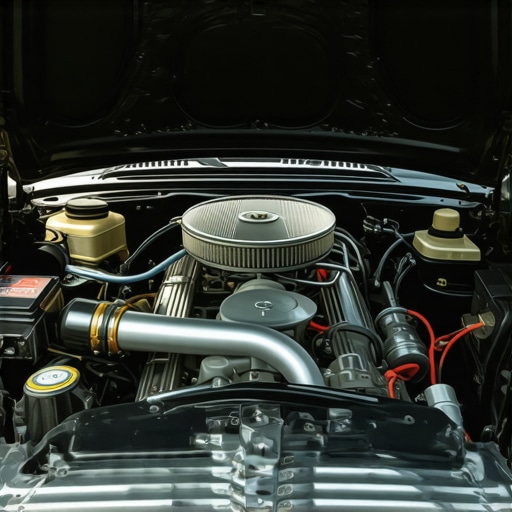
Few automotive inconveniences are as baffling as a climate control system that blows icy air at a red light but transitions to comfortable warmth the moment your foot hits the accelerator. From an engineering standpoint, cabin heating is not an auxiliary luxury but a direct byproduct of your powertrain’s thermal management. When your engine operates under load, it generates substantial kinetic heat which is transferred to the circulating engine coolant. When the vehicle is stationary, this thermal dynamic changes dramatically, often exposing underlying system inefficiencies that require expert auto repair strategies to properly diagnose.
Under the Hood of the Stationary Cold Draft
When a vehicle is idling, the water pump spins at its lowest operational RPM. If the cooling system is compromised by low fluid levels, minor air pockets, or a degrading impeller, the pump cannot generate enough head pressure to push hot coolant through the restrictive, narrow passages of the heater core. This specialized mini-radiator, tucked deep within your dashboard, relies on a steady, pressurized flow of hot liquid to warm the air blown into the cabin. A drop in engine speed directly translates to a drop in coolant flow, causing the air temperature to plummet instantly.
This symptom is frequently a precursor to more severe thermal management failures. Ignoring a heater that only functions under load can lead to localized engine hot spots, accelerated oil degradation, and eventually, catastrophic head gasket failure. Addressing these nuances early during a routine seasonal tune up can prevent exceptionally costly secondary damage.
Why Does Idle Speed Starve the Heater Core?
At idle, your engine runs at approximately 600 to 800 RPM. According to diagnostic standards highlighted by the National Institute for Automotive Service Excellence (ASE), this low rotational speed reduces the volumetric efficiency of mechanical water pumps. If there is even a minor vacuum leak or an air bubble trapped inside the cooling loop, the liquid column breaks, causing the hot coolant to bypass the elevated heater core entirely. The moment you accelerate and raise the RPM, centrifugal force overcomes the resistance, restoring the hot circuit temporarily. If you notice these symptoms, it is highly recommended to consult a trusted professional; take a moment to learn how to choose a skilled mechanic you can trust to resolve complex thermal issues before winter sets in.
The Hidden Danger of Coolant Cavitation
Another silent culprit behind this symptom is coolant cavitation, which occurs when old, depleted fluid loses its anti-foaming properties. As the water pump spins, it creates micro-bubbles that implode against the internal metal surfaces, reducing heat transfer efficiency and eroding pump impellers over time. Ensuring your fluid is fresh and free of debris is just as critical as maintaining your stopping power with a comprehensive brake service, as both systems rely heavily on hydraulic integrity to keep you safe on the road.
Air Pockets and the Physics of the Elevated Heater Core
In modern automotive design, packaging efficiency often dictates that the heater core is positioned at or above the physical height of the engine’s cylinder head. This layout presents a unique hydraulic challenge. Because air is lighter than liquid, any rogue pockets of gas within the cooling system will naturally migrate to this highest point. When your engine is idling and coolant velocity drops, these trapped bubbles form a localized air lock, completely blocking the flow of thermal energy to your cabin.
These pockets do not always originate from simple coolant loss. A subtle combustion leak can slowly pump high-pressure exhaust gases into the cooling jacket, pushing coolant away from the heater core. Drivers often misinterpret this as a minor annoyance, but learning the simple way to check for a blown head gasket at home can save you from a catastrophic engine meltdown. Diagnosing this early prevents the coolant loop from becoming pressurized by exhaust, which ultimately starves the passenger compartment of heat.
Detecting the Silent Failure of the Bypass Valve
Many modern computer-controlled climate systems use a vacuum-operated or electronic coolant bypass valve to regulate temperature. When these valves begin to fail or experience restricted vacuum supply, they often struggle to remain open under low-vacuum conditions, such as during idle or light acceleration. This mechanical hesitation restricts the volume of hot liquid allowed into the dashboard, leaving passengers shivering at traffic lights.
This vacuum starvation often points to deeper issues under the hood. A cracked manifold line or a degrading vacuum reservoir can easily trick a driver into assuming they need a brand-new heater core. In reality, a systematic search for a vacuum leak using DIY methods, such as how to find a vacuum leak using a simple cigar, can pinpoint the exact split hose responsible for the drop in valve control pressure without expensive diagnostic equipment.
Could a Faulty Radiator Cap Really Freeze Your Cabin?
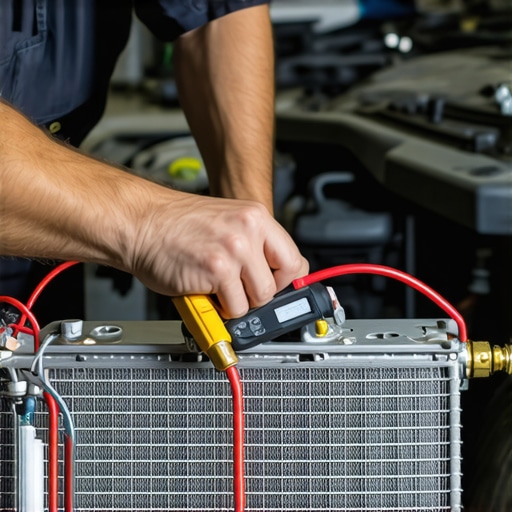
It sounds highly improbable that a simple cap on your radiator could dictate whether your feet stay warm, but the thermodynamics of a pressurized cooling system are uncompromising. According to technical bulletins from the Society of Automotive Engineers (SAE), a cooling system must maintain a constant pressure (typically between 13 to 16 PSI) to raise the boiling point of the coolant and prevent localized boiling inside the engine block. If the spring-loaded seal on your radiator cap degrades, the system cannot maintain this crucial operating pressure.
Without adequate pressure, the coolant boils prematurely near the hot exhaust ports, creating steam pockets that disrupt the hydraulic flow to the heater core at low engine speeds. If you suspect your thermal loop is losing pressure without showing external wet spots, checking this component is paramount. You can easily diagnose this root cause yourself by reading about the 4 test that proves your radiator cap is killing your engine and performing the test in your driveway.
The Long-Term Cost of Deferred Thermal Maintenance
Allowing your vehicle to run with a compromised heating cycle does more than affect your winter comfort; it actively shortens the lifespan of critical engine components. When coolant flow is restricted or interrupted by air locks and low pressure, the engine’s internal temperature sensors may read normal overall temperatures, while localized hot spots quietly warp cylinder heads and degrade valve stem seals. This thermal stress accelerates oil thinning, which diminishes the protective barrier on your bearings and camshafts.
If you have noticed your temperature needle fluctuating or your heater going cold at red lights, do not wait for the check engine light to start flashing. We want to hear from you: have you ever experienced a sudden loss of cabin heat, and what did the fix turn out to be? Leave a comment below, or share this article with a friend who is currently shivering through their morning commute so they can run these simple checks before visiting a workshop.
Decoding Blend Door Actuator Malfunctions and Electrical Calibration Drift
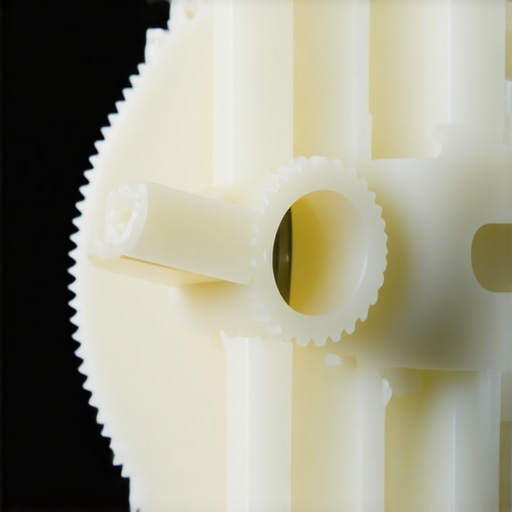
While mechanical fluid dynamics govern the delivery of hot coolant to your dashboard, the electronic distribution of that heat throughout the cabin relies on a complex network of blend door actuators. These small, gear-driven electric motors position internal flaps that mix freezing outside air with the radiant warmth radiating from your heater core. Over time, the delicate plastic gears inside these actuators strip, or the internal potentiometers lose their calibration. When this occurs, the climate control module may command full heat at idle, but because the feedback loop is compromised, the actuator defaults to an incorrect position, allowing cold air to bypass the heater core entirely.
Why Do Climate Controls Default to Cold Only at Certain RPMs?
At idle, your alternator produces less current than it does while cruising down the highway. For an aging blend door actuator or an electrical system plagued by high ground resistance, this slight voltage drop can be catastrophic. If the control module detects a voltage supply fluctuation of even a fraction of a volt when the engine drops to 700 RPM, it may reset the actuator position or lack the necessary torque to hold a stiff, binding blend door open against the incoming rush of blower motor air. This explains why acceleration, which spins the alternator faster and raises system voltage back to a healthy 14.2 volts, can momentarily restore actuator function and bring back warm air.
Diagnosing these electrical gremlins requires a methodical approach. Highly skilled technicians often cross-reference cabin temperature sensor readings using specialized diagnostic software. If you want to dive deeper into the tools required to track down elusive sensor glitches and electrical resistance, reading our guide on OBD2 scanners demystified can give you the technical edge needed to read live climate control data streams from your dashboard computer.
The Critical Role of the Auxiliary Coolant Pump in Modern Hybrids
The rise of hybrid drivetrains and fuel-saving start-stop technology has fundamentally altered the automotive cooling landscape. In vehicles equipped with automatic engine shutdown features, the mechanical water pump ceases to spin when the vehicle stops at a traffic light. To prevent the cabin from instantly turning into an icebox, manufacturers install electric auxiliary coolant pumps. These specialized pumps are designed to run independently of the engine’s RPM, maintaining a constant flow of hot fluid through your heater core even when the combustion engine is completely silent.
When these auxiliary pumps begin to degrade or suffer from internal electrical resistance, they fail to engage when the engine transitions to idle or auto-stop mode. This results in an immediate loss of cabin heat, which is only restored when the gasoline engine restarts and the primary mechanical pump takes over. Diagnosing a faulty electric pump requires testing for power and ground at the pump harness during an idle event, a procedure that highlights how complex modern thermal management has become compared to traditional belt-driven systems.
Why Hybrid and Electric Platforms Struggle with Stationary Cabin Temperatures
As automotive engineering shifts toward electrification, thermal management has evolved from a passive cooling function into a highly complex, active distribution network. In hybrid vehicles, the internal combustion engine frequently cycles off at stoplights, forcing the vehicle to rely entirely on an auxiliary electric heater or a high-voltage PTC (Positive Temperature Coefficient) heater. Unlike traditional engines that utilize waste heat, these solid-state heating elements draw massive current directly from the hybrid battery pack. When these ceramic stone elements experience micro-fractures or structural degradation, their internal resistance spikes, preventing them from generating sufficient radiant heat under low-load, stationary conditions.
For a detailed look at how these advanced high-voltage thermal loops operate under varying load conditions, the Argonne National Laboratory provides extensive public research on electric vehicle cabin heating efficiency and battery thermal load management. When these auxiliary systems begin to falter, the diagnostic process shifts from checking mechanical fluid levels to analyzing CAN-bus communication lines and isolating high-voltage insulation faults. If you want to keep your entire vehicle operating at peak efficiency, integrating a comprehensive electrical check into your routine tune up is vital for long-term reliability.
How do you diagnose a failing heater core without tearing down the dashboard?
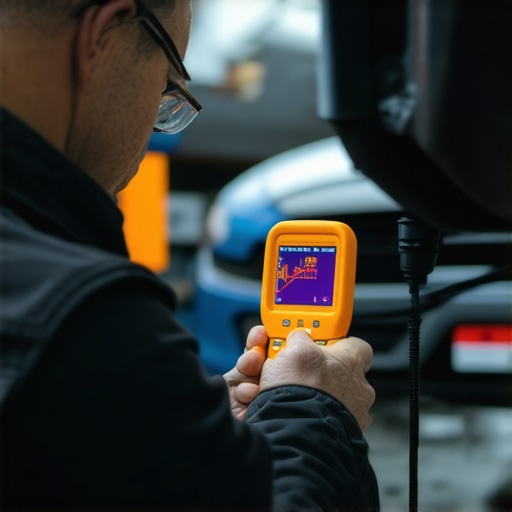
An experienced mechanic bypasses intensive dashboard disassembly by conducting a thermal delta test using an infrared thermometer on the heater core inlet and outlet hoses. With the engine idling at normal operating temperature, both hoses should read within fifteen degrees Fahrenheit of each other. If the inlet hose reads hot while the outlet hose remains lukewarm or cold, this thermal disparity confirms a physical restriction inside the core passages or a severe localized air lock. If both hoses are cool, the issue lies upstream with the water pump flow rate, a stuck-open thermostat, or an unresolved pressure leak.
Reclaiming Your Cabin Warmth Through Systematic Bleeding Protocols
Resolving a persistent cold-at-idle condition often comes down to removing stubborn air pockets trapped within the heater core’s elevated U-bends. Standard cooling system refilling procedures often fail to purge these pockets because the thermostat remains closed during the initial fill, trapping air behind its valve. Utilizing a spill-free funnel kit attached directly to the radiator neck allows the fluid level to sit higher than the highest point in the heater core, using gravity and natural thermal expansion to force the trapped air bubbles out of the system as the engine warms up.
Ignoring these trapped air pockets does more than leave you cold; it accelerates the internal oxidation of your radiator and heater core, leading to premature metal degradation and pinhole leaks. Much like ignoring a soft brake pedal can lead to a critical failure that requires an emergency brake service, ignoring a gurgling sound behind your glovebox is your warning sign to take action. If you suspect your cooling system needs a professional purge, learning how to choose a skilled mechanic you can trust will ensure the job is done with the correct vacuum-refilling equipment, guaranteeing a warm cabin all winter long.
Expert Insights & Advanced Considerations
Addressing erratic cabin heating requires looking beyond the basic components of the cooling system and understanding how minor electrical or mechanical variances manifest at idle speed.
Voltage Drop and Idle Cabin Chill
At low RPMs, a weak alternator or high electrical resistance can limit the control current going to your blend door actuators. When current drops, these small electric motors can default to a closed or cold position, starving the cabin of heat. If you suspect electrical issues are causing these changes, checking your charging system with simple tools can pinpoint the problem; learn how the 10 multimeter trick for spotting a dying alternator before it strands you keeps your climate control components operating reliably.
Micro-Leaks and Delayed Cabin Warmup
A system that loses pressure without leaving visible puddles on your driveway is often suffering from micro-leaks. These tiny breaches allow air to enter the heater core circuit, creating performance-killing air locks that prevent proper warmth at idle. If you struggle with a rough-running engine alongside your heating issues, it is wise to check for intake leaks; using how to find an intake leak using only a 5 bottle of soapy water can help you locate vacuum issues that disrupt both engine idle and cabin comfort.
Thermal Stratification Inside the Radiator
When coolant degrades, it forms a thick sludge that settles in the lower portion of your radiator and heater core. This stratification means that while the engine may seem to run at a normal temperature, the actual heat transfer efficiency at low coolant velocities is critically compromised. If your fluid looks dark or muddy, learning how to flush your own radiator without making a massive mess is the most effective way to restore proper thermal circulation before winter.
Curated Expert Resources
To deepen your technical understanding of automotive thermal dynamics and electrical diagnostics, explore these highly respected industry resources:
- Society of Automotive Engineers (SAE) Technical Papers: The gold standard for in-depth engineering studies on automotive cabin climate control and thermal management loops.
- National Institute for Automotive Service Excellence (ASE) Study Guides: Exceptional resources for mastering advanced electrical diagnostics and heating, ventilation, and air conditioning (A7) systems.
- Argonne National Laboratory Research Database: Offers cutting-edge, publicly accessible research on electric vehicle thermal efficiency, auxiliary heating elements, and battery cooling loops.
Final Expert Perspective
A vehicle that struggles with heat at a red light is warning you of underlying thermal management inefficiencies. Whether the culprit is an air lock, a weak water pump, or a faulty blend door, resolving these symptoms early prevents major mechanical failures down the line. If you are experiencing persistent cabin climate issues, schedule a professional tune up or seek an expert auto repair diagnostic to pinpoint the issue. Have you successfully cleared a stubborn heater core air pocket or replaced a failing bypass valve? Leave a comment below with your diagnostic tips or share your experience with our community of automotive enthusiasts.