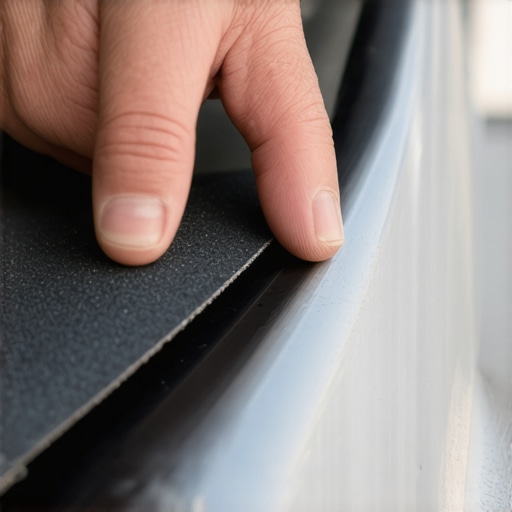
From an engineering perspective, the failure of wiper blades is often not a result of total material degradation, but rather the accumulation of oxidized rubber and road film on the microscopic contact edge. When a vehicle undergoes a routine tune up, peripheral safety components like wipers are frequently overlooked in favor of more complex systems. However, maintaining clear visibility is as foundational to driver safety as a professional brake service. By applying micro-abrasive techniques, car owners can strip away the hardened, dead layer of the squeegee to reveal the fresh, pliable elastomer beneath, effectively extending the lifecycle of the component during challenging weather transitions.
Why Your Wipers Fail Long Before the Rubber Perishes
Most drivers assume that streaking and chattering mean the wiper is physically exhausted. In reality, ultraviolet exposure and ozone cracking primarily affect the outermost skin of the blade. As a seasoned mechanic will tell you, this crust prevents the blade from ‘flipping’ as it changes direction, leading to the dreaded skipping sound. This phenomenon is a common point of discussion in the essential guide to auto repair keep your vehicle running smoothly, where maintaining small components is shown to prevent larger visibility hazards. According to automotive safety standards documented by SAE International, even a minor loss in blade edge squareness significantly reduces moisture clearance at highway speeds.
The Precise Art of Micro-Abrasive Resurfacing
To execute this restoration, you require 2000-grit wet/dry sandpaper and a lubricant, such as glass cleaner or soapy water. You are not trying to reshape the blade; you are simply polishing the contact surface. This approach aligns with broader tune up strategies to save money on auto repairs by focusing on restoration over replacement. Saturate the sandpaper and gently pull it along the length of the rubber edge three to four times. You will notice a black residue—this is the oxidized material being removed. Once finished, wipe the blade with a microfiber cloth dipped in rubbing alcohol to remove any grit. This refined auto repair tactic ensures the edge remains sharp enough to shear water off the glass without leaving a film.
How Much Performance Can You Actually Reclaim via Resurfacing?
While sandpaper can mitigate minor streaking, it cannot fix a blade that has suffered structural tearing or a lost tensioning spring. If the blade frame is bent, no amount of sanding will restore contact pressure. For those deeper mechanical diagnostics, referring to mechanic tips diagnosing common auto problems can help differentiate between a simple surface fix and a component that requires a full replacement for safety. If you find yourself frequently performing these micro-fixes, it may be time to evaluate your overall vehicle health. Do you have a specialized maintenance trick? Share your professional insights with our community in the comments below!
Integrating Visibility Maintenance into Your Safety Routine
Successful vehicle ownership relies on a layered approach to maintenance. Just as you wouldn’t ignore a soft pedal before a brake service, you shouldn’t ignore the first signs of visibility loss. Effective resurfacing can provide an additional three to six months of use, particularly during the transition from summer heat to autumn rains. This proactive mindset is what separates a savvy owner from one who constantly pays for avoidable replacements. By mastering these small-scale interventions, you maintain a higher standard of safety and performance without the constant overhead of new parts.
Stop Blaming the Blades for Deep-Seated Glass Contamination
The persistent chatter or ghosting film often attributed to old blades is frequently a symptom of bonded contaminants on the windshield substrate. Microscopic particles of road tar, tree sap, and metallic industrial fallout embed themselves into the glass pores, creating an abrasive surface that compromises even a brand-new mechanic-installed wiper. This phenomenon is a cornerstone of auto repair myths debunked what really matters for your car, where owners often replace parts unnecessarily when a deep surface decontamination is actually required. Using a specialized automotive clay bar on the glass removes these jagged impurities, restoring a level of smoothness that allows the blade to maintain a perfect hydraulic seal against the glass, much like how a clean rotor surface is essential for a professional brake service to be effective.
Does Silicone Actually Outlast Traditional Organic Rubber in High-Heat Environments?
From a material science perspective, the shift toward silicone is not merely a marketing gimmick; it is a direct answer to the thermal degradation inherent in EPDM (Ethylene Propylene Diene Monomer) rubber. Silicone offers exceptional UV resistance and retains its pliability in extreme cold, preventing the hardening that causes skipping across the glass. As we observe in the top auto repair trends to watch in 2025, premium synthetic materials are rapidly becoming the standard for safety-critical components. However, silicone blades work by depositing a micro-thin layer of hydrophobic material on the windshield. While this assists in water shedding, it requires a pristine substrate to avoid uneven patches and streaks during light drizzle.
Don’t Let Streaks Blind Your Car’s Smart Safety Sensors
Modern vehicle safety relies on more than just the driver’s eyes. Most Advanced Driver Assistance Systems (ADAS) utilize high-definition cameras mounted behind the top center of the windshield to manage lane-keep assist and emergency braking protocols. A single streak across this narrow optical field can cause the system to blind itself or generate dangerous false positives. Research from AAA confirms that impaired visibility from worn wipers significantly delays the response time of these automated safety features during inclement weather. This connection between mechanical health and electronic accuracy is a primary reason how a top rated mechanic ensures safe auto repairs every time includes a rigorous inspection of the wiper sweep area during any routine tune up.
Rain-Repellent Coatings Might Be Ruining Your Wiper Performance
While aftermarket chemical treatments offer impressive water-beading properties, they drastically alter the friction dynamics of the glass surface. If your wiper arm tension has weakened over time, the reduced friction of a coated windshield can cause the blade to chatter as it fails to flip its edge at the end of each stroke. This mechanical noise is functionally identical to the issues discussed in why new brake pads squeak even if they were installed correctly, where surface incompatibility leads to audible vibration. Ensuring that your wiper assembly is perfectly perpendicular to the glass—and that the arm spring tension meets factory specifications—is vital before applying these treatments. If you are noticing persistent vibration throughout your vehicle’s controls, exploring brake service strategies that save you money and extend brake life can provide further insights into how specialized maintenance keeps your drive quiet. Do you prefer chemical coatings or high-performance silicone blades for your rainy season prep? Join the conversation in the comments below!
Why Tension and Angle Matter More Than New Rubber
Even the most advanced silicone blade will fail if the mechanical arm delivering the pressure is compromised. Over years of use, the internal tension spring within the wiper arm loses its elasticity, a process accelerated by leaving wipers pulled away from the glass during snowstorms—a common but harmful habit. A professional mechanic knows that the ideal pressure is typically around one ounce per inch of blade length. If the arm is weak, the blade cannot conform to the complex curvature of modern aerodynamic windshields, leading to ‘missed’ spots right in the driver’s line of sight. This mechanical failure is often misdiagnosed as a blade issue during a standard tune up, when in fact the entire arm assembly requires recalibration or replacement to ensure the auto repair actually holds up under heavy rain.
Is Your Wiper Arm Spring Stealing Your Visibility?
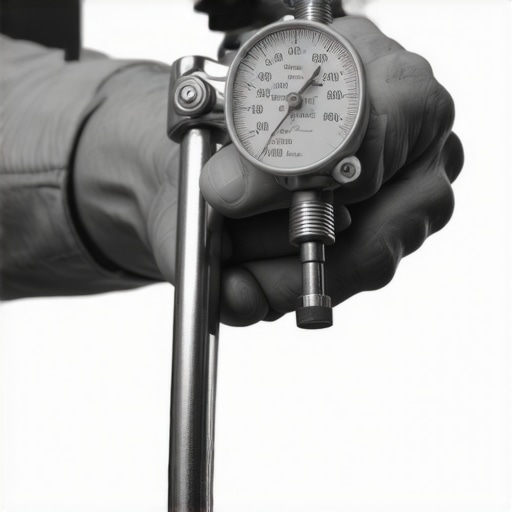
To test this at home, gently lift the wiper arm and feel the resistance. It should feel firm and snap back decisively. If it feels sluggish or requires manual effort to return to the glass, the spring has likely ‘set’ or fatigued. Furthermore, the angle of the blade—known as the attack angle—must be perfectly perpendicular. If the arm is slightly twisted, the blade will ‘plow’ water in one direction and ‘chatter’ in the other. Correcting this often requires a specialized adjustment tool to subtly bend the arm back into alignment, a nuance frequently covered in advanced brake service and chassis alignment training where precision geometry is paramount. Have you ever checked the tension of your wiper arms, or do you simply swap the blades and hope for the best? Let us know your experience in the comments!
The Chemical Warfare of Winter Road Salt and Brine
The transition into winter introduces a new set of variables that can instantly negate a fresh auto repair. Road brine, a mixture of rock salt and magnesium chloride, acts as a powerful desiccant. It pulls moisture directly out of the rubber or EPDM material, causing it to become brittle in weeks rather than months. According to research on material corrosion from Corrosionpedia, the ionic nature of road salts can also create a galvanic reaction with the metal frames of traditional wipers, leading to frozen joints. This is why ‘winter blades’—which feature a rubber boot to protect the linkages—are more than just a seasonal upsell. They maintain the flexibility required to clear heavy slush that would otherwise overwhelm a standard summer-weight blade.
High Speed Lift and the Necessity of Aerodynamic Spoilers
At highway speeds, the airflow over the windshield creates a low-pressure zone that can actually lift the wiper blade off the glass. This ‘wind lift’ is particularly dangerous during high-speed travel in light rain where the aerodynamic force exceeds the mechanical downforce of the arm. Manufacturers combat this by integrating spoilers into the blade design or the arm itself. If you notice that your wipers work perfectly at 30 mph but fail at 70 mph, you are likely dealing with an aerodynamic deficiency. This technical detail is a frequent topic in high-performance maintenance, much like ensuring the proper cooling ducts are clear during a tune up for a sports car. The shape of the spoiler is designed to use the wind to push the blade harder against the glass, ensuring that the mechanic-verified contact remains consistent regardless of your velocity. Beyond the external hardware, the internal electrical health of the wiper motor often dictates the consistency of the sweep, especially when the resistance of a dry windshield starts to strain the circuitry
This surge in electrical demand can lead to blown fuses or, worse, a burnt-out motor at the exact moment you need it most. Much like how an aging battery can compromise a modern tune up, an overworked wiper motor is a silent liability. When a mechanic evaluates the electrical health of a vehicle, they often check the amperage draw of the wiper assembly. High resistance usually indicates that the mechanical linkages beneath the cowl have become parched or corroded, forcing the motor to fight against friction rather than just the weight of the rain. Addressing this isn’t just about clear glass; it’s about preserving the life of the entire auto repair ecosystem by ensuring the electrical load remains within factory tolerances.
Lubricate Your Cowl Linkages to Prevent Motor Burnout
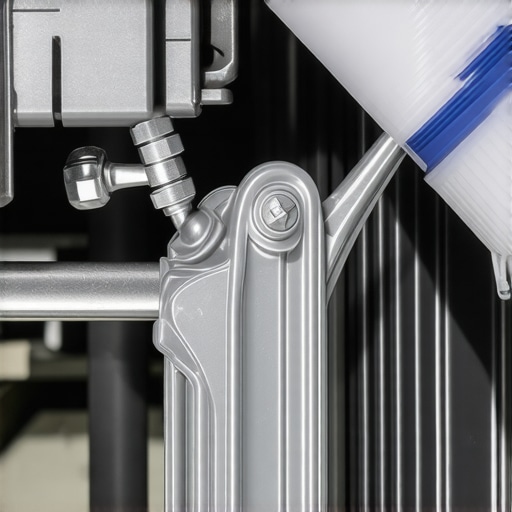
Hidden beneath the plastic trim at the base of your windshield lies a complex series of metal arms and pivot points. These components are exposed to constant moisture and road debris, yet they are rarely touched during a standard brake service or oil change. Over time, the factory grease dries out, leading to jerky movements or ‘lazy’ wipers that fail to return to the park position. To maintain peak performance, a high-quality lithium grease or dry PTFE spray should be applied to the ball joints and pivots of the linkage assembly. This simple intervention significantly reduces the mechanical strain on the motor, mirroring the preventive philosophy of a high-level tune up where every friction point is accounted for to maximize efficiency and longevity.
Can Seasonal Washer Fluids Cause Accelerated Edge Hardening?
The chemistry of your washer fluid is just as critical as the rubber itself. While high-alcohol winter blends are necessary to prevent freezing, the solvents can act as a catalyst for elastomer degradation if left to sit on the blade edge. Research from the National Highway Traffic Safety Administration (NHTSA) indicates that environmental factors, including chemical exposure, account for a significant portion of visibility-related hardware failures. Many drivers don’t realize that certain ‘bug wash’ formulas contain detergents that can strip the protective coatings from silicone blades. To protect your investment, consider using a pH-balanced fluid and always rinse your blades with fresh water after a heavy application of de-icing spray. This level of attention to detail is what separates a routine fix from a professional-grade auto repair strategy.
The Hydrodynamic Wedge and Why Speed Always Wins
At a microscopic level, your wiper blade functions as a squeegee that must maintain a thin hydraulic seal. When your vehicle speed increases, the volume of water hitting the glass can create a ‘wedge’ effect, where the water pressure actually lifts the blade edge off the glass substrate. This is why high-performance vehicles often feature asymmetric blade profiles designed to harness wind pressure. If your wipers perform poorly at highway speeds but fine in the city, the issue likely isn’t the rubber, but a lack of downward force. Much like the precision required in a brake service to ensure pad-to-rotor contact, your wiper system requires the correct aerodynamic profile to stay pinned to the glass under load. Ensuring your wiper arms aren’t bent or misaligned is the final step in achieving a streak-free drive. Have you noticed your wipers slowing down during heavy downpours? Your motor might be signaling a deeper electrical issue—tell us your diagnostic story in the comments!
Professional Maintenance Strategies and Expert Findings
Why High-Speed Aerodynamics Dictate Your Blade Choice
At highway speeds, wind lift can neutralize the downward force of your wiper arms. If you experience poor clearing only above 60 mph, your blade profile is likely insufficient for your vehicle’s specific airflow. Much like diagnosing why your brake rotors warp after only 5000 miles, solving high-speed visibility issues requires understanding the physical stress applied to the component under load.
The Invisible Cost of Friction on Your Charging System
Every bit of resistance in your wiper transmission assembly translates to heat in the wiper motor and strain on your battery. During a professional tune up, a top-tier mechanic will often look for signs of mechanical binding. Neglecting this friction can lead to an unexpected auto repair bill when the motor eventually burns out during a storm.
Stop Treating Visibility Like a Seasonal Afterthought
Expert-level car care involves proactive chemistry. Utilizing pH-balanced cleaners prevents the premature hardening of the blade edge. This mindset mirrors the precision found in a professional brake service, where every surface must be perfectly prepared for the system to function. Using the right techniques to tune up your car like a pro expert tips for optimal performance ensures that your visibility stays crystal clear regardless of the external conditions.
#IMAGE_PLACEHOLDER_E#
Authority-Approved Resources for Technical Mastery
SAE International Research Papers: These provide the engineering baseline for wiper material science and aerodynamic performance standards.
NHTSA Vehicle Safety Databases: A critical resource for checking if your vehicle has documented issues with visibility sensors or wiper hardware.
The Council of Car Care Experts: Offers peer-reviewed guides on how to integrate small maintenance tasks into a broader safety routine.
Technical Detailing Whitepapers: Essential for understanding how modern ceramic glass coatings interact with organic and synthetic wiper rubbers.
The Final Word on Strategic Visibility Maintenance
Maintaining clear visibility is an ongoing commitment to vehicle health. By understanding the mechanical and chemical variables at play, you elevate your car from a simple transport device to a finely tuned machine. Just as you wouldn’t cut corners on a brake service, ensuring your wipers and glass substrate are in peak condition is non-negotiable for safety. This attention to detail is the hallmark of a savvy owner who understands that a proactive auto repair strategy is always cheaper than reactive fixes. To further refine your maintenance skills, check out the truth about high mileage oil does your shop actually use it for more insider perspectives. Which expert maintenance trick has saved you the most money this year? Join the community discussion below!