
The Physics of a Sealed System and Why Fluid Vanishes
In the realm of professional auto repair, the hydraulic braking system is theoretically a closed loop. Yet, every veteran mechanic knows that a dropping fluid level is rarely a mystery to the trained eye; it is an analytical indicator of physical changes within the system. Unlike engine oil, which can be consumed via combustion, brake fluid is not used up. If the level in your master cylinder reservoir is falling, you are either witnessing the natural compensation for friction material loss or a structural breach that requires an immediate brake service to maintain vehicle safety.
Your Brake Pads are Stealing Your Fluid
The most common reason for a low fluid level isn’t a leak at all, but rather the logical result of caliper piston extension. As your brake pads wear down, the pistons must travel further out of their bores to press the remaining friction material against the rotor. This creates a larger internal volume within the caliper, which is filled by fluid drawn down from the reservoir. Understanding when to know you need brake service now involves recognizing that a low reservoir often mirrors the remaining life of your pads. Once new pads are installed, the pistons are compressed, and the fluid returns to its original level.
Why does your brake pedal feel soft even if the reservoir is full?
Fluid level is only one metric of system health; chemical integrity is another. Brake fluid is hygroscopic, meaning it actively absorbs moisture from the atmosphere through microscopic pores in rubber hoses or a poorly sealed cap. When water content exceeds 3%, the boiling point of the fluid drops significantly. Under heavy braking, this moisture turns to steam, creating compressible gas pockets. This is why you must test your brake fluid for water content at home or consult a specialist. According to the National Highway Traffic Safety Administration (NHTSA), maintaining the boiling point of hydraulic fluid is critical for preventing brake fade during emergency maneuvers.
Check the Master Cylinder for Internal Bypassing
If you find yourself constantly topping off the reservoir but see no visible drips on your driveway, the fluid might be migrating into the vacuum brake booster. An internal seal failure at the rear of the master cylinder allows fluid to seep past the primary piston and into the booster housing. This hidden leak is dangerous because it can eventually damage the booster diaphragm, leading to a loss of power assist. Implementing proactive brake maintenance hacks to prevent costly failures can save you from replacing the entire master-booster assembly. A top-rated mechanic ensures safe auto repairs every time by inspecting these hidden junctions during every routine tune up.
Don’t wait for the pedal to hit the floor; discover the professional brake service secrets to boost safety and longevity by scheduling a comprehensive hydraulic system audit today.
Stop Hunting for Drips and Start Looking at the ABS Module
When external inspections yield no results, the seasoned technician shifts focus to the Hydraulic Control Unit (HCU) of the Anti-lock Braking System. The ABS module is a labyrinth of solenoid valves and tiny passages that can develop internal cross-leaks. In some high-pressure systems, fluid can actually bypass internal valves and become trapped within the accumulator or the pump motor housing itself. This won’t leave a puddle on your garage floor, but it will cause a steady drop in the reservoir level and a noticeably soft pedal. Expert mechanic tips for diagnosing common auto problems often highlight the ABS module as a primary suspect when traditional hydraulic tests fail. If you suspect an internal HCU failure, specialized scan tools are required to cycle the valves and confirm where the fluid is being rerouted.
Is Copper Contamination Quietly Ruining Your System from the Inside?
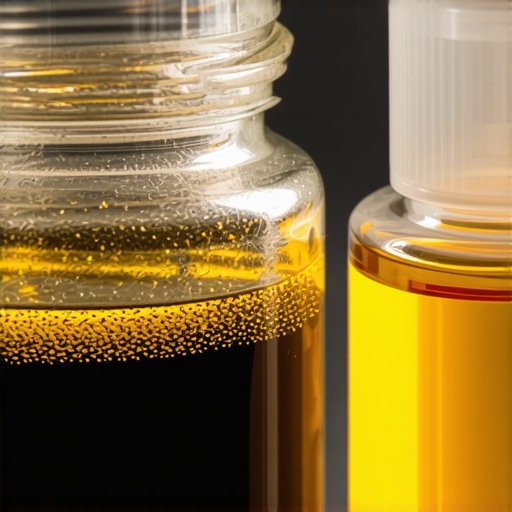
Many drivers are surprised to learn that brake lines are often copper-brazed steel. Over time, the protective coating inside these lines breaks down, releasing copper ions into the fluid. These ions act as a catalyst for electrochemical degradation, attacking the delicate rubber seals in your calipers and master cylinder. High copper content is a leading cause for why you might see 3 reasons your fresh brake fluid turned black in less than a month. According to engineering standards set by SAE International (specifically standard J1703), once copper levels exceed 200 parts per million, the fluid is no longer providing adequate corrosion protection. This chemical breakdown turns your hydraulic fluid into an abrasive slurry that eats away at the very seals designed to keep it contained.
Expose Hidden Leaks Behind the Drum Brake Boots
While modern cars favor disc brakes, many still utilize drum brakes on the rear axle. These systems hide their weaknesses behind a heavy metal drum. The wheel cylinder, responsible for pushing the brake shoes outward, is equipped with two rubber dust boots. It is a classic rookie mistake to assume a wheel cylinder is dry just because the outside of the drum is clean. Fluid often pools inside the dust boots long before it ever leaks out onto the tire. To maximize your brake service efficiency with these tips, you must physically peel back the rubber boot on the wheel cylinder; if even a drop of fluid escapes, the cylinder is failing. Neglecting this often leads to a sudden loss of pressure and contaminated brake shoes that lose all friction capability.
Ensuring your vehicle stays on the road requires more than just topping off liquids. From identifying the simple move that fixes a sticky brake caliper to installing the 7 dollar clip that stops your brake lines from rubbing, precision matters. Tell us in the comments if you have ever discovered a hidden leak in your own vehicle, or share this guide to help a fellow driver identify these critical safety red flags before they lead to a complete system failure.
Stop Blaming the Master Cylinder and Check the Proportioning Valve
In many older vehicles and specific heavy-duty trucks, the proportioning valve acts as the traffic controller for hydraulic pressure. Its job is to ensure the rear wheels don’t lock up before the front during hard braking. However, when the internal seals of this valve perish, it can trap fluid in one half of the system or allow internal bypassing that mimics a failing master cylinder. A seasoned mechanic knows that a firm pedal that slowly sinks only during light pressure often points here. If you are performing a brake service and cannot get a clear stream of fluid to the rear bleeders despite a full reservoir, the proportioning valve’s internal centering pin may be stuck, effectively ‘losing’ that fluid’s utility within the circuit.
Why Old Rubber Hoses Act Like Balloons Under Pressure
As rubber brake lines age, they undergo a process called vulcanization breakdown. The internal nylon or Kevlar braiding that gives the hose its structural integrity begins to fray or stretch. Under the 1,000+ PSI generated during an emergency stop, these weakened hoses expand outward like a balloon. While the fluid hasn’t left the system, the reservoir level may appear to fluctuate more than usual because the lines now have a higher internal volume when pressurized. This is why a top-rated mechanic will always look for ‘bulges’ while an assistant pumps the pedal. #IMAGE_PLACE_HOLDER_C# According to the Federal Motor Vehicle Safety Standard (FMVSS) No. 106, these components are designed for durability, but no rubber compound is immune to the caustic nature of old, acidic brake fluid eating from the inside out. If your hoses feel soft or ‘gummy’ to the touch, they are likely contributing to a spongy pedal and inconsistent fluid readings.
Can High-Temperature Brake Fade Cause Permanent Fluid Degradation?
When you descend a steep mountain grade or engage in spirited track driving, your brake rotors can exceed 1,000 degrees Fahrenheit. This intense heat transfers through the pads and into the caliper pistons, eventually reaching the fluid. If the fluid reaches its boiling point, it undergoes a chemical change. This isn’t just about temporary steam pockets; the actual molecular structure of the polyglycol ethers can break down, leading to the formation of varnish and sludge. This sludge can clog the tiny orifices in your ABS pump, leading to a nightmare of costly failures. Inspecting your fluid after a high-heat event is non-negotiable; if it smells burnt or has darkened significantly, its viscosity has changed, and it can no longer protect your seals effectively.
Modern Electronic Calipers Change the Way We Check Fluid Levels
The rise of the Electronic Parking Brake (EPB) has added a layer of complexity to the standard brake service. Unlike traditional cable-actuated systems, EPBs use an electric motor to drive the caliper piston forward. When these systems self-adjust or cycle, they can move a significant volume of fluid back and forth from the reservoir. If you check your fluid level immediately after the car has been sitting or after the EPB has engaged, you might get a different reading than when the system is in ‘service mode.’ Understanding these nuances is vital for anyone attempting a DIY tune up on a modern vehicle, as forcing a piston back without the correct electronic command can flip an internal seal, causing an immediate, high-pressure leak.
Why Your Reservoir Cap Is More Than Just a Lid
Experienced technicians recognize that the humble reservoir cap is actually a precision-vented component designed to manage atmospheric pressure. As brake pads wear and the fluid level drops, the cap must allow air to enter—often through a rubber diaphragm—to prevent a vacuum from forming. If this vent becomes clogged with road grime or dried fluid, the resulting vacuum can actually resist the master cylinder’s return stroke, leading to caliper drag and premature brake wear. This subtle mechanical failure often masks itself as a hydraulic issue. Ensuring the diaphragm is supple and the vent is clear is a hallmark of a comprehensive brake service that goes beyond the basic pad swap.
Can an internal master cylinder seal fail without a visible puddle?
Absolutely. This phenomenon, known as internal bypassing, occurs when the primary or secondary seals allow fluid to ‘leak’ back into the low-pressure side of the circuit during a stroke. While the fluid remains within the system, the pressure required to clamp the rotors is lost. This is a terrifying scenario for a driver because the reservoir remains full, yet the pedal slowly sinks to the floor at a stoplight. According to technical bulletins from the Car Care Council, internal seal degradation is often accelerated by old, acidic fluid that has stripped the lubricity from the cylinder walls. If you experience a sinking pedal with no external leaks, the bore of your master cylinder likely has microscopic scoring that only a replacement can fix.
The Chemical Trap of Galvanic Corrosion
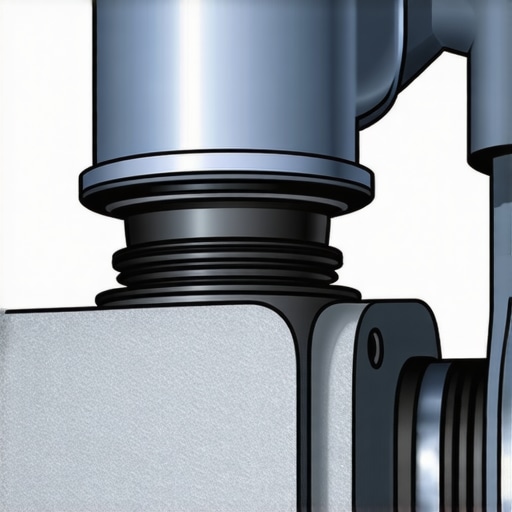
When you mix different metals like steel lines, aluminum calipers, and copper-brazed fittings with an electrolyte—which old, moisture-laden brake fluid effectively becomes—you create a battery. This galvanic corrosion slowly eats away at the smoothest surfaces of the hydraulic circuit. The particulate matter created doesn’t just sit there; it travels. These microscopic metal flakes can lodge themselves in the delicate valving of the ABS Hydraulic Control Unit. Once a valve is stuck open or closed due to debris, the vehicle’s safety systems are compromised. Advanced mechanic tips for high-mileage vehicles always recommend a full system flush every two years to reset the fluid’s pH level and stop this internal decay.
Don’t Ignore the Vacuum Booster’s Hidden Appetite
A failing rear seal on the master cylinder doesn’t always result in a drip on the driveway. In many designs, the vacuum produced by the engine for power assist can literally suck the leaking fluid directly into the brake booster and, eventually, into the intake manifold. This leads to a mysterious ‘disappearing fluid’ act accompanied by a puff of white smoke from the exhaust or a rough engine idle. A top-rated mechanic uses a vacuum gauge and a bore scope to inspect the booster’s interior for fluid accumulation. Catching this early prevents a total loss of power assist, which can quadruple the effort required to stop the vehicle in an emergency.
Is your brake pedal starting to feel inconsistent? Don’t leave your safety to chance. Share your symptoms in the comments below or reach out to a specialist to learn more about our brake service secrets designed to keep your hydraulic system in peak condition.
Expert Insights & Advanced Considerations
Watch Out for the Internal Booster Sponge
When you cannot find a leak on the ground or at the wheels, the vacuum booster is the most likely culprit. A failing rear master cylinder seal allows fluid to be sucked directly into the booster housing by engine vacuum. This hidden reservoir can hold nearly a quart of fluid before you notice a change in engine performance or see white smoke in the exhaust. Always check the vacuum line for dampness before assuming the system is intact. If you find fluid here, you must ensure safe auto repairs by replacing both the master cylinder and the potentially compromised booster diaphragm.
Copper Content Tells the Real Story
Most DIY enthusiasts focus solely on moisture, but chemical degradation often precedes physical failure. As the anti-corrosive inhibitors in the fluid break down, copper from the internal lining of the brake lines leaches into the mixture. This copper acts as a catalyst for further oxidation, which eventually destroys the delicate seals in your ABS unit. You should test your brake fluid for water content at home while also using copper test strips to get a complete picture of your system’s health. High copper levels are the primary reason for why fresh brake fluid turned black in less than a month.
Pressure Bleeding Beats the Pedal Pump
Traditional two-person bleeding can occasionally flip the seals in an older master cylinder because the pedal travels into a range of the bore it rarely visits. Utilizing a professional pressure bleeder keeps the master cylinder stationary while forcing air and contaminants out of the lines. This is a vital part of brake maintenance hacks to prevent costly failures, especially on vehicles equipped with complex ABS valves that require constant pressure to clear trapped air pockets. To maximize your brake service efficiency, always opt for a pressure-based system over manual pumping.
Curated Expert Resources
NHTSA Vehicle Safety Standards: The definitive source for federal regulations regarding hydraulic braking performance and recall data that every driver should monitor for their specific model.
SAE International (Standard J1703): This resource provides the technical benchmarks for motor vehicle brake fluid, detailing the boiling points and viscosity requirements necessary for extreme temperature operations.
The Car Care Council: A non-profit organization that offers deep dives into preventative maintenance schedules, helping owners understand the long-term impact of fluid chemistry on vehicle longevity.
Final Expert Perspective
Maintaining a hydraulic system is not just about keeping the reservoir full; it is about preserving the chemical and structural integrity of a closed loop designed to save lives. Whether you are dealing with the natural migration of fluid due to pad wear or a more sinister internal leak within the vacuum booster, early detection is your best defense. A comprehensive brake service goes beyond replacing pads to include a full system flush and seal inspection. Discover the professional brake service secrets to boost safety and longevity today and ensure your vehicle remains responsive under pressure. If you have encountered a mysterious fluid drop, join our community discussion below or consult a specialist to audit your hydraulic health.