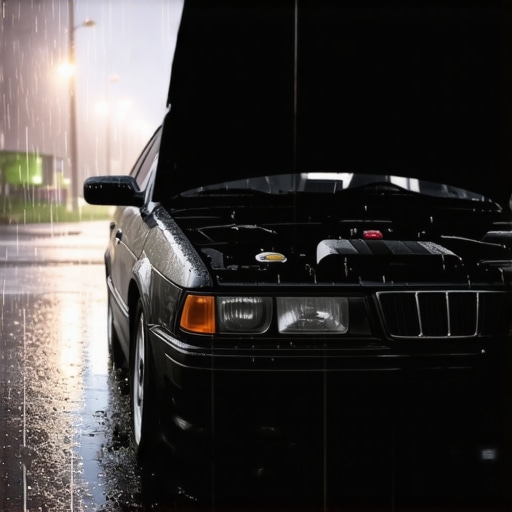
Humidity Turns Your Ignition System Into a Path of Least Resistance
When a vehicle refuses to fire despite a healthy crank during a downpour, we are rarely looking at a catastrophic mechanical failure. Instead, we are witnessing the fundamental physics of electricity and its preference for the path of least resistance. In the world of high-level automotive diagnostics, moisture is not just a nuisance; it is a conductive medium that bridges gaps meant to remain insulated. High-voltage electricity, often exceeding 30,000 volts in modern systems, is constantly seeking a route to the ground. In dry conditions, the rubber and plastic insulators of your ignition system are sufficient. However, as the relative humidity climbs, the dielectric strength of the air around these components drops. This creates a scenario where the spark, intended for the combustion chamber, jumps through microscopic cracks in ignition coils or spark plug wires to the engine block instead. Professional mechanic tips often point toward these invisible electrical leaks as the primary culprit for wet-weather no-starts.
Is It Possible for a Failing Distributor Cap to Act Like a Humidity Sponge?
In older vehicles or those with specific ignition architectures, the distributor cap remains a critical point of failure. The phenomenon known as ‘carbon tracking’ occurs when high-voltage current burns a microscopic path across the plastic surface. During a rainstorm, moisture enters the cap and settles into these tracks, effectively short-circuiting the rotor’s output. For many drivers, mechanic tips for diagnosing common auto problems reveal that a simple spray of a water-displacing lubricant can temporarily solve the issue, but it signals a deeper need for a comprehensive tune up. According to data from the Society of Automotive Engineers (SAE), environmental ingress is responsible for over 40% of secondary ignition failures in humid climates. When the air is saturated, even the smallest amount of ionized air inside the cap can facilitate a cross-fire event, preventing the engine from reaching the necessary threshold for combustion.
Why Micro-Cracks in Your Secondary Ignition Wires Only Reveal Themselves in the Rain
The insulation on spark plug wires is designed to withstand extreme heat and chemical exposure, but over thousands of heat cycles, the silicone or rubber becomes brittle. These micro-fissures are often invisible to the naked eye under the hood of a dry car. When it rains, the engine bay doesn’t just get wet; it becomes a pressurized chamber of warm, misty air. This mist coats the wires, allowing the high-voltage current to ‘bleed’ out before it ever reaches the spark plug. If you find yourself stranded, following an ultimate tune-up checklist is the most effective preventative measure. Beyond wires, a failing Mass Air Flow (MAF) sensor can also be exacerbated by high humidity, as the damp air changes the cooling effect on the sensor’s hot wire, leading the ECU to miscalculate the air-fuel ratio so severely that it prevents a cold start. If your diagnostic scanner shows erratic fuel trims during a storm, it may be time to perform a fuel rail pressure test to rule out delivery issues versus spark leakage. For a definitive solution, you must choose a skilled mechanic you can trust to perform a stress test on the ignition system using a specialized oscilloscope.
Wet Weather Exposes the Corrosion Hiding in Your Chassis Grounds
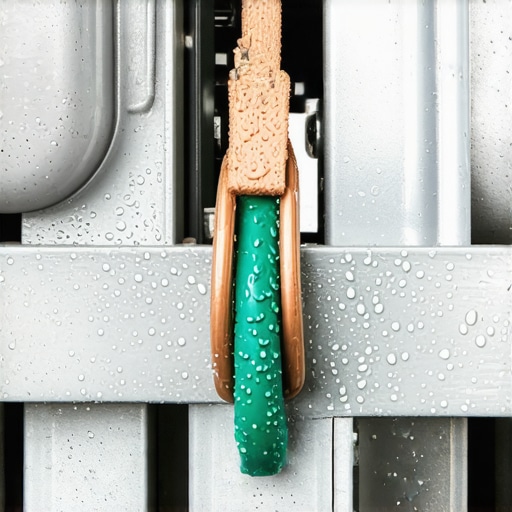
Beyond the ignition coils, the electrical integrity of your vehicle relies heavily on solid grounding. A chassis ground that appears functional in dry weather can quickly become a bottleneck during a heavy downpour. When moisture mixes with existing oxidation on a copper ground strap, it creates a layer of high electrical resistance that can choke the current needed for the starter solenoid or the fuel pump relay. This is often why a car might crank slowly or suffer from a total lack of dash lights after a night of heavy rain. Identifying these ghost electrical issues requires more than just a visual check; it often necessitates a voltage drop test while the system is under load to see how the circuit performs when wet. Many drivers find that a simple 18-dollar ground wire fix is the secret to resolving random starting and shifting issues that only seem to manifest when the humidity is high. Maintaining these points is as vital as any mechanical repair because electricity is the lifeblood of modern engine management.
The Bottom-Up Attack on Engine Sensors During Heavy Storms
The physical location of certain sensors makes them particularly vulnerable to road spray and rising moisture levels. Crankshaft position sensors, often located near the bottom of the engine block or the transmission bellhousing, are susceptible to water intrusion if the weather seals on their connectors have degraded over time. If this sensor fails to send a clean, timed signal because of moisture interference, the ECU will not trigger a spark, regardless of the condition of your battery or spark plugs. This is a common point of frustration where a top-rated mechanic ensures safe auto repairs by applying dielectric grease to these critical connections during routine maintenance. This grease acts as a hydrophobic barrier, preventing the wet-no-start cycle from ever beginning. When these seals fail, the dampness can cause a short to ground inside the connector, which may not even throw a permanent fault code, leaving the driver searching for answers in the wrong places.
How Do You Isolate a Failing Sensor From a Saturated Ignition Coil?
Differentiating between a fuel delivery problem and a moisture-induced ignition failure is the first step in successful roadside troubleshooting. If the engine cranks but refuses to fire during a storm, the most common culprit is a saturated secondary ignition system. You can often diagnose this by checking for a strong spark at the plug wire, but in modern coil-on-plug systems, this is harder to visualize. A professional approach involves checking for rpm signals on a scan tool; if the tachometer doesn’t move while cranking, the moisture has likely reached the crankshaft sensor. According to the National Institute for Automotive Service Excellence (ASE), environmental factors like humidity are responsible for a significant percentage of intermittent electrical faults that result in no-start conditions. If you suspect the fuel system instead, knowing how to diagnose a bad fuel pump can help you rule out mechanical fuel failure versus environmental electrical interference. For those looking to master their own vehicle’s reliability, checking the integrity of harness seals is a non-negotiable part of a preventative routine. Have you ever been stranded by a morning mist? Share your experience in the comments or tell us if a specific rainy-day fix worked for your car, as your insights help the community refine these mechanic tips for diagnosing common auto problems.
Air Filters Turn Into Dams When the Clouds Burst
While we naturally look toward the electrical system when a car won’t fire in a downpour, the intake system is equally vulnerable to the laws of fluid dynamics. Standard cellulose air filters are designed to capture dust, but they are also hygroscopic, meaning they readily absorb atmospheric moisture. In a severe storm, road spray can be sucked into the airbox, saturating the filter medium. As the fibers swell, they create a physical barrier that restricts the volume of oxygen reaching the cylinders. This results in a ‘rich-lean’ paradox where the engine has enough fuel but not enough air to achieve the initial combustion pressure. For drivers in coastal regions, switching to a synthetic, hydrophobic filter is a common mechanic tip to prevent this saturation. Furthermore, when moisture coats the hot-wire element of a Mass Air Flow (MAF) sensor, the sensor misinterprets the cooling effect of the damp air as a massive influx of cold air, causing the ECU to dump excessive fuel and effectively flooding the engine before it even turns over.
Can a Water-Logged Filter Actually Suffocate Your Spark?
The short answer is yes, but the mechanism is more complex than simple blockage. When a filter becomes ‘wet out,’ the increased resistance across the intake manifold changes the vacuum pressure during cranking. This shift can prevent the manifold absolute pressure (MAP) sensor from reaching the threshold required to signal the ECU for a start-up sequence. According to technical documentation from Bosch Mobility, even a minor increase in intake restriction due to moisture can alter fuel trim values by up to 20% in modern fuel-injected systems. If you suspect your air filter is the culprit, a quick inspection will reveal heavy, damp pleats. For those following a ultimate tune-up checklist, ensuring the airbox drain valves are clear of debris is a vital but often overlooked step that prevents water from pooling against the filter during a deluge.

Stop Terminal Fretting Before It Fries Your Computer
The most insidious way humidity prevents a car from starting is through a process called terminal fretting. Inside the weather-sealed connectors of your Engine Control Unit (ECU), microscopic vibrations occur every time the vehicle is in motion. When high humidity is introduced, it accelerates the oxidation of the metal pins, creating a layer of high-resistance ‘fretting’ corrosion. This isn’t the heavy green crust you see on a battery terminal, but a thin, almost invisible film that disrupts low-voltage data signals. When you try to start the car in the rain, these weakened signals—often less than 5 volts—cannot overcome the added resistance caused by the damp, conductive air. Professional top-rated mechanics ensure safe auto repairs by applying a specialized dielectric silicone compound to these pins, which displaces air and moisture to maintain a metal-to-metal connection. Beyond the pins, water can ‘wick’ up through the copper strands of the wiring harness if the insulation is compromised anywhere along the chassis. This capillary action pulls moisture directly into the heart of the electrical system. If your car exhibits ‘ghost’ symptoms like random sensor codes during a storm, the issue is likely hiding within these multi-pin harnesses. To get ahead of this, checking the integrity of the harness boots is just as critical as knowing how to diagnose a bad fuel pump. When the atmospheric pressure drops and the mist sets in, your vehicle’s reliability depends on how well you’ve armored these delicate electrical pathways. Have you ever noticed your car acting up only when the humidity hits a certain percentage? Tracking these patterns is the first step toward a permanent fix.
Stop Letting a Dirty Battery Drain Your Power Overnight
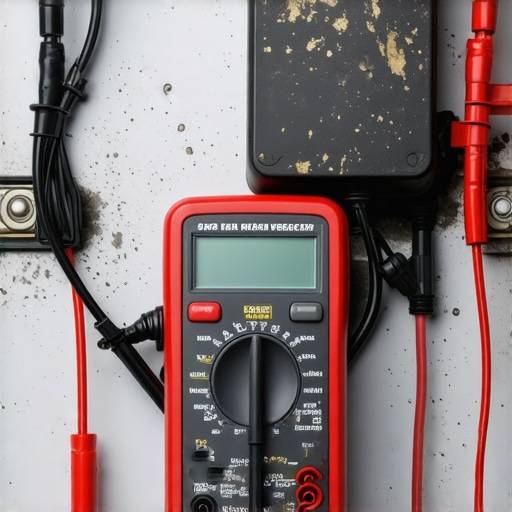
While most diagnostic efforts focus on the high-voltage side of the ignition, a significant portion of wet-weather no-starts originates at the battery itself. A phenomenon known as surface discharge occurs when a film of dirt, oil, and moisture accumulates on top of the battery casing. In high-humidity environments, this grime becomes a bridge, allowing a small but constant current to flow directly between the positive and negative terminals. This parasitic draw can deplete a battery’s reserve capacity in a matter of hours. A professional tune up involves cleaning these surfaces to ensure the battery remains a sealed energy reservoir rather than a leaking bucket. If your voltmeter shows even a fractional voltage across the plastic casing when the probes are placed on the dirt, you have found the leak that is killing your cold-cranking amps before you even turn the key.
Does Humidity Cause Your Fuel to Spontaneously Degrade?
The impact of humidity isn’t confined to the exterior of your vehicle; it penetrates the fuel system through the tank’s ventilation. Most modern fuels contain up to 10% ethanol, which is highly hygroscopic. During a heavy storm, the air entering the fuel tank carries a high moisture content. When the temperature drops, this moisture condenses on the tank walls and mixes with the ethanol. If the water concentration exceeds a certain threshold, ‘phase separation’ occurs, where the water-ethanol mixture sinks to the bottom of the tank—exactly where the fuel pump pickup is located. This creates a non-combustible slug that prevents the engine from firing. Research published by the National Institute of Standards and Technology (NIST) highlights how environmental humidity levels directly influence the stability of alcohol-based fuel blends. This is why keeping a full tank during rainy seasons is more than just a convenience; it is a critical strategy to minimize the headspace where damp air can congregate and wreak havoc on your fuel chemistry.
Protect Your Car’s Digital Nerve Center from Vapor Intrusion
In the era of software-defined vehicles, the physical integrity of the Controller Area Network (CAN) bus is paramount. These digital communication lines operate on very low voltage differentials to share data between the engine, transmission, and security modules. When humidity reaches saturation levels, any compromised seal in an exterior wiring harness—such as those for the blind-spot monitors or wheel speed sensors—can introduce enough electrical noise to crash the network. If the immobilizer module cannot communicate with the ECU because of moisture-induced resistance, the car will stay dead, often displaying a ‘Key Not Recognized’ error. Preventing these ‘ghost’ errors requires a proactive approach to harness health. Following an ultimate tune-up checklist that includes inspecting the seals on the main fuse box and the ECU housing is essential. A top-rated mechanic ensures safe auto repairs by using diagnostic tools to monitor network traffic for ‘dropped packets’ that only occur during high-moisture events. Have you ever experienced a sudden dash light display that cleared up once the sun came out? These intermittent faults are the calling cards of moisture intrusion in your car’s digital architecture. Tell us about your most baffling electrical mystery in the comments below, as we continue to dissect the complex relationship between your vehicle and the elements.
Go Beyond the Basics with Advanced Diagnostic Tactics
Watch for the Blue Glow of High Voltage Leakage
One of the most effective mechanic tips for tracing a wet-weather no-start is performing a visual inspection in total darkness. When humidity is high, a failing ignition coil or cracked wire will exhibit a “corona discharge”—a faint blue glow where electricity is jumping to the nearest ground. This confirms that the insulation has failed, even if the car runs perfectly when the sun is out. To confirm this without waiting for a storm, you can learn how to tell if your ignition coil is failing without a scanner using a simple misting bottle of water and a dark garage.
Beware the Capillary Action in Your Wiring Harness
Water doesn’t just sit on the surface; it uses the “wicking” effect to travel through the copper strands inside your wiring. If a connector boot is torn, moisture can travel inches or even feet into the harness, eventually reaching the delicate pins of the ECU. This often results in a permanent failure of the computer itself. Identifying these issues early is part of why regular tune-ups are key to car longevity, as they allow for the inspection of harness integrity before the damage becomes irreversible.
Humidity Changes Your Fuels Volatility Threshold
High humidity doesn’t just affect the spark; it alters the stoichiometric ratio required for a successful cold start. Damp air is less dense than dry air, meaning the ECU must compensate for oxygen levels instantly. If your sensors are sluggish due to age, the engine may flood during its first few rotations. Using a 10-dollar multimeter hack for diagnosing a dying battery can help ensure you have the reserve voltage necessary to keep these sensors cycling fast enough during a damp morning crank.
Where the Pros Go to Sharpen Their Skills
ASE Certification Prep Materials: These resources offer deep dives into the electrical physics of secondary ignition systems and are essential for anyone moving beyond basic DIY repairs to master mechanic tips.
SAE International Technical Papers: For the truly technically minded, the Society of Automotive Engineers provides peer-reviewed data on how environmental variables like barometric pressure and humidity affect internal combustion efficiency.
The Bosch Automotive Handbook: Widely considered the “Bible” of automotive engineering, this text provides the dielectric constants and resistance tables needed to understand exactly why your spark fails in the mist.
Turn Your Rain-Day Stall into a Long-Term Solution
Solving a wet-weather no-start requires moving past the symptoms and addressing the underlying electrical vulnerabilities of your vehicle. By applying advanced mechanic tips for diagnosing common auto problems, such as pressure testing the fuel system or auditing ground strap resistance, you ensure your car remains reliable regardless of the forecast. Whether you are performing a fuel rail pressure test or cleaning battery terminals to prevent surface discharge, the goal is to eliminate any path of least resistance that leads away from the combustion chamber. We invite you to share your most difficult rainy-day diagnostic success in the comments below or reach out to choose a skilled mechanic you can trust for complex electrical repairs before the next storm hits.