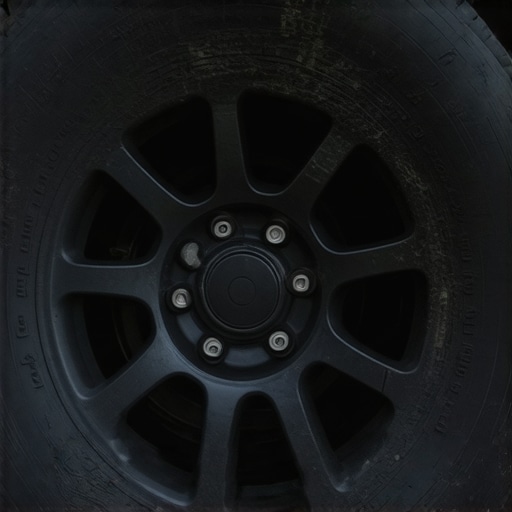
The Costly Mystery of Rapid Inner Tire Wear
Few things are as frustrating to a vehicle owner as discovering that a brand-new set of tires is already ruined. When the tread on the inside edge wears down prematurely while the rest of the tire remains thick and usable, it points directly to an underlying mechanical issue. This localized friction is rarely a random occurrence; rather, it is a symptom of geometry and physics working against your suspension system. Addressing this problem requires looking past the rubber itself and evaluating the complex steering and suspension components that dictate how your vehicle meets the road.
Ignoring these warning signs can quickly lead to unsafe driving conditions, compromised handling, and frequent, expensive visits to your local tire shop. Understanding the exact mechanical forces at play allows you to make informed decisions when visiting an auto repair specialist, ensuring that the root cause is resolved permanently rather than just putting a temporary band-aid on a deeper structural issue.
How Steering Geometry and Alignment Deviations Destroy Your Tread
The primary culprit behind rapid inner edge wear is a misalignment of the wheel’s camber angle. Camber refers to the inward or outward tilt of the wheels when viewed from the front of the vehicle. Negative camber occurs when the top of the tire tilts inward toward the engine, forcing the vehicle’s weight to rest disproportionately on the inside edge of the tread. While a slight degree of negative camber can improve cornering stability in high-performance sports cars, excessive negative camber in daily drivers will quickly shred rubber. Often, this is caused by a lazy technician who fails to perform a comprehensive suspension check. For more context on identifying sub-par service, look for the tire wear patterns that prove your last alignment was lazy.
Another geometric factor is the toe angle. Toe-out occurs when the front of the tires point away from each other. When combined with negative camber, toe-out drags the inner edge of the tire sideways across the asphalt, acting like a belt sander. According to the Society of Automotive Engineers (SAE), even a fraction of a degree of toe misalignment can increase tire wear exponentially, drastically reducing the life expectancy of your tread compound.
Is Your Suspension Sagging Under the Radar?
As vehicles age, coil springs, control arm bushings, and strut mounts gradually degrade. Over time, this natural wear causes the vehicle’s ride height to drop. As the suspension sags, it naturally pulls the wheels into a more aggressive negative camber angle. You might think your alignment is fine because you haven’t hit any major potholes, but worn bushings allow the wheels to shift dynamically while driving. When you accelerate, brake, or corner, these worn parts flex, creating dynamic alignment changes that do not show up on a static alignment machine. This is why a comprehensive physical inspection by an experienced mechanic is vital before simply aligning the wheels.
Why Do Brand-New Struts Sometimes Accelerate Inside Wear?
It is incredibly common for vehicle owners to notice accelerated inner tire wear shortly after replacing their struts or shocks. This paradox happens because new, stiff suspension components restore the factory ride height, which alters the steering knuckle’s relationship with the control arms. If a professional alignment is not performed immediately following a strut replacement, the vehicle’s toe and camber angles will be completely out of spec. If you suspect your dampers are failing but want to verify it yourself before heading to the shop, you can learn how to tell if your shocks are shot without a professional lift to diagnose the issue early and protect your tire investment.
If you want to prevent sudden component failures, optimize your fuel economy, and save thousands of dollars on premature tire replacements, read our comprehensive guide on tune-up strategies to save money on auto repairs and learn how to keep your entire vehicle in peak operating condition.
Why Control Arm Bushings Are the Silent Killers of Inner Tread
Many drivers assume that a steering pull is the first indicator of alignment trouble, but rubber control arm bushings can fail silently without pulling the steering wheel. When these rubber sleeves crack or soften, they permit the lower control arm to push outward under load. Under acceleration or braking, the wheel shifts into extreme negative camber, dragging the inner shoulder of the tire across the pavement. This dynamic deflection disappear when the car is stationary on an alignment rack, completely tricking standard diagnostic equipment.
To diagnose this at home, perform a visual inspection of the lower control arms using a pry bar to check for excessive play. If you notice movement, replacing these components is critical to saving your tires. In fact, ignoring these underlying issues is a primary reason why your car pulls to the right even with a fresh alignment, as worn parts constantly shift the vehicle’s steering geometry while in motion.
How Can You Isolate Bad Ball Joints from Simple Alignment Issues?
Distinguishing between a simple wheel alignment deviation and a structural suspension failure is critical to avoiding unnecessary part swapping. When ball joints wear out, they lose their ability to keep the wheel hub assemblies perfectly vertical. To isolate a bad ball joint, safely jack up the vehicle and grasp the tire at the twelve and six o’clock positions. Attempt to rock the wheel back and forth. Any noticeable play or metallic clicking indicates that the ball joint is failing and allowing the wheel to tilt inward under the vehicle’s weight.
This mechanical slop directly causes severe inner tire wear and compromises your braking stability. If you are experiencing strange noises or unusual pedal feedback during this testing, it is wise to learn how to tell if that burning smell is your clutch or your brakes to ensure you are not misdiagnosing drivetrain friction as a basic suspension issue.
The Ripple Effect of Neglected Wheel Bearings
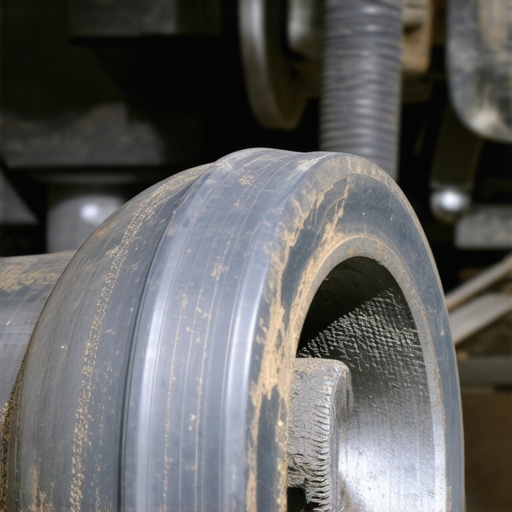
A failing wheel bearing does more than just hum at highway speeds; it introduces lateral runout to the entire wheel assembly. As the internal steel bearings pit and wear down, the hub assembly wobbles, forcing the tire to oscillate continuously. This wobble creates an inconsistent contact patch that heavily punishes the inner edge of the tire. According to the Car Care Council, operating a vehicle with worn wheel bearings not only destroys tires at an accelerated rate but also risks hub separation at highway speeds.
To keep your vehicle operating smoothly and avoid these cascading component failures, check out our diagnostic breakdown of mechanic tips diagnosing common auto problems to catch minor wear before it turns into a catastrophic roadside breakdown. What has been your experience with mystery suspension noises? Drop a comment below or share this guide with a friend who is fighting uneven tire wear!
How Do Lowering Springs Alter Suspension Geometry and Kill Tires?
Modifying a vehicle by installing lowering springs is one of the most common ways to inadvertently accelerate inner tire wear. When you lower a vehicle’s ride height, the control arms swing upward, which naturally increases negative camber due to the swing-arm geometry designed into most modern multi-link or MacPherson strut suspensions. This is known as camber gain. Without installing adjustable aftermarket control arms or camber correction kits, your factory adjustment bolts will not have enough range to bring the alignment back within safe specifications.
Furthermore, dropping the ride height alters the roll center of the vehicle, which can induce severe bump steer. Bump steer occurs when the suspension compresses over uneven pavement, forcing the toe angle to change dynamically without your input on the steering wheel. This continuous scrubbing motion, combined with increased negative camber, acts like a grinding wheel on the inner tread. If you have modified your vehicle, specialized alignment techniques are required to restore balance.
Why Does Heavy Cargo and Towing Mimic Suspension Failures?
If you regularly carry heavy payloads, transport multiple passengers, or tow trailers, your vehicle is experiencing constant, simulated suspension sag. The rear suspension compresses under the tongue weight or cargo load, pushing the rear wheels into a severe negative camber angle and pulling them into toe-out. Over a few thousand miles, this heavy loading will completely obliterate the inner shoulders of your rear tires, even though the front tires might show perfectly even wear.
Drivers who use their vehicles for commercial purposes or heavy recreation should look into load-leveling helper springs, air suspension bags, or heavier-duty coil springs. Additionally, your alignment technician should set your vehicle’s alignment while carrying a simulated load if your trunk is rarely empty. This proactive step prevents the geometry from shifting into destructive zones during your daily operations.
Detecting Bent Steering Knuckles After Pot-Hole Impacts
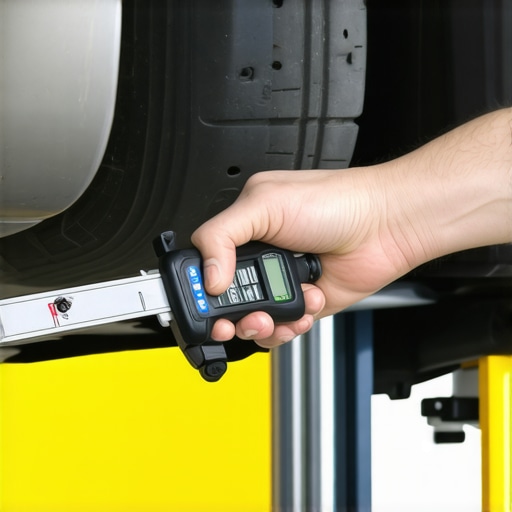
Not all alignment deviations are caused by worn rubber or loose adjustment bolts. A hard impact with a curb or a deep pothole can easily bend the steering knuckle or spindle. Because the steering knuckle is made of cast iron or forged aluminum, it rarely shows visible signs of bending to the naked eye unless it is completely fractured. This subtle bend alters the steering axis inclination (SAI) and caster angles, which cannot be corrected by adjusting the tie rods or control arm eccentric bolts.
When diagnostic alignment readouts show that camber is out of spec on only one wheel, and the adjustment camber bolts are already maxed out, a bent spindle is the most likely culprit. A professional technician will use specialized diagnostic software to compare the SAI and included angle of both front wheels to isolate the bent structural casting. Replacing the knuckle is the only safe and permanent solution to resolve this geometric imbalance and protect your rubber.
How Does Brake Caliper Drag Accelerate One-Sided Inside Wear?
A sticking brake caliper slide pin or a seizing piston can also contribute to uneven tire wear by generating extreme localized heat. As the brake pad remains in light, constant contact with the rotor, heat transfers through the wheel hub assembly directly to the tire’s inner shoulder. This continuous thermal loading softens the rubber compound of the tread, making it significantly more vulnerable to abrasive wear from negative camber or toe-out. If you notice one front wheel is significantly hotter than the other after a drive, or if your steering pulls slightly under light braking, a dragging caliper is likely accelerating your tire degradation. To understand if your braking hardware is suffering from this friction, you can reference the guidelines provided by the National Institute for Automotive Service Excellence (ASE) regarding brake system diagnostics and heat-related component wear.
Dynamic Toe Correction in Modern Multi-Link Configurations
While traditional mechanical diagnostics focus heavily on static alignment settings, modern multi-link rear suspension designs introduce a variable known as elastokinematics. Under acceleration and cornering forces, the rubber bushings in these multi-link assemblies are designed to flex in highly specific directions to stabilize the chassis. However, as these bushings lose their original durometer rating, this controlled deflection devolves into unpredictable toe-out under load. When a vehicle is sitting statically on an alignment rack, the sensors may read perfectly green, yet the moment the car hits highway speeds, the aerodynamic drag and drivetrain torque pull the rear wheels outward, rapidly shredding the inner tread shoulders.
The Critical Role of Rear Subframe Alignment
Many technicians overlook the structural foundation of the vehicle when addressing chronic alignment issues. If a vehicle has been subjected to harsh road impacts or minor collisions, the rear subframe itself can shift slightly on its mounting bolts. This misalignment skews the thrust angle of the entire vehicle, forcing the front tires to steer slightly to one side to compensate for the dog-tracking rear end. To diagnose a shifted subframe, a technician must perform a detailed diagonal measurement of the chassis mounting points. For highly detailed mechanical diagrams and structural diagnostic standards, mechanics rely on resources like the Automotive Service Association (ASA) to restore structural integrity before attempting further component replacements.
Can Electronic Steering Calibration Solve Physical Wear Issues?
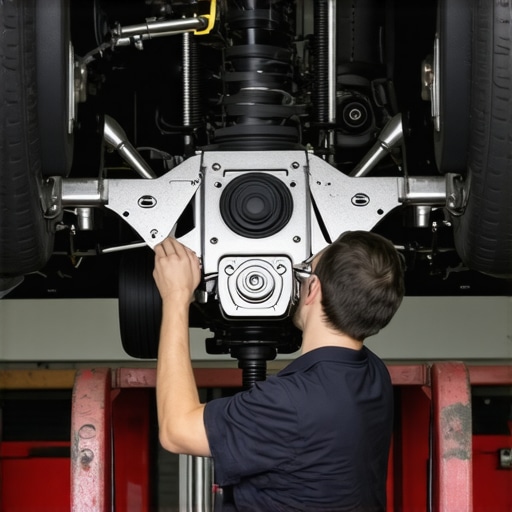
With the widespread adoption of Electronic Power Steering (EPS), a physical wheel alignment is no longer a purely mechanical procedure. After replacing worn steering knuckles, control arms, or inner tie rods, the steering angle sensor (SAS) must be electronically recalibrated to match the new mechanical center. If the SAS is out of calibration by even a single degree, the EPS module may continuously apply a subtle steering correction torque. This electronic torque fight forces the driver to constantly input steering correction, resulting in a persistent dynamic scrub on the inner edges of the front tires. Ensuring your mechanic uses an advanced OBD-II diagnostic scanner to reset the steering angle sensor is critical to ensuring your physical alignment changes translate correctly to the road.
To stop destroying your expensive tires and permanently cure erratic handling, schedule a comprehensive suspension inspection with a certified specialist who utilizes dynamic testing and steering sensor calibration to address the root mechanical cause.
Expert Insights & Advanced Considerations
The Illusion of the Green Alignment Screen
Many vehicle owners assume their suspension is healthy because the alignment machine displays green values. However, static alignment checks cannot simulate the dynamic loads of actual driving. If you have worn or softened bushings, the wheels can toe-out violently under highway braking or acceleration, leading directly to rapid inner shoulder wear. Always demand a physical pry-bar inspection of the control arms rather than relying solely on computer readouts.
The Hidden Influence of Vehicle Ride Height
Every vehicle is designed with a specific geometric roll center. When springs sag due to age or heavy cargo, the control arms swing upward, inducing negative camber gain. This geometric change is often compounded by modern multi-link rear suspension layouts that aggressively gain negative camber as they compress. If your vehicle regularly carries cargo, you should align the suspension under simulated load conditions to prevent severe dynamic tread scrubbing.
Why Electronic Calibration is No Longer Optional
Modern vehicles equipped with Electric Power Steering (EPS) rely on precise data from steering angle sensors to control assist levels. When physical steering linkages or control arms are replaced to fix tire wear, failing to recalibrate the steering angle sensor electronically can cause the system to fight itself, resulting in a persistent micro-shudder that accelerates tire degradation. This is one of the most common reasons why your car pulls to the right even with a fresh alignment.
Curated Expert Resources
For those looking to deepen their mechanical knowledge, these specialized resources offer professional-grade insights:
- Society of Automotive Engineers (SAE) Technical Papers: Offers peer-reviewed research on vehicle dynamics, tire wear mechanics, and the elastokinematics of multi-link suspension designs.
- Automotive Service Association (ASA): Provides diagnostic checklists and training standards used by master technicians to isolate structural chassis shifts and subframe misalignments.
- National Institute for Automotive Service Excellence (ASE): Features study guides and test preparation materials that detail the relationships between braking friction, steering geometry, and wheel hub assembly diagnostics.
Final Expert Perspective
Solving chronic inner tire wear requires looking past the rubber and addressing the dynamic steering geometry and worn suspension joints that dictate how your car meets the road. Simply replacing tire sets without isolating worn bushings, bad ball joints, or failing struts is a costly cycle. To protect your investment and ensure safe handling, we recommend learning mechanic tips diagnosing common auto problems to catch these issues early. If you want to dive deeper into maximizing your car’s lifespan, explore our comprehensive guide on tune-up strategies to save money on auto repairs. Have you dealt with persistent tire wear issues? Contact us or drop a comment to share your experience with the community.