Modern automotive transmissions are not merely mechanical gearboxes but sophisticated electro-hydraulic systems designed to optimize the equilibrium between kinetic energy and thermal efficiency. Overdrive represents the pinnacle of this efficiency, reducing engine RPM to mitigate parasitic losses during sustained high-speed travel. When a vehicle fails to transition into its highest gear, it often signals a systemic failure within the Transmission Control Module (TCM) logic or a critical hydraulic bypass. Professionals in the auto repair industry recognize that this isn’t just an inconvenience; it is a protective measure—or a failure of one—that can lead to premature engine wear if left unaddressed by a qualified mechanic.
Thermal Thresholds That Block The Final Gear
The transmission is governed by strict thermal parameters. If the Engine Coolant Temperature (ECT) sensor or the Transmission Fluid Temperature (TFT) sensor reports values outside a specific “operating window,” the computer will intentionally lock out overdrive. This is a design feature: in extreme cold, the fluid’s kinematic viscosity is too high for efficient lubrication of the overdrive planetary gearset. Conversely, excessive heat triggers a fail-safe to prevent catastrophic oxidation. According to research by SAE International, the rate of fluid oxidation doubles with every 18-degree Fahrenheit increase over its optimal limit. This highlights why adhering to the truth about lifetime transmission fluid and performing a regular tune up of the cooling system is essential for long-term health.
Is your torque converter clutch actually locking up?
Many drivers mistake a lack of overdrive for a simple mechanical slip, but the issue frequently resides in the Torque Converter Clutch (TCC). The TCC is responsible for creating a 1:1 mechanical link between the engine and transmission, eliminating fluid shear at cruising speeds. If the TCC solenoid fails or the friction material within the converter has glazed, the TCM may inhibit the final shift to prevent overheating. This phenomenon is often why a vehicle hunts for gears on the highway, unable to find a stable operational state. Diagnosing this requires a deep dive into scan tool data to monitor the slip ratio in real-time, a task best left to a specialist who understands the nuances of auto repair.
Electrical Interference And The Limp Mode Trap
In the digital age, a physical gear failure is less common than an electronic communication breakdown. Corroded wiring or failing sensors can send erroneous data to the TCM, forcing the transmission into a default state known as “limp mode,” which typically restricts the vehicle to second or third gear. [IMAGE_PLACEHOLDER] Interestingly, something as simple as a 14 dollar ground strap can be the culprit behind these elusive shifting issues. Before committing to a full overhaul, a comprehensive evaluation of the vehicle’s electrical grounding and sensor health is mandatory. While many prioritize brake service for safety, the electrical health of the powertrain is the silent factor in transmission longevity. Professional diagnostic codes must be analyzed before assuming hardware failure.
For those looking to deepen their technical knowledge and avoid unnecessary expenses, we recommend investigating advanced diagnostic strategies for common auto problems to stay ahead of costly failures.
The Brake Switch Signal That Prevents High-Gear Cruising
One of the most overlooked inhibitors of overdrive is the stop-light switch located at the brake pedal assembly. This dual-purpose component does more than illuminate your rear lamps; it sends a critical signal to the Transmission Control Module (TCM) to disengage the torque converter clutch (TCC) the moment you apply pressure to the brakes. If the switch is misaligned or experiencing an internal short, the TCM may permanently perceive a braking event, effectively locking out the final gear to prevent engine stalling. In some cases, checking why your brake lights stay on when the car is off can actually reveal a faulty brake switch that is simultaneously keeping the TCC from engaging, a classic example of how a minor electrical fault masquerades as a major mechanical failure. Ensuring this switch is calibrated correctly is a fundamental step for any mechanic during a driveability tune up.
Does your engine load data match the actual road conditions?
Shift timing is not just a function of speed; it is a calculated response to engine load. The TCM relies heavily on the Manifold Absolute Pressure (MAP) and Mass Air Flow (MAF) sensors to determine how much work the engine is performing. If these sensors are skewed due to carbon buildup or vacuum leaks, the computer may ‘believe’ the vehicle is under heavy load—such as towing or climbing a steep grade—and will refuse to shift into overdrive to maintain torque. Surprisingly, low-cost repairs like the 12 dollar sensor that fixes your rough idle often resolve the incorrect load calculations that inhibit high-gear shifting. Professional auto repair requires looking at these PIDs (Parameter IDs) on a scan tool to ensure the engine and transmission are ‘speaking the same language’ before condemning the gearbox. 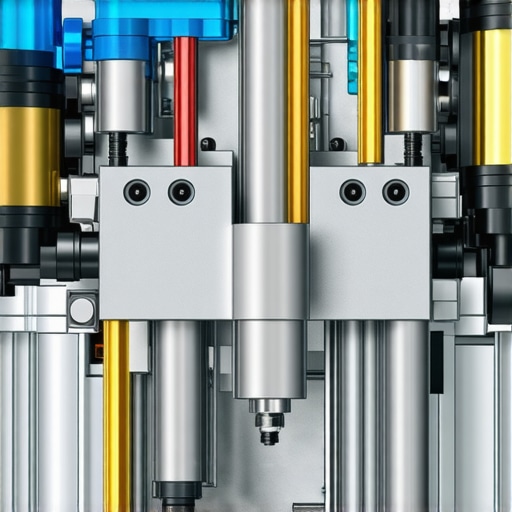
Hydraulic Cross-Talk Within the Valve Body
As a transmission ages, the aluminum valve body undergoes significant stress. High-pressure hydraulic fluid, regulated by pulse-width-modulated (PWM) solenoids, can eventually erode the bores where the steel valves reside. This erosion leads to ‘cross-talk,’ where pressure intended for the overdrive servo bleeds into an exhaust circuit. According to data from the Automatic Transmission Rebuilders Association (ATRA), over 90% of transmission failures are caused by heat and fluid degradation, yet a significant portion of ‘no-overdrive’ complaints are eventually traced back to external sensor inputs rather than internal hard-part damage. This reinforces why we often question the truth about engine flushes are they saving or killing your car, as aggressive chemical flushes can sometimes dislodge debris that further compromises these sensitive hydraulic tolerances.
Mechanical indexing also plays a role in gear selection. If the linkage between your shifter and the transmission manual valve is sloppy, the computer might not recognize that you have selected ‘Drive.’ We often recommend addressing the 8 dollar bushing that fixes a sloppy gear shifter to ensure the manual valve is perfectly indexed, allowing the hydraulic circuits to align as designed. If you’re struggling with erratic shifts, consider reading our deep dive on tune up strategies to save money on auto repairs to see if a simple maintenance catch could have prevented the issue. Neglecting these small nuances can lead to unnecessary wear on your brake service components as the engine fails to provide adequate coast-down braking without proper overdrive functionality.
When Your Car Forgets How to Shift: The Logic of Adaptive Learning
Modern Transmission Control Modules are not static; they utilize adaptive learning algorithms to compensate for the internal wear of clutches and bands over time. These ‘shift adapts’ adjust the timing and pressure of each gear transition based on real-world feedback. However, a significant drop in battery voltage or a recent tune up where the battery was disconnected can wipe this volatile memory. When this occurs, the TCM resets to factory defaults, which may not account for the current physical tolerances of an older gearbox. This often results in ‘shift hunting’ or a temporary refusal to engage the final gear as the system attempts to relearn the optimal pressure curves. Forcing a transmission into a specific gear during this relearn phase without understanding the data can lead to unnecessary auto repair expenses.
Could a faulty wheel speed sensor trick your TCM into disabling overdrive?
The synergy between the braking system and the powertrain is deeper than most drivers realize. The TCM constantly compares the Input Shaft Speed (ISS) and Output Shaft Speed (OSS) against the wheel speed data provided by the ABS module. If there is a discrepancy—perhaps due to a cracked tone ring or a failing sensor discovered during a recent brake service—the computer may perceive ‘wheel slip’ or a drivetrain mismatch. To protect the mechanical integrity of the planetary gearsets, the logic will often inhibit the high-speed mechanical link of the overdrive gear. It is a protective strategy, not a failure of the gears themselves. Diagnostic experts often reference Transmission Digest for technical bulletins regarding these complex communication ‘handshakes’ between modules.
Worn Accumulator Springs Ruin More Than Just Shifts
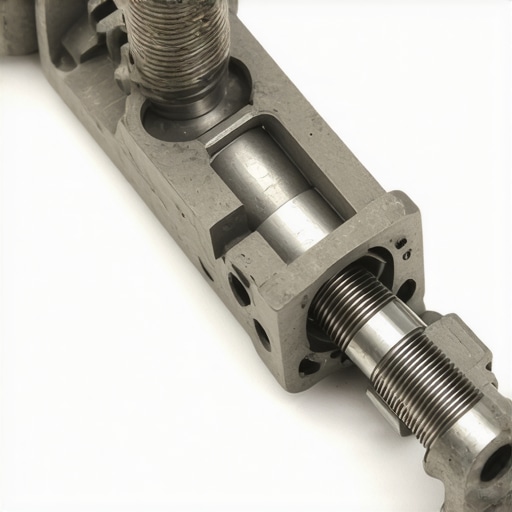
Inside the transmission, accumulators act as hydraulic shock absorbers, cushioning the application of clutches to ensure smooth transitions. As these springs fatigue or the pistons score the bore walls, the pressure rise for the overdrive clutch becomes erratic. If the TCM detects that the ‘fill time’ for the overdrive circuit exceeds a pre-set millisecond threshold, it will abort the shift to prevent the friction material from glazing. A skilled mechanic knows that replacing a five-dollar accumulator spring can often restore a missing gear that a less experienced shop might misdiagnose as a total transmission failure. Maintaining peak performance requires looking beyond the fluid and examining the reactive components of the hydraulic circuit.
If you have noticed a delay in engagement alongside your shifting issues, you might want to see why your car hesitates when accelerating from a stop, as these symptoms often share a common root in low line pressure or clogged internal filters. Addressing these small hiccups early is the hallmark of proactive vehicle ownership.
The Critical Role of the Vehicle Speed Sensor (VSS) Signal
The VSS is the primary ‘eyes’ of the transmission, reporting exactly how fast the vehicle is moving to the TCM. If this sensor produces a ‘noisy’ or intermittent signal due to electromagnetic interference or internal resistance, the computer loses its primary reference point for shifting into the highest gear. Unlike a complete sensor failure, which usually triggers a check engine light, a degraded signal might simply leave the computer ‘confused,’ causing it to stay in a lower, safer gear ratio. This is why a thorough auto repair diagnostic must include an oscilloscope pattern test of the VSS to ensure the signal is clean and consistent across all speed ranges.
The integrity of the Controller Area Network (CAN) is often the invisible barrier to achieving a final gear ratio. In a high-speed multiplexed environment, the Transmission Control Module (TCM) requires a continuous stream of torque-request data from the PCM. If electromagnetic interference—perhaps from a failing alternator or poorly shielded aftermarket HID lights—interrupts these data packets, the transmission logic defaults to a ‘torque-protection’ mode. This isn’t a traditional limp mode that triggers a dashboard warning, but a subtle refusal to enter the highest gear to prevent potential mechanical mismatching. A seasoned mechanic knows that diagnosing this requires more than a simple code scan; it necessitates a ‘wiggle test’ of the wiring harness while monitoring live data frames to catch intermittent communication dropouts.
Can a microscopic leak in the internal seal actually bypass the overdrive piston?
Beyond the sensors and wires lies the physical reality of hydraulic pressure. The overdrive gear is usually engaged by a dedicated piston held by a series of rubberized lip seals. Over thousands of heat cycles, these seals lose their elasticity, a process known as ‘compression set.’ When the seal hardens, high-pressure fluid can bleed past the piston rather than applying the force needed to compress the clutch pack. According to technical documentation from the National Institute for Automotive Service Excellence (ASE), these internal pressure drops are frequently mistaken for solenoid failures. To differentiate between the two, a professional auto repair facility will perform a ‘clutch volume index’ (CVI) test, which measures the volume of fluid required to apply a clutch, revealing the internal health of those hidden seals without a full teardown.
Stop Chasing Ghost Shifting with Better Oscilloscope Diagnostics
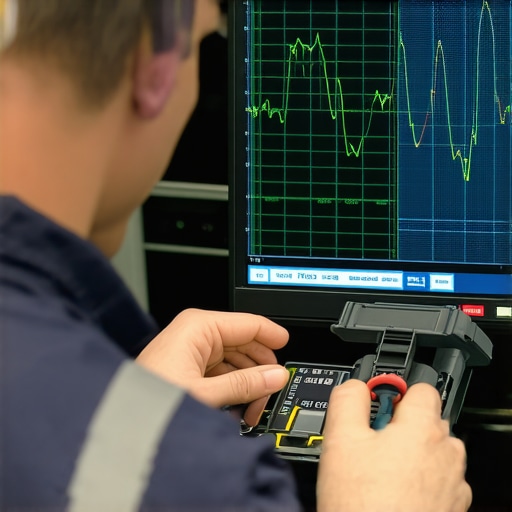
Relying solely on OBD-II diagnostic trouble codes (DTCs) is a trap for the unwary. A code for a ‘Shift Solenoid Performance’ does not always mean the solenoid is bad; it often means the computer didn’t see the expected change in RPM after commanding the shift. This is where an oscilloscope becomes the most valuable tool for a technician performing a tune up on a complex drivetrain. By probing the actual voltage and amperage draw of the solenoid, an expert can see the exact moment the plunger moves. If the electrical signature is perfect but the shift is missing, the problem is mechanical. This level of precision prevents the ‘parts cannon’ approach to auto repair, saving the vehicle owner thousands in unnecessary hardware replacements.
The relationship between tire diameter and shift points is another overlooked variable. If you have recently changed your wheel size without recalibrating the TCM, the calculated output speed will no longer match the engine’s expected load-to-RPM ratio. This creates a logic conflict where the transmission stays in a lower gear because it ‘thinks’ the vehicle is traveling slower than it actually is. Much like how a precision brake service requires matching pad compounds to rotor metallurgy, a transmission requires precise data synchronization to function at peak efficiency. Before you assume your gearbox is dying, ensure your vehicle’s computer is calibrated to the physical dimensions of your rolling stock. If you’re ready to master the nuances of vehicle maintenance, explore our guide on how to interpret live data on your OBD2 scanner to take control of your car’s digital health.
Expert Insights & Advanced Considerations
Voltage Stability and Digital Shift Logic
Electronic control modules are highly sensitive to voltage drops that might not even dim your headlights. A seasoned mechanic knows that an aging battery or a corroded connection often leads the TCM to drop overdrive as a protective measure against ‘brown-out’ logic errors. Investigating the hidden ground bolt that causes transmission false neutrals is a pro-level starting point before pulling the pan.
Why Your Radiator is a Transmission Component
The transmission fluid heat exchanger is often integrated into the radiator, meaning cooling system health directly dictates shifting behavior. If your tune up schedule neglects the coolant, scale buildup can insulate the trans cooler, keeping temperatures just high enough to lock out the final gear without triggering a dashboard warning. Applying essential tune-up tips to boost your cars performance in 2025 ensures that thermal thresholds remain within the optimal shifting window.
The Vacuum Leak That Tricks the Computer
Engine load is a primary input for shift timing, and nothing skews load data like unmetered air. Even a tiny split in a hose can convince the PCM that the engine is under heavy strain, causing it to hold a lower gear for power. Finding the 5 dollar vacuum leak that makes your transmission shift hard can often resolve overdrive inhibitors that appear to be major hydraulic failures.
Curated Expert Resources
SAE International: The gold standard for technical papers on fluid dynamics and gearset engineering, essential for understanding the ‘why’ behind shift logic. ATRA (Automatic Transmission Rebuilders Association): Offers the most comprehensive database of technical service bulletins (TSBs) specifically targeting common failure patterns in modern gearboxes. ASE (Automotive Service Excellence): Their study guides and certification standards provide a benchmark for diagnostic methodology that separates a parts-changer from a true diagnostician. Transmission Digest: A peer-reviewed industry publication that highlights emerging auto repair trends and complex diagnostic case studies from the field.
[IMAGE_PLACEHOLDER_E]
Final Expert Perspective
Restoring a vehicle’s ability to cruise in overdrive requires moving beyond basic code reading and into the realm of systemic analysis. Whether it is a subtle electrical interference or a mechanical miscalibration, the goal is to ensure the engine and transmission operate in perfect harmony. Much like how you would maximize your brake service efficiency with these tips to ensure safety, precision in transmission diagnostics ensures longevity. Choosing how a top-rated mechanic ensures safe auto repairs every time is the final step in moving from frustration to a reliable, high-efficiency vehicle. If you’ve faced these shifting ghosts, we invite you to share your diagnostic journey or consult our advanced library for more technical deep dives.