Why Your Engine Swallows Oil Without Leaving a Puddle
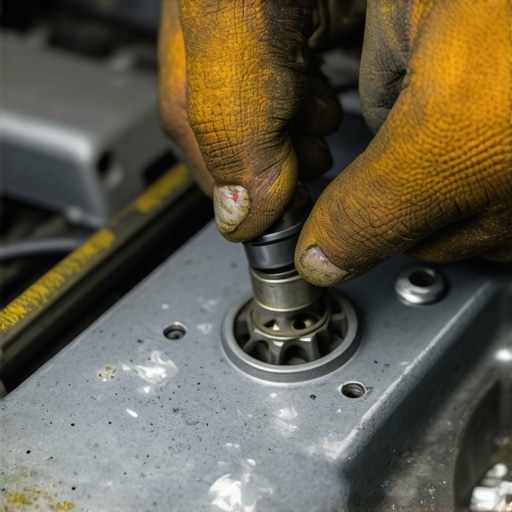
Experienced technicians often encounter vehicles suffering from mysterious oil loss that leaves no trace on the driveway. When a client reports a quart of oil missing every 1,000 miles, the immediate fear is catastrophic piston ring failure or worn valve seals. However, a deep dive into fluid dynamics and crankcase pressure reveals a much simpler, often overlooked culprit: the Positive Crankcase Ventilation (PCV) valve. This small, spring-loaded component is the gatekeeper of engine pressure, and its failure can turn a healthy engine into an oil-burning furnace. Relying on professional auto repair insights allows us to diagnose these subtle failures before they escalate into thousand-dollar teardowns. The PCV system is designed to scavenge harmful gases from the crankcase, but when the metering orifice becomes obstructed by sludge, the entire pressure equilibrium of the engine is compromised.
How a Clogged Valve Mimics Major Mechanical Failure
The PCV system’s primary role is to evacuate blow-by gases—unburned fuel and exhaust that escape past the piston rings—back into the intake manifold to be re-burned. When the PCV valve sticks closed, crankcase pressure builds rapidly, forcing oil past gaskets and seals that were never designed to hold back that much force. Conversely, if it sticks open, the intake vacuum sucks oil vapor directly into the combustion chamber. This leads to carbon buildup on valves and spark plugs, often necessitating a comprehensive tune up to restore lost performance. According to research published by SAE International, improper crankcase ventilation significantly impacts both emissions and long-term lubricant stability by accelerating oil oxidation and nitration.
Can a $14 Plastic Part Actually Save Your Catalytic Converter?
Absolutely. When oil is pulled through a faulty PCV valve and burned in the combustion chamber, the resulting ash and phosphorus deposits quickly poison the catalytic converter’s precious metals. Replacing a PCV valve is a preventative measure that costs less than a tank of gas, yet it protects components that cost thousands. During a routine brake service or oil change, many drivers forget to ask their mechanic to inspect this vital component. If you’ve noticed a rough idle or a slight hissing sound under the hood, it’s time to check the vacuum lines for integrity. You can even find an intake leak using a 5 bottle of soapy water to see if the PCV system is pulling air where it shouldn’t. This diagnostic step is essential for maintaining the stoichiometric ratio required for peak efficiency.
Stop Throwing Money at Overpriced Oil Additives
Many motorists attempt to solve oil consumption with thick additives or stop-leak fluids. While these might temporarily mask the symptoms by increasing viscosity, they do nothing to address the root cause of pressure imbalance. A sophisticated diagnosis involves checking the PCV flow rate and ensuring the breather hoses aren’t collapsed. This level of detail is what separates a parts-changer from a true expert. If you are experiencing shifting issues alongside engine stumbles, it might even be related to vacuum pressure; for instance, a hidden vacuum leak that makes your transmission shift early often shares the same source as PCV-related symptoms. Addressing these air-metering issues early prevents the downstream degradation of oxygen sensors and throttle bodies. Join our community of automotive experts by sharing your most difficult diagnostic success stories in the comments below.
Modern Engines Face a Carbon Crisis
Modern engines with Gasoline Direct Injection (GDI) operate under extreme pressures that older port-injection systems never faced. While GDI offers better fuel economy, it introduces a significant flaw: fuel no longer washes over the intake valves. This lack of cleaning action allows oil mist from the PCV system to bake onto the hot valves, forming coking deposits. Over time, this restricts airflow and increases internal temperatures. Using a specialized 15 sensor that fixes your rough idle might help if the issue is electronic, but mechanical carbon buildup requires a manual or chemical intervention to prevent oil consumption from skyrocketing.
Why does your GDI engine turn clean oil into sludge so quickly?
The combination of high-pressure combustion and crankcase blow-by creates a hostile environment for even the highest quality synthetic oils. In these engines, the oil isn’t just a lubricant; it’s a cooling agent and a hydraulic fluid for variable valve timing. When carbon deposits from the intake valves break off and enter the cylinder, they can cause micro-scratches on the cylinder walls. According to technical bulletins from the Automotive Service Association (ASA), neglecting intake valve cleaning in modern direct-injected vehicles is a leading cause of premature engine wear and catastrophic oil loss. This is why a simple 12 sensor cleaning often isn’t enough; you need to look at the health of the entire air-fuel path.
The Vicious Cycle of Poor Airflow and Oil Degradation
When airflow is restricted by carbon or a faulty PCV system, the engine computer compensates by adjusting the fuel trim. This often leads to a rich condition where excess fuel washes down the cylinder walls, diluting the oil and stripping away the protective film. If you find that your idle stays rough after replacing every spark plug, the problem likely resides in this dilution and the resulting loss of compression. A seasoned mechanic knows that a compression test alone doesn’t tell the whole story; a leak-down test is necessary to see where that pressure—and your oil—is actually going. Turbocharged engines add another layer of complexity. The turbo’s center housing rotating assembly relies on precise oil pressure to stay lubricated. If the drain line is even slightly restricted, oil will bypass the internal seals and be blown directly into the intake tract.
Why High-Mileage Fluids Won’t Fix a Mechanical Air Leak
Marketing for high-mileage oils often promises to rejuvenate seals, but these chemicals can’t repair a torn diaphragm in a turbocharger’s bypass valve or a cracked intake manifold. These mechanical air leaks cause the engine to pull harder on the crankcase, effectively drinking oil through the breather tubes. Before you commit to an expensive engine rebuild, check the basics. Are there signs of oil in the intake tubes? Is the throttle body coated in a thick, black film? Investigating these areas reveals the true state of your engine’s internal health. Have you ever solved a major oil consumption issue with a simple fix? Tell us your story in the comments so other drivers can learn from your experience.
Turbochargers Turn Small Pressure Issues into Massive Clouds of Smoke
For vehicles equipped with forced induction, the relationship between crankcase pressure and oil retention becomes even more precarious. The turbocharger’s Center Housing Rotating Assembly (CHRA) relies on a constant flow of oil for both cooling and lubrication, but unlike the pressurized feed, the return line is usually gravity-fed. When a failing PCV system allows internal crankcase pressure to spike, it creates a literal ‘back-pressure’ wall in the oil return line. This prevents oil from draining back into the pan, forcing it past the turbo’s internal dynamic seals and straight into the exhaust or the intercooler piping. This is why a simple mechanic check of the turbo inlet pipe is often the most revealing step in a diagnostic process. If you find a pool of oil sitting at the bottom of your intercooler, the turbo isn’t necessarily blown; it might just be suffocating under its own internal pressure.
Does aggressive driving actually contribute to excessive oil consumption?
While modern lubricants are engineered for high-heat environments, frequent wide-open-throttle (WOT) maneuvers increase the volume of blow-by gases significantly. In a perfectly functioning system, the PCV handles this surge, but in a high-mileage engine, the increased volume of gas can overwhelm the oil-separator baffles. This leads to ‘oil carryover,’ where liquid oil droplets are swept into the intake stream. A study conducted by Consumer Reports highlighted that several modern engine families from major manufacturers consume more oil than expected due to these high-pressure operating conditions, often leading dealerships to claim that a quart of oil every 1,200 miles is within ‘normal’ operating specifications—a claim many master technicians vehemently dispute. If you find yourself topping off the reservoir between every brake service, your driving habits might be exposing a weakness in the factory air-oil separation system.
The Catch Can Controversy: Engineering Solution or Aftermarket Gimmick?
In the enthusiast and performance world, the ‘Oil Catch Can’ has emerged as a popular remedy for the carbon coking issues inherent in GDI engines. This device acts as an external secondary filter, intercepting the PCV line to condense oil vapors before they can reach the intake manifold. While some critics argue that a well-maintained stock system should suffice, the reality is that many factory baffles are undersized for real-world stop-and-go traffic. Installing a high-quality catch can allows you to physically see the ‘sludge’—a mix of water, unburned fuel, and oil—that would otherwise be coating your intake valves. 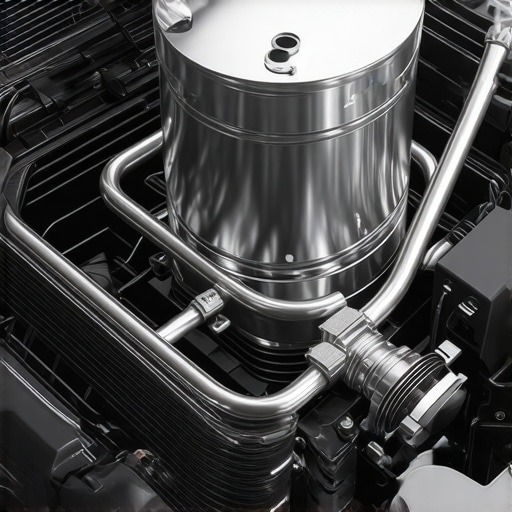 Check your turbo inlet piping this weekend and let us know in the comments if you found oil residue; it’s a quick test that tells you exactly how hard your PCV is working.
Low-Tension Piston Rings and the Quest for Fuel Economy
To meet increasingly stringent fuel efficiency standards, automotive engineers have transitioned to low-tension piston rings. These rings press against the cylinder walls with less force than their predecessors, significantly reducing internal friction. However, this design leaves very little margin for error. Even a minor amount of carbon buildup can cause these delicate rings to stick in their grooves, losing their ability to scrape oil back down into the crankcase. This phenomenon is why a thorough tune up now involves more than just changing spark plugs; it often requires specialized chemical piston soaks to dissolve the varnish that binds these rings. When the rings fail to seal, you aren’t just losing oil; you’re losing the very compression that provides your vehicle’s power and efficiency.
Chemical Piston Soaks as a Last Resort Before the Rebuild
When low-tension piston rings become hopelessly jammed with carbon, a standard oil change or mild additive is rarely enough to restore the seal. In these critical stages, master technicians turn to aggressive chemical piston soaks—a process where specialized solvents are poured directly into the spark plug holes and left to marinate for 12 to 24 hours. This procedure aims to dissolve the hardened varnish that prevents the rings from expanding against the cylinder walls. While risky if not performed by a skilled mechanic, this method has saved thousands of engines from the scrap heap by restoring compression without pulling the head. If your vehicle has failed a leak-down test but the cylinder walls appear healthy on a borescope, this chemical intervention is your best bet for a cost-effective auto repair.
How Fuel Dilution Shreds Lubricity from the Inside Out
In modern Gasoline Direct Injection (GDI) setups, the high-pressure fuel pump is often driven by the camshaft, separated from the engine oil only by a single internal seal. When this seal begins to weep, raw gasoline enters the crankcase directly. This is particularly insidious because the fuel-diluted oil appears to stay at the ‘full’ mark on the dipstick, masking the actual loss of lubricant. However, gasoline is a powerful solvent that rapidly shears the polymer chains in your synthetic oil. According to research from the Society of Tribologists and Lubrication Engineers (STLE), even a 4% fuel dilution can drop a 5W-30 oil down to a 0W-10 viscosity, leading to catastrophic bearing wear and increased consumption as the ‘watery’ oil slips past the rings and into the combustion chamber.

Can a failing fuel pump seal actually cause your oil levels to rise—then plummet?
Yes, this phenomenon is often referred to as ‘making oil.’ During short trips where the engine never reaches full operating temperature, the gasoline leaking into the pan accumulates, causing the level on the dipstick to rise. Once you take the car for a long highway drive, the heat causes the fuel to evaporate through the PCV system and burn off, resulting in a sudden and alarming drop in the oil level. This cycle is extremely hard on engine components and often requires a comprehensive tune up including a new high-pressure fuel pump and immediate oil change to prevent permanent scoring of the cylinder bores. If you smell gasoline on your dipstick, do not wait; the integrity of your engine’s internal friction surfaces is at stake.
Thermal Management Failures that Turn Synthetic Oil into Water
We often think of the cooling system only in terms of preventing overheating, but over-cooling is equally detrimental to oil health. A thermostat that is stuck open prevents the engine from reaching the 212°F (100°C) threshold required to boil off moisture and combustion byproducts from the oil. When these contaminants remain, they form an acidic sludge that attacks seal materials and promotes ring sticking. Furthermore, excessive heat from a partially clogged radiator or a failing cooling fan can cause ‘thermal thinning,’ where the oil becomes so light it easily bypasses the valve stem seals. Integrating a cooling system check into your regular brake service or maintenance routine ensures that your oil can perform its secondary role as a thermal stabilizer. Have you ever dealt with a ‘mysterious’ oil leak that turned out to be fuel dilution? Share your diagnostic journey in the comments below to help others identify these stealthy engine killers.
Fine-Tune Your Diagnostic Strategy for Fluid Longevity
Why Specialty Fluids Can’t Fix Mechanical Air Leaks
While many drivers reach for a bottle of high-mileage conditioner at the first sign of oil loss, these additives are powerless against the physical pressure imbalances caused by a failing PCV system or a cracked intake plenum. Using these tune up strategies to save money on auto repairs effectively requires recognizing that chemical fixes cannot bridge a gap in a torn rubber diaphragm. Rely on hard data and physical inspection over marketing promises on a plastic bottle.
Your Thermostat Dictates Your Oil Health
An engine that runs too cool due to a stuck-open thermostat is just as dangerous as one that overheats. If the oil never reaches its critical operating temperature, it cannot purge moisture or fuel dilution, leading to a rapid decline in total base number (TBN) and protection levels. Following these essential tune up tips to boost your cars performance in 2025 ensures your thermal management system supports, rather than sabotages, your lubricant’s lifespan.
Go Beyond Compression to Find Hidden Leaks
A standard compression test only shows a snapshot of the engine’s ability to build pressure, but it often misses the slow migration of oil past worn valve stems or sticking rings. A leak-down test is the gold standard, as it identifies exactly where the pressure is escaping—whether it’s the intake valves, the exhaust, or the crankcase. These mechanic tips diagnosing common auto problems are vital for anyone trying to pinpoint why their oil levels are plummeting without a visible puddle.
Where the Pros Go for Deep Technical Data
SAE International (Society of Automotive Engineers) provides the peer-reviewed research that defines modern oil standards; their papers on low-speed pre-ignition (LSPI) are essential reading for GDI engine owners. The Automotive Service Association (ASA) offers technical bulletins that track real-world failure patterns across specific engine families, helping you stay ahead of known factory defects. For those interested in the molecular breakdown of lubricants, the Society of Tribologists and Lubrication Engineers (STLE) offers deep dives into how fuel dilution and heat shear affect engine longevity. Checking these sources helps you verify if how a top rated mechanic ensures safe auto repairs every time aligns with the latest industry science.
#IMAGE_PLACEHOLDER_E#
Stop the Bleed Before the Engine Quits
Solving mysterious oil consumption is rarely about finding a single massive leak; it is usually about correcting the delicate balance of crankcase pressure and fuel-to-air ratios. Be wary of the 7 vacuum hose leak that tricked your mechanic into a costly tune up, as these small components often hide the true cause of oil being sucked into the combustion chamber. By maintaining your PCV system, monitoring your fuel trims, and ensuring your thermal management is precise, you can extend the life of your engine by hundreds of thousands of miles. We invite you to share your most complex oil consumption case studies in the comments—your professional insight might be the missing piece for another driver’s diagnostic puzzle.