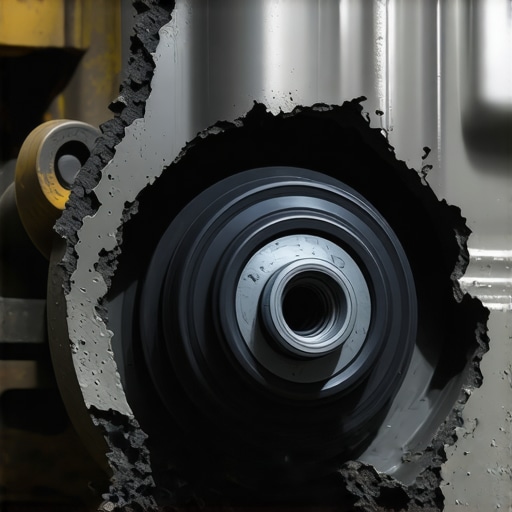
A transmission mount is far more than a simple rubber block; it is a critical dampening component designed to maintain the precise geometry of the entire drivetrain while isolating the passenger cabin from Noise, Vibration, and Harshness (NVH). When a mount snaps or undergoes catastrophic delamination, the structural integrity of the powertrain is compromised, leading to parasitic power loss and severe mechanical stress on secondary components such as CV axles and exhaust manifolds. From a professional mechanic perspective, early detection is paramount, as a failed mount often mimics more expensive internal transmission failures, leading to unnecessary and costly auto repair interventions.
Heavy Driveline Shudder Usually Indicates Structural Failure
The primary function of the transmission mount is to resist the rotational torque produced by the engine. When the internal rubber or fluid-filled core of the mount fails, the transmission is no longer held in its fixed position relative to the chassis. This results in a perceptible shudder that is most prominent during heavy acceleration or decelerative engine braking. Unlike a tire balance issue, this vibration is felt directly through the floorpan and the gear selector. According to technical guidelines from SAE International, maintaining proper vibration isolation is vital for preventing fatigue in aluminum alloy housings and preventing the premature wear of universal joints.
Listen for the Metallic Thud During Heavy Torque Loading
One of the most definitive signs of a snapped mount is a heavy, metallic clunk or thud that occurs during gear transitions. This sound is the result of the transmission housing physically lifting off its bracket and سپس slamming back down onto the frame once the torque load is released. This mechanical impact can quickly escalate, causing damage to the radiator hoses and cooling fan shrouds as the engine moves beyond its intended range of motion. Professional mechanic tips for diagnosing common auto problems suggest checking for these noises specifically when shifting between Park, Drive, and Reverse while the vehicle is stationary.
Why Does Your Transmission Jerk When Selecting Reverse Gear?
Many drivers mistakenly attribute a violent jerk into gear to a failing solenoid or clutch pack. However, if you find that your transmission jerks into reverse, the culprit is often a sheared mount. Because the reverse gear often employs a higher torque ratio, it places the maximum amount of physical stress on the mounts. If the mount is snapped, the entire assembly will rotate several inches before being stopped by other engine components, creating a jarring sensation that feels like a internal gearbox failure but is actually a mounting issue.
Look for Evidence of Physical Separation in the Rubber Bushing
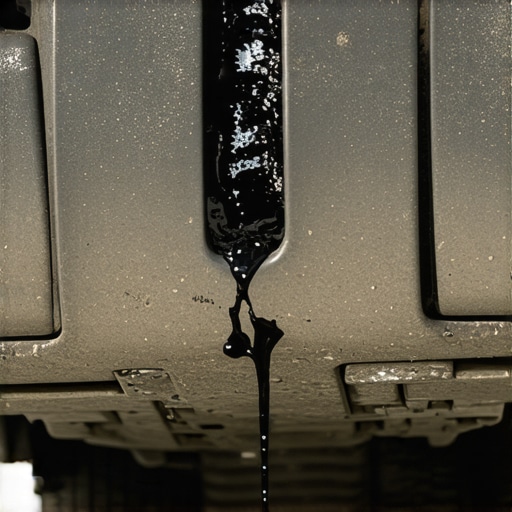
Visual inspection remains the gold standard for diagnosis. To properly assess the mount, you must look for tearing, oil saturation, or a complete separation between the metal mounting plate and the elastomeric material. If the mount is fluid-filled (hydraulic), look for dark, viscous stains on the frame rail. Oil leaks from the valve cover can degrade the rubber over time, making it brittle and prone to snapping. If you are performing a routine tune up, always include a pry-bar test on the mounts to ensure they retain their structural tension.
Assess Component Misalignment Caused by Drivetrain Sag
A snapped mount causes the transmission to sag, which alters the angle of the driveshaft and shift linkages. This misalignment can manifest as transmission hunting for gears on the highway or a shifter that feels physically difficult to move into certain positions. Over time, this misalignment destroys the synchronizers and seals within the transmission. If you notice your vehicle is struggling with gear selection or excessive cabin drone, do not delay a professional inspection. We encourage you to share your diagnostic experiences or ask our experts about specific drivetrain vibrations in the comments below to help the community stay ahead of major failures.
Peripheral Damage often Starts with Excessive Drivetrain Movement
When a transmission mount loses its ability to anchor the powertrain, the resulting kinetic energy doesn’t just dissipate; it travels through every hose, wire, and bolt connected to the block. One of the most overlooked consequences of a snapped mount is the strain placed on the cooling system. As the transmission tilts beyond its design parameters, it can pull on radiator hoses, leading to hairline fractures in plastic radiator end tanks. This movement can also force the engine forward during hard braking, causing the cooling fan to strike the shroud. If you have recently noticed a mysterious drop in coolant, it is wise to investigate the mounts before assuming you have a internal leak, much like how how a clogged pcv valve can blow out your rear main seal through unexpected pressure buildup.
Can a Severed Mount Actually Snap Your Electrical Grounds?
Precision electronics rely on stable ground connections between the powertrain and the chassis. A snapped mount allows the engine and transmission to ‘walk’ within the engine bay, frequently overextending the braided copper ground straps. When these straps fray or snap due to excessive drivetrain travel, you may experience ‘ghost’ electrical issues, such as flickering dashboard lights or erratic shifting. In many cases, the 14 ground strap that fixes ghost shifting is the only necessary repair after the primary mount has been replaced. Without addressing the root cause—the failed mount—any new electrical components are likely to fail under the same mechanical stress.
The Impact on Exhaust Geometry and Manifold Integrity
The exhaust system is typically hung from the chassis using flexible rubber hangers, but the primary connection point is the rigid manifold bolted to the engine. When a transmission mount fails, the entire exhaust assembly is forced to act as a structural stabilizer. This constant tugging often leads to cracked exhaust manifolds or sheared manifold bolts. According to data from the Car Care Council, unaddressed vibrations and engine movement are leading contributors to premature exhaust system failure. If your car has developed a ticking sound that worsens under load, it may be a sign that a snapped mount has already compromised your exhaust gaskets. This is particularly common in high-torque scenarios, such as when your engine pings when you accelerate up a hill, placing maximum strain on every mechanical interface.
Try the Torque-Brake Test to Confirm Separation
If a visual inspection is inconclusive, a dynamic torque test is the most reliable way to confirm a snapped mount. With a second observer standing safely to the side of the vehicle, the driver should apply the foot brake firmly, shift into Drive, and lightly press the accelerator. If the engine or transmission lifts excessively (usually more than an inch), the mount is compromised. This test simulates real-world driving loads that a static pry-bar test might miss. It is an essential diagnostic step for any owner dealing with persistent vibrations. For more advanced electrical troubleshooting related to engine movement, consider how the 12 ground wire that fixes stalling issues can often be the hidden victim of a failed mounting system. Have you ever experienced a vibration that felt like a bad tire but turned out to be a mount? Share your diagnostic journey in the comments below to help others identify these elusive symptoms early.
Choosing Between OEM Rubber and Performance Polyurethane
When it comes time for replacement, the choice of material significantly impacts your driving experience. OEM mounts are typically made of soft rubber or are fluid-filled to provide maximum vibration damping. However, if you prioritize longevity and crisp power delivery, polyurethane mounts offer a much higher resistance to chemical degradation and physical shearing. The trade-off is an increase in cabin vibration, which some daily drivers find intrusive. Expert mechanics usually recommend sticking with high-quality rubber for passenger vehicles to maintain the factory-intended NVH levels. Regardless of your choice, ensuring the new mount is torqued to the manufacturer’s specific foot-pound rating is critical to prevent the new component from pre-stressing and failing prematurely.
Why Transverse Engines Put Extreme Stress on Torque Struts
In modern front-wheel-drive (FWD) vehicles, the transmission mount often works in tandem with a torque strut, commonly referred to as a ‘dog bone’ mount. Unlike traditional vertical mounts that primarily support weight, these struts are designed specifically to counteract the fore-and-aft rocking motion of the engine during acceleration. When the internal bushings of these struts perish, the engine can rock so violently that it places immense tension on the wiring harness and throttle body connections. According to technical training modules from Automotive Service Excellence (ASE), this excessive movement is a frequent contributor to intermittent sensor failure that many technicians misdiagnose as faulty components. If you find your vehicle bucking during low-speed gear crawls, inspect the torque strut for elongated bolt holes or perished rubber immediately.
Excessive Powertrain Movement Often Triggers False Knock Sensor Codes
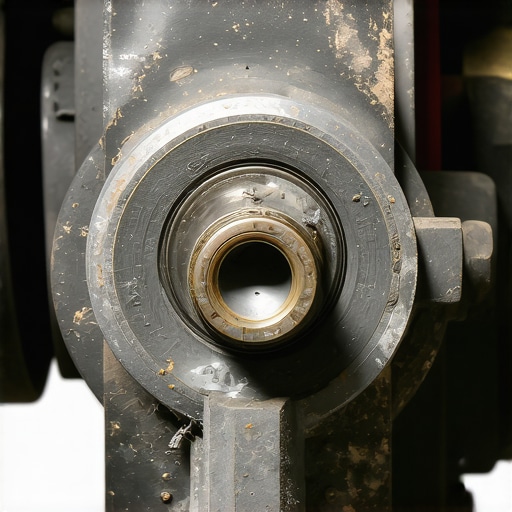
One of the most complex issues arising from a snapped transmission mount is the interference with the vehicle’s onboard diagnostics (OBD-II). Knock sensors are essentially high-precision microphones tuned to detect the specific frequency of pre-ignition within the cylinders. When a mount is metal-on-metal, the resulting mechanical ‘chatter’ can mimic the frequency of engine knock. The Engine Control Unit (ECU) responds by aggressively retarding ignition timing, which significantly reduces fuel economy and power. Professional tuners often look for these mechanical noise floors before assuming a fuel or spark issue is the cause of poor performance. If your scan tool shows consistent timing pull across all cylinders, it is worth checking the physical stability of the drivetrain before chasing phantom sensor issues.
Can a broken transmission mount cause your car to enter limp mode?
While it is rare for a mount to directly trigger a ‘limp mode’ software state, the peripheral damage it causes certainly can. For example, if the drivetrain shifts enough to overextend the harness of the Crankshaft Position Sensor or the Transmission Range Sensor, the ECU may detect an implausible signal. To prevent catastrophic internal damage, the computer limits the vehicle to second or third gear. This is a protective measure. Before you commit to a multi-thousand dollar gearbox rebuild, we recommend a thorough inspection of the mounting brackets. If you have ever experienced a sudden loss of power after a hard shift, we encourage you to join our community discussion below and share the specific codes your vehicle threw; often, a simple $50 mount is the true culprit behind these scary symptoms.
Utilizing Electronic Chassis Ears to Pinpoint Elusive Mounting Issues
When visual inspections and torque-brake tests fail to reveal the source of a vibration, master technicians turn to electronic chassis ears. These are sensitive microphones clamped directly to the transmission housing and the frame rails. By listening to the frequency under load, an expert can differentiate between the low-frequency drone of a failing bearing and the sharp, irregular percussive sounds of a loose mount shifting within its bracket. This level of precision is vital in modern luxury vehicles where thick sound insulation can mask the physical cues of a snapped mount until the damage is extensive. Ensuring the mount is not just present, but actually providing the correct damping coefficient, is the difference between a smooth ride and a vehicle that feels ‘tired’ or unrefined.
The Critical Importance of Torque-to-Yield Bolt Replacement
Many amateur mechanics make the mistake of reusing the mounting hardware during a repair. Most modern transmission mounts are secured with torque-to-yield (TTY) bolts, designed to stretch slightly when torqued to their final specification. Once these bolts have been stretched, they lose their elastic properties and can no longer provide the necessary clamping force. Reusing a TTY bolt on a new mount is a recipe for a repeat failure, as the bolt can back out or snap under the high-vibration environment of the engine bay. Always consult the factory service manual for the specific ‘plus-degree’ turn requirements after the initial torque setting is reached. The physics of fastener tension is just as important as the quality of the rubber itself when restoring drivetrain stability.
When a transmission mount transitions from a state of fatigue to a complete structural snap, the mechanical ramifications extend far beyond simple vibrations. This catastrophic failure alters the center of gravity for the entire powertrain, shifting the weight distribution in ways the chassis engineers never intended. This shift creates a cascade of secondary failures that often baffle less experienced technicians who focus solely on the gearbox itself rather than the framework supporting it.
Extreme Joint Angles Accelerate CV Boot Failure
One of the most overlooked consequences of a snapped mount is the immediate alteration of the half-shaft geometry. In a front-wheel-drive or all-wheel-drive configuration, the transmission and engine are suspended at a specific height to keep the CV (Constant Velocity) axles as level as possible. When a mount fails, the transmission sags, forcing the CV joints to operate at a sharp, unsustainable angle. This misalignment increases the internal friction within the joint, generating localized heat that rapidly degrades the protective grease. Eventually, the rubber boot will fail under the added centrifugal stress and heat, leading to a gritty, clicking sound during turns. If you are dealing with recurring axle issues, it is imperative to verify that your mounts are holding the drivetrain at the factory-specified height before installing a fourth or fifth replacement axle.
How much movement is considered excessive during a load test?
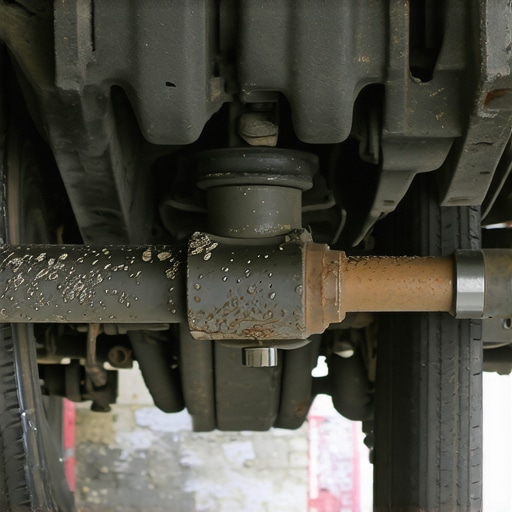
While a certain degree of flex is engineered into rubber mounts to absorb NVH, a snapped mount allows for unrestricted travel. During a dynamic load test—where the vehicle is held by the brakes while the throttle is applied in gear—any vertical or lateral movement exceeding three-quarters of an inch is typically a red flag. According to standardized technical diagnostic procedures from the Automotive Maintenance and Repair Association (AMRA), excessive powertrain lash can lead to structural fatigue of the subframe itself. If you observe the engine tilting so far that it strains the wiring harness or forces the intake plumbing against the firewall, the mount has lost its structural integrity and requires immediate replacement to avoid a total mechanical lockout.
Resonance Frequencies and the Science of Harmonic Dampening
The transmission mount serves as a literal frequency filter. When the elastomeric material snaps, the ‘harmonic bridge’ between the engine and the cabin is essentially wide open. This results in a phenomenon known as ‘drone,’ where specific engine RPMs create a deafening hum that resonates through the interior panels. This isn’t just an annoyance; these high-frequency vibrations can actually back out small screws in your dashboard and interfere with the sensitive sensors used for modern Advanced Driver Assistance Systems (ADAS). If your car has developed a rattle in the rearview mirror or the door cards that only appears at 2,500 RPM, it is a classic sign that the mount is no longer dampening the engine’s natural resonance frequencies.
Stop Chasing Ghost Noises and Inspect the Subframe Bolts
In high-mileage vehicles, a snapped mount can occasionally hide in plain sight if the metal bracket manages to rest on the subframe. This ‘metal-on-metal’ contact creates a deceptive clicking noise that sounds remarkably like a failing ball joint or a loose strut mount. Advanced diagnostics require checking the subframe for ‘witness marks’—shiny spots on the metal where the transmission has been rubbing against the frame. This physical evidence is an undeniable proof of mount failure. We want to hear from you: have you ever replaced your entire front suspension only to find out it was a $40 transmission mount the whole time? Share your stories in the comments to help others avoid the same expensive diagnostic loop.
The Critical Relationship Between Mount Tension and Shift Precision
For those driving manual transmissions, a snapped mount is often felt through the gear lever before it is heard. Because the shifter cables or linkage are anchored between the moving transmission and the stationary chassis, any excessive movement of the gearbox changes the effective length of those cables. This results in gear ‘lockout’ during hard cornering or a feeling that the shifter is being pulled out of your hand as you accelerate. By restoring the correct mounting tension, you stabilize the shifter base, ensuring that every gear engagement is crisp and predictable, regardless of the lateral G-forces applied to the vehicle.
A transmission mount is far more than a simple rubber block; it is a critical dampening component designed to maintain the precise geometry of the entire drivetrain while isolating the passenger cabin from Noise, Vibration, and Harshness (NVH). When a mount snaps or undergoes catastrophic delamination, the structural integrity of the powertrain is compromised, leading to parasitic power loss and severe mechanical stress on secondary components such as CV axles and exhaust manifolds. From a professional mechanic perspective, early detection is paramount, as a failed mount often mimics more expensive internal transmission failures, leading to unnecessary and costly auto repair interventions.
Heavy Driveline Shudder Usually Indicates Structural Failure
The primary function of the transmission mount is to resist the rotational torque produced by the engine. When the internal rubber or fluid-filled core of the mount fails, the transmission is no longer held in its fixed position relative to the chassis. This results in a perceptible shudder that is most prominent during heavy acceleration or decelerative engine braking. Unlike a tire balance issue, this vibration is felt directly through the floorpan and the gear selector. According to technical guidelines from SAE International, maintaining proper vibration isolation is vital for preventing fatigue in aluminum alloy housings and preventing the premature wear of universal joints.
Listen for the Metallic Thud During Heavy Torque Loading
One of the most definitive signs of a snapped mount is a heavy, metallic clunk or thud that occurs during gear transitions. This sound is the result of the transmission housing physically lifting off its bracket and then slamming back down onto the frame once the torque load is released. This mechanical impact can quickly escalate, causing damage to the radiator hoses and cooling fan shrouds as the engine moves beyond its intended range of motion. Professional mechanic tips for diagnosing common auto problems suggest checking for these noises specifically when shifting between Park, Drive, and Reverse while the vehicle is stationary.
Why Does Your Transmission Jerk When Selecting Reverse Gear?
Many drivers mistakenly attribute a violent jerk into gear to a failing solenoid or clutch pack. However, if you find that your transmission jerks into reverse, the culprit is often a sheared mount. Because the reverse gear often employs a higher torque ratio, it places the maximum amount of physical stress on the mounts. If the mount is snapped, the entire assembly will rotate several inches before being stopped by other engine components, creating a jarring sensation that feels like a internal gearbox failure but is actually a mounting issue.
Look for Evidence of Physical Separation in the Rubber Bushing
Visual inspection remains the gold standard for diagnosis. To properly assess the mount, you must look for tearing, oil saturation, or a complete separation between the metal mounting plate and the elastomeric material. If the mount is fluid-filled (hydraulic), look for dark, viscous stains on the frame rail. Oil leaks from the valve cover can degrade the rubber over time, making it brittle and prone to snapping. If you are performing a routine tune up, always include a pry-bar test on the mounts to ensure they retain their structural tension.
Assess Component Misalignment Caused by Drivetrain Sag
A snapped mount causes the transmission to sag, which alters the angle of the driveshaft and shift linkages. This misalignment can manifest as transmission hunting for gears on the highway or a shifter that feels physically difficult to move into certain positions. Over time, this misalignment destroys the synchronizers and seals within the transmission. If you notice your vehicle is struggling with gear selection or excessive cabin drone, do not delay a professional inspection. We encourage you to share your diagnostic experiences or ask our experts about specific drivetrain vibrations in the comments below to help the community stay ahead of major failures.
Peripheral Damage often Starts with Excessive Drivetrain Movement
When a transmission mount loses its ability to anchor the powertrain, the resulting kinetic energy doesn’t just dissipate; it travels through every hose, wire, and bolt connected to the block. One of the most overlooked consequences of a snapped mount is the strain placed on the cooling system. As the transmission tilts beyond its design parameters, it can pull on radiator hoses, leading to hairline fractures in plastic radiator end tanks. This movement can also force the engine forward during hard braking, causing the cooling fan to strike the shroud. If you have recently noticed a mysterious drop in coolant, it is wise to investigate the mounts before assuming you have a internal leak, much like how how a clogged pcv valve can blow out your rear main seal through unexpected pressure buildup.
Can a Severed Mount Actually Snap Your Electrical Grounds?
Precision electronics rely on stable ground connections between the powertrain and the chassis. A snapped mount allows the engine and transmission to ‘walk’ within the engine bay, frequently overextending the braided copper ground straps. When these straps fray or snap due to excessive drivetrain travel, you may experience ‘ghost’ electrical issues, such as flickering dashboard lights or erratic shifting. In many cases, the 14 ground strap that fixes ghost shifting is the only necessary repair after the primary mount has been replaced. Without addressing the root cause—the failed mount—any new electrical components are likely to fail under the same mechanical stress.
The Impact on Exhaust Geometry and Manifold Integrity
The exhaust system is typically hung from the chassis using flexible rubber hangers, but the primary connection point is the rigid manifold bolted to the engine. When a transmission mount fails, the entire exhaust assembly is forced to act as a structural stabilizer. This constant tugging often leads to cracked exhaust manifolds or sheared manifold bolts. According to data from the Car Care Council, unaddressed vibrations and engine movement are leading contributors to premature exhaust system failure. If your car has developed a ticking sound that worsens under load, it may be a sign that a snapped mount has already compromised your exhaust gaskets. This is particularly common in high-torque scenarios, such as when your engine pings when you accelerate up a hill, placing maximum strain on every mechanical interface.
Try the Torque-Brake Test to Confirm Separation
If a visual inspection is inconclusive, a dynamic torque test is the most reliable way to confirm a snapped mount. With a second observer standing safely to the side of the vehicle, the driver should apply the foot brake firmly, shift into Drive, and lightly press the accelerator. If the engine or transmission lifts excessively (usually more than an inch), the mount is compromised. This test simulates real-world driving loads that a static pry-bar test might miss. It is an essential diagnostic step for any owner dealing with persistent vibrations. For more advanced electrical troubleshooting related to engine movement, consider how the 12 ground wire that fixes stalling issues can often be the hidden victim of a failed mounting system. Have you ever experienced a vibration that felt like a bad tire but turned out to be a mount? Share your diagnostic journey in the comments below to help others identify these elusive symptoms early.
Choosing Between OEM Rubber and Performance Polyurethane
When it comes time for replacement, the choice of material significantly impacts your driving experience. OEM mounts are typically made of soft rubber or are fluid-filled to provide maximum vibration damping. However, if you prioritize longevity and crisp power delivery, polyurethane mounts offer a much higher resistance to chemical degradation and physical shearing. The trade-off is an increase in cabin vibration, which some daily drivers find intrusive. Expert mechanics usually recommend sticking with high-quality rubber for passenger vehicles to maintain the factory-intended NVH levels. Regardless of your choice, ensuring the new mount is torqued to the manufacturer’s specific foot-pound rating is critical to prevent the new component from pre-stressing and failing prematurely.
Why Transverse Engines Put Extreme Stress on Torque Struts
In modern front-wheel-drive (FWD) vehicles, the transmission mount often works in tandem with a torque strut, commonly referred to as a ‘dog bone’ mount. Unlike traditional vertical mounts that primarily support weight, these struts are designed specifically to counteract the fore-and-aft rocking motion of the engine during acceleration. When the internal bushings of these struts perish, the engine can rock so violently that it places immense tension on the wiring harness and throttle body connections. According to technical training modules from Automotive Service Excellence (ASE), this excessive movement is a frequent contributor to intermittent sensor failure that many technicians misdiagnose as faulty components. If you find your vehicle bucking during low-speed gear crawls, inspect the torque strut for elongated bolt holes or perished rubber immediately.
Excessive Powertrain Movement Often Triggers False Knock Sensor Codes
One of the most complex issues arising from a snapped transmission mount is the interference with the vehicle’s onboard diagnostics (OBD-II). Knock sensors are essentially high-precision microphones tuned to detect the specific frequency of pre-ignition within the cylinders. When a mount is metal-on-metal, the resulting mechanical ‘chatter’ can mimic the frequency of engine knock. The Engine Control Unit (ECU) responds by aggressively retarding ignition timing, which significantly reduces fuel economy and power. Professional tuners often look for these mechanical noise floors before assuming a fuel or spark issue is the cause of poor performance. If your scan tool shows consistent timing pull across all cylinders, it is worth checking the physical stability of the drivetrain before chasing phantom sensor issues.
Can a broken transmission mount cause your car to enter limp mode?
While it is rare for a mount to directly trigger a ‘limp mode’ software state, the peripheral damage it causes certainly can. For example, if the drivetrain shifts enough to overextend the harness of the Crankshaft Position Sensor or the Transmission Range Sensor, the ECU may detect an implausible signal. To prevent catastrophic internal damage, the computer limits the vehicle to second or third gear. This is a protective measure. Before you commit to a multi-thousand dollar gearbox rebuild, we recommend a thorough inspection of the mounting brackets. If you have ever experienced a sudden loss of power after a hard shift, we encourage you to join our community discussion below and share the specific codes your vehicle threw; often, a simple $50 mount is the true culprit behind these scary symptoms.
Utilizing Electronic Chassis Ears to Pinpoint Elusive Mounting Issues
When visual inspections and torque-brake tests fail to reveal the source of a vibration, master technicians turn to electronic chassis ears. These are sensitive microphones clamped directly to the transmission housing and the frame rails. By listening to the frequency under load, an expert can differentiate between the low-frequency drone of a failing bearing and the sharp, irregular percussive sounds of a loose mount shifting within its bracket. This level of precision is vital in modern luxury vehicles where thick sound insulation can mask the physical cues of a snapped mount until the damage is extensive. Ensuring the mount is not just present, but actually providing the correct damping coefficient, is the difference between a smooth ride and a vehicle that feels ‘tired’ or unrefined.
The Critical Importance of Torque-to-Yield Bolt Replacement
Many amateur mechanics make the mistake of reusing the mounting hardware during a repair. Most modern transmission mounts are secured with torque-to-yield (TTY) bolts, designed to stretch slightly when torqued to their final specification. Once these bolts have been stretched, they lose their elastic properties and can no longer provide the necessary clamping force. Reusing a TTY bolt on a new mount is a recipe for a repeat failure, as the bolt can back out or snap under the high-vibration environment of the engine bay. Always consult the factory service manual for the specific ‘plus-degree’ turn requirements after the initial torque setting is reached. The physics of fastener tension is just as important as the quality of the rubber itself when restoring drivetrain stability.
When a transmission mount transitions from a state of fatigue to a complete structural snap, the mechanical ramifications extend far beyond simple vibrations. This catastrophic failure alters the center of gravity for the entire powertrain, shifting the weight distribution in ways the chassis engineers never intended. This shift creates a cascade of secondary failures that often baffle less experienced technicians who focus solely on the gearbox itself rather than the framework supporting it.
Extreme Joint Angles Accelerate CV Boot Failure
One of the most overlooked consequences of a snapped mount is the immediate alteration of the half-shaft geometry. In a front-wheel-drive or all-wheel-drive configuration, the transmission and engine are suspended at a specific height to keep the CV (Constant Velocity) axles as level as possible. When a mount fails, the transmission sags, forcing the CV joints to operate at a sharp, unsustainable angle. This misalignment increases the internal friction within the joint, generating localized heat that rapidly degrades the protective grease. Eventually, the rubber boot will fail under the added centrifugal stress and heat, leading to a gritty, clicking sound during turns. If you are dealing with recurring axle issues, it is imperative to verify that your mounts are holding the drivetrain at the factory-specified height before installing a fourth or fifth replacement axle.
How much movement is considered excessive during a load test?
While a certain degree of flex is engineered into rubber mounts to absorb NVH, a snapped mount allows for unrestricted travel. During a dynamic load test—where the vehicle is held by the brakes while the throttle is applied in gear—any vertical or lateral movement exceeding three-quarters of an inch is typically a red flag. According to standardized technical diagnostic procedures from the Automotive Maintenance and Repair Association (AMRA), excessive powertrain lash can lead to structural fatigue of the subframe itself. If you observe the engine tilting so far that it strains the wiring harness or forces the intake plumbing against the firewall, the mount has lost its structural integrity and requires immediate replacement to avoid a total mechanical lockout.
Resonance Frequencies and the Science of Harmonic Dampening
The transmission mount serves as a literal frequency filter. When the elastomeric material snaps, the ‘harmonic bridge’ between the engine and the cabin is essentially wide open. This results in a phenomenon known as ‘drone,’ where specific engine RPMs create a deafening hum that resonates through the interior panels. This isn’t just an annoyance; these high-frequency vibrations can actually back out small screws in your dashboard and interfere with the sensitive sensors used for modern Advanced Driver Assistance Systems (ADAS). If your car has developed a rattle in the rearview mirror or the door cards that only appears at 2,500 RPM, it is a classic sign that the mount is no longer dampening the engine’s natural resonance frequencies.
Stop Chasing Ghost Noises and Inspect the Subframe Bolts
In high-mileage vehicles, a snapped mount can occasionally hide in plain sight if the metal bracket manages to rest on the subframe. This ‘metal-on-metal’ contact creates a deceptive clicking noise that sounds remarkably like a failing ball joint or a loose strut mount. Advanced diagnostics require checking the subframe for ‘witness marks’—shiny spots on the metal where the transmission has been rubbing against the frame. This physical evidence is an undeniable proof of mount failure. We want to hear from you: have you ever replaced your entire front suspension only to find out it was a $40 transmission mount the whole time? Share your stories in the comments to help others avoid the same expensive diagnostic loop.
The Critical Relationship Between Mount Tension and Shift Precision
For those driving manual transmissions, a snapped mount is often felt through the gear lever before it is heard. Because the shifter cables or linkage are anchored between the moving transmission and the stationary chassis, any excessive movement of the gearbox changes the effective length of those cables. This results in gear ‘lockout’ during hard cornering or a feeling that the shifter is being pulled out of your hand as you accelerate. By restoring the correct mounting tension, you stabilize the shifter base, ensuring that every gear engagement is crisp and predictable, regardless of the lateral G-forces applied to the vehicle.
Expert Insights & Advanced Considerations
Thermal Stress Often Triggers Premature Rubber Failure
While mechanical fatigue is the primary suspect, professional tune up strategies to save money on auto repairs often involve checking for oil leaks. Petroleum products act as a solvent on natural rubber. A small leak from a valve cover can saturate the mount, causing it to swell and eventually snap under torque load.
Mount Fatigue Compromises Shifter Precision
If you find that the 8 bushing that fixes a sloppy gear shifter didn’t solve your engagement issues, the problem is likely external. A snapped mount causes the transmission to tilt, which changes the geometry of the shift cables. This misalignment creates a mechanical resistance that internal adjustments cannot resolve.
Never Reuse Stretched Mounting Fasteners
Engineers design many mounting bolts as one-time-use components. Reusing these stretched fasteners often leads to a loose bracket within months. When you are diagnosing common auto problems, always verify if your vehicle uses torque-to-yield bolts to ensure the repair lasts for the long haul.
Curated Expert Resources
SAE International Technical Papers
This is the gold standard for understanding the physics of Noise, Vibration, and Harshness (NVH). It provides deep data on how elastomeric compounds dampen specific engine frequencies.
ASE Training Certification Materials
Automotive Service Excellence materials provide the specific procedural steps needed to test mount integrity without risking damage to the cooling system or drivetrain.
The Car Care Council Reference Guides
This resource offers preventative maintenance schedules that help owners identify small cracks in rubber bushings before they result in a complete structural failure.
Final Expert Perspective
A snapped transmission mount represents a structural breakdown that goes far beyond cabin vibration. By recognizing the early warning signs—from driveline shudder to shifting inconsistencies—you protect the delicate geometry of your entire powertrain. To ensure your vehicle receives the precision care it deserves, learn how to choose a skilled mechanic you can trust for these complex replacements. We invite you to share your diagnostic stories or ask questions about specific vibrations in our community discussion below.