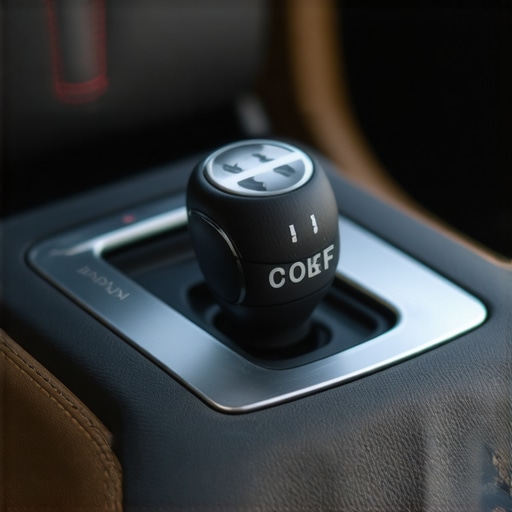
When an automatic transmission exhibits a violent thud or jolt upon selecting the reverse gear, we are witnessing a failure in kinetic management rather than a simple mechanical quirk. This phenomenon, often referred to by technicians as a harsh engagement, is the manifestation of hydraulic or mechanical lash that threatens the integrity of the internal planetary gear sets. In a properly functioning system, the transition from Park or Neutral to Reverse should be perceptible but smooth, facilitated by a controlled rise in hydraulic pressure. When this process becomes abrupt, it signifies an underlying pathology within the drivetrain that requires immediate diagnostic attention from a skilled mechanic.
Hydraulic Spikes and the Decay of Line Pressure Regulation
The most frequent culprit behind a transmission that slams into gear is erratic line pressure. In most modern automatic transmissions, the reverse gear requires a significantly higher hydraulic pressure than forward gears to engage the larger clutch packs. If the fluid has degraded or if the filter is partially obstructed, the Transmission Control Module (TCM) may compensate by over-pressurizing the system. This creates a hydraulic hammer effect when the reverse circuit opens. This is one reason why many experts argue that the secret about lifetime transmission fluid is often a marketing myth; fluid oxidation directly correlates with valve body sticking. According to technical standards published by SAE International, the precise modulation of hydraulic pressure within the valve body is critical for maintaining shift quality and preventing premature clutch wear. If your fluid is burnt or low, the pump may cavitate, leading to inconsistent pressures that make reverse engagement feel like a rear-end collision.
Mechanical Lash and the Failure of Drivetrain Support Systems
Not every jerk is an internal transmission failure; often, the sensation is amplified by the failure of external components designed to isolate engine torque. The engine and transmission are secured to the chassis by a series of rubber and hydraulic mounts. When you shift into reverse, the rotational torque of the engine pivots in the opposite direction of forward travel. If a torque strut or a motor mount has failed, the entire powertrain assembly physically leaps, creating a metal-on-metal impact that the driver feels as a jerk. This mechanical lash is often mistaken for a transmission slip. Interestingly, a worn 8-dollar bushing or a cracked rubber mount can be the difference between a smooth operation and a violent engagement. During a standard tune up, these mounts should be inspected for dry rot or leakage, as they are the first line of defense for your car’s structural harmony.
Could a Malfunctioning Pressure Solenoid Be the Primary Cause?
In the realm of electronic transmission control, the Electronic Pressure Control (EPC) solenoid is the gatekeeper of shift quality. If this solenoid becomes fouled by metallic debris or suffers an internal electrical failure, it may default to a high-pressure state as a failsafe. This prevents the clutches from slipping but results in incredibly harsh shifts into both drive and reverse. This is a common issue seen during complex auto repair diagnostics where the mechanical hardware is sound, but the electronic signaling has gone awry. If your vehicle also experiences issues where the transmission won’t shift into overdrive, it is highly likely that a shared solenoid or sensor is the root cause. High-level diagnostic tools can monitor these solenoid duty cycles in real-time to confirm if the computer is commanding the harshness or if it is a physical valve body blockage.
Transmission Adaptation Logic and Software Calibration
Modern vehicles utilize adaptive learning logic to adjust shift timing as internal components wear. Occasionally, this software can develop bad habits due to a dying battery or a recent repair that reset the TCM. If the computer has stored incorrect values for the reverse engagement time, it may apply too much pressure too quickly. Resetting these adaptives is a specialized task that goes beyond a basic oil change or brake service. If you notice these jolts specifically after a long drive or a battery replacement, the software calibration is likely the culprit. If you are experiencing these symptoms, consider contributing your vehicle’s specific behavior to professional diagnostic forums to help map out common failure patterns across specific makes and models.
Beyond the internal hydraulics of the gearbox, the physical transfer of power to the wheels introduces several external points of failure that can mimic a transmission failure. When the drivetrain transitions from forward to reverse torque, every millimeter of slack in the assembly is taken up with sudden force. This driveline lash is most frequently located in the universal joints (U-joints) or constant velocity (CV) joints. If the needle bearings inside a U-joint have dried out or disintegrated, the driveshaft will rotate several degrees before making contact with the yoke, resulting in a metallic snap or a heavy thud. To differentiate this from a valve body issue, pay attention to the sound; a mechanical clunk from under the center of the car usually points to the driveshaft, while a jerk felt through the floorboards often suggests you should how to identify a bad cv axle before it snaps. If the vibration is localized to the front, it is often beneficial to learn how to diagnose a mystery clunk in your front end to rule out suspension bushings.
Why Your Ground Strap Might Be Killing Your Shift Quality
Modern transmissions are effectively computers that happen to move oil. The Transmission Control Module (TCM) relies on incredibly sensitive voltage signals to command the solenoids discussed earlier. If the electrical ground between the engine, transmission, and chassis is corroded, it can introduce “electrical noise” into the circuit. This noise can confuse the TCM, leading it to command a maximum pressure engagement because it cannot accurately read the fluid temperature or input speed sensors. It is a common diagnostic oversight to overlook the physical wiring, yet many technicians have found that the 14-dollar ground strap that fixes ghost shifting can also resolve a harsh reverse engagement. Before committing to a multi-thousand dollar rebuild, cleaning the main battery-to-frame ground and the engine block ground is a high-yield, low-cost maintenance step that ensures the solenoids receive a clean, stable signal.
Does Your Engine Idle Speed Mask a Deeper Transmission Issue?
A factor often ignored by car owners is the relationship between engine RPM and hydraulic engagement. If your engine is idling even 200 RPM higher than the manufacturer’s specification, the torque converter will be under significantly more load when you shift into gear. This extra rotational energy must go somewhere, and it usually ends up as a violent jerk when the reverse clutches bite. A high idle can be caused by something as simple as a vacuum leak or a failing Idle Air Control (IAC) valve. In many fuel-injected vehicles, the 12-dollar sensor that fixes your rough idle might actually be the cure for your transmission problems. If you notice the jerk is significantly worse when the engine is cold—when the computer naturally holds a higher idle to warm up the catalytic converters—then your issue is likely engine-management related rather than a mechanical failure within the transmission itself.
Solve the Mystery Clunk by Inspecting Differential Backlash
The final stage of the power delivery system is the differential, where the rotational force is split between the drive wheels. Over hundreds of thousands of miles, the tolerances between the ring and pinion gears can widen, a condition known as excessive backlash. According to the Automatic Transmission Rebuilders Association (ATRA), excessive gear play in the rear-end or transaxle is a leading cause of “clunk on engagement” complaints that are incorrectly diagnosed as transmission slips. When you select reverse, the pinion gear must travel across the gap before it hits the teeth of the ring gear. This impact sends a shockwave back through the driveshaft and into the transmission housing. If you are experiencing this, share your findings in the comments below: do you hear the sound more prominently at the rear of the vehicle or directly under your seat? Identifying the location of the impact is the first step in determining if you are facing a simple gear adjustment or a total transmission overhaul.
Stop Ignoring the Hardening Lip Seals in Your Clutch Drum
Internal hydraulic integrity relies heavily on the elasticity of rubber lip seals located within the clutch drums. Over years of thermal cycling, these seals lose their pliable nature and become ‘hardened’ or ‘set.’ When you select reverse after the vehicle has sat overnight, these brittle seals fail to hold initial pressure, leading to a delay. As the TCM (Transmission Control Module) detects this delay, it commands a maximum duty cycle to the solenoids to prevent clutch slippage. Once the volume of fluid finally overcomes the leak in the hardened seal, the piston slams into the clutch pack with unrestrained force. This ‘delayed-harsh’ engagement is a classic symptom of internal seal fatigue. This is particularly prevalent in older units where the owner hasn’t performed a professional auto repair diagnostic in years. In some cases, specialized seal conditioners can temporarily restore elasticity, but they are often just a temporary fix for an inevitable rebuild.

Can Internal Fluid Cross-Contamination Cause a Sudden Pressure Spike?
One of the most catastrophic reasons for a violent reverse engagement involves the failure of the internal heat exchanger located inside your radiator. If the barrier between the engine coolant and the transmission fluid breaches, the resulting ‘strawberry milkshake’ mixture creates a chemical reaction that causes the friction material on the clutch plates to delaminate and swell. This swelling narrows the clearance between the plates, making the engagement point unpredictable and violent. According to the Automatic Transmission Service Group (ATSG), even a small amount of ethylene glycol can destroy the bonding agents in friction discs within miles. If you check your dipstick and see a milky, pink residue, stop driving immediately. This isn’t a simple tune up issue; it is a full-scale cooling system and drivetrain emergency that requires a complete flush of both systems and likely a new torque converter.
Why Frozen Mornings Make Your Reverse Gear Slam
Temperature plays a pivotal role in the ‘viscosity index’ of your transmission fluid. In extreme cold, the fluid thickens, significantly increasing the time it takes to travel through the microscopic orifices of the valve body. If the valve body’s check balls—tiny spheres that act as one-way valves—are worn or if the separator plate has been ‘peened’ (dented) by these balls, the fluid cannot be regulated correctly. This results in a sudden bypass of the damping circuits. This is why many drivers find the reverse jerk disappears once the car reaches operating temperature. Understanding the secret about lifetime transmission fluid becomes even more critical here; old fluid loses its cold-flow additives, making these morning ‘clunks’ much more aggressive. Have you noticed your car behaving differently as the seasons change? Documenting these temperature-sensitive shifts can save your mechanic hours of diagnostic labor.
When the Accumulator Piston Spring Snaps
Deep within the transmission’s hydraulic circuits are components called accumulators. These act like shock absorbers for your shifts, using a spring-loaded piston to cushion the sudden rise in pressure when a gear is engaged. If the reverse accumulator spring snaps—a common failure in certain high-mileage heavy-duty transmissions—the ‘cushion’ is removed from the circuit. The result is an instantaneous, metal-on-metal engagement that can feel like the car was hit from behind. When the spring fails, the piston bottoming out against the housing sends a vibration through the entire drivetrain. It is essential to check for this specifically if you have recently had a brake service and still feel a surge when coming to a stop or shifting into reverse, as the sensations can sometimes overlap. Professionals use high-fidelity pressure transducers to map these shifts, looking for ‘spikes’ that indicate a missing dampening element.
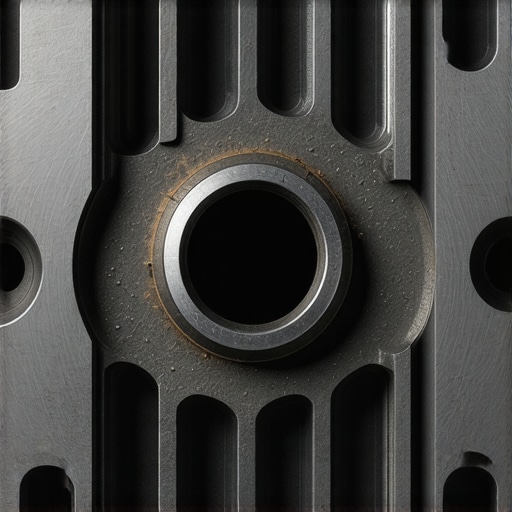
While springs and valves often take the blame for harsh shifting, the humble separator plate—a thin sheet of steel located between the valve body and the transmission case—is frequently the silent victim of mechanical erosion. Within the valve body, small steel check balls act as directional valves to route fluid between circuits. Over millions of cycles, these balls can ‘peen’ or hammer away at the holes in the separator plate until they either become wedged or pass completely through the plate. This creates a massive internal leak that bypasses the pressure-damping orifices entirely. According to technical data from Sonnax Industries, this plate wear is a primary cause of severe engagement thuds in several high-volume domestic and import transmissions. If the ball is no longer seating, the hydraulic fluid rushes into the reverse circuit without any restriction, leading to that characteristic violent jerk that feels like a physical collision.
Why a Dragging Torque Converter Mimics a Manual Clutch Snap
In many modern electronically controlled units, the torque converter clutch (TCC) is managed by a pulse-width modulated (PWM) solenoid. If this solenoid suffers from ‘stiction’—a combination of friction and static adhesion—it may fail to exhaust residual pressure when the vehicle is at a standstill. This results in a torque converter that is partially locked even when the vehicle is in Neutral. When you move the selector to Reverse, the engine’s torque is transmitted more directly to the gears than intended, much like ‘dumping the clutch’ on a manual car. When the TCC solenoid behaves erratically, it can create a ‘stuck-on’ condition where the engine and transmission are fighting each other at idle. This is a common diagnostic point during an auto repair session where the technician must differentiate between a physical gear engagement issue and a software-managed converter failure. If you have recently performed a tune up and the idle is perfect but the engagement is still brutal, the TCC control circuit is the primary suspect.
Can a Misaligned Range Sensor Trigger a False Hydraulic Surge?
The Transmission Range (TR) sensor, or neutral safety switch, is the digital bridge between your hand on the shifter and the computer’s brain. If the sensor’s internal tracks are worn or if the mechanical linkage is slightly out of adjustment, the TCM may receive a ‘noisy’ or intermittent signal during the transition from Park to Reverse. If the computer ‘sees’ the gear selection for a millisecond, loses it, and then sees it again, it may interpret this as a rapid-fire shift request. To protect the internal components from slipping during this perceived indecision, the software will often command a ‘fail-safe’ high-pressure state. This software-driven protection mechanism is what the driver feels as a double-bump or a violent jolt. Ensuring your linkage is tight during a routine check-up can prevent these phantom electronic errors from becoming physical mechanical damage that requires a skilled mechanic to resolve.
Heat Cycles and the Subtle Warping of Clutch Drum Hubs
Longevity in a transmission is often a battle against thermal expansion and the integrity of internal metals. After years of stop-and-go traffic or heavy towing, the internal clutch drum hubs can develop microscopic warpage. While these deviations might be invisible to the naked eye, they are significant enough to cause the friction plates to bind rather than slide smoothly along the splines. When reverse is selected, the piston applies pressure, but the plates ‘hang up’ momentarily due to this binding. When the pressure finally overcomes the mechanical resistance, the plates snap together all at once. This isn’t just a nuisance; it’s a symptom of metal fatigue that eventually leads to shattered sprags or cracked drums. This thermal distortion often occurs in units that have been pushed beyond their cooling capacity. Document your vehicle’s specific symptoms and share them in the community forum below to help others pinpoint these elusive hydraulic failures; does your transmission jerk only after a long highway haul, or is it strictly a cold-start phenomenon?
Expert Insights & Advanced Considerations
Scan Tool Data Reveals Latent Solenoid Response
When diagnosing why a vehicle slams into gear, standard error code reading is often insufficient. Real-time data logging frequently reveals that the Electronic Pressure Control solenoid is responding 50 to 100 milliseconds slower than the commanded signal. This latency causes a momentary hydraulic pressure overshoot, resulting in a harsh engagement. For those performing deep-dive diagnostics, referencing the essential guide to auto repair can help map these electronic signatures before committing to expensive hardware replacement.
High Performance Engine Tunes Conflict with TCM Logic
The synergy between the engine and transmission is governed by complex torque-management software. If an aftermarket engine tune increases torque output without corresponding adjustments to the Transmission Control Module (TCM), the hydraulic system cannot accurately predict the engagement force needed. This demonstrates why regular tune ups are key to car longevity; maintaining synchronized software parameters prevents the powertrain from experiencing internal stress during every gear selection.
Isolate Chassis Vibration from Internal Hydraulic Shock
A violent jolt is often a combination of internal hydraulic pressure and external component failure. To differentiate between the two, perform a ‘stall test’ by firmly applying the parking brake before shifting into reverse. If the jolt remains equally intense, the issue is internal. If the sensation is mitigated, the problem likely lies in your engine mounts or driveline lash. Identifying this nuance is why you must know how to choose a skilled mechanic you can trust who utilizes advanced diagnostic equipment to isolate noise and vibration.
Voltage Drops Cripple Solenoid Accuracy
A voltage drop as small as 0.5 volts across a corroded ground wire can turn a smooth shift into a metal-on-metal impact. Transmission solenoids require highly stable amperage to modulate valves with precision. Often, technicians find that the 14-dollar ground strap that fixes ghost shifting also resolves aggressive engagement issues. This type of electrical maintenance is just as critical for safety as a routine brake service.
#IMAGE_PLACEHOLDER_E#
Curated Expert Resources
Sonnax Technical Library: A premier source for technical white papers regarding valve body wear, hydraulic circuit maps, and specialized repair kits for chronic pressure regulation issues.
ATSG Technical Bulletins: The Automatic Transmission Service Group offers model-specific diagnostic charts that help professionals identify known manufacturer defects and software update requirements.
SAE International Engineering Standards: For those seeking the highest level of detail, SAE publications offer peer-reviewed research on fluid viscosity dynamics and the chemical resilience of modern friction materials.
Final Expert Perspective
When an automatic transmission exhibits a violent thud or jolt upon selecting the reverse gear, the solution rarely lies in a single part replacement. It requires a holistic view of the vehicle’s hydraulic health, electrical grounding, and software calibration. By moving beyond simple symptom management and addressing the underlying systemic failures, you can ensure the long-term reliability of your drivetrain. We encourage you to share your specific diagnostic findings or repair experiences in the community forum below to further our collective expertise in high-level vehicle maintenance.