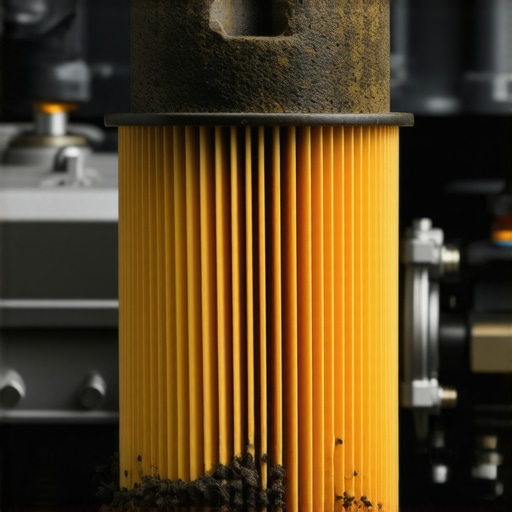
In the high-stakes world of automotive maintenance, the oil filter is often dismissed as a secondary component, a simple canister that captures debris. However, as an experienced mechanic will attest, the filter serves as the primary regulator of fluid dynamics within the lubrication circuit. When you opt for a budget-grade filter, you aren’t just saving a few dollars; you are introducing a significant restriction into the engine’s lifeblood. Modern engines, especially those with Variable Valve Timing (VVT) and high-compression ratios, rely on precise oil pressure to operate at peak efficiency. A high-quality tune up isn’t complete without addressing the quality of the filtration media, as the wrong choice can lead to parasitic power loss and increased fuel consumption.
The Hidden Friction that Starves Your Engine of Power
Horsepower is a measure of work over time, and anything that increases internal resistance reduces the output reaching the wheels. Cheap filters often utilize dense, low-quality cellulose media that creates a high-pressure differential. This means the oil pump must work significantly harder to push viscous fluid through the restrictive paper, consuming torque that should be driving the transmission. Furthermore, when the pressure drop across the filter becomes too great, the bypass valve may open prematurely. This allows unfiltered oil to circulate, increasing internal friction and wear on critical components. If you are noticing a decrease in performance, it might be time to look beyond simple fixes and consider how your filtration choices impact the overall auto repair strategy for your vehicle.
Micron Ratings and Why Cheap Paper Media Fails the Flow Test
The efficiency of a filter is measured by its ability to trap particles at a specific micron level while maintaining a high flow rate. Premium filters often use synthetic-blend media which provides a larger surface area and smaller pores without compromising the flow of oil. Budget filters, conversely, rely on thick paper that clogs quickly. Once the media is saturated, the engine experiences ‘oil starvation’ during cold starts or high-RPM operation. This starvation often manifests as a rough idle or a slight hesitation during acceleration. According to research published by SAE International, the structural integrity of the filter media directly correlates to the longevity of the crankshaft bearings and the consistency of hydraulic pressure in the valve train.
Your Oil Pump is Working Too Hard to Compensate for Low-Quality Media
Every additional PSI of pressure the oil pump has to generate to overcome a clogged or restrictive filter translates directly into higher fuel consumption. Over thousands of miles, this inefficiency adds up. While many drivers focus on brake service or tire pressure to improve MPG, the internal efficiency of the lubrication system is a silent fuel thief. Professional auto repair experts emphasize that using a high-flow, high-efficiency filter is one of the most cost-effective ways to maintain factory-spec fuel economy. To learn more about optimizing your vehicle’s systems, check out these auto repair cost-saving tips from industry experts.
Can a Restricted Oil Filter Lead to Internal Mechanical Timing Drifts?
Yes, particularly in modern engines equipped with oil-pressure-driven cam phasers. If the oil filter restricts flow, the VVT system cannot adjust the camshaft position quickly enough to match the engine load. This results in ‘lazy’ timing, where the engine runs out of its optimal combustion window, leading to a noticeable drop in horsepower and a spike in emissions. If you have experienced persistent timing codes or sluggish performance, the issue may not be a sensor, but the physical restriction caused by a sub-par filter choice during your last service.
Pro Tip: Next time you visit your shop for maintenance, demand a filter with a silicone anti-drainback valve and synthetic media to ensure your engine retains its maximum power potential.
Why Your Oil Filter is Secretly a Cooling Component
In the automotive world, we often separate the lubrication system from the cooling system, but an expert mechanic knows they are deeply intertwined. Oil carries away approximately 40% of the internal heat generated by the combustion process. A restrictive or low-quality filter acts as a thermal bottleneck, slowing down the cycle of oil moving from the hot engine components back to the sump. This heat retention can degrade the oil’s viscosity prematurely. Just as you would ensure the correct way to flush your coolant without air pockets to prevent overheating, choosing a high-flow filter is essential for maintaining the thermal equilibrium of your block. When oil stays hot longer, it oxidizes faster, leading to the very deposits that the filter is supposed to remove.
Protect the Turbocharger from Microscopic Abrasives
If you drive a modern vehicle with a turbocharger, the stakes for filtration quality are exponentially higher. Turbocharger shafts spin at speeds exceeding 200,000 RPM and float on a thin film of oil. At these velocities, a single particle of carbon or metal that passes through a cheap filter’s 40-micron mesh can act like a chisel against the journal bearings. This microscopic damage eventually leads to shaft play and seal failure, which is a primary reason why your exhaust is spitting blue smoke. High-end auto repair focuses on prevention; installing a filter with a 99% efficiency rating at 20 microns ensures that these sensitive components remain protected from the invisible shrapnel that budget filters let through.
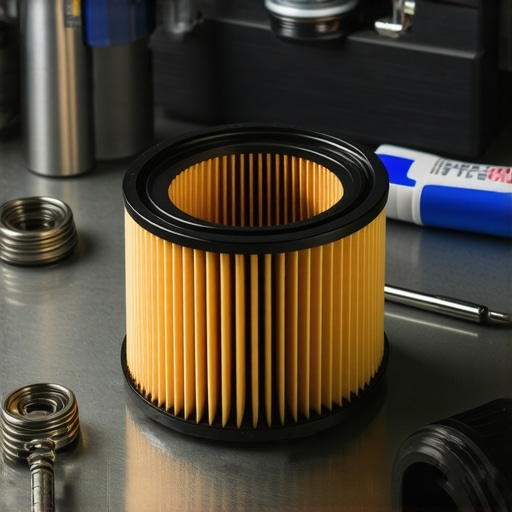
Why does a $5 price difference determine your engine’s 200,000-mile survival?
It comes down to the structural integrity of the internal bypass valve and the anti-drainback seal. Most drivers don’t realize that a cheap filter’s bypass valve may be made of thin plastic that can warp or stick open under high pressure. When this happens, your engine receives completely unfiltered oil for the duration of your drive. According to technical standards established by the American Petroleum Institute (API), the chemical stability of modern synthetic oils is only as effective as the filtration system’s ability to remove oxidized carbon particles that act as catalysts for sludge formation. Investing in a premium filter with a silicone anti-drainback valve ensures that oil stays in the upper galleries after the engine is shut off, preventing the metal-on-metal contact that causes why your engine rattles only for two-seconds on startup.
Stop Sludge Before It Strands You on the Highway
The accumulation of engine sludge is a slow, silent process that often goes unnoticed until a major component fails. Sludge forms when oil breaks down and mixes with moisture and blow-by gases. A high-quality filter during a routine tune up captures the precursors to sludge before they can bond to the metal surfaces of your engine. This is similar to the logic used by a mechanic when explaining the dirty secret about lifetime transmission fluid; no fluid is truly permanent if the filtration is compromised. Before your next oil change, take a moment to read our guide on the ultimate tune-up checklist for every car owner to ensure every component is up to spec. Understanding that auto repair is as much about the quality of the parts as the skill of the technician—something we cover in our look at how a top-rated mechanic ensures safe auto repairs every time—will save you thousands in the long run.
Synthetic Micro-Glass Fibers Hold the Key to Engine Longevity
The transition from traditional cellulose to synthetic micro-glass media represents one of the most significant leaps in filtration technology. Unlike wood-pulp based paper, which features inconsistent fiber diameters and unpredictable pore sizes, synthetic media is engineered with uniform glass fibers. This precision allows for a “depth filtration” effect where particles are trapped throughout the entire thickness of the material, rather than just on the surface. According to detailed studies by Machinery Lubrication, synthetic media can provide up to 50% less flow restriction compared to cellulose, even as it captures significantly smaller particles. This prevents the “surface blinding” that causes cheap filters to go into bypass mode much earlier than expected, ensuring that your oil is actually being cleaned for the duration of its service interval.

How does oil viscosity affect the pressure relief valve within a high-performance filter?
Every oil filter contains a spring-loaded bypass valve, also known as a pressure relief valve, designed to ensure the engine never runs entirely out of oil, even if the filter is completely clogged. However, in high-performance or high-mileage engines, the interaction between oil viscosity and this valve is critical. On a cold morning, thick oil struggles to pass through the dense media of a budget filter, creating a massive pressure differential. This often forces the bypass valve open, allowing unfiltered, cold oil to circulate through your engine for several minutes. A premium filter uses a more precisely calibrated relief valve and high-flow media to ensure that even during cold starts, the oil is filtered before it reaches the delicate journals of the crankshaft. Integrating a premium filter into your next tune up isn’t just an upgrade; it’s a necessary insurance policy for the tight tolerances of modern metallurgy.
Don’t Let a Thin Steel Shell Become Your Weakest Link
While the internal media does the heavy lifting, the structural integrity of the filter canister is often overlooked during auto repair. High-pressure spikes during cold starts or rapid high-RPM shifts can subject the filter to pressures exceeding 100 PSI. I have personally seen budget canisters “balloon” or even burst at the crimped seam under these conditions. Premium filters utilize heavy-gauge steel and reinforced base plates to handle these surges without fatigue. This is particularly vital in European vehicles where the oil pump pressure is managed electronically and can spike significantly under load. When you are performing a brake service or other routine maintenance, take a moment to inspect the exterior of your filter for any signs of distortion, as this is a clear indicator that the component is ill-suited for your engine’s hydraulic demands.
Precise Camshaft Phasing Requires Zero Pressure Drop
In modern engines equipped with Variable Valve Lift (VVL) and phasing, the oil is more than a lubricant; it is a hydraulic fluid. The actuators responsible for adjusting camshaft timing are essentially precision hydraulic pistons that require immediate, stable oil pressure to function. If a restrictive filter creates even a 2-3 PSI drop across the system, the phase shift is delayed, leading to a “sluggish” engine response and a decrease in thermal efficiency. Mechanics often spend hours diagnosing complex timing codes that could have been avoided by simply using a high-flow filter. Ensuring your lubrication system is optimized is a core part of any ultimate tune-up checklist, especially if you aim to maintain the factory-rated power curve of a turbocharged or high-compression engine.
The Silent Battle Between Holding Dirt and Letting Oil Pass
While efficiency ratings capture the headlines, an expert mechanic knows that Dirt Holding Capacity (DHC) is the metric that truly defines a filter’s worth over a long service interval. A filter can be 99% efficient, but if its surface area is insufficient, it will reach its saturation point long before your next tune up. Premium filters utilize pleat-stabilized media with a high DHC, allowing them to sequester grams of contaminants without increasing back-pressure. When a filter reaches capacity, it doesn’t just stop cleaning; it forces the engine into a state of perpetual bypass, where every revolution circulates abrasive grit through the cam bearings. High-level auto repair strategies prioritize filters that offer deep-bed filtration, ensuring that the media captures debris throughout its entire thickness rather than just forming a restrictive cake on the surface.
Magnetic Trapdoors That Catch What Synthetic Media Misses
Even the most advanced synthetic fibers struggle to capture the ultra-fine ferrous ‘swarf’ generated during high-load engine operation. This is where advanced mechanics often recommend the integration of neodymium magnetic elements, either within the filter housing or as part of a specialized drain plug. These magnets pull microscopic iron and steel particles out of the oil stream that are small enough to pass through standard 20-micron pores. By removing these magnetic abrasives, you prevent the ‘sandblasting’ effect that wears down oil pump rotors and cylinder walls. This level of preventative maintenance is a hallmark of professional auto repair, moving beyond basic fluid changes to total system preservation. 
Why do some gaskets fail in winter while others remain pliable?
The answer lies in the chemical composition of the elastomer. Budget filters typically use Nitrile (Buna-N) gaskets, which can become brittle and lose their seal at temperatures below -15°F, leading to ‘weeping’ or catastrophic pressure loss during a cold start. Professional-grade filters utilize silicone or fluorocarbon gaskets that remain flexible down to -40°F. According to technical bulletins from the Filter Manufacturers Council, using the wrong gasket material in cold climates is a leading cause of external oil leaks and dry-start engine damage. If you live in a region with harsh winters, ensuring your filter uses a high-spec silicone seal is just as critical as your choice of winter-weight oil.
Aeration and the Violent Physics of Cold Start-Ups
One of the least discussed aspects of filtration is its role in preventing oil aeration. When oil is forced through a restrictive, low-quality media at high pressure, it can experience cavitation—the formation of tiny vapor bubbles. When these bubbles collapse near metal surfaces, they create localized shockwaves that can pit engine components. A high-flow premium filter minimizes the pressure drop, thereby reducing the likelihood of cavitation during those critical first sixty seconds of operation. This is a vital consideration for anyone following a strict ultimate tune-up checklist, as it protects the hydraulic integrity of the lifters and tensioners. If you have noticed a ticking sound that lingers after startup, it may be time to evaluate whether your current filter is causing fluid turbulence.
Stop Ignoring the Internal Bypass Spring Calibration
The bypass valve is not a simple ‘on/off’ switch; it is a calibrated spring mechanism that reacts to differential pressure. Cheap filters often use weak springs that open too early, or worse, ‘stutter’ under pressure, causing erratic oil flow to the top end of the engine. During a complex auto repair, a technician might find that intermittent VVT codes are actually caused by these pressure fluctuations. By choosing a filter with a precision-weighted bypass valve, you ensure that the engine only bypasses the media when absolutely necessary, such as during a true blockage. Don’t leave your engine’s safety to a five-cent spring; invest in a filter that mirrors the engineering precision of the engine it protects. If you are serious about performance, examine your VVT solenoids today and ensure they are receiving the steady, clean pressure they require.
In the high-stakes world of automotive maintenance, the oil filter is often dismissed as a secondary component, a simple canister that captures debris. However, as an experienced mechanic will attest, the filter serves as the primary regulator of fluid dynamics within the lubrication circuit. When you opt for a budget-grade filter, you aren’t just saving a few dollars; you are introducing a significant restriction into the engine’s lifeblood. Modern engines, especially those with Variable Valve Timing (VVT) and high-compression ratios, rely on precise oil pressure to operate at peak efficiency. A high-quality tune up isn’t complete without addressing the quality of the filtration media, as the wrong choice can lead to parasitic power loss and increased fuel consumption.
The Hidden Friction that Starves Your Engine of Power
Horsepower is a measure of work over time, and anything that increases internal resistance reduces the output reaching the wheels. Cheap filters often utilize dense, low-quality cellulose media that creates a high-pressure differential. This means the oil pump must work significantly harder to push viscous fluid through the restrictive paper, consuming torque that should be driving the transmission. Furthermore, when the pressure drop across the filter becomes too great, the bypass valve may open prematurely. This allows unfiltered oil to circulate, increasing internal friction and wear on critical components. If you are noticing a decrease in performance, it might be time to look beyond simple fixes and consider how your filtration choices impact the overall auto repair strategy for your vehicle.
Micron Ratings and Why Cheap Paper Media Fails the Flow Test
The efficiency of a filter is measured by its ability to trap particles at a specific micron level while maintaining a high flow rate. Premium filters often use synthetic-blend media which provides a larger surface area and smaller pores without compromising the flow of oil. Budget filters, conversely, rely on thick paper that clogs quickly. Once the media is saturated, the engine experiences ‘oil starvation’ during cold starts or high-RPM operation. This starvation often manifests as a rough idle or a slight hesitation during acceleration. According to research published by SAE International, the structural integrity of the filter media directly correlates to the longevity of the crankshaft bearings and the consistency of hydraulic pressure in the valve train.
Your Oil Pump is Working Too Hard to Compensate for Low-Quality Media
Every additional PSI of pressure the oil pump has to generate to overcome a clogged or restrictive filter translates directly into higher fuel consumption. Over thousands of miles, this inefficiency adds up. While many drivers focus on brake service or tire pressure to improve MPG, the internal efficiency of the lubrication system is a silent fuel thief. Professional auto repair experts emphasize that using a high-flow, high-efficiency filter is one of the most cost-effective ways to maintain factory-spec fuel economy. To learn more about optimizing your vehicle’s systems, check out these auto repair cost-saving tips from industry experts.
Can a Restricted Oil Filter Lead to Internal Mechanical Timing Drifts?
Yes, particularly in modern engines equipped with oil-pressure-driven cam phasers. If the oil filter restricts flow, the VVT system cannot adjust the camshaft position quickly enough to match the engine load. This results in ‘lazy’ timing, where the engine runs out of its optimal combustion window, leading to a noticeable drop in horsepower and a spike in emissions. If you have experienced persistent timing codes or sluggish performance, the issue may not be a sensor, but the physical restriction caused by a sub-par filter choice during your last service.
Pro Tip: Next time you visit your shop for maintenance, demand a filter with a silicone anti-drainback valve and synthetic media to ensure your engine retains its maximum power potential.
Why Your Oil Filter is Secretly a Cooling Component
In the automotive world, we often separate the lubrication system from the cooling system, but an expert mechanic knows they are deeply intertwined. Oil carries away approximately 40% of the internal heat generated by the combustion process. A restrictive or low-quality filter acts as a thermal bottleneck, slowing down the cycle of oil moving from the hot engine components back to the sump. This heat retention can degrade the oil’s viscosity prematurely. Just as you would ensure the correct way to flush your coolant without air pockets to prevent overheating, choosing a high-flow filter is essential for maintaining the thermal equilibrium of your block. When oil stays hot longer, it oxidizes faster, leading to the very deposits that the filter is supposed to remove.
Protect the Turbocharger from Microscopic Abrasives
If you drive a modern vehicle with a turbocharger, the stakes for filtration quality are exponentially higher. Turbocharger shafts spin at speeds exceeding 200,000 RPM and float on a thin film of oil. At these velocities, a single particle of carbon or metal that passes through a cheap filter’s 40-micron mesh can act like a chisel against the journal bearings. This microscopic damage eventually leads to shaft play and seal failure, which is a primary reason why your exhaust is spitting blue smoke. High-end auto repair focuses on prevention; installing a filter with a 99% efficiency rating at 20 microns ensures that these sensitive components remain protected from the invisible shrapnel that budget filters let through.
Why does a $5 price difference determine your engine’s 200,000-mile survival?
It comes down to the structural integrity of the internal bypass valve and the anti-drainback seal. Most drivers don’t realize that a cheap filter’s bypass valve may be made of thin plastic that can warp or stick open under high pressure. When this happens, your engine receives completely unfiltered oil for the duration of your drive. According to technical standards established by the American Petroleum Institute (API), the chemical stability of modern synthetic oils is only as effective as the filtration system’s ability to remove oxidized carbon particles that act as catalysts for sludge formation. Investing in a premium filter with a silicone anti-drainback valve ensures that oil stays in the upper galleries after the engine is shut off, preventing the metal-on-metal contact that causes why your engine rattles only for two-seconds on startup.
Stop Sludge Before It Strands You on the Highway
The accumulation of engine sludge is a slow, silent process that often goes unnoticed until a major component fails. Sludge forms when oil breaks down and mixes with moisture and blow-by gases. A high-quality filter during a routine tune up captures the precursors to sludge before they can bond to the metal surfaces of your engine. This is similar to the logic used by a mechanic when explaining the dirty secret about lifetime transmission fluid; no fluid is truly permanent if the filtration is compromised. Before your next oil change, take a moment to read our guide on the ultimate tune-up checklist for every car owner to ensure every component is up to spec. Understanding that auto repair is as much about the quality of the parts as the skill of the technician—something we cover in our look at how a top-rated mechanic ensures safe auto repairs every time—will save you thousands in the long run.
Synthetic Micro-Glass Fibers Hold the Key to Engine Longevity
The transition from traditional cellulose to synthetic micro-glass media represents one of the most significant leaps in filtration technology. Unlike wood-pulp based paper, which features inconsistent fiber diameters and unpredictable pore sizes, synthetic media is engineered with uniform glass fibers. This precision allows for a “depth filtration” effect where particles are trapped throughout the entire thickness of the material, rather than just on the surface. According to detailed studies by Machinery Lubrication, synthetic media can provide up to 50% less flow restriction compared to cellulose, even as it captures significantly smaller particles. This prevents the “surface blinding” that causes cheap filters to go into bypass mode much earlier than expected, ensuring that your oil is actually being cleaned for the duration of its service interval.
How does oil viscosity affect the pressure relief valve within a high-performance filter?
Every oil filter contains a spring-loaded bypass valve, also known as a pressure relief valve, designed to ensure the engine never runs entirely out of oil, even if the filter is completely clogged. However, in high-performance or high-mileage engines, the interaction between oil viscosity and this valve is critical. On a cold morning, thick oil struggles to pass through the dense media of a budget filter, creating a massive pressure differential. This often forces the bypass valve open, allowing unfiltered, cold oil to circulate through your engine for several minutes. A premium filter uses a more precisely calibrated relief valve and high-flow media to ensure that even during cold starts, the oil is filtered before it reaches the delicate journals of the crankshaft. Integrating a premium filter into your next tune up isn’t just an upgrade; it’s a necessary insurance policy for the tight tolerances of modern metallurgy.
Don’t Let a Thin Steel Shell Become Your Weakest Link
While the internal media does the heavy lifting, the structural integrity of the filter canister is often overlooked during auto repair. High-pressure spikes during cold starts or rapid high-RPM shifts can subject the filter to pressures exceeding 100 PSI. I have personally seen budget canisters “balloon” or even burst at the crimped seam under these conditions. Premium filters utilize heavy-gauge steel and reinforced base plates to handle these surges without fatigue. This is particularly vital in European vehicles where the oil pump pressure is managed electronically and can spike significantly under load. When you are performing a brake service or other routine maintenance, take a moment to inspect the exterior of your filter for any signs of distortion, as this is a clear indicator that the component is ill-suited for your engine’s hydraulic demands.
Precise Camshaft Phasing Requires Zero Pressure Drop
In modern engines equipped with Variable Valve Lift (VVL) and phasing, the oil is more than a lubricant; it is a hydraulic fluid. The actuators responsible for adjusting camshaft timing are essentially precision hydraulic pistons that require immediate, stable oil pressure to function. If a restrictive filter creates even a 2-3 PSI drop across the system, the phase shift is delayed, leading to a “sluggish” engine response and a decrease in thermal efficiency. Mechanics often spend hours diagnosing complex timing codes that could have been avoided by simply using a high-flow filter. Ensuring your lubrication system is optimized is a core part of any ultimate tune-up checklist, especially if you aim to maintain the factory-rated power curve of a turbocharged or high-compression engine.
The Silent Battle Between Holding Dirt and Letting Oil Pass
While efficiency ratings capture the headlines, an expert mechanic knows that Dirt Holding Capacity (DHC) is the metric that truly defines a filter’s worth over a long service interval. A filter can be 99% efficient, but if its surface area is insufficient, it will reach its saturation point long before your next tune up. Premium filters utilize pleat-stabilized media with a high DHC, allowing them to sequester grams of contaminants without increasing back-pressure. When a filter reaches capacity, it doesn’t just stop cleaning; it forces the engine into a state of perpetual bypass, where every revolution circulates abrasive grit through the cam bearings. High-level auto repair strategies prioritize filters that offer deep-bed filtration, ensuring that the media captures debris throughout its entire thickness rather than just forming a restrictive cake on the surface.
Magnetic Trapdoors That Catch What Synthetic Media Misses
Even the most advanced synthetic fibers struggle to capture the ultra-fine ferrous ‘swarf’ generated during high-load engine operation. This is where advanced mechanics often recommend the integration of neodymium magnetic elements, either within the filter housing or as part of a specialized drain plug. These magnets pull microscopic iron and steel particles out of the oil stream that are small enough to pass through standard 20-micron pores. By removing these magnetic abrasives, you prevent the ‘sandblasting’ effect that wears down oil pump rotors and cylinder walls. This level of preventative maintenance is a hallmark of professional auto repair, moving beyond basic fluid changes to total system preservation.
Why do some gaskets fail in winter while others remain pliable?
The answer lies in the chemical composition of the elastomer. Budget filters typically use Nitrile (Buna-N) gaskets, which can become brittle and lose their seal at temperatures below -15°F, leading to ‘weeping’ or catastrophic pressure loss during a cold start. Professional-grade filters utilize silicone or fluorocarbon gaskets that remain flexible down to -40°F. According to technical bulletins from the Filter Manufacturers Council, using the wrong gasket material in cold climates is a leading cause of external oil leaks and dry-start engine damage. If you live in a region with harsh winters, ensuring your filter uses a high-spec silicone seal is just as critical as your choice of winter-weight oil.
Aeration and the Violent Physics of Cold Start-Ups
One of the least discussed aspects of filtration is its role in preventing oil aeration. When oil is forced through a restrictive, low-quality media at high pressure, it can experience cavitation—the formation of tiny vapor bubbles. When these bubbles collapse near metal surfaces, they create localized shockwaves that can pit engine components. A high-flow premium filter minimizes the pressure drop, thereby reducing the likelihood of cavitation during those critical first sixty seconds of operation. This is a vital consideration for anyone following a strict ultimate tune-up checklist, as it protects the hydraulic integrity of the lifters and tensioners. If you have noticed a ticking sound that lingers after startup, it may be time to evaluate whether your current filter is causing fluid turbulence.
Stop Ignoring the Internal Bypass Spring Calibration
The bypass valve is not a simple ‘on/off’ switch; it is a calibrated spring mechanism that reacts to differential pressure. Cheap filters often use weak springs that open too early, or worse, ‘stutter’ under pressure, causing erratic oil flow to the top end of the engine. During a complex auto repair, a technician might find that intermittent VVT codes are actually caused by these pressure fluctuations. By choosing a filter with a precision-weighted bypass valve, you ensure that the engine only bypasses the media when absolutely necessary, such as during a true blockage. Don’t leave your engine’s safety to a five-cent spring; invest in a filter that mirrors the engineering precision of the engine it protects. If you are serious about performance, examine your VVT solenoids today and ensure they are receiving the steady, clean pressure they require.
Expert Insights & Advanced Considerations
Synthetic Media Prevents Costly Gasket Hardening
The consistent flow provided by synthetic micro-glass reduces internal hotspots that cause rubber components to become brittle. While many drivers search for the 12-dollar valve cover gasket trick to stop leaks, the root cause is often the thermal stress of poor filtration. Expert mechanics focus on the flow rate to keep seals pliable.
Stop Relying on Factory Intervals for Severe Duty
Modern service schedules assume ideal conditions, but idling in traffic or short winter trips creates more sludge than highway cruising. If you want to tune up your car like a pro, you must adjust your filter change frequency based on the physical contamination levels of your specific driving cycle.
Fluid Density and VVT Accuracy
Even a microscopic level of aeration can cause cam phasers to hunt for positions, leading to poor fuel economy. Stable oil density is a pillar of the essential guide to auto repair, as air bubbles don’t compress like fluid, rendering hydraulic timing systems sluggish.
Curated Expert Resources
API Engine Oil Guide
The American Petroleum Institute (API) provides the primary framework for understanding how oil additives interact with filtration media, ensuring your auto repair choices meet OEM requirements.
Machinery Lubrication Technical Archives
This technical library offers exhaustive studies on depth filtration versus surface filtration, providing the scientific backing for choosing synthetic media over cellulose.
SAE International Standard J185
The Society of Automotive Engineers (SAE) defines the multi-pass test procedures used to determine efficiency and capacity, the gold standard for comparing filter performance objectively.
Final Expert Perspective
Choosing a premium oil filter is the single most impactful decision you can make during routine maintenance. By understanding the physics of flow and the requirements of modern hydraulic components, you transition from simple part replacement to professional-grade auto repair. This commitment to quality ensures your engine remains efficient and protected against the long-term threat of abrasive wear and sludge. To stay ahead of the curve, keep up with top auto repair trends to watch in 2025 and always demand components that match the engineering of your vehicle.