The Critical Role of Residual Oil Pressure in Timing Chains
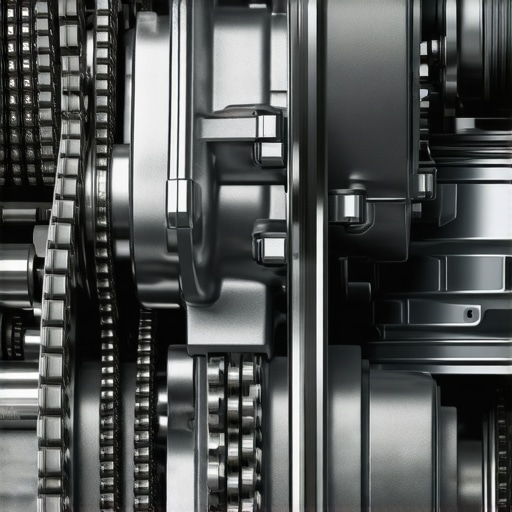
A brief mechanical dissonance upon ignition—often described as a momentary rattle or “clatter”—is rarely a benign occurrence in modern internal combustion engines. While many drivers dismiss this two-second event as a quirk of aging, a professional mechanic recognizes it as a critical window into the health of the engine’s lubrication and timing systems. This transient noise typically indicates a failure to maintain hydraulic pressure during periods of rest, signaling that components are operating in a metal-on-metal state before oil flow is fully established. [IMAGE_PLACEHOLDER] Modern engines often rely on hydraulic tensioners to keep the timing chain taut. When the engine is off, these tensioners should ideally hold a specific amount of pressure or remain mechanically locked. However, as components wear, the tensioner may bleed down. Upon the next cold start, the chain remains slack for those first two seconds until the oil pump generates sufficient pressure to extend the tensioner. This slack leads to the chain slapping against the guides—a sound that closely mimics a diesel engine. Failure to address this can lead to jumped timing or catastrophic internal damage. For those looking to stay ahead of these issues, mastering auto repair diagnostics starts with recognizing these auditory cues. Professional technicians often refer to mechanic tips for diagnosing common auto problems to differentiate between simple vibrations and internal mechanical failures.
VVT Phasers and the Fatigue of Internal Locking Pins
Variable Valve Timing (VVT) systems are precision-engineered to optimize power and efficiency, yet they are notoriously sensitive to oil quality and pressure. Inside a VVT phaser, a small locking pin is designed to secure the assembly in a “base” position when the engine stops. If this pin or its housing becomes worn, the phaser will oscillate wildly during the first few revolutions of the crankshaft. This creates a distinct “rattle” that vanishes the moment oil pressure forces the pin to engage or the vanes to stabilize. According to research published in the SAE International technical papers, even minor deviations in oil viscosity or the presence of sludge can exacerbate VVT wear. Ensuring you perform a regular tune up with the manufacturer-specified oil weight is the first line of defense against phaser degradation. This ensures that the hydraulic actuators receive the exact flow rate required to dampen movement immediately upon startup.
Is Your Anti-Drainback Valve Actually Doing Its Job?
Many enthusiasts and DIY owners overlook the vital role of the oil filter in preventing start-up noise. A high-quality filter contains an anti-drainback valve—a simple rubber or silicone flap that prevents oil from draining out of the upper engine galleries and back into the pan when the vehicle is parked. If this valve fails or is absent in a lower-grade filter, the top end of your engine essentially starts “dry” every morning. You are waiting those two seconds for the pump to refill the entire system, during which the lifters and cams are under-lubricated. It is vital to verify how to tell if your mechanic actually changed the oil filter and used an OEM-spec part. Have you noticed this rattle becoming more pronounced after a specific oil change? This could be your smoking gun. If you need professional eyes on your vehicle, don’t hesitate to book a comprehensive brake service and engine inspection to ensure all safety systems are performing optimally.
Why Mechanical Sympathy Saves You Thousands
Adopting a sense of mechanical sympathy allows a driver to move from reactive maintenance to proactive preservation. The heat cycles and pressure variations within a modern cylinder head demand consistent, immediate lubrication. When that two-second rattle occurs, it is a literal countdown of the component’s remaining lifespan. Using specialized diagnostic tools or even a simple mechanics’ stethoscope can help isolate whether the noise is a localized heat shield vibration or a deep-seated internal issue. By addressing these transient sounds early, you avoid the secondary failures that often follow timing system neglect, such as compromised valve seating or cam-bearing scoring. Expert-level care is not just about fixing what is broken, but about interpreting the language of the machine before a failure occurs.
Stop Blaming the Cold for Your Morning Engine Rattle
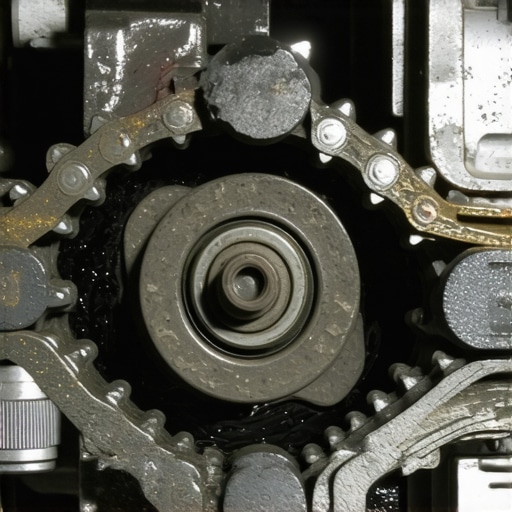
It is a common misconception among vehicle owners that a brief mechanical clatter during a cold start is simply a byproduct of low ambient temperatures. While oil is indeed more viscous when cold, a healthy engine should manage this transition silently. If you hear a rhythmic slapping sound, you are likely witnessing the physical manifestation of timing chain slack. This occurs when the plastic or nylon guides have begun to groove, or the tensioner’s internal spring has lost its preload. Ignoring this can lead to the chain ‘jumping’ teeth on the sprocket, which instantly alters the valve timing. If the noise is more of a high-pitched yell than a rattle, you might be dealing with an accessory drive issue; knowing why your car screeches when you start the engine can help you distinguish between a failing serpentine belt and a catastrophic internal oil pressure failure.
Could Your Choice of Oil Viscosity Be Masking a Mechanical Failure?
In an attempt to quiet a noisy top-end, some owners transition to a heavier weight oil, such as swapping a 5W-20 for a 10W-40. While this may dampen the sound by providing a thicker cushion between moving parts, it is often a dangerous ‘Band-Aid’ fix. Modern engines are designed with incredibly tight tolerances; oil passages for VVT solenoids and hydraulic lifters are sometimes no wider than a needle. According to technical data from Machinery Lubrication, using a lubricant with a viscosity higher than the manufacturer’s specification can actually delay the time it takes for oil to reach the uppermost components of the cylinder head, effectively increasing wear during those critical first seconds of operation. Instead of altering the oil weight, consider if the internal components are simply dirty. Using the 11 fuel treatment that actually works can help maintain internal cleanliness, but it won’t fix a physically collapsed hydraulic tensioner. You must address the root mechanical cause rather than hiding the symptoms under thicker fluid.
The High Cost of Hesitation in Precision Valve Trains
When the ‘two-second rattle’ becomes a ‘five-second rattle,’ the window for a low-cost repair is rapidly closing. Proactive owners should treat these auditory warnings with the same urgency as a dashboard warning light. Often, the issue is localized to a single failing component, like a $12 sensor or a worn o-ring. For instance, the 12 sensor that fixes your rough idle is a prime example of how a small, affordable part can restore engine harmony. Similarly, in the world of transmissions, many drivers fall for the myth of ‘permanent’ fluids. However, the truth about lifetime transmission fluid and when to ignore it teaches us that all lubricants eventually succumb to thermal breakdown and shear. The same logic applies to your engine’s timing system; the oil that lubricates your chain and phasers must be kept pristine to prevent the micro-abrasions that lead to startup noise. Have you ever successfully silenced a startup rattle with a simple part swap, or did it require a full teardown? Share your experience in the comments, or explore our brake service strategies that save you money to ensure every aspect of your vehicle’s maintenance is handled with expert precision.
Why Your Hydraulic Lifters Are Bleeding Out Overnight
While the timing chain often takes the blame for initial start-up noise, the hydraulic lifters—or lash adjusters—are frequently the silent culprits behind that initial morning clatter. These precision components rely on a trapped volume of oil to maintain zero lash between the camshaft and the valve stem. When an engine is shut off, certain valves are inevitably held open by the cam lobes, putting constant pressure on the lifters. If the internal check ball or the high-pressure chamber within the lifter is worn, the oil is forced out. This phenomenon, known as ‘bleed down,’ leaves a physical gap. Upon the next start, the camshaft must physically hammer the lifter into position before oil pressure can refill the chamber. This metal-on-metal impact is what you hear as a rapid-fire tapping. If left unaddressed, this repetitive hammering can mushroom the valve stem or profile the camshaft lobes, leading to a permanent loss of volumetric efficiency and a much more expensive auto repair bill down the road.
Why Does My Engine Rattle Only After Sitting for Several Hours?
The time-dependent nature of this rattle is the hallmark of a failing hydraulic seal or a compromised anti-drainback system. When you shut down your engine, gravity and residual heat begin to work against the lubrication system. If your timing chain tensioner or VVT phasers are healthy, they should maintain their position via mechanical locks or high-viscosity oil film. However, as the engine cools, the metal components contract and the oil thins slightly before thickening into its cold state. If the rattle only occurs after a long soak—typically four to six hours—it confirms that a component is losing its ‘prime.’ Modern technicians often use a mechanical oil pressure gauge to monitor how long the system takes to reach the manufacturer-specified ‘idle pressure’ from a dead stop. If that needle takes more than a second to move, you aren’t just dealing with a noisy part; you are dealing with a systemic lubrication delay that threatens the entire rotating assembly. Ensuring you have a fresh tune up and the correct filter can sometimes mitigate this, but persistent delays often point to a failing oil pump pickup tube o-ring or a clogged internal screen.
How Carbon Crud Kills Your Chain From the Inside Out
The chemistry of modern combustion has a direct impact on the longevity of your timing system. According to technical documentation from BorgWarner, a global leader in clean and efficient technology solutions for combustion engines, the rise of Gasoline Direct Injection (GDI) has introduced higher levels of soot into the crankcase. Unlike older port-injected engines, GDI engines produce fine carbon particles that find their way into the oil. This soot acts as a micro-abrasive, specifically targeting the pins and bushings of the timing chain. As these pins wear down by mere microns, the cumulative effect is ‘chain stretch.’ This isn’t the metal actually stretching, but the tolerances opening up. This slack is what the hydraulic tensioner tries to compensate for, but it can only extend so far. Once the chain exceeds its wear limit, the tensioner reaches the end of its travel, and that ‘two-second rattle’ becomes a permanent fixture of your morning drive. Utilizing the 11 fuel treatment that actually works can help keep the top end clean, but it cannot reverse the physical wear on a chain pin that has been sanded down by thousands of miles of soot-laden oil.
The Illusion of the Low Oil Pressure Light
One of the most dangerous traps a driver can fall into is trusting the oil pressure warning light on the dashboard. In many modern vehicles, this light is essentially a ‘dummy’ switch—it only illuminates when pressure drops below a critically low threshold, often as low as 5 to 7 PSI. By the time that light flickers, your timing chain tensioners have already lost their ability to dampen the chain’s movement, and your VVT phasers are likely banging against their internal stops. A professional mechanic knows that an engine can be ‘starving’ for oil at startup even if the light stays off. This is why auditory diagnostics are so much more valuable than dashboard electronics in the early stages of failure. If you are noticing a change in engine tone, it is time to look deeper into your maintenance history. Have you stayed consistent with your oil changes, or have you pushed the limits of ‘long-life’ synthetic intervals? If you’re concerned about your vehicle’s overall health, remember that a proactive brake service and a thorough engine scan can often catch these mounting issues before they leave you stranded on the shoulder.
How Tiny Air Bubbles Turn Your Hydraulic Fluid into a Compressible Mess
Aeration is a frequently ignored factor in the science of start-up noise, yet it remains a primary reason why even new parts can fail to perform. When an engine sits, air can become trapped within the complex hydraulic galleries of the cylinder head. Unlike pure oil, air is highly compressible. When the engine fires, the hydraulic tensioner attempts to exert force against the timing chain, but instead of moving the piston to take up slack, it simply compresses the air pocket. Research in the peer-reviewed journal Tribology International highlights that the presence of even 2% entrained air can significantly reduce the bulk modulus of the lubricant, leading to a dangerous delay in tensioner response. This results in the chain whipping against the guides until the air is purged and replaced by high-pressure fluid. This momentary lapse in control is often when the most significant wear occurs on the guide surfaces.
Could Your Oil Pump Pickup O-Ring Be Letting Air Into the System?
This is an expert-level diagnostic question that often separates a standard parts-changer from a master mechanic. A hardened or cracked o-ring on the oil pump pickup tube might not cause a low oil pressure light to illuminate during normal driving, but it can allow the pump to “suck air” along with the oil, especially when the lubricant is cold and viscous. This creates a frothy, aerated mixture that lacks the hydraulic integrity needed to keep VVT phasers and tensioners stable. If you have already replaced the tensioner and the rattle persists, the source of your auto repair woes might be hidden deep in the oil pan rather than the timing cover. This is why a vacuum test of the lubrication system is often more revealing than a simple pressure check.
Tiny Screens with Massive Consequences for Your VVT Phaser
Many Variable Valve Timing (VVT) solenoids are equipped with microscopic mesh screens designed to catch debris before it reaches the precision vanes of the phaser assembly. Over time, even with a regular tune up schedule, these screens can become partially occluded by microscopic varnish or carbon deposits. This restriction does not necessarily stop oil flow entirely, but it significantly slows the “rise time” of the pressure within the phaser during those first critical seconds. 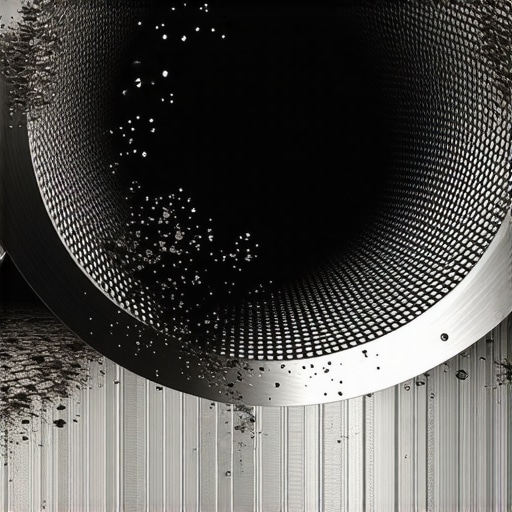 During this delay, the phaser is essentially freewheeling, causing it to hammer against its internal stops. Checking and cleaning these screens is a non-invasive, cost-effective way to diagnose lag before committing to an expensive and invasive engine teardown.
Watching Your Timing Chain Live with an Oscilloscope
To truly master engine health and move into the realm of proactive preservation, one must move beyond the ears and look at the raw data. Advanced technicians now use a dual-channel oscilloscope to compare the Crankshaft Position (CKP) and Camshaft Position (CMP) signals in real-time. By analyzing the “phase gap” or the correlation between these two signals during the first few seconds of a cold start, a technician can see the chain slack manifest as a shifting waveform on the screen. This level of precision allows for a definitive diagnosis of chain stretch or tensioner failure without removing a single valve cover. If your engine is whispering—or shouting—its distress, it is time to move past basic maintenance. Connect with a specialist who understands the nuances of waveform analysis and brake service safety to ensure your entire vehicle is in peak condition. Don’t wait for a check engine light to tell you what your ears already know; seek an expert diagnosis today to avoid the high cost of a jumped timing chain.
The Critical Role of Residual Oil Pressure in Timing Chains
A brief mechanical dissonance upon ignition—often described as a momentary rattle or “clatter”—is rarely a benign occurrence in modern internal combustion engines. While many drivers dismiss this two-second event as a quirk of aging, a professional mechanic recognizes it as a critical window into the health of the engine’s lubrication and timing systems. This transient noise typically indicates a failure to maintain hydraulic pressure during periods of rest, signaling that components are operating in a metal-on-metal state before oil flow is fully established. [IMAGE_PLACEHOLDER] Modern engines often rely on hydraulic tensioners to keep the timing chain taut. When the engine is off, these tensioners should ideally hold a specific amount of pressure or remain mechanically locked. However, as components wear, the tensioner may bleed down. Upon the next cold start, the chain remains slack for those first two seconds until the oil pump generates sufficient pressure to extend the tensioner. This slack leads to the chain slapping against the guides—a sound that closely mimics a diesel engine. Failure to address this can lead to jumped timing or catastrophic internal damage. For those looking to stay ahead of these issues, mastering auto repair diagnostics starts with recognizing these auditory cues. Professional technicians often refer to mechanic tips for diagnosing common auto problems to differentiate between simple vibrations and internal mechanical failures.
VVT Phasers and the Fatigue of Internal Locking Pins
Variable Valve Timing (VVT) systems are precision-engineered to optimize power and efficiency, yet they are notoriously sensitive to oil quality and pressure. Inside a VVT phaser, a small locking pin is designed to secure the assembly in a “base” position when the engine stops. If this pin or its housing becomes worn, the phaser will oscillate wildly during the first few revolutions of the crankshaft. This creates a distinct “rattle” that vanishes the moment oil pressure forces the pin to engage or the vanes to stabilize. According to research published in the SAE International technical papers, even minor deviations in oil viscosity or the presence of sludge can exacerbate VVT wear. Ensuring you perform a regular tune up with the manufacturer-specified oil weight is the first line of defense against phaser degradation. This ensures that the hydraulic actuators receive the exact flow rate required to dampen movement immediately upon startup.
Is Your Anti-Drainback Valve Actually Doing Its Job?
Many enthusiasts and DIY owners overlook the vital role of the oil filter in preventing start-up noise. A high-quality filter contains an anti-drainback valve—a simple rubber or silicone flap that prevents oil from draining out of the upper engine galleries and back into the pan when the vehicle is parked. If this valve fails or is absent in a lower-grade filter, the top end of your engine essentially starts “dry” every morning. You are waiting those two seconds for the pump to refill the entire system, during which the lifters and cams are under-lubricated. It is vital to verify how to tell if your mechanic actually changed the oil filter and used an OEM-spec part. Have you noticed this rattle becoming more pronounced after a specific oil change? This could be your smoking gun. If you need professional eyes on your vehicle, don’t hesitate to book a comprehensive brake service and engine inspection to ensure all safety systems are performing optimally.
Why Mechanical Sympathy Saves You Thousands
Adopting a sense of mechanical sympathy allows a driver to move from reactive maintenance to proactive preservation. The heat cycles and pressure variations within a modern cylinder head demand consistent, immediate lubrication. When that two-second rattle occurs, it is a literal countdown of the component’s remaining lifespan. Using specialized diagnostic tools or even a simple mechanics’ stethoscope can help isolate whether the noise is a localized heat shield vibration or a deep-seated internal issue. By addressing these transient sounds early, you avoid the secondary failures that often follow timing system neglect, such as compromised valve seating or cam-bearing scoring. Expert-level care is not just about fixing what is broken, but about interpreting the language of the machine before a failure occurs.
Stop Blaming the Cold for Your Morning Engine Rattle
It is a common misconception among vehicle owners that a brief mechanical clatter during a cold start is simply a byproduct of low ambient temperatures. While oil is indeed more viscous when cold, a healthy engine should manage this transition silently. If you hear a rhythmic slapping sound, you are likely witnessing the physical manifestation of timing chain slack. This occurs when the plastic or nylon guides have begun to groove, or the tensioner’s internal spring has lost its preload. Ignoring this can lead to the chain ‘jumping’ teeth on the sprocket, which instantly alters the valve timing. If the noise is more of a high-pitched yell than a rattle, you might be dealing with an accessory drive issue; knowing why your car screeches when you start the engine can help you distinguish between a failing serpentine belt and a catastrophic internal oil pressure failure.
Could Your Choice of Oil Viscosity Be Masking a Mechanical Failure?
In an attempt to quiet a noisy top-end, some owners transition to a heavier weight oil, such as swapping a 5W-20 for a 10W-40. While this may dampen the sound by providing a thicker cushion between moving parts, it is often a dangerous ‘Band-Aid’ fix. Modern engines are designed with incredibly tight tolerances; oil passages for VVT solenoids and hydraulic lifters are sometimes no wider than a needle. According to technical data from Machinery Lubrication, using a lubricant with a viscosity higher than the manufacturer’s specification can actually delay the time it takes for oil to reach the uppermost components of the cylinder head, effectively increasing wear during those critical first seconds of operation. Instead of altering the oil weight, consider if the internal components are simply dirty. Using the 11 fuel treatment that actually works can help maintain internal cleanliness, but it won’t fix a physically collapsed hydraulic tensioner. You must address the root mechanical cause rather than hiding the symptoms under thicker fluid.
The High Cost of Hesitation in Precision Valve Trains
When the ‘two-second rattle’ becomes a ‘five-second rattle,’ the window for a low-cost repair is rapidly closing. Proactive owners should treat these auditory warnings with the same urgency as a dashboard warning light. Often, the issue is localized to a single failing component, like a $12 sensor or a worn o-ring. For instance, the 12 sensor that fixes your rough idle is a prime example of how a small, affordable part can restore engine harmony. Similarly, in the world of transmissions, many drivers fall for the myth of ‘permanent’ fluids. However, the truth about lifetime transmission fluid and when to ignore it teaches us that all lubricants eventually succumb to thermal breakdown and shear. The same logic applies to your engine’s timing system; the oil that lubricates your chain and phasers must be kept pristine to prevent the micro-abrasions that lead to startup noise. Have you ever successfully silenced a startup rattle with a simple part swap, or did it require a full teardown? Share your experience in the comments, or explore our brake service strategies that save you money to ensure every aspect of your vehicle’s maintenance is handled with expert precision.
Why Your Hydraulic Lifters Are Bleeding Out Overnight
While the timing chain often takes the blame for initial start-up noise, the hydraulic lifters—or lash adjusters—are frequently the silent culprits behind that initial morning clatter. These precision components rely on a trapped volume of oil to maintain zero lash between the camshaft and the valve stem. When an engine is shut off, certain valves are inevitably held open by the cam lobes, putting constant pressure on the lifters. If the internal check ball or the high-pressure chamber within the lifter is worn, the oil is forced out. This phenomenon, known as ‘bleed down,’ leaves a physical gap. Upon the next start, the camshaft must physically hammer the lifter into position before oil pressure can refill the chamber. This metal-on-metal impact is what you hear as a rapid-fire tapping. If left unaddressed, this repetitive hammering can mushroom the valve stem or profile the camshaft lobes, leading to a permanent loss of volumetric efficiency and a much more expensive auto repair bill down the road.
Why Does My Engine Rattle Only After Sitting for Several Hours?
The time-dependent nature of this rattle is the hallmark of a failing hydraulic seal or a compromised anti-drainback system. When you shut down your engine, gravity and residual heat begin to work against the lubrication system. If your timing chain tensioner or VVT phasers are healthy, they should maintain their position via mechanical locks or high-viscosity oil film. However, as the engine cools, the metal components contract and the oil thins slightly before thickening into its cold state. If the rattle only occurs after a long soak—typically four to six hours—it confirms that a component is losing its ‘prime.’ Modern technicians often use a mechanical oil pressure gauge to monitor how long the system takes to reach the manufacturer-specified ‘idle pressure’ from a dead stop. If that needle takes more than a second to move, you aren’t just dealing with a noisy part; you are dealing with a systemic lubrication delay that threatens the entire rotating assembly. Ensuring you have a fresh tune up and the correct filter can sometimes mitigate this, but persistent delays often point to a failing oil pump pickup tube o-ring or a clogged internal screen.
How Carbon Crud Kills Your Chain From the Inside Out
The chemistry of modern combustion has a direct impact on the longevity of your timing system. According to technical documentation from BorgWarner, a global leader in clean and efficient technology solutions for combustion engines, the rise of Gasoline Direct Injection (GDI) has introduced higher levels of soot into the crankcase. Unlike older port-injected engines, GDI engines produce fine carbon particles that find their way into the oil. This soot acts as a micro-abrasive, specifically targeting the pins and bushings of the timing chain. As these pins wear down by mere microns, the cumulative effect is ‘chain stretch.’ This isn’t the metal actually stretching, but the tolerances opening up. This slack is what the hydraulic tensioner tries to compensate for, but it can only extend so far. Once the chain exceeds its wear limit, the tensioner reaches the end of its travel, and that ‘two-second rattle’ becomes a permanent fixture of your morning drive. Utilizing the 11 fuel treatment that actually works can help keep the top end clean, but it cannot reverse the physical wear on a chain pin that has been sanded down by thousands of miles of soot-laden oil.
The Illusion of the Low Oil Pressure Light
One of the most dangerous traps a driver can fall into is trusting the oil pressure warning light on the dashboard. In many modern vehicles, this light is essentially a ‘dummy’ switch—it only illuminates when pressure drops below a critically low threshold, often as low as 5 to 7 PSI. By the time that light flickers, your timing chain tensioners have already lost their ability to dampen the chain’s movement, and your VVT phasers are likely banging against their internal stops. A professional mechanic knows that an engine can be ‘starving’ for oil at startup even if the light stays off. This is why auditory diagnostics are so much more valuable than dashboard electronics in the early stages of failure. If you are noticing a change in engine tone, it is time to look deeper into your maintenance history. Have you stayed consistent with your oil changes, or have you pushed the limits of ‘long-life’ synthetic intervals? If you’re concerned about your vehicle’s overall health, remember that a proactive brake service and a thorough engine scan can often catch these mounting issues before they leave you stranded on the shoulder.
How Tiny Air Bubbles Turn Your Hydraulic Fluid into a Compressible Mess
Aeration is a frequently ignored factor in the science of start-up noise, yet it remains a primary reason why even new parts can fail to perform. When an engine sits, air can become trapped within the complex hydraulic galleries of the cylinder head. Unlike pure oil, air is highly compressible. When the engine fires, the hydraulic tensioner attempts to exert force against the timing chain, but instead of moving the piston to take up slack, it simply compresses the air pocket. Research in the peer-reviewed journal Tribology International highlights that the presence of even 2% entrained air can significantly reduce the bulk modulus of the lubricant, leading to a dangerous delay in tensioner response. This results in the chain whipping against the guides until the air is purged and replaced by high-pressure fluid. This momentary lapse in control is often when the most significant wear occurs on the guide surfaces.
Could Your Oil Pump Pickup O-Ring Be Letting Air Into the System?
This is an expert-level diagnostic question that often separates a standard parts-changer from a master mechanic. A hardened or cracked o-ring on the oil pump pickup tube might not cause a low oil pressure light to illuminate during normal driving, but it can allow the pump to “suck air” along with the oil, especially when the lubricant is cold and viscous. This creates a frothy, aerated mixture that lacks the hydraulic integrity needed to keep VVT phasers and tensioners stable. If you have already replaced the tensioner and the rattle persists, the source of your auto repair woes might be hidden deep in the oil pan rather than the timing cover. This is why a vacuum test of the lubrication system is often more revealing than a simple pressure check.
Tiny Screens with Massive Consequences for Your VVT Phaser
Many Variable Valve Timing (VVT) solenoids are equipped with microscopic mesh screens designed to catch debris before it reaches the precision vanes of the phaser assembly. Over time, even with a regular tune up schedule, these screens can become partially occluded by microscopic varnish or carbon deposits. This restriction does not necessarily stop oil flow entirely, but it significantly slows the “rise time” of the pressure within the phaser during those first critical seconds. During this delay, the phaser is essentially freewheeling, causing it to hammer against its internal stops. Checking and cleaning these screens is a non-invasive, cost-effective way to diagnose lag before committing to an expensive and invasive engine teardown.
Watching Your Timing Chain Live with an Oscilloscope
To truly master engine health and move into the realm of proactive preservation, one must move beyond the ears and look at the raw data. Advanced technicians now use a dual-channel oscilloscope to compare the Crankshaft Position (CKP) and Camshaft Position (CMP) signals in real-time. By analyzing the “phase gap” or the correlation between these two signals during the first few seconds of a cold start, a technician can see the chain slack manifest as a shifting waveform on the screen. This level of precision allows for a definitive diagnosis of chain stretch or tensioner failure without removing a single valve cover. If your engine is whispering—or shouting—its distress, it is time to move past basic maintenance. Connect with a specialist who understands the nuances of waveform analysis and brake service safety to ensure your entire vehicle is in peak condition. Don’t wait for a check engine light to tell you what your ears already know; seek an expert diagnosis today to avoid the high cost of a jumped timing chain.
Expert Insights & Advanced Considerations
Why the First Two Seconds Define Your Engine’s Decade
Every second of startup rattle represents approximately 10,000 miles of “normal” wear occurring in an instant. This cumulative damage specifically targets the hardened surface of the camshaft lobes. By applying auto repair cost saving tips from industry experts, you realize that replacing a $150 tensioner today prevents a $4,000 engine overhaul tomorrow. Proactive intervention is the only way to escape the cycle of compounding mechanical failure.
Don’t Trust the Dashboard for Lubrication Health
Relying on a low oil pressure light is a high-stakes gamble. Most factory sensors are calibrated to trigger only after pressure is insufficient to prevent catastrophic metal-on-metal contact. Use mechanic tips for diagnosing common auto problems to identify auditory shifts long before the electronics detect a fault. If your ears hear a rattle, the pressure is already inadequate for precision VVT components.
Waveform Analysis Beats Guessing Every Time
While many technicians throw parts at a startup noise, true expertise lies in data. A $20 scanner that every modern driver should own can reveal timing correlation codes, but an oscilloscope provides a visual biography of the chain’s health. If you are serious about longevity, seek out diagnostics that prove component failure through signal analysis rather than trial and error.
Curated Expert Resources
SAE International Technical Library: The gold standard for peer-reviewed automotive engineering papers regarding fluid dynamics and VVT architecture. This is where the physics of oil bleed-down is formally defined.
BorgWarner Timing System Guides: Direct insights from the OEM manufacturer of timing chains for global vehicle brands, offering deep dives into chain stretch and soot-based abrasion.
Machinery Lubrication Magazine: An essential resource for understanding the chemical breakdown of lubricants and the impact of entrained air on hydraulic components.
Final Expert Perspective
The startup rattle is not just a noise; it is a diagnostic language. By understanding the intricate dance between hydraulic pressure, VVT locking pins, and oil filtration, you move from being a passenger to a preservationist. Effective auto repair is rooted in early detection and the refusal to accept mechanical dissonance as normal. Whether you are refining your maintenance through tune up strategies to save money or searching for how to choose a skilled mechanic you can trust, your goal remains the same: immediate, pressurized lubrication. What has your engine been trying to tell you lately? We invite you to share your diagnostic journey or professional observations in the community forum below.