The Science of Combustion Precision in Modern Engines
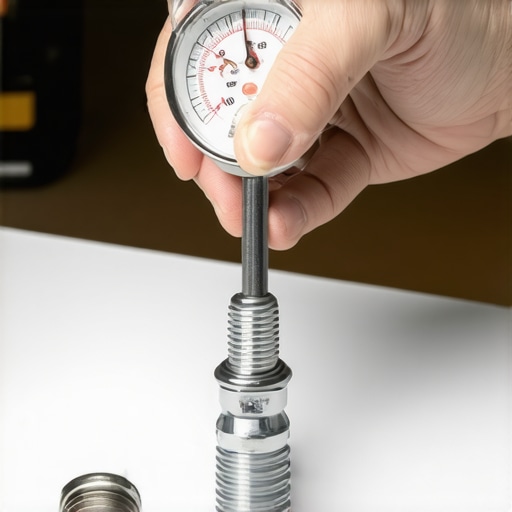
In the landscape of modern automotive maintenance, the term ‘tune-up’ has evolved from a simple replacement of points and condensers to a sophisticated analysis of electronic ignition and fuel injection systems. However, even with the most advanced ECU managing timing and air-fuel ratios, the humble spark plug remains the critical point of failure. A single misfire can cascade into catalytic converter damage or unburned fuel washing cylinder walls. Maintaining peak performance requires more than just following a mileage interval; it demands a granular look at the electrode gap. Many drivers rely on a mechanic for this, but a simple $11 gap gauge empowers any vehicle owner to diagnose health before a check engine light appears.
The efficiency of your auto repair strategy depends heavily on preventative diagnostics. When you how to index your spark plugs for better efficiency, you realize that the orientation and the gap of the electrode dictate the flame kernel’s growth. A gap that is too wide puts undue stress on the ignition coils, while one too narrow leads to a weak spark that cannot fully ignite the compressed mixture. This is often why your car stumbles at red lights but runs fine on the highway, as the load requirements vary significantly between idle and cruising speeds.
Your Ignition System Depends on This Measured Gap
Using a feeler gauge or a wire-style gap tool—often costing less than $11 at any local parts store—provides an objective data point that visual inspection cannot match. Professionals often observe ‘bridge’ fouling or electrode erosion, but the precise measurement tells the real story of engine heat and wear. According to technical documentation from NGK Spark Plugs, even pre-gapped plugs can be knocked out of spec during shipping, making a manual check mandatory for anyone serious about a tune up. This precision is what separates a DIY enthusiast from someone who truly understands the mechanics of combustion.
Why Does the Spark Plug Gap Actually Change Over Time?
As thousands of volts arc across the gap every second, microscopic amounts of metal are transferred from the center electrode to the ground strap. This process, known as spark erosion, gradually increases the distance the electricity must jump. If you have ever wondered why your check engine light flashes under heavy load, it is frequently because the widened gap has reached a point where the ignition coil can no longer bridge it under high cylinder pressure. Regular brake service and oil changes are standard, but measuring this gap every 30,000 miles is the ‘pro secret’ to avoiding expensive coil pack replacements.
Precision Beats Professional Intuition Every Time
While many trust their mechanic to handle these nuances, having the tool in your own glovebox allows for immediate troubleshooting. A quick gap check can confirm if a rough idle is a spark issue or something more complex like a vacuum leak. If you find your plugs are within spec but the engine still feels sluggish, it might be time to review the the ultimate tune-up checklist for every car owner to ensure no other components are failing. Integrating this $11 tool into your routine creates a proactive maintenance cycle that extends the life of your vehicle significantly. For more advanced insights on keeping your engine in peak condition, explore our essential tune-up tips to boost your cars performance in 2025 and join the conversation on precision maintenance.
Feed the Flame with Precise Airflow Signals
Even the most perfectly gapped spark plug cannot perform its duty if the air-to-fuel ratio is compromised by a contaminated Mass Air Flow (MAF) sensor. The ECU relies on millivolt signals from this sensor to determine exactly how much fuel to spray. When dust or oil film coats the sensor’s heating element, the signal slows down, causing the engine to run lean or rich. Instead of immediately scheduling an expensive auto repair, savvy owners know that the 10 cleaning move that saves your MAF sensor can restore lost horsepower in under ten minutes. This simple maintenance task ensures that the physical work of your tune up isn’t negated by a digital error.
Is Your Fuel Injector Mimicking a Dead Cylinder?
When a car exhibits a persistent miss, it is easy to blame the ignition system, but the real culprit often hides within the fuel rail. A clogged or “leaky” injector disrupts the fine mist required for immediate combustion. If the spray pattern is uneven, you get “hot spots” in the cylinder that can lead to pre-ignition. Learning how to diagnose a bad fuel injector at home allows you to pinpoint the specific cylinder causing the headache without paying a diagnostic fee at the shop. According to the fuel system experts at Robert Bosch GmbH, even a 5% deviation in fuel injector flow can cause a noticeable imbalance in power delivery across the cylinder bank, leading to vibrations that many drivers mistake for a mechanical failure or a need for a brake service due to pulsing sensations.
Stop Chasing Ghost Codes and Inspect Your Ground Straps
Modern vehicles are essentially rolling computers, and computers require a clean electrical path to function. A frayed or corroded ground strap can cause “ghost” trouble codes that lead you down a rabbit hole of unnecessary parts replacement. These straps are the unsung heroes of your engine’s electrical health, providing the return path for the high-voltage spark. If you are experiencing weird dash flickers or intermittent stumbling, the 15 ground strap fix for mystery electrical gremlins is the highest-ROI repair you can perform. This is a critical step in any comprehensive tune up that a mechanic might overlook during a busy day.
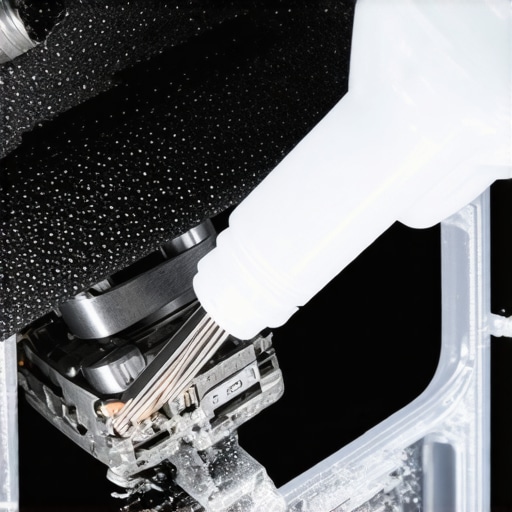
While focusing on the top end of the engine, do not ignore the lubrication system’s role in variable valve timing (VVT). VVT solenoids are incredibly sensitive to oil pressure and cleanliness. Understanding why cheap oil filters are costing you horsepower and fuel economy is vital; a restrictive filter can delay timing adjustments, making the engine feel sluggish regardless of how fresh your spark plugs are. Small vacuum leaks can also mask themselves as major ignition problems. A cracked rubber hose allows “unmetered” air into the engine, leaning out the mixture and causing a rough idle. Before you assume the worst about your engine’s internal health, try how to find an intake leak using only a 5 bottle of soapy water to see if a simple hose replacement is all you need. Have you ever solved a major performance issue with a surprisingly cheap fix? Tell us about your “ah-ha” moment in the comments or share this guide with a friend who is currently battling a mystery misfire. Precision maintenance is about the small details that keep your vehicle running smoothly for the long haul.
The Silent Sentinel of Your Air-Fuel Feedback Loop
While the spark plug initiates the fire, the upstream Oxygen (O2) sensor is the primary arbiter of whether that fire was efficient. This sensor operates in a high-heat environment, generating a voltage signal based on the differential between exhaust oxygen and ambient air. A common mistake during a standard tune up is ignoring the ‘lazy’ sensor—one that still functions but has a slowed response time due to silica or phosphorus contamination. This latency prevents the ECU from adjusting fuel trims in real-time, leading to a subtle but persistent loss in fuel economy. If your mechanic hasn’t hooked up a live-data scanner to check the O2 sensor’s switching frequency, you might be missing the root cause of a rich-running engine that fouls your brand-new plugs prematurely.
Can a Faulty Oxygen Sensor Mimic the Symptoms of a Failing Ignition Coil?
In short, yes. When an O2 sensor fails to report an lean condition accurately, the ECU may overcompensate by dumping excess fuel into the cylinders. This ‘false rich’ condition can cause a heavy stumble or misfire that feels remarkably like a failing ignition coil. To distinguish between the two, advanced DIYers look at Short Term Fuel Trim (STFT). According to technical data from Delphi Technologies, a healthy sensor should switch between high and low voltage multiple times per second at 2,500 RPM. If the signal stays flat or moves sluggishly while the engine hesitates, the sensor is likely the culprit, not the spark delivery system. This level of analysis is what elevates a basic auto repair into a master-level diagnostic session.
Why Your Brakes Feel Hard When the Engine Struggles
The synergy between engine performance and safety systems is nowhere more apparent than in the vacuum power booster. Most modern vehicles utilize engine vacuum to multiply the force applied to the brake pedal. If your engine is suffering from poor volumetric efficiency or a leaking intake gasket, the vacuum reserve drops. This results in a stiff, unresponsive pedal that many drivers mistake for a need for a brake service. Before you spend hundreds on new calipers or rotors, check the vacuum hose leading to the booster. A small crack here doesn’t just cause a rough idle; it compromises your stopping power by starving the booster of the pressure differential it needs to assist your foot. 
Integrating a vacuum gauge into your diagnostic toolkit allows you to see the ‘pulse’ of the engine. A steady needle at idle suggests good mechanical health, while a vibrating needle often points to worn valve guides or inconsistent combustion. If you’ve noticed that your brakes feel noticeably firmer during a cold start or while the engine is stumbling, it is a clear signal that your engine’s internal ‘breathing’ is restricted. Have you ever checked your vacuum levels during a routine tune up? Many owners find that restoring engine vacuum also restores that ‘new car’ brake feel without touching the hydraulic system at all.
The Invisible Load of a Clogged Throttle Bore
As the engine breathes, it doesn’t just intake air; it also deals with oily vapors from the Positive Crankcase Ventilation (PCV) system. Over time, these vapors condense on the back of the throttle plate, creating a sticky black ring of carbon. This buildup narrows the effective air gap at idle, forcing the Idle Air Control (IAC) motor or the electronic throttle body to work overtime. This digital struggle often manifests as a ‘hunting’ idle or a dip in RPM when you come to a stop. Cleaning this bore is a high-impact, low-cost auto repair that most owners can perform with a simple lint-free rag and specialized cleaner. However, caution is required with electronic throttles; manually pushing the plate can sometimes de-calibrate the internal gearing, requiring a ‘relearn’ procedure that usually demands a professional scan tool or a specific sequence of ignition cycles.
Stop Letting Carbon Deposits Steal Your Ignition Timing
When you perform a standard tune up, you likely focus on the visible components, but the most significant performance killers often remain hidden inside the combustion chamber. Carbon buildup on piston tops creates “hot spots” that ignite the fuel-air mixture prematurely. This pre-ignition is detected by the knock sensor, a piezo-electric microphone tuned to the frequency of engine ping. To protect the rotating assembly, the ECU immediately retards ignition timing. This invisible adjustment keeps your engine safe but drastically reduces torque and fuel efficiency. If your vehicle feels lazy despite new plugs, it might be time for a professional top-tier induction cleaning—a specialized auto repair that removes these deposits and restores the factory timing map.
Can Excessive Carbon Mimic a Failed Knock Sensor?
Actually, the reverse is often true. A knock sensor that has become over-sensitive due to age or improper torque—yes, these sensors must be torqued to exact foot-pound specifications—will report “phantom knock.” This sends the engine into a low-power “limp” mode or simply kills the ignition advance across the entire RPM range. A skilled mechanic doesn’t just swap the sensor; they use an oscilloscope to verify the signal integrity against actual mechanical noise. This level of scrutiny ensures you aren’t replacing a perfectly good sensor when the real issue is a loose heat shield or a failing water pump bearing creating a similar acoustic frequency.
Your PCV System Is More Than Just a Simple One-Way Valve
While often treated as an afterthought during a tune up, the Positive Crankcase Ventilation (PCV) system is the primary defense against oil dilution and sludge. A stuck-open PCV valve acts like a massive vacuum leak, leaning out the mixture and causing a rough idle. Conversely, a stuck-closed valve allows blow-by gases—rich in unburned fuel and water vapor—to condense in the oil pan. This degrades the oil’s lubricity and can lead to premature bearing wear. According to research from Machinery Lubrication, fuel dilution can reduce oil viscosity by as much as 20%, significantly increasing the risk of metal-to-metal contact during high-load scenarios. 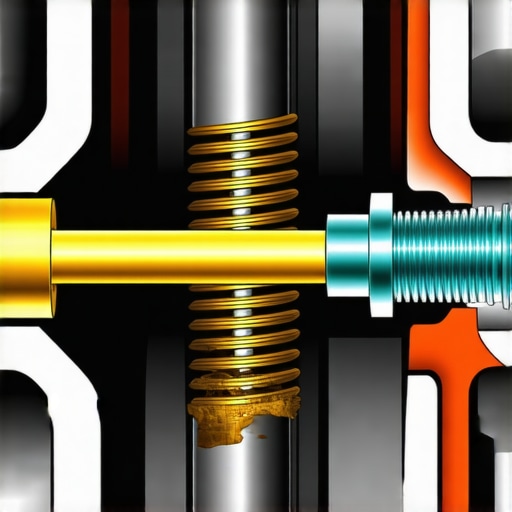
Vibration Dampening Prevents Mechanical Static in Your Sensor Data
The harmonic balancer at the front of your crankshaft does more than just drive your serpentine belt; it absorbs torsional vibrations that could otherwise interfere with the Crankshaft Position Sensor (CKP). If the rubber insulator within the balancer begins to dry rot or slip, the resulting vibration can “blur” the sensor’s reading. This leads to intermittent misfire codes that have nothing to do with the ignition system. Much like a brake service requires checking for rotor runout, a comprehensive engine diagnostic must include an inspection of the harmonic balancer’s alignment. If you see your belt tensioner dancing excessively at idle, it is a clear warning sign that mechanical vibrations are about to become electronic headaches.
Do not let your engine’s performance be governed by “ghost” signals and neglected sensors. By understanding how mechanical health correlates with electronic feedback, you move beyond basic maintenance into the realm of true automotive mastery. Have you ever chased a misfire that ended up being a mechanical vibration? Share your diagnostic journey with us or consult our latest guides to stay ahead of the curve. Precision is the difference between a car that runs and an engine that sings.
Expert Insights & Advanced Considerations
Higher Compression Demands a Colder Plug
Most drivers stick to the OEM part number, but performance-minded owners realize that adding boost or increasing compression requires moving to a “colder” spark plug. A colder plug has a shorter insulator nose that pulls heat away from the tip faster, preventing the plug itself from becoming a glowing source of pre-ignition. This is a level of auto repair nuance that standard maintenance schedules won’t mention. If you are looking for tune-up strategies to save money on auto repairs, choosing the correct heat range prevents catastrophic engine failure before it starts.
Don’t Let Dielectric Grease Kill Your Spark
There is a persistent myth that dielectric grease should be smeared onto the metal contacts. In reality, it is an insulator. Its purpose is to seal the ceramic portion of the plug to prevent flashover and moisture intrusion. Applying it directly to the terminal can increase resistance and lead to the very misfire you were trying to prevent during your tune up. A skilled mechanic you can trust will always apply grease sparingly to the boot’s edge, never the current-carrying path.
Stop Trusting Your Scan Tool Blindly
A generic OBD-II scanner tells you where the computer thinks the problem is, but it cannot see the speed of the electricity. A professional uses a lab scope to look at the ignition “parade.” This reveals the health of the coil’s secondary windings and the duration of the spark—data points that are invisible to a standard code reader. If you want to dive deeper, the 20 scanner that every modern driver should own is a great start, but understanding waveform analysis is the next frontier of automotive mastery.
#IMAGE_PLACEHOLDER_E#
Curated Expert Resources
NGK Spark Plug Technical Archive
This archive offers deep-dive engineering whitepapers on ceramic insulator composition and electrode metallurgy. It is essential for those who want to understand the thermal limits of their ignition system beyond a simple auto repair manual.
The Bosch Automotive Handbook
Considered the global gold standard of vehicle engineering, this handbook provides physics-based explanations for everything from fuel atomization to the electronics of a modern brake service. It is the go-to reference for professional engineers and master technicians alike.
iATN Professional Knowledge Base
The International Automotive Technicians Network provides a peer-reviewed repository of real-world “silver bullet” fixes. It is the best place to see how complex electrical ghosts are exorcised by the industry’s top minds.
Final Expert Perspective
True automotive maintenance is a balance of mechanical precision and electronic verification. Whether you are performing a simple tune up or a complex system overhaul, success lies in the data you collect before you ever pick up a wrench. Understanding the relationship between a physical spark gap and the digital signals of an O2 sensor allows you to diagnose the root cause rather than just treating the symptoms. If you want to keep your vehicle in peak condition, explore our brake service secrets how to boost safety and longevity to ensure your stopping power matches your engine’s performance. What is the most challenging diagnostic puzzle you have ever solved? Join the community discussion below and help us build a better knowledge base for every driver.