
Why a Single Gram of Plastic Can Leave You Stranded
Automotive engineering often hinges on the smallest components, where a single failure point can render a complex mechanical system completely useless. One of the most common yet overlooked failure points in modern automatic transmissions is the shift cable bushing. While a dealership might quote hundreds of dollars for a full cable replacement, experienced technicians know that a simple $6 plastic grommet is often the true culprit behind a shifter that suddenly moves freely without engaging any gears. When this bushing disintegrates—typically due to heat cycles and age—the connection between your shifter and the transmission’s manual lever is severed, leaving the vehicle stuck in Park or Neutral regardless of where you move the lever inside the cabin.
Is your transmission really failing or is it just a linkage disconnect?
Distinguishing between a catastrophic internal transmission failure and a simple linkage issue requires a methodical diagnostic approach. If the shifter handle moves with zero resistance and the dashboard indicator doesn’t change, the problem is almost certainly external. This specific failure is so prevalent that the National Highway Traffic Safety Administration (NHTSA) has documented numerous recalls across various manufacturers for this exact component. Before you authorize an expensive overhaul, ensure your mechanic inspects the transmission-side cable end. It is a classic example of how auto repair cost saving tips from industry insiders can prevent you from falling into the trap of unnecessary part replacements.
Diagnostics That Separate Professionals from Parts-Changers
An expert perspective reveals that the material science behind these bushings is a compromise between vibration dampening and durability. Over time, the petroleum-based lubricants used in the factory can actually accelerate the degradation of certain plastics. If you find your shifter feels loose or inconsistent, it is often a precursor to total failure. This is often the real reason your automatic shifter feels notchy or stuck before it finally gives way. Addressing this during a routine tune up or inspection can save you from a costly tow bill later. Don’t wait for the linkage to snap in a busy parking lot; if you notice a change in shifter tactile feedback, have the bushings inspected immediately to ensure continued vehicle reliability. Have you encountered a shift linkage failure? Share your diagnostic experience with our community of automotive experts below.
The Vacuum Hose That Fools Even Experienced Techs
While the shift bushing is a physical disconnect, internal pressure variations can create a digital or pneumatic disconnect that feels just as catastrophic. In many vehicles designed before the fully electronic era, transmission modulation relied heavily on engine vacuum pressure. A tiny pinhole leak in the 9 dollar vacuum hose that tricked you into a transmission overhaul can cause the gearbox to hold gears far too long or slam into the next ratio with a violent jolt. This isn’t a mechanical internal failure; it is a communication breakdown between the engine load and the transmission valve body. If your car feels like it is struggling to find the right gear while climbing a hill, check the vacuum lines before assuming the clutch packs are burnt. Modern systems have largely replaced these hoses with electronic solenoids, but the principle remains the same: the computer requires perfect data to execute a shift. When that data is corrupted by a faulty input, the 15 dollar sensor that stops your transmission from hunting for gears is often the hero that saves the day.
Could a frayed wire be tricking you into a new gearbox?
The transition from purely mechanical linkages to ‘shift-by-wire’ systems has introduced a new breed of phantom problems. Electrical resistance is the silent enemy of the modern drivetrain. Corrosion on a ground strap can cause the transmission control module (TCM) to reset or send erratic signals to the solenoids, manifesting as ‘slipping’ or a sudden ‘limp mode’ where the car stays in third gear to protect itself. Finding the 15 dollar ground strap fix for mystery electrical gremlins is a hallmark of a high-level diagnostic technician. This is why expert-level diagnostics always begin with a battery and charging system test. A weak alternator can cause lower-than-required voltage, leading the transmission to behave erratically simply because the solenoids lack the ‘punch’ to move the internal valves quickly enough. Professional standards from the National Institute for Automotive Service Excellence (ASE) emphasize that technicians should always verify the integrity of the electrical circuit before condemning the mechanical component it controls.
Reading the Dipstick Like a Forensic Scientist
For vehicles that still utilize a manual checking method, the fluid itself is a biological record of the transmission’s health. You shouldn’t just look at the level; you must analyze the chemistry. Understanding why your transmission fluid is turning black is critical. If the fluid is dark but doesn’t smell like burnt toast, it may simply be saturated with old friction material. However, if you see silver metallic flakes or the fluid has a distinct ‘charred’ odor, internal mechanical damage is likely. For modern ‘sealed’ transmissions, the process is more complex, and knowing how to check your transmission fluid without a dipstick is a vital skill for the DIY enthusiast. This often involves checking a standpipe level at a specific temperature range, usually between 100°F and 120°F, using a scan tool to monitor the internal thermistor.  If you notice a shudder while the engine is under load, consider if why your engine surges while stopped at a light might actually be a torque converter clutch failing to disengage. Drop a comment below with your vehicle’s symptoms if you are unsure whether your shift issues are electrical or mechanical—our community thrives on solving these drivetrain puzzles together.
Why Pulse-Width Modulation Dictates Your Shift Quality
When you dive into the hydraulic brain of the vehicle—the valve body—you encounter the true conductors of the drivetrain orchestra: the solenoids. These are not simple on-off switches. In high-performance or modern 8-speed and 10-speed units, the Transmission Control Module (TCM) utilizes pulse-width modulation (PWM) to feather the application of clutch packs. This ensures the hand-off between gears is seamless rather than a jarring impact. However, this precision comes with a catch. Even a microscopic amount of friction material caught in the solenoid’s mesh screen can disrupt the duty cycle. This causes the computer to overcompensate by ramping up line pressure, leading to a ‘hard shift’ that many drivers mistake for a broken gear. In reality, the computer is often trying to save the transmission from a perceived slip that isn’t actually happening. If you’ve felt these sudden jolts, it’s worth investigating the solenoid health before committing to a rebuild.
Can a failing engine coolant sensor cause transmission shifting problems?
Surprisingly, the answer is a resounding yes. Modern vehicles operate on an interconnected web of data where the TCM relies heavily on the Engine Control Module (ECM) for environmental context. If the coolant temperature sensor sends erratic data, the TCM may believe the engine hasn’t reached operating temperature and will intentionally delay shifts to help the engine warm up faster. This is a strategy designed to reduce emissions, but if the sensor is lying, you’ll experience high-RPM shifts that feel completely out of place. This highlights why high-level diagnostics must look beyond the gearbox itself. Probing the data stream with a bidirectional scan tool allows you to see what the computer ‘thinks’ is happening, which is often very different from the mechanical reality. This is where diagnosing car problems like a pro truly pays off—identifying the ghost in the machine before it costs you thousands.
Don’t Panic When Your Shifter Won’t Budge from Park
Few things are more frustrating than being ready to leave for work only to find your shifter stuck in Park. While your first instinct might be to fear a transmission lock-up, the culprit is frequently the shift interlock solenoid, a safety feature that prevents the car from being shifted out of Park without the brake pedal depressed. This system relies on a signal from the brake light switch. If your brake lights aren’t illuminating when you press the pedal, the interlock won’t release. It is a simple electrical handshake that fails more often than the transmission itself. Many vehicles include a manual override slot—usually a small plastic cover near the shifter—that allows you to bypass the solenoid using a key or screwdriver. Knowing these small mechanical ‘backdoors’ can be the difference between being stranded and making it to your destination on time.
Keep Your Cool or Watch Your Clutch Packs Burn
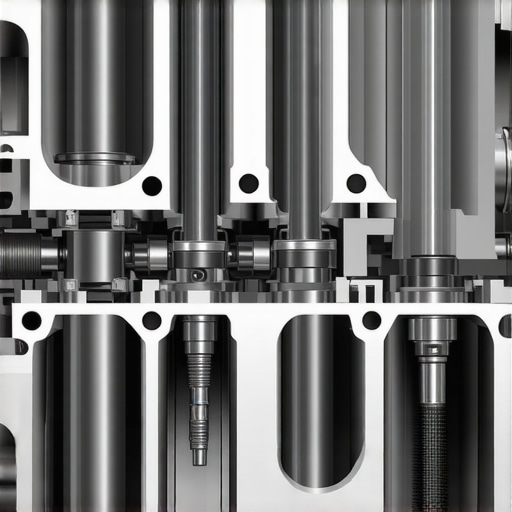
Heat is the undisputed silent killer of automatic transmissions. The Society of Automotive Engineers (SAE) has conducted extensive research showing that for every 20-degree increase in operating temperature above 175°F, the life of the transmission fluid is effectively cut in half. At 240°F, internal seals begin to harden and clutch plates lose their ability to grip. This is why heavy-duty towing packages almost always include an auxiliary transmission cooler. If you live in a hot climate or frequently sit in stop-and-go traffic, your factory cooling system might be struggling. When the fluid overheats, it loses its viscosity and its ability to carry away heat, leading to a runaway thermal event that destroys internal components. Advanced technicians often recommend installing a dedicated thermal bypass valve to ensure the fluid reaches operating temperature quickly while providing maximum cooling capacity when under heavy load. Understanding the specific benefits of a transmission cooler can significantly extend the lifespan of your vehicle’s most expensive assembly. As the fluid circulates through the maze of the valve body, it encounters small check balls that act as one-way valves to control the timing of the shift, and if these seats become worn or the balls themselves shrink from heat…
…if these seats become worn or the balls themselves shrink from heat, the fluid can bypass the intended hydraulic circuit, leading to what technicians call shift overlap. This is a dangerous state where two gear sets engage simultaneously, causing a brief mechanical bind that feels like a sudden brake application. Over time, this erosion on the separator plate becomes so severe that the check ball can actually lodge itself inside the plate, permanently blocking a passage or leaving it wide open.
When Tiny Steel Balls Eat Through Aluminum
In many classic and modern units, the separator plate acts as the ‘map’ for hydraulic pressure. If you are experiencing a consistent flare—where the RPMs spike between second and third gear—the culprit might be the physical wear of these check balls against the plate. This is particularly common in high-mileage vehicles where the fluid hasn’t been changed regularly, allowing suspended particulates to act as an abrasive slurry. High-performance rebuild kits often replace these plastic or steel balls with Torlon alternatives, which are less prone to pounding the aluminum plate into submission. If you’re doing a DIY fluid service, dropping the valve body to inspect this plate is a master-level move that can prevent a total transmission failure down the road.

The Spring-Loaded Secret to Smooth Gear Transitions
Behind the complexity of the solenoids lie the accumulators: small pistons backed by heavy-duty springs that act as hydraulic shock absorbers. When a shift occurs, the accumulator ‘absorbs’ the initial surge of fluid pressure, allowing the clutch pack to engage progressively rather than instantly. A broken accumulator spring is a frequent source of a ‘hammer shift’—a jolt so violent it feels as though the rear differential is about to drop out. High-level diagnostics involves pressure testing these circuits to ensure the springs haven’t fatigued or snapped. According to technical data from the Automatic Transmission Rebuilders Association (ATRA), accumulator bore wear is a primary reason why transmissions fail shortly after a simple fluid change, as the fresh detergents in new fluid can wash away the ‘varnish’ that was helping a worn piston seal.
Can a simple computer reset fix a physical transmission jerk?
While it is tempting to believe a software ‘relearn’ will solve your problems, it is often a temporary mask for mechanical wear. Modern Transmission Control Modules (TCMs) utilize ‘adaptive learning’ to compensate for the natural thinning of clutch frictions over time. The computer tracks the ‘fill time’—the milliseconds it takes for a clutch to apply—and adjusts the pressure solenoids to maintain a consistent shift feel. If you reset these adaptions without addressing a physical leak or a failing solenoid, the car may shift beautifully for fifty miles before the ‘jerk’ returns. The computer is simply re-learning that it needs more pressure to overcome the mechanical deficiency. True experts use scan tool data to look at ‘tap cells’ or adaptation values; if these numbers are at their maximum limit, no amount of software updates will save the gearbox from a physical tear-down.
Why Your Car’s Brain Learns Bad Habits
The interconnectedness of modern vehicles means that the transmission isn’t just listening to the engine; it is watching your driving style. If you are a ‘two-foot’ driver who touches the brake while the gas is applied, or if you frequently jump from the throttle to the brake in heavy traffic, the TCM can become ‘confused,’ leading to erratic shift points and premature clutch wear. This digital fatigue is a byproduct of the shift-by-wire era. Ensuring your brake service includes a check of the pedal position sensor is vital, as a dragging signal can prevent the torque converter from locking up, leading to excessive heat. Have you noticed your car shifting differently after a long road trip or a change in drivers? Let us know in the comments how your vehicle’s ‘personality’ has shifted over time.
Expert Insights & Advanced Considerations
Stop Guessing with a Line Pressure Gauge
Relying solely on electronic codes is a common amateur mistake. Real technicians use a mechanical pressure gauge to verify the hydraulic health of the pump and the regulator valve. This distinguishes between a command issue (electrical) and a performance issue (mechanical). For instance, learning how to tell if your transmission slip is actually a 15 dollar electrical issue can save you from a multi-thousand dollar rebuild when the pump is actually producing perfect pressure. External pressure ports allow you to see the real-time response to solenoid commands, bypassing potential sensor lag or computer reporting errors.
Thermal Bypass Valves are Your Transmissions Best Friend
Installing an auxiliary cooler is only half the battle. In colder climates, a transmission that stays too cool will never burn off internal moisture, leading to contaminated fluid and internal corrosion. A thermal bypass valve ensures the fluid stays within the 175°F to 200°F sweet spot for maximum longevity and shift quality. This professional-grade addition allows the fluid to bypass the cooler until it reaches operating temperature, ensuring that your shift quality remains consistent from the moment you leave the driveway. This is a critical component for those who prioritize expert tips for optimal performance over basic maintenance routines.
Why a Software Reset Wont Fix a Burnt Clutch
TCM adaptive learning is designed to hide wear, not fix it. When a technician resets the adaptives, they are often just resetting the clock on an inevitable failure. This is why mechanic tips for diagnosing common auto problems emphasize looking at physical data first—like check ball wear—before touching the computer. If the mechanical clearance in a clutch pack is out of spec, no amount of software calibration will restore the original shift feel. Digital adjustments should only be performed after the physical hydraulics have been verified or repaired.
#IMAGE_PLACEHOLDER_E#
Curated Expert Resources
Sonnax Technical Library: This is the industry gold standard for understanding valve body wear and finding bulletproof aftermarket fixes for common factory flaws. Their documentation on vacuum testing valve bodies is essential for high-level diagnostics. ATSG (Automatic Transmission Service Group): Their tech manuals provide the specific hydraulic flow charts necessary for tracking down pressure losses in complex 8-speed and 10-speed units. MOTOR Magazine: This publication is excellent for real-world case studies on ghost problems that defy standard diagnostic trees, often focusing on the intersection of engine and transmission data streams.
Final Expert Perspective
Mastering the complexities of modern drivetrains requires moving beyond the replace-the-whole-unit mentality. By focusing on small components like the 18 dollar accumulator spring fix for hard shifting or identifying simple sensor failures, you maintain both the performance and the value of your vehicle. Whether you are performing a routine tune up or tackling a complex shift issue, precision diagnostics always trump guesswork. Professional results are achieved when you stop looking for a magic fluid and start looking for the mechanical truth inside the case. If you have discovered a clever fix for a stubborn gear issue, or if you have questions about a specific shift-by-wire failure, join the discussion below—your technical insights help keep our community of drivers and technicians ahead of the curve.