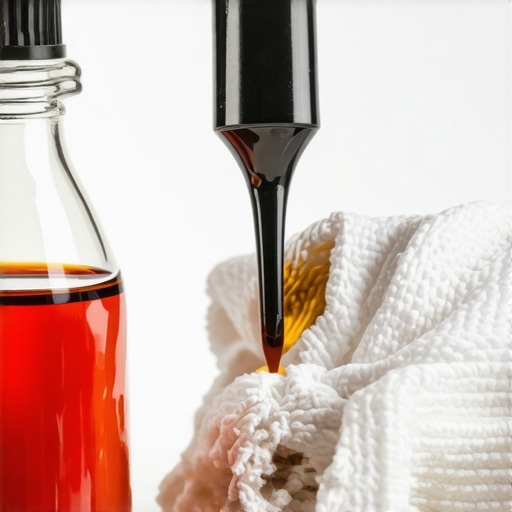
Most drivers view transmission fluid through a binary lens: it is either pink or it is bad. However, as an experienced mechanic, I can tell you that the transition to black is a forensic map of your vehicle’s internal health. Automatic transmission fluid (ATF) serves multiple master roles, acting as a hydraulic medium, a coolant, and a high-pressure lubricant. When it loses its translucency and transforms into a dark, scorched liquid, you are not just looking at dirt; you are looking at the chemical remains of a failing system. This oxidation process is often the silent precursor to total gearbox failure.
Thermal Stress and the Chemical Breakdown of ATF
Heat is the primary catalyst for fluid oxidation. For every 20-degree increase above the optimal operating temperature (usually around 175°F), the functional lifespan of your ATF is effectively halved. When the fluid reaches a state of thermal distress, the organic compounds within the additive package begin to carbonize. This chemical breakdown is the most common reason for auto repair involving transmission slippage. If your vehicle lacks a traditional dipstick, it is vital to learn how to check your transmission fluid without a dipstick before the fluid loses its ability to protect the planetary gears. Excessive heat often stems from towing beyond capacity, aggressive city driving, or a failing cooling system, turning your vibrant fluid into a sludge that can no longer dissipate heat effectively.
Friction Material Ingress and Internal Clutch Wear
It is not just heat that changes the color of your fluid; it is also the physical debris from internal components. Transmission assemblies rely on complex clutch packs coated in a specialized friction material. Over thousands of cycles, this material microscopically wears away and becomes suspended in the fluid. While a slight darkening is normal over a 50,000-mile interval, jet-black fluid usually indicates that the clutches are burning or disintegrating. At this stage, a standard tune up is rarely sufficient. In fact, many experts argue that transmission flushes are a waste of money once the fluid has reached this level of degradation, as the grit in the old fluid may be the only thing providing enough friction for the worn clutches to grab.
Does “Lifetime Fluid” Actually Exist in the Real World?
The short answer from a professional perspective is a resounding no. Manufacturers often define “lifetime” as the duration of the factory warranty period, typically 60,000 to 100,000 miles. According to technical research published by SAE International, the shear stability and anti-shudder properties of ATF degrade significantly long before the vehicle reaches its second decade of service. Relying on the “lifetime” label often leads to “ghost shifting” or hunting for gears on the highway. If you have noticed erratic shifting behavior, you might also want to check the 20-dollar fix for a sticking gear shifter to see if the issue is mechanical or fluid-based.
The Connection Between Fluid Health and Driving Safety
Neglecting the fluids in your vehicle creates a domino effect of safety risks. Just as black transmission fluid signals an impending breakdown, dark or murky brake fluid indicates moisture contamination that can lead to brake fade. Maintaining a strict brake service schedule is just as critical as monitoring your transmission. You can visually inspect your stopping system’s health by using the brake fluid color chart to determine if your master cylinder is at risk. Ensuring all hydraulic systems are clean and functional is the only way to guarantee the long-term reliability of your car. If you are unsure about the state of your vehicle’s fluids, feel free to contact our team for professional guidance on specialized maintenance.
When Varnish Becomes a Silent Gearbox Assassin
The darkening of ATF is more than a simple pigment change; it represents the birth of varnish—a sticky, resinous byproduct of prolonged oxidation. This substance acts like a slow-moving poison within the valve body, coating the delicate electronic solenoids that manage shift timing and fluid pressure. When these components get “gummed up,” you might notice your vehicle hesitating or hunting for gears on the highway as the computer struggles to push fluid through narrowed, sticky passages. Unlike simple dirt, varnish cannot be easily filtered out; it adheres to internal metal surfaces and requires specialized chemical detergents to break down. If you ignore this stage of degradation, the increased mechanical resistance often causes even a simple bushing that fixes a sloppy gear shifter to feel completely irrelevant because the internal hydraulic logic is already compromised by sludge.
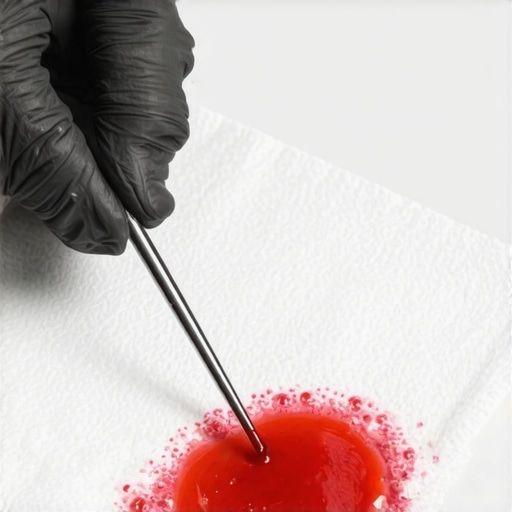
Can a Simple Sensor Swap Save a Sludging Transmission?
Many drivers hope that a faulty electrical component is to blame when they experience erratic shifting. While a quick diagnostic check with the $20 scanner that every modern driver should own might reveal codes for pressure irregularities or torque converter clutch slip, these are often symptoms of the black fluid rather than the primary cause. As the fluid loses its design viscosity, the internal pressure drops below the threshold required to hold gear sets in place, causing the onboard sensors to report errors. A professional mechanic will look beyond the digital code to see if the fluid has a metallic shimmer—a definitive sign of catastrophic planetary gear wear. According to technical data from the Automatic Transmission Rebuilders Association (ATRA), over 90% of all automatic transmission failures are directly attributed to overheating and subsequent fluid breakdown, emphasizing that a code for a “bad sensor” is frequently just a cry for help from a starved and overheating hydraulic circuit.
The Burnt Toast Scent and What It Reveals
Beyond sight, your sense of smell serves as a high-accuracy diagnostic tool in the garage. Healthy ATF should have a slightly sweet, oily, or neutral odor. However, once the fluid turns jet black and begins to smell like burnt toast or acrid smoke, it confirms that the internal friction plates have reached their “char” point and are likely shedding material. At this stage, you may find that your transmission slips only when cold as the internal seals have hardened and lost their ability to hold pressure until they expand with heat. This thermal hardening is usually irreversible; once the rubber seals inside the drum assemblies become brittle from contact with scorched fluid, they will eventually leak internally, leading to a total loss of drive capability. To avoid being caught off guard by a failing system, check out our guide on how to check your transmission fluid without a dipstick to catch these odors before the damage is permanent.
Why Digital Tools Are Your First Line of Defense
In the modern era of auto repair, we no longer rely solely on the “drop-and-fill” method to manage vehicle health. Advanced digital diagnostics now allow us to monitor transmission fluid temperature and pressure in real-time while driving, helping to identify why the oxidation is happening so rapidly in the first place. Perhaps a blocked external cooler line or a malfunctioning cooling fan is the culprit. Proactive monitoring is the only way to prevent the fluid from reaching that dreaded black state. If you have noticed your car shifting differently or if you have found suspicious spots in your driveway, we encourage you to share your experiences in the comments section below or continue your education by reading our expert breakdown on auto repair cost-saving tips to see how early fluid intervention can save you thousands in mechanical rebuild costs.
Why Your Torque Converter is a Secret Heat Factory
While most drivers focus on the gears themselves, the torque converter is often where the most violent thermal degradation of ATF begins. This fluid-coupling device uses a spinning impeller to throw fluid at a turbine, creating the hydraulic link between the engine and the transmission. During periods of high slip—such as stop-and-go traffic or pulling a heavy trailer—the sheer friction of fluid molecules rubbing against each other at high velocities generates extreme localized heat. This is known as ‘shear thinning.’ When the fluid is whipped at these high speeds without adequate cooling, the long-chain polymers that provide viscosity begin to snap. As an experienced mechanic, I often see fluid that looks decent on the dipstick but reveals its true, scorched nature once drained from the converter. If you suspect your cooling system is struggling, checking for signs of a clogged transmission cooler is a vital step in stopping the oxidation cycle before it turns your fluid into a useless, watery black mess.
Reading the Glitter to Identify Internal Metal Failure
When you drop the transmission pan to investigate black fluid, you must look for more than just color; you must look for ‘glitter.’ It is normal to find a fine, greyish silt on the pan magnet—this is the result of standard break-in wear. However, if the fluid has a shimmering, metallic appearance or contains silver flakes, you are witnessing the literal disintegration of your planetary carrier or sun gears. This type of contamination is far more severe than simple oxidation. According to technical documentation from the Society of Tribologists and Lubricant Engineers (STLE), metallic particulate acts as a catalyst, accelerating the chemical breakdown of the remaining oil by providing a surface for oxidative reactions to occur more rapidly. If you’ve discovered metal shavings in your pan, check out our guide on transmission rebuild vs. replacement costs to weigh your financial options before the vehicle leaves you stranded on the shoulder.
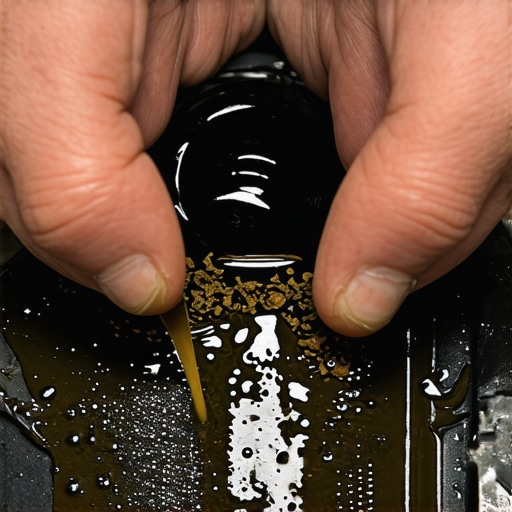
Does jet-black fluid always mean a total transmission rebuild is necessary?
This is perhaps the most debated question in the auto repair world. The answer depends entirely on the presence of debris and the smell of the fluid. If the fluid is black but lacks a burnt odor and is free of metallic flakes, a series of drain-and-fill procedures (not a high-pressure flush) might save the unit by slowly reintroducing detergents. However, if the fluid smells like an electrical fire, the friction material has likely already charred and separated from the clutch discs. In this scenario, changing the fluid can actually cause the transmission to stop moving entirely, as the new, high-detergent fluid washes away the remaining friction grit that was helping the worn clutches grab. It is a delicate balance that requires a professional tune up and diagnostic approach to determine if the internal seals can still hold the pressure required for operation.
How Aeration Turns Your Oil into a Weak Foam
Another often-overlooked factor in fluid darkening is aeration. If the fluid level is too high or if there is a leak in the intake pipe of the transmission pump, air is sucked into the system. This creates a foamy mixture that is easily compressed, unlike pure hydraulic fluid. When air bubbles are subjected to the high-pressure environment of the valve body, they undergo ‘adiabatic compression,’ which generates intense heat at the bubble’s interface. This micro-level scorching rapidly turns the fluid black and prevents the brake service-like precision required for smooth shifting. To see if your fluid is aerated, pull the dipstick while the engine is running; if you see tiny bubbles or a milky texture, you are dealing with a mechanical suction issue that no amount of new fluid will fix without addressing the underlying air leak.
Most drivers view transmission fluid through a binary lens: it is either pink or it is bad. However, as an experienced mechanic, I can tell you that the transition to black is a forensic map of your vehicle’s internal health. Automatic transmission fluid (ATF) serves multiple master roles, acting as a hydraulic medium, a coolant, and a high-pressure lubricant. When it loses its translucency and transforms into a dark, scorched liquid, you are not just looking at dirt; you are looking at the chemical remains of a failing system. This oxidation process is often the silent precursor to total gearbox failure.
Thermal Stress and the Chemical Breakdown of ATF
Heat is the primary catalyst for fluid oxidation. For every 20-degree increase above the optimal operating temperature (usually around 175°F), the functional lifespan of your ATF is effectively halved. When the fluid reaches a state of thermal distress, the organic compounds within the additive package begin to carbonize. This chemical breakdown is the most common reason for auto repair involving transmission slippage. If your vehicle lacks a traditional dipstick, it is vital to learn how to check your transmission fluid without a dipstick before the fluid loses its ability to protect the planetary gears. Excessive heat often stems from towing beyond capacity, aggressive city driving, or a failing cooling system, turning your vibrant fluid into a sludge that can no longer dissipate heat effectively.
Friction Material Ingress and Internal Clutch Wear
It is not just heat that changes the color of your fluid; it is also the physical debris from internal components. Transmission assemblies rely on complex clutch packs coated in a specialized friction material. Over thousands of cycles, this material microscopically wears away and becomes suspended in the fluid. While a slight darkening is normal over a 50,000-mile interval, jet-black fluid usually indicates that the clutches are burning or disintegrating. At this stage, a standard tune up is rarely sufficient. In fact, many experts argue that transmission flushes are a waste of money once the fluid has reached this level of degradation, as the grit in the old fluid may be the only thing providing enough friction for the worn clutches to grab.
Does “Lifetime Fluid” Actually Exist in the Real World?
The short answer from a professional perspective is a resounding no. Manufacturers often define “lifetime” as the duration of the factory warranty period, typically 60,000 to 100,000 miles. According to technical research published by SAE International, the shear stability and anti-shudder properties of ATF degrade significantly long before the vehicle reaches its second decade of service. Relying on the “lifetime” label often leads to “ghost shifting” or hunting for gears on the highway. If you have noticed erratic shifting behavior, you might also want to check the 20-dollar fix for a sticking gear shifter to see if the issue is mechanical or fluid-based.
The Connection Between Fluid Health and Driving Safety
Neglecting the fluids in your vehicle creates a domino effect of safety risks. Just as black transmission fluid signals an impending breakdown, dark or murky brake fluid indicates moisture contamination that can lead to brake fade. Maintaining a strict brake service schedule is just as critical as monitoring your transmission. You can visually inspect your stopping system’s health by using the brake fluid color chart to determine if your master cylinder is at risk. Ensuring all hydraulic systems are clean and functional is the only way to guarantee the long-term reliability of your car. If you are unsure about the state of your vehicle’s fluids, feel free to contact our team for professional guidance on specialized maintenance.
When Varnish Becomes a Silent Gearbox Assassin
The darkening of ATF is more than a simple pigment change; it represents the birth of varnish—a sticky, resinous byproduct of prolonged oxidation. This substance acts like a slow-moving poison within the valve body, coating the delicate electronic solenoids that manage shift timing and fluid pressure. When these components get “gummed up,” you might notice your vehicle hesitating or hunting for gears on the highway as the computer struggles to push fluid through narrowed, sticky passages. Unlike simple dirt, varnish cannot be easily filtered out; it adheres to internal metal surfaces and requires specialized chemical detergents to break down. If you ignore this stage of degradation, the increased mechanical resistance often causes even a simple bushing that fixes a sloppy gear shifter to feel completely irrelevant because the internal hydraulic logic is already compromised by sludge.
Can a Simple Sensor Swap Save a Sludging Transmission?
Many drivers hope that a faulty electrical component is to blame when they experience erratic shifting. While a quick diagnostic check with the $20 scanner that every modern driver should own might reveal codes for pressure irregularities or torque converter clutch slip, these are often symptoms of the black fluid rather than the primary cause. As the fluid loses its design viscosity, the internal pressure drops below the threshold required to hold gear sets in place, causing the onboard sensors to report errors. A professional mechanic will look beyond the digital code to see if the fluid has a metallic shimmer—a definitive sign of catastrophic planetary gear wear. According to technical data from the Automatic Transmission Rebuilders Association (ATRA), over 90% of all automatic transmission failures are directly attributed to overheating and subsequent fluid breakdown, emphasizing that a code for a “bad sensor” is frequently just a cry for help from a starved and overheating hydraulic circuit.
The Burnt Toast Scent and What It Reveals
Beyond sight, your sense of smell serves as a high-accuracy diagnostic tool in the garage. Healthy ATF should have a slightly sweet, oily, or neutral odor. However, once the fluid turns jet black and begins to smell like burnt toast or acrid smoke, it confirms that the internal friction plates have reached their “char” point and are likely shedding material. At this stage, you may find that your transmission slips only when cold as the internal seals have hardened and lost their ability to hold pressure until they expand with heat. This thermal hardening is usually irreversible; once the rubber seals inside the drum assemblies become brittle from contact with scorched fluid, they will eventually leak internally, leading to a total loss of drive capability. To avoid being caught off guard by a failing system, check out our guide on how to check your transmission fluid without a dipstick to catch these odors before the damage is permanent.
Why Digital Tools Are Your First Line of Defense
In the modern era of auto repair, we no longer rely solely on the “drop-and-fill” method to manage vehicle health. Advanced digital diagnostics now allow us to monitor transmission fluid temperature and pressure in real-time while driving, helping to identify why the oxidation is happening so rapidly in the first place. Perhaps a blocked external cooler line or a malfunctioning cooling fan is the culprit. Proactive monitoring is the only way to prevent the fluid from reaching that dreaded black state. If you have noticed your car shifting differently or if you have found suspicious spots in your driveway, we encourage you to share your experiences in the comments section below or continue your education by reading our expert breakdown on auto repair cost-saving tips to see how early fluid intervention can save you thousands in mechanical rebuild costs.
Why Your Torque Converter is a Secret Heat Factory
While most drivers focus on the gears themselves, the torque converter is often where the most violent thermal degradation of ATF begins. This fluid-coupling device uses a spinning impeller to throw fluid at a turbine, creating the hydraulic link between the engine and the transmission. During periods of high slip—such as stop-and-go traffic or pulling a heavy trailer—the sheer friction of fluid molecules rubbing against each other at high velocities generates extreme localized heat. This is known as ‘shear thinning.’ When the fluid is whipped at these high speeds without adequate cooling, the long-chain polymers that provide viscosity begin to snap. As an experienced mechanic, I often see fluid that looks decent on the dipstick but reveals its true, scorched nature once drained from the converter. If you suspect your cooling system is struggling, checking for signs of a clogged transmission cooler is a vital step in stopping the oxidation cycle before it turns your fluid into a useless, watery black mess.
Reading the Glitter to Identify Internal Metal Failure
When you drop the transmission pan to investigate black fluid, you must look for more than just color; you must look for ‘glitter.’ It is normal to find a fine, greyish silt on the pan magnet—this is the result of standard break-in wear. However, if the fluid has a shimmering, metallic appearance or contains silver flakes, you are witnessing the literal disintegration of your planetary carrier or sun gears. This type of contamination is far more severe than simple oxidation. According to technical documentation from the Society of Tribologists and Lubricant Engineers (STLE), metallic particulate acts as a catalyst, accelerating the chemical breakdown of the remaining oil by providing a surface for oxidative reactions to occur more rapidly. If you’ve discovered metal shavings in your pan, check out our guide on transmission rebuild vs. replacement costs to weigh your financial options before the vehicle leaves you stranded on the shoulder.
Does jet-black fluid always mean a total transmission rebuild is necessary?
This is perhaps the most debated question in the auto repair world. The answer depends entirely on the presence of debris and the smell of the fluid. If the fluid is black but lacks a burnt odor and is free of metallic flakes, a series of drain-and-fill procedures (not a high-pressure flush) might save the unit by slowly reintroducing detergents. However, if the fluid smells like an electrical fire, the friction material has likely already charred and separated from the clutch discs. In this scenario, changing the fluid can actually cause the transmission to stop moving entirely, as the new, high-detergent fluid washes away the remaining friction grit that was helping the worn clutches grab. It is a delicate balance that requires a professional tune up and diagnostic approach to determine if the internal seals can still hold the pressure required for operation.
How Aeration Turns Your Oil into a Weak Foam
Another often-overlooked factor in fluid darkening is aeration. If the fluid level is too high or if there is a leak in the intake pipe of the transmission pump, air is sucked into the system. This creates a foamy mixture that is easily compressed, unlike pure hydraulic fluid. When air bubbles are subjected to the high-pressure environment of the valve body, they undergo ‘adiabatic compression,’ which generates intense heat at the bubble’s interface. This micro-level scorching rapidly turns the fluid black and prevents the brake service-like precision required for smooth shifting. To see if your fluid is aerated, pull the dipstick while the engine is running; if you see tiny bubbles or a milky texture, you are dealing with a mechanical suction issue that no amount of new fluid will fix without addressing the underlying air leak.
When Solenoid Latency Becomes a Shift Timing Nightmare
The interaction between fluid chemistry and electronic solenoid performance is the final frontier of transmission health. Modern transmissions utilize Pulse Width Modulation (PWM) to control hydraulic pressure with millisecond precision. When ATF oxidizes into a black, viscous sludge, the solenoid plungers face increased physical resistance. This phenomenon, known as solenoid latency, causes a delay between the computer’s command and the actual engagement of the gear. According to service literature from ZF Friedrichshafen AG, even high-performance multi-plate clutch systems require specific friction coefficients that only clean, unoxidized fluid can provide. If the fluid is compromised, the computer’s adaptive learning logic may attempt to compensate by increasing line pressure, which only accelerates the wear on internal seals and further darkens the fluid through sheer heat.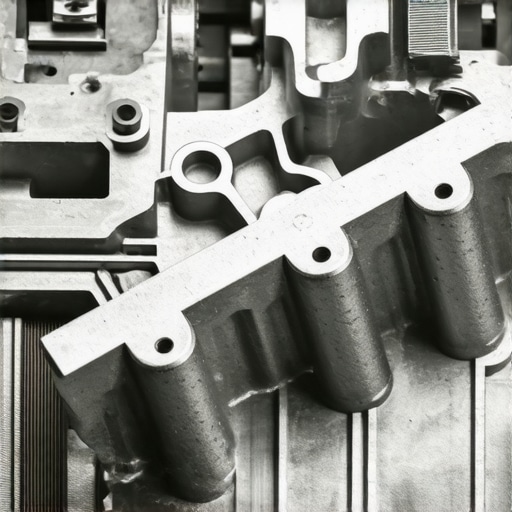
Synthetic Shielding Against High-Temp Shear Failure
While conventional fluids often succumb to oxidation at lower thresholds, full synthetic ATF is engineered with robust molecular chains that resist shear thinning. This resistance is vital for modern vehicles equipped with many gears and smaller fluid reservoirs. In these compact units, the fluid is worked harder than ever before, making the transition to a black color happen significantly faster if a lower-grade mineral oil is used. High-quality synthetics contain advanced antioxidants and detergents that keep the varnish in suspension, preventing it from baking onto the metal surfaces. If you have already noticed a slight change in fluid hue, performing a series of drain-and-fill cycles with a high-spec synthetic can often stabilize the system’s chemistry. If you are witnessing these symptoms, don’t wait for a total failure; explore our advanced diagnostic troubleshooting to pinpoint the exact pressure loss before pulling the pan and facing a massive bill.
Most drivers view transmission fluid through a binary lens: it is either pink or it is bad. However, as an experienced mechanic, I can tell you that the transition to black is a forensic map of your vehicle’s internal health. Automatic transmission fluid (ATF) serves multiple master roles, acting as a hydraulic medium, a coolant, and a high-pressure lubricant. When it loses its translucency and transforms into a dark, scorched liquid, you are not just looking at dirt; you are looking at the chemical remains of a failing system. This oxidation process is often the silent precursor to total gearbox failure.
Thermal Stress and the Chemical Breakdown of ATF
Heat is the primary catalyst for fluid oxidation. For every 20-degree increase above the optimal operating temperature (usually around 175°F), the functional lifespan of your ATF is effectively halved. When the fluid reaches a state of thermal distress, the organic compounds within the additive package begin to carbonize. This chemical breakdown is the most common reason for auto repair involving transmission slippage. If your vehicle lacks a traditional dipstick, it is vital to learn how to check your transmission fluid without a dipstick before the fluid loses its ability to protect the planetary gears. Excessive heat often stems from towing beyond capacity, aggressive city driving, or a failing cooling system, turning your vibrant fluid into a sludge that can no longer dissipate heat effectively.
Friction Material Ingress and Internal Clutch Wear
It is not just heat that changes the color of your fluid; it is also the physical debris from internal components. Transmission assemblies rely on complex clutch packs coated in a specialized friction material. Over thousands of cycles, this material microscopically wears away and becomes suspended in the fluid. While a slight darkening is normal over a 50,000-mile interval, jet-black fluid usually indicates that the clutches are burning or disintegrating. At this stage, a standard tune up is rarely sufficient. In fact, many experts argue that transmission flushes are a waste of money once the fluid has reached this level of degradation, as the grit in the old fluid may be the only thing providing enough friction for the worn clutches to grab.
Does “Lifetime Fluid” Actually Exist in the Real World?
The short answer from a professional perspective is a resounding no. Manufacturers often define “lifetime” as the duration of the factory warranty period, typically 60,000 to 100,000 miles. According to technical research published by SAE International, the shear stability and anti-shudder properties of ATF degrade significantly long before the vehicle reaches its second decade of service. Relying on the “lifetime” label often leads to “ghost shifting” or hunting for gears on the highway. If you have noticed erratic shifting behavior, you might also want to check the 20-dollar fix for a sticking gear shifter to see if the issue is mechanical or fluid-based.
The Connection Between Fluid Health and Driving Safety
Neglecting the fluids in your vehicle creates a domino effect of safety risks. Just as black transmission fluid signals an impending breakdown, dark or murky brake fluid indicates moisture contamination that can lead to brake fade. Maintaining a strict brake service schedule is just as critical as monitoring your transmission. You can visually inspect your stopping system’s health by using the brake fluid color chart to determine if your master cylinder is at risk. Ensuring all hydraulic systems are clean and functional is the only way to guarantee the long-term reliability of your car. If you are unsure about the state of your vehicle’s fluids, feel free to contact our team for professional guidance on specialized maintenance.
When Varnish Becomes a Silent Gearbox Assassin
The darkening of ATF is more than a simple pigment change; it represents the birth of varnish—a sticky, resinous byproduct of prolonged oxidation. This substance acts like a slow-moving poison within the valve body, coating the delicate electronic solenoids that manage shift timing and fluid pressure. When these components get “gummed up,” you might notice your vehicle hesitating or hunting for gears on the highway as the computer struggles to push fluid through narrowed, sticky passages. Unlike simple dirt, varnish cannot be easily filtered out; it adheres to internal metal surfaces and requires specialized chemical detergents to break down. If you ignore this stage of degradation, the increased mechanical resistance often causes even a simple bushing that fixes a sloppy gear shifter to feel completely irrelevant because the internal hydraulic logic is already compromised by sludge.
Can a Simple Sensor Swap Save a Sludging Transmission?
Many drivers hope that a faulty electrical component is to blame when they experience erratic shifting. While a quick diagnostic check with the $20 scanner that every modern driver should own might reveal codes for pressure irregularities or torque converter clutch slip, these are often symptoms of the black fluid rather than the primary cause. As the fluid loses its design viscosity, the internal pressure drops below the threshold required to hold gear sets in place, causing the onboard sensors to report errors. A professional mechanic will look beyond the digital code to see if the fluid has a metallic shimmer—a definitive sign of catastrophic planetary gear wear. According to technical data from the Automatic Transmission Rebuilders Association (ATRA), over 90% of all automatic transmission failures are directly attributed to overheating and subsequent fluid breakdown, emphasizing that a code for a “bad sensor” is frequently just a cry for help from a starved and overheating hydraulic circuit.
The Burnt Toast Scent and What It Reveals
Beyond sight, your sense of smell serves as a high-accuracy diagnostic tool in the garage. Healthy ATF should have a slightly sweet, oily, or neutral odor. However, once the fluid turns jet black and begins to smell like burnt toast or acrid smoke, it confirms that the internal friction plates have reached their “char” point and are likely shedding material. At this stage, you may find that your transmission slips only when cold as the internal seals have hardened and lost their ability to hold pressure until they expand with heat. This thermal hardening is usually irreversible; once the rubber seals inside the drum assemblies become brittle from contact with scorched fluid, they will eventually leak internally, leading to a total loss of drive capability. To avoid being caught off guard by a failing system, check out our guide on how to check your transmission fluid without a dipstick to catch these odors before the damage is permanent.
Why Digital Tools Are Your First Line of Defense
In the modern era of auto repair, we no longer rely solely on the “drop-and-fill” method to manage vehicle health. Advanced digital diagnostics now allow us to monitor transmission fluid temperature and pressure in real-time while driving, helping to identify why the oxidation is happening so rapidly in the first place. Perhaps a blocked external cooler line or a malfunctioning cooling fan is the culprit. Proactive monitoring is the only way to prevent the fluid from reaching that dreaded black state. If you have noticed your car shifting differently or if you have found suspicious spots in your driveway, we encourage you to share your experiences in the comments section below or continue your education by reading our expert breakdown on auto repair cost-saving tips to see how early fluid intervention can save you thousands in mechanical rebuild costs.
Why Your Torque Converter is a Secret Heat Factory
While most drivers focus on the gears themselves, the torque converter is often where the most violent thermal degradation of ATF begins. This fluid-coupling device uses a spinning impeller to throw fluid at a turbine, creating the hydraulic link between the engine and the transmission. During periods of high slip—such as stop-and-go traffic or pulling a heavy trailer—the sheer friction of fluid molecules rubbing against each other at high velocities generates extreme localized heat. This is known as ‘shear thinning.’ When the fluid is whipped at these high speeds without adequate cooling, the long-chain polymers that provide viscosity begin to snap. As an experienced mechanic, I often see fluid that looks decent on the dipstick but reveals its true, scorched nature once drained from the converter. If you suspect your cooling system is struggling, checking for signs of a clogged transmission cooler is a vital step in stopping the oxidation cycle before it turns your fluid into a useless, watery black mess.
Reading the Glitter to Identify Internal Metal Failure
When you drop the transmission pan to investigate black fluid, you must look for more than just color; you must look for ‘glitter.’ It is normal to find a fine, greyish silt on the pan magnet—this is the result of standard break-in wear. However, if the fluid has a shimmering, metallic appearance or contains silver flakes, you are witnessing the literal disintegration of your planetary carrier or sun gears. This type of contamination is far more severe than simple oxidation. According to technical documentation from the Society of Tribologists and Lubricant Engineers (STLE), metallic particulate acts as a catalyst, accelerating the chemical breakdown of the remaining oil by providing a surface for oxidative reactions to occur more rapidly. If you’ve discovered metal shavings in your pan, check out our guide on transmission rebuild vs. replacement costs to weigh your financial options before the vehicle leaves you stranded on the shoulder.
Does jet-black fluid always mean a total transmission rebuild is necessary?
This is perhaps the most debated question in the auto repair world. The answer depends entirely on the presence of debris and the smell of the fluid. If the fluid is black but lacks a burnt odor and is free of metallic flakes, a series of drain-and-fill procedures (not a high-pressure flush) might save the unit by slowly reintroducing detergents. However, if the fluid smells like an electrical fire, the friction material has likely already charred and separated from the clutch discs. In this scenario, changing the fluid can actually cause the transmission to stop moving entirely, as the new, high-detergent fluid washes away the remaining friction grit that was helping the worn clutches grab. It is a delicate balance that requires a professional tune up and diagnostic approach to determine if the internal seals can still hold the pressure required for operation.
How Aeration Turns Your Oil into a Weak Foam
Another often-overlooked factor in fluid darkening is aeration. If the fluid level is too high or if there is a leak in the intake pipe of the transmission pump, air is sucked into the system. This creates a foamy mixture that is easily compressed, unlike pure hydraulic fluid. When air bubbles are subjected to the high-pressure environment of the valve body, they undergo ‘adiabatic compression,’ which generates intense heat at the bubble’s interface. This micro-level scorching rapidly turns the fluid black and prevents the brake service-like precision required for smooth shifting. To see if your fluid is aerated, pull the dipstick while the engine is running; if you see tiny bubbles or a milky texture, you are dealing with a mechanical suction issue that no amount of new fluid will fix without addressing the underlying air leak.
When Solenoid Latency Becomes a Shift Timing Nightmare
The interaction between fluid chemistry and electronic solenoid performance is the final frontier of transmission health. Modern transmissions utilize Pulse Width Modulation (PWM) to control hydraulic pressure with millisecond precision. When ATF oxidizes into a black, viscous sludge, the solenoid plungers face increased physical resistance. This phenomenon, known as solenoid latency, causes a delay between the computer’s command and the actual engagement of the gear. According to service literature from ZF Friedrichshafen AG, even high-performance multi-plate clutch systems require specific friction coefficients that only clean, unoxidized fluid can provide. If the fluid is compromised, the computer’s adaptive learning logic may attempt to compensate by increasing line pressure, which only accelerates the wear on internal seals and further darkens the fluid through sheer heat.
Synthetic Shielding Against High-Temp Shear Failure
While conventional fluids often succumb to oxidation at lower thresholds, full synthetic ATF is engineered with robust molecular chains that resist shear thinning. This resistance is vital for modern vehicles equipped with many gears and smaller fluid reservoirs. In these compact units, the fluid is worked harder than ever before, making the transition to a black color happen significantly faster if a lower-grade mineral oil is used. High-quality synthetics contain advanced antioxidants and detergents that keep the varnish in suspension, preventing it from baking onto the metal surfaces. If you have already noticed a slight change in fluid hue, performing a series of drain-and-fill cycles with a high-spec synthetic can often stabilize the system’s chemistry. If you are witnessing these symptoms, don’t wait for a total failure; explore our advanced diagnostic troubleshooting to pinpoint the exact pressure loss before pulling the pan and facing a massive bill.
Expert Insights & Advanced Considerations
Why Fresh Fluid Can Paralyze a Dying Gearbox
One of the most misunderstood phenomena in auto repair is why a transmission might fail immediately after a service. When fluid is jet-black, it often contains suspended friction material from the clutches. A well-meaning mechanic who performs a flush might inadvertently remove the very grit that was allowing worn clutches to grab. In these high-mileage cases, a strategic tune up involving a simple pan drop is often safer than a high-pressure exchange. For more on making the right call, see our mechanic tips for diagnosing common auto problems.
Upgrade to External Cooling for Long-Term Survival
Standard cooling systems often keep fluid at a ‘safe’ 200°F, but for every 20-degree drop you achieve with an external cooler, you essentially double the life of the internal seals. Much like a proactive brake service, installing an auxiliary cooler is a low-cost insurance policy against the thermal oxidation that turns ATF black. You can find more cost-saving advice in our guide on tune up strategies to save money on auto repairs.
Leverage Digital Pressure Logs for Preemptive Detection
The dipstick only tells you what has already happened; digital pressure logging tells you what is about to happen. By monitoring line pressure during shift transitions, you can identify a failing solenoid before it scorches the fluid. If you’re serious about maintenance, integrating these checks into your ultimate tune up checklist is essential.
#IMAGE_PLACEHOLDER_E#
Authoritative Technical Resources for the Specialist
ATRA Technical Bulletins: These provide deep-dive failure analysis that goes far beyond generic owner manuals, focusing on specific valve body wear patterns.
SAE International Technical Papers: Essential for understanding the chemical resilience and oxidative stability of modern synthetic lubricants under high shear.
ZF Friedrichshafen Service Data: The definitive word on friction coefficients and solenoid latency for high-performance multi-gear units.
Mastering the Forensic Language of ATF
Viewing transmission fluid as a forensic map rather than a simple lubricant is what separates a parts-changer from a true specialist. Whether you are managing a complex gearbox issue or performing a routine brake service, the chemical health of your vehicle’s fluids dictates its ultimate longevity. By staying ahead of oxidation and understanding the warning signs of varnish and metallic debris, you ensure that your car remains a reliable asset. If you’ve noticed changes in how your vehicle shifts or want to share a diagnostic success story, contact our team to join the conversation on advanced vehicle care and brake service strategies that save money.