Don’t Let a Pool of Oil Fool Your Diagnostic Logic
Experienced automotive technicians often encounter a specific diagnostic paradox: the more severe a symptom appears, the simpler the underlying cause might be. A persistent oil leak that coats the transmission bellhousing or pools in the engine valley is frequently misidentified as a catastrophic rear main seal failure. However, in modern high-compression engines, the culprit is often a single, inexpensive component. Before you commit to a multi-thousand dollar overhaul, it is imperative to investigate the integrity of the seals located beneath the intake manifold. Identifying these nuances is what separates a true mechanic from someone merely swapping parts. Utilizing precise mechanic-led diagnostic procedures can save thousands in labor by targeting the top-end of the engine rather than the drivetrain.
High Heat and Plastic Housings Create the Perfect Leak
Modern engine architecture, particularly in V6 and V8 configurations, often places the oil cooler or filter housing within the ‘valley’ of the engine block. These components are frequently constructed from reinforced polymers that expand and contract at different rates than the aluminum engine block. Over time, the $8 gasket or O-ring that seals this interface loses its elasticity. According to research published by the Society of Automotive Engineers (SAE), thermal cycling in modern engine bays significantly accelerates the embrittlement of nitrile and silicone-based elastomers used in intake sealing. This degradation leads to a steady seepage that gravity pulls down the back of the engine, perfectly mimicking a rear main seal leak. [IMAGE_PLACEHOLDER]
Is Your Intake Leak Masking Other Engine Performance Issues?
While the primary symptom is fluid loss, a failing intake-related gasket can also cause unmetered air to enter the combustion chamber. During a routine tune up, you might notice erratic fuel trims or a lean-running condition that suggests a much more expensive fuel system failure. This is why auto repair professionals prioritize a pressure test of the cooling and oiling systems before recommending major surgery. If you are experiencing strange idling or loss of power, it is worth looking into auto repair financial strategies that focus on these high-failure, low-cost components first.
Labor Intensity vs Part Cost
The frustration for many vehicle owners lies in the disparity between the price of the part and the cost of the repair. While the gasket itself may only cost $8, the labor required to reach the engine valley involves removing the intake manifold, fuel rails, and several sensitive sensors. This provides an excellent opportunity to perform other preventative maintenance. For example, checking your pads and rotors or scheduling a brake service while the car is already on the lift can streamline your maintenance schedule. If you find yourself frequently dealing with small but annoying leaks, exploring inexpensive sealing solutions can provide long-term stability for your vehicle’s engine. If you’ve encountered a mystery leak that seems to defy logic, we invite you to share your findings or ask our experts for a second opinion on your diagnostic report.
Stop Chasing Ghost Codes With a Simple Smoke Test
The ripple effect of a compromised intake seal extends far beyond a messy driveway or the smell of burning oil on the exhaust manifold. When unmetered air enters the intake tract downstream of the Mass Air Flow (MAF) sensor, the vehicle’s Engine Control Unit (ECU) struggles to calculate the correct fuel delivery. This imbalance leads to a lean misfire, which is often most noticeable at idle when vacuum pressure is at its highest. Many vehicle owners mistakenly attribute this vibration to a failing fuel pump or clogged injectors, but you can often determine the true cause with a focused diagnostic approach. Mastering how to find an intake leak using a bottle of soapy water is a pro-level skill that can save you from a $600 fuel system replacement that would never have addressed the core problem.
Why Does Your Engine Stumble Only During Left-Hand Turns?
This specific drivability symptom is one of the most frustrating for auto repair shops to replicate. When an intake manifold gasket becomes brittle, it may still provide a marginal seal while the vehicle is stationary or moving in a straight line. However, the physical shifting of the engine on its mounts during a sharp turn can cause a momentary gap to open in the seal. This sudden influx of air leans out the mixture instantly, causing a noticeable hesitation or a complete stall. Before you assume your fuel tank baffles are broken or your pump is failing, it is imperative to investigate why your engine stumbles only during left-hand turns as it frequently points back to these mechanical seal failures under lateral load. 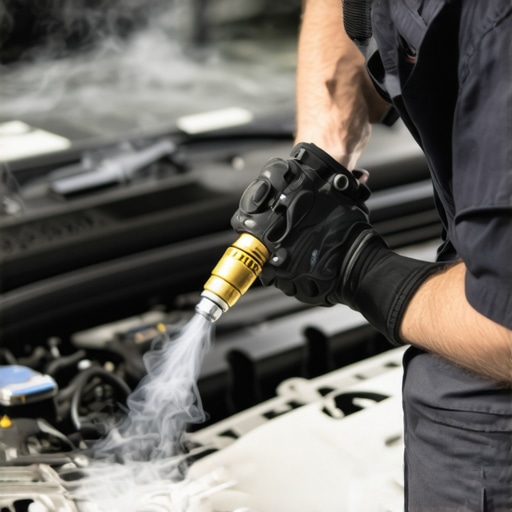
Top-End Fluid Leaks and the Destruction of Electrical Integrity
A neglected oil leak from the valley of the engine doesn’t just pool harmlessly; it migrates through capillary action. Engine oil can be drawn into the electrical connectors for the fuel injectors, oxygen sensors, or knock sensors. Once inside, the oil chemically degrades the plastic housings and the rubber weather-packing, leading to intermittent short circuits and ‘ghost’ trouble codes. According to the automotive experts at Consumer Reports, fluid contamination remains a leading cause of premature sensor failure in high-mileage vehicles. To prevent this, a comprehensive tune up should always include a visual inspection of the wiring loom. If you find yourself chasing a mystery electrical fault, sometimes the solution is as simple as a $15 ground strap fix for mystery electrical gremlins rather than a costly ECU replacement.
The Hidden Link Between Manifold Pressure and Smooth Shifting
In many modern vehicles, the transmission control module relies on intake manifold pressure data to determine shift timing and firmness. A tiny leak in a $9 vacuum hose can trick a driver into believing their transmission is failing. If your car is hunting for gears or shifting harshly, a skilled mechanic will verify the engine’s vacuum health before touching the transmission internals. Similarly, maintaining overall system health is a holistic process; for instance, understanding why your brake rotors warp after only 5,000 miles can often reveal issues with caliper slide pins that are just as easily overlooked as a small intake leak. Have you ever experienced a repair where a tiny part solved a massive problem? Share your diagnostic victories in the comments below—your story could save a fellow driver thousands in unnecessary labor.
Stop High Crankcase Pressure from Blowing Out Your Fresh Seals
When you address a leaking intake manifold gasket or a valley-mounted oil filter housing, you are only treating the symptom if you ignore the Positive Crankcase Ventilation (PCV) system. In many modern engines, the PCV valve is integrated directly into the intake manifold or the valve cover. If this valve becomes clogged with carbon deposits, it can no longer vent blow-by gases from the combustion chamber. This leads to a massive build-up of internal pressure that seeks the path of least resistance. Often, that path is the very seal you just replaced. A professional mechanic knows that a $20 PCV valve can be the difference between a permanent fix and a warranty comeback three months later. Integrating a PCV check into your standard tune up is the most effective way to protect the longevity of your gaskets and prevent the localized pressure spikes that force oil through the microscopic pores of aging rubber.
Can a faulty PCV valve actually cause a physical oil leak?
The short answer is a resounding yes. When pressure cannot escape through the intended vacuum lines, it effectively turns the engine block into a pressure cooker. This forced atmosphere pushes against every seal, including the front and rear main seals, the oil pan gasket, and the intake manifold interface. This is why many auto repair shops often misdiagnose a blown seal when the actual culprit is a restricted ventilation system. If you have noticed oil weeping from multiple points simultaneously, the issue is almost certainly atmospheric rather than mechanical. Utilizing a digital manometer to check crankcase vacuum is a common practice among master technicians to verify that the engine can breathe properly under load. For those performing their own maintenance, understanding PCV system diagnostics for high-mileage engines is a crucial step before ordering expensive replacement parts.
The Dangerous Intersection Where Oil and Coolant Mix
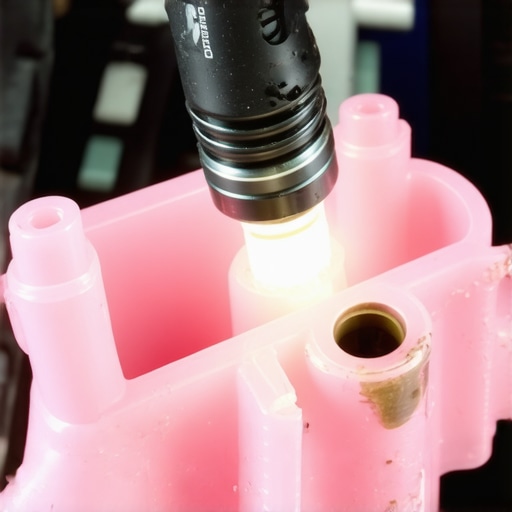
In many V-style engines, the intake manifold doesn’t just channel air; it acts as a structural bridge for the cooling system and the oiling galleries. This design creates a high-risk ‘neutral zone’ where only a thin layer of gasket material prevents the cross-contamination of fluids. According to the Automotive Service Association (ASA), cooling system neglect is the primary driver of intake manifold gasket failure, as old coolant becomes acidic and eats away at the gasket’s carrier frame. If the seal fails internally, you may not see a drop on your driveway. Instead, coolant can migrate into the oil valley, turning your lubricant into a frothy, chocolate-milk-colored sludge that provides zero protection for your bearings. This internal failure is often more catastrophic than an external leak because it causes silent, rapid wear on every moving part in the engine. If you suspect your fluids are mixing, we recommend an immediate brake service style inspection of your vehicle’s overall fluid health to ensure the integrity of the entire cooling loop.
Scrub the Engine Valley to Prevent a Smoke Scare
One of the most overlooked aspects of this repair is the post-installation cleanup. Because the engine valley is a recessed area, it can hold several ounces of residual oil even after the gaskets are replaced. If this oil is not meticulously removed, it will eventually reach operating temperature and begin to smoke or smell, leading the driver to believe the auto repair was unsuccessful. A skilled mechanic will use a specialized degreaser and a shop vacuum to ensure the valley is bone-dry before reassembling the fuel rails and manifold. This is particularly important because residual oil can attract road grit, which acts as an abrasive against the plastic housings over time. If you have recently had work done and still smell burning oil, it may just be the ‘burn-off’ period, but it is always worth asking your shop for a visual verification of the engine valley. The specific chemistry of the plastics used in these manifolds also demands a careful selection of cleaning agents, as harsh chlorinated solvents can cause the manifold body to become brittle and eventually crack under the intense torque required for a proper seal…
Why Composite Manifolds Struggle with Extreme Thermal Expansion
As modern engine bays become more cramped and temperatures rise, the material science behind composite intake manifolds faces a brutal reality. While lightweight polymers offer excellent heat insulation for incoming air, they lack the structural rigidity of their aluminum predecessors. Over 100,000 miles, the plastic manifold can actually develop a subtle longitudinal twist or ‘bow.’ A master mechanic understands that even a brand-new gasket cannot compensate for a mounting surface that is no longer perfectly flat. When these components warp, the leak often manifests as a ‘cold-start stumble’ that disappears once the engine reaches operating temperature and the plastic expands to fill the gap. This specific behavior is frequently misdiagnosed during a standard tune up, leading many owners to replace perfectly functional ignition coils or fuel injectors in a futile attempt to smooth out a rough idle.
Thermal Imaging Catches What the Naked Eye Misses
Traditional diagnostic methods like spraying carb cleaner or using soapy water have their limits, especially when the leak is located on the underside of the manifold or near the firewall. Advanced auto repair facilities now utilize FLIR (Forward-Looking Infrared) cameras to detect the subtle temperature shifts caused by unmetered air entering the cylinder head. As the lean condition creates localized hotspots or the incoming air cools the intake runners prematurely, the thermal signature shifts. This level of precision allows technicians to pinpoint the exact cylinder port that is compromised without a full teardown. 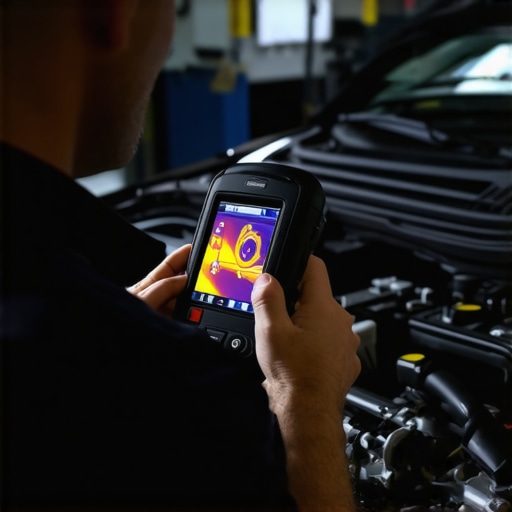
Does a leaking intake gasket always trigger the Check Engine Light?
Surprisingly, a vehicle can suffer from a significant intake leak without immediately illuminating the MIL (Malfunction Indicator Lamp). The Engine Control Unit (ECU) has a built-in compensation range known as ‘fuel trims.’ If the air leak is small enough that the ECU can compensate by adding 10% to 15% more fuel, the car may run poorly but stay below the threshold required to trip a P0171 or P0174 lean code. However, running in this ‘compensated’ state puts immense strain on the catalytic converters and can drastically reduce your fuel economy. According to technical data from the National Institute for Automotive Service Excellence (ASE), prolonged operation with elevated fuel trims is a leading cause of premature oxygen sensor failure and exhaust system overheating.
Precision Torque Patterns Prevent Early Gasket Blowouts
One of the most common reasons for a repeat failure after an auto repair is the use of an impact wrench or improper hand-tightening during reassembly. Composite manifolds require a specific ‘criss-cross’ or ‘spiral’ torque sequence, often performed in three distinct stages, to ensure the gasket is crushed evenly across the entire mating surface. Just as uneven pad wear during a brake service points to a mechanical imbalance, a crushed or ‘smeared’ intake gasket reveals a technician who bypassed the torque wrench. Skipping the final 89 inch-pound verification can lead to a hairline crack in the manifold’s mounting ear, which may not leak for the first week but will eventually yield under the pressure of constant engine vibration. If you have recently had your gaskets replaced and the symptoms returned within a month, the issue may lie in the assembly precision rather than the part quality. Have you noticed a persistent ‘hissing’ sound or a fluctuating RPM at stoplights? Tell us about your diagnostic journey in the comments below—your experience helps the entire community avoid these common pitfalls.
Don’t Let a Pool of Oil Fool Your Diagnostic Logic
Experienced automotive technicians often encounter a specific diagnostic paradox: the more severe a symptom appears, the simpler the underlying cause might be. A persistent oil leak that coats the transmission bellhousing or pools in the engine valley is frequently misidentified as a catastrophic rear main seal failure. However, in modern high-compression engines, the culprit is often a single, inexpensive component. Before you commit to a multi-thousand dollar overhaul, it is imperative to investigate the integrity of the seals located beneath the intake manifold. Identifying these nuances is what separates a true mechanic from someone merely swapping parts. Utilizing precise mechanic-led diagnostic procedures can save thousands in labor by targeting the top-end of the engine rather than the drivetrain.
High Heat and Plastic Housings Create the Perfect Leak
Modern engine architecture, particularly in V6 and V8 configurations, often places the oil cooler or filter housing within the ‘valley’ of the engine block. These components are frequently constructed from reinforced polymers that expand and contract at different rates than the aluminum engine block. Over time, the $8 gasket or O-ring that seals this interface loses its elasticity. According to research published by the Society of Automotive Engineers (SAE), thermal cycling in modern engine bays significantly accelerates the embrittlement of nitrile and silicone-based elastomers used in intake sealing. This degradation leads to a steady seepage that gravity pulls down the back of the engine, perfectly mimicking a rear main seal leak. [IMAGE_PLACEHOLDER]
Is Your Intake Leak Masking Other Engine Performance Issues?
While the primary symptom is fluid loss, a failing intake-related gasket can also cause unmetered air to enter the combustion chamber. During a routine tune up, you might notice erratic fuel trims or a lean-running condition that suggests a much more expensive fuel system failure. This is why auto repair professionals prioritize a pressure test of the cooling and oiling systems before recommending major surgery. If you are experiencing strange idling or loss of power, it is worth looking into auto repair financial strategies that focus on these high-failure, low-cost components first.
Labor Intensity vs Part Cost
The frustration for many vehicle owners lies in the disparity between the price of the part and the cost of the repair. While the gasket itself may only cost $8, the labor required to reach the engine valley involves removing the intake manifold, fuel rails, and several sensitive sensors. This provides an excellent opportunity to perform other preventative maintenance. For example, checking your pads and rotors or scheduling a brake service while the car is already on the lift can streamline your maintenance schedule. If you find yourself frequently dealing with small but annoying leaks, exploring inexpensive sealing solutions can provide long-term stability for your vehicle’s engine. If you’ve encountered a mystery leak that seems to defy logic, we invite you to share your findings or ask our experts for a second opinion on your diagnostic report.
Stop Chasing Ghost Codes With a Simple Smoke Test
The ripple effect of a compromised intake seal extends far beyond a messy driveway or the smell of burning oil on the exhaust manifold. When unmetered air enters the intake tract downstream of the Mass Air Flow (MAF) sensor, the vehicle’s Engine Control Unit (ECU) struggles to calculate the correct fuel delivery. This imbalance leads to a lean misfire, which is often most noticeable at idle when vacuum pressure is at its highest. Many vehicle owners mistakenly attribute this vibration to a failing fuel pump or clogged injectors, but you can often determine the true cause with a focused diagnostic approach. Mastering how to find an intake leak using a bottle of soapy water is a pro-level skill that can save you from a $600 fuel system replacement that would never have addressed the core problem.
Why Your Engine Stumbles Only During Left-Hand Turns
This specific drivability symptom is one of the most frustrating for auto repair shops to replicate. When an intake manifold gasket becomes brittle, it may still provide a marginal seal while the vehicle is stationary or moving in a straight line. However, the physical shifting of the engine on its mounts during a sharp turn can cause a momentary gap to open in the seal. This sudden influx of air leans out the mixture instantly, causing a noticeable hesitation or a complete stall. Before you assume your fuel tank baffles are broken or your pump is failing, it is imperative to investigate why your engine stumbles only during left-hand turns as it frequently points back to these mechanical seal failures under lateral load.
Top-End Fluid Leaks and the Destruction of Electrical Integrity
A neglected oil leak from the valley of the engine doesn’t just pool harmlessly; it migrates through capillary action. Engine oil can be drawn into the electrical connectors for the fuel injectors, oxygen sensors, or knock sensors. Once inside, the oil chemically degrades the plastic housings and the rubber weather-packing, leading to intermittent short circuits and ‘ghost’ trouble codes. According to the automotive experts at Consumer Reports, fluid contamination remains a leading cause of premature sensor failure in high-mileage vehicles. To prevent this, a comprehensive tune up should always include a visual inspection of the wiring loom. If you find yourself chasing a mystery electrical fault, sometimes the solution is as simple as a $15 ground strap fix for mystery electrical gremlins rather than a costly ECU replacement.
The Hidden Link Between Manifold Pressure and Smooth Shifting
In many modern vehicles, the transmission control module relies on intake manifold pressure data to determine shift timing and firmness. A tiny leak in a $9 vacuum hose can trick a driver into believing their transmission is failing. If your car is hunting for gears or shifting harshly, a skilled mechanic will verify the engine’s vacuum health before touching the transmission internals. Similarly, maintaining overall system health is a holistic process; for instance, understanding why your brake rotors warp after only 5,000 miles can often reveal issues with caliper slide pins that are just as easily overlooked as a small intake leak.
Stop High Crankcase Pressure from Blowing Out Your Fresh Seals
When you address a leaking intake manifold gasket or a valley-mounted oil filter housing, you are only treating the symptom if you ignore the Positive Crankcase Ventilation (PCV) system. In many modern engines, the PCV valve is integrated directly into the intake manifold or the valve cover. If this valve becomes clogged with carbon deposits, it can no longer vent blow-by gases from the combustion chamber. This leads to a massive build-up of internal pressure that seeks the path of least resistance. Often, that path is the very seal you just replaced. A professional mechanic knows that a $9 PCV valve can be the difference between a permanent fix and a warranty comeback three months later. Integrating a PCV check into your standard maintenance is the most effective way to protect the longevity of your gaskets and prevent the localized pressure spikes that force oil through the microscopic pores of aging rubber.
The Dangerous Intersection Where Oil and Coolant Mix
In many V-style engines, the intake manifold doesn’t just channel air; it acts as a structural bridge for the cooling system and the oiling galleries. This design creates a high-risk ‘neutral zone’ where only a thin layer of gasket material prevents the cross-contamination of fluids. According to the Automotive Service Association (ASA), cooling system neglect is the primary driver of intake manifold gasket failure, as old coolant becomes acidic and eats away at the gasket’s carrier frame. If the seal fails internally, you may not see a drop on your driveway. Instead, coolant can migrate into the oil valley, turning your lubricant into a frothy, chocolate-milk-colored sludge that provides zero protection for your bearings. This internal failure is often more catastrophic than an external leak because it causes silent, rapid wear on every moving part in the engine. If you suspect your fluids are mixing, we recommend an immediate brake service style inspection of your vehicle’s overall fluid health to ensure the integrity of the entire cooling loop.
Expert Insights & Advanced Considerations
Why a Smoke Machine Beats Every Other Shop Tool
While soapy water is a fantastic budget hack, the modern mechanic relies on a diagnostic smoke machine to find leaks in the engine valley without a full teardown. By injecting vaporized oil into the intake tract under low pressure, we can see exactly which port or housing is compromised before the first bolt is turned. This precision eliminates the guesswork that often leads to why your check engine light keeps coming back even after a part has been replaced.
Combat Plastic Fatigue with Chemical Shielding
When reassembling a composite manifold, using a high-quality dielectric grease on the electrical connectors that live in the engine valley is non-negotiable. This prevents the capillary action of oil from reaching sensitive pins. If you find your car behaves strangely after an auto repair, it is often due to fluid contamination in these hidden junctions rather than a faulty replacement part. Ensuring a clean, dry environment in the valley is as critical as the seal itself.
The Hidden Risk of High RPM Surges
An intake leak can lead to dangerous engine surging that mimics a stuck throttle. If you find that why your engine surges while stopped at a light is a persistent issue, the intake gasket is a primary suspect. The lean condition causes the ECU to aggressively add fuel, creating a rhythmic oscillation in engine speed that can overwhelm your brakes if the surge occurs while in gear.
Curated Expert Resources
ASE Certification Standards
The National Institute for Automotive Service Excellence (ASE) provides the benchmark for diagnostic proficiency. For owners, choosing a technician with L1 Advanced Engine Performance Specialist certification ensures they have the skills to handle complex intake and vacuum-related failures without unnecessary parts-swapping.
SAE International Technical Papers
For those interested in the material science of why your gaskets fail, the Society of Automotive Engineers (SAE) offers extensive research on elastomer degradation. This is the gold standard for understanding how modern engine heat cycles affect the plastic components of your intake system.
AllData Technical Service Bulletins
Professionals use AllData to track Technical Service Bulletins (TSBs) specifically related to intake manifold warping. Often, a persistent leak is a known manufacturing defect, and these resources provide the specific torque adjustments needed to provide a lasting fix.
The Professional Verdict on Top-End Leak Management
Successfully managing an engine valley leak requires looking past the puddle of oil and understanding the atmospheric and thermal pressures at play. A comprehensive auto repair approach—combining a precise tune up of the PCV system with a thorough smoke test—is the only way to avoid the ‘ghost leak’ trap. When you prioritize diagnostic accuracy over immediate part replacement, you ensure your vehicle’s long-term reliability and your own financial peace of mind. If you have faced a repair where a tiny $9 part saved you from a total engine rebuild, we want to hear from you. Share your professional diagnostic victories or ask our experts for a second opinion in the comments below.