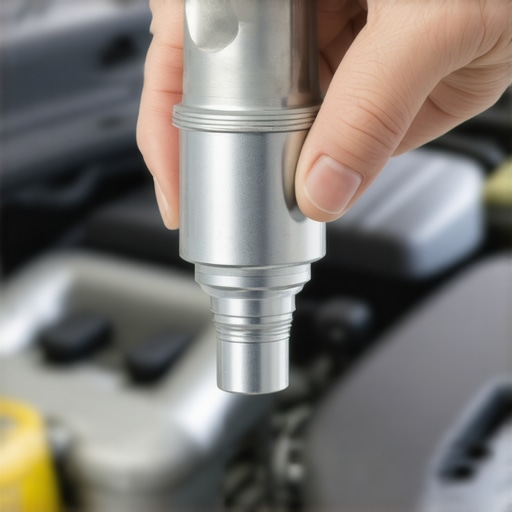
Internal Pressure and the Silent Engine Killer
Modern internal combustion engines operate under a delicate balance of thermal efficiency and fluid dynamics. One of the most overlooked components in the entire powertrain is the Positive Crankcase Ventilation (PCV) system. While most drivers focus on high-ticket items during a regular tune up, the humble PCV valve often remains neglected until it causes catastrophic oil consumption or blown main seals. When blow-by gases—combustion byproducts that leak past the piston rings—accumulate in the crankcase, they must be evacuated. A failed valve disrupts this cycle, either forcing oil into the combustion chamber or creating excessive pressure that compromises every gasket in the block.
The Physics of Blow-By and Crankcase Volatility
As an engine ages, the gap between piston rings and cylinder walls inevitably widens, leading to increased blow-by. This pressurized mixture of unburned fuel and exhaust gases creates a hostile environment for engine oil. Professional mechanic tips for diagnosing common auto problems often point to the PCV valve because its failure can mimic much more expensive issues, such as worn valve stem seals or even a failing turbocharger. If the valve sticks open, the intake manifold vacuum pulls a constant stream of oil mist into the cylinders, resulting in blue smoke and rapid oil depletion. Conversely, a valve stuck shut causes pressure to build until it finds the path of least resistance, usually through your rear main seal or valve cover gaskets.
Can a Faulty PCV Valve Trigger a False Turbo Failure Diagnosis?
In many turbocharged applications, a malfunctioning crankcase ventilation system causes oil to back up in the turbo’s return line. This leads to oil leaking past the turbo seals and into the intercooler or exhaust, leading many shops to recommend a multi-thousand-dollar turbo replacement. However, an expert technician using auto repair cost-saving tips from industry experts will first verify the crankcase pressure levels. Replacing a $9 valve can often ‘fix’ a smoking turbo instantly, saving the vehicle owner a fortune in unnecessary hardware costs. This is why getting the most from your mechanic requires asking specifically about crankcase pressure testing during your next service interval.
Stop Oil Loss Before the Next Oil Change
The technical reality is that the PCV valve is a wear item, yet it rarely appears on standard maintenance checklists. According to technical documentation from the Society of Automotive Engineers (SAE), improper crankcase ventilation significantly accelerates oil oxidation and sludge formation. If you notice a sudden drop in fuel economy or a rough idle that defies standard troubleshooting, the culprit is likely this small plastic or metal component. Incorporating this check into your routine auto repair strategy is the most cost-effective way to ensure engine longevity. Don’t wait for a low-oil light to illuminate; investigate your ventilation system today to protect your engine’s internal seals from the inside out.
How Your Vacuum System Quietly Dictates Fuel Economy
While the PCV valve manages internal crankcase pressure, the intake manifold vacuum acts as the nervous system for your entire engine. Any breach in this closed loop introduces ‘unmetered air’—air that enters the engine without being calculated by the Mass Airflow (MAF) sensor. This imbalance forces the Engine Control Unit (ECU) to overcompensate, often resulting in a lean condition that triggers a cascade of performance issues. If you have ever wondered why your car stumbles at red lights but runs fine on the highway, you are likely witnessing a vacuum leak that is most pronounced when the throttle plate is nearly closed. Diagnosing these leaks does not always require expensive lab scopes; in fact, learning how to find a vacuum leak with a plastic cigar or a simple smoke test can reveal hairline fractures in rubber boots that visual inspections consistently miss.
Why That $12 Sensor Often Outsmarts a Master Mechanic
The complexity of modern fuel injection means that mechanical failures often disguise themselves as electronic faults. A common pitfall for DIYers and even seasoned pros is replacing expensive components like oxygen sensors when the real culprit is a contaminated MAF sensor or a sticking Idle Air Control (IAC) valve. Over time, oil vapor from the very PCV system we discussed previously can coat the delicate hot-wire element of the MAF sensor. This coating insulates the wire, causing it to report incorrect air density data to the computer. Before you commit to a major repair, consider the 10-minute cleaning move that saves your MAF sensor from the scrap heap. Often, a $12 sensor fix or cleaning is all it takes to restore a factory-smooth idle and crisp throttle response.
Could a Tiny Air Leak Be Costing You Hundreds in Fuel?
Precision is everything in the combustion chamber. When air leaks past a brittle intake gasket or a cracked vacuum line, the ECU detects a lean mixture and dumps additional fuel into the cylinders to prevent engine knock. This ‘fuel trim’ adjustment might keep the car running, but it destroys your gas mileage and eventually poisons your catalytic converter. According to the 2023 CarMD Vehicle Health Index, ignition and airflow-related faults remain the leading cause of check engine lights globally. Ignoring a small $5 rubber hose today could lead to a $1,500 exhaust repair next year. This is a primary reason why you should never just clear a check engine light without addressing the root cause of the code.
Stop Throwing Parts at Modern Sensor Faults
Systematic troubleshooting is the only way to avoid the ‘parts cannon’—the expensive habit of replacing sensors until the problem disappears. For example, if you are seeing a P0420 code, don’t immediately buy a new converter. Smart owners know to check the exhaust manifold for small cracks or use the 12-valve cover gasket trick to ensure oil isn’t fouling the spark plug wells and causing intermittent misfires. By focusing on the physical seals and gaskets that maintain engine vacuum, you ensure the electronic sensors can do their jobs correctly. Have you ever replaced a major part only to find out a tiny gasket was the real problem? Drop a comment below and share your experience—it might save another driver from a massive, unnecessary repair bill.
Oil-Drowned Spark Plugs and the Electrical Path of Least Resistance
When we discuss the health of an engine’s top end, the conversation usually stops at the valve cover gasket’s ability to keep oil inside the head. However, for a modern technician, the gasket’s role is equally about protecting the ignition system from external contamination. In many overhead cam (OHC) designs, the spark plug wells are located directly in the center of the valve cover. When the inner seals of these gaskets fail, oil begins to pool around the base of the spark plug. This is not merely a messy inconvenience; oil is a powerful insulator in some contexts, but when combined with carbon tracking and heat, it becomes a path of least resistance for high-voltage electricity. Instead of the coil’s 30,000-volt discharge jumping the gap at the electrode to ignite the fuel-air mixture, the energy ‘shorts’ through the oil and travels up the outside of the plug. This creates an intermittent misfire that often disappears at high RPM but makes the car shudder violently at a stoplight.
Is Engine Oil Actually Conductive Enough to Cause a Misfire?
While clean motor oil is technically a dielectric (an insulator), the oil found in a leaking spark plug well is anything but clean. It is a suspension of metallic wear particles, carbon soot, and moisture. Over thousands of heat cycles, this mixture creates a conductive bridge. According to technical standards maintained by the AERA Engine Builders Association, maintaining the integrity of the combustion seal and preventing fluid intrusion into the ignition gallery is critical for preventing ‘coil-on-plug’ (COP) failure. If you pull your ignition coil and find the rubber boot swollen or saturated in oil, the boot has likely undergone chemical degradation, rendering it incapable of containing the spark. Replacing the plug won’t help if the root cause—the valve cover gasket—is still hemorrhaging fluid into the well.
Plastic vs. Metal: Why Modern Manifolds Crack Under Thermal Stress
The transition from cast aluminum to composite plastic intake manifolds was driven by the need for weight reduction and better thermal insulation of the intake charge. However, these polymer components face a unique challenge: differential expansion. Every time you start your car, the engine block heats up and expands at a different rate than the plastic manifold bolted to it. Over 100,000 miles, this physical tug-of-war eventually fatigues the plastic or compresses the integrated rubber gaskets beyond their elastic limit. These ‘hidden’ vacuum leaks often manifest as lean codes (P0171 or P0174) that only appear when the engine is stone cold. As the engine warms and the materials expand, the gap closes, and the leak ‘disappears,’ making it one of the most frustrating issues to track down. If you have been chasing a rough cold start, it might be time to spray some soapy water around the manifold runners while the engine is still cold to look for bubbles or a change in idle speed.
The Critical Torque Sequence Most DIYers Ignore
Precision is not just for the internal rotating assembly; it applies to every bolt that secures a vacuum seal. Many home mechanics make the mistake of tightening valve cover or intake manifold bolts in a simple circular pattern. This almost guarantees a warped flange or a pinched gasket. To achieve an even ‘crush’ on the seal, you must follow a cross-pattern or ‘inside-out’ sequence as specified in your service manual. Even a few inch-pounds of difference can create a microscopic gap that allows unmetered air to enter the system. Are you noticing persistent oil or air leaks even after replacing the gaskets? Take a moment to inspect the mating surfaces for pits or gouges that no amount of torque will fix. Share your own success stories or diagnostic ‘nightmares’ in the comments—your specific vehicle model might have a known quirk that could help another member of our community avoid a weekend of frustration.
How Adaptive Fuel Trims Hide Looming Mechanical Disasters
Modern Engine Control Units are incredibly resilient, capable of compensating for significant mechanical wear through fuel trim adjustments. When a vacuum leak or a failing injector occurs, the ECU simply adds more fuel to maintain the ideal stoichiometric ratio. This ‘masking’ effect is why a car can feel relatively normal even when a major gasket is failing.
The Deceptive Cushion of Long Term Fuel Trims
The Engine Control Unit (ECU) is a master of adaptation, but this resilience often masks the early stages of mechanical failure. When you look at live data during a diagnostic session, the ‘Long Term Fuel Trim’ (LTFT) reveals the history of the engine’s struggle. A healthy system should fluctuate between -5% and +5%. However, a persistent vacuum leak or a degrading fuel pump will force the ECU to stay in a ‘positive trim’ state, constantly adding fuel to compensate for a lean condition. The car might still feel responsive, but the engine is operating at a thermal disadvantage. This invisible compensation cycle places immense stress on the oxygen sensors and the catalytic converter, essentially trading their lifespan for temporary drivability. Professional technicians look for these ‘silent’ numbers because they tell a story that the Check Engine Light often waits too long to report.
Calculate Volumetric Efficiency to Find Ghost Problems
When traditional diagnostic paths lead to a dead end, master technicians pivot to Volumetric Efficiency (VE). This is the measure of how well an engine can move air in and out relative to its static displacement. If an engine has a VE of 80% at wide-open throttle when it should be at 90%, you aren’t looking for a sensor fault; you are looking for a physical breathing restriction. This could be anything from a partially collapsed intake boot to carbon-choked intake valves or a flat cam lobe. In modern direct-injection engines, carbon buildup on the back of the valves is a notorious thief of VE. It disrupts the tumble and swirl of the incoming air, leading to poor combustion even if the fuel pressure is perfect. 
Can a Dirty Throttle Body Sabotage Your Engine’s Operating Logic?
Many drivers overlook the thin layer of oil and soot that accumulates behind the throttle plate. Over time, this ‘coking’ narrows the physical air gap at idle, forcing the Idle Air Control (IAC) system or the electronic throttle motor to work harder to maintain RPM. More importantly, this restriction skews the adaptive learning values within the ECU. A simple cleaning of the throttle body can often reset the ‘idle air volume’ learning, restoring smooth transitions and preventing the engine from dipping below 500 RPM when coming to a sudden stop. According to technical training modules from Garage Gurus, failing to perform a throttle relearn procedure after a cleaning can actually lead to worse performance, as the computer remains stuck in its old, compensated logic.
Ethanol and the Accelerated Death of Rubber Seals
While modern vehicles are designed for E10 or E15 fuels, the chemical reality of ethanol is that it is a powerful solvent. For vehicles older than a decade, the elastomers used in fuel lines and injector O-rings were not always formulated for prolonged exposure to high alcohol concentrations. Ethanol attracts moisture, which can lead to phase separation in the fuel tank and the formation of acetic acid. This acid slowly eats away at the internal seals of the fuel pressure regulator, leading to internal leaks that dump raw fuel directly into the vacuum lines. If you notice a strong smell of gasoline when you pull a vacuum hose, you have found a ‘hidden’ leak that no scanner will ever point to directly. Choosing to use an ethanol stabilizer or seeking out ‘recreational’ ethanol-free fuel for older high-performance engines is a strategy that pays dividends in seal longevity.
The Thermal Fragility of Modern Electronic Sensors
Heat soak is the final enemy of a precision-tuned engine. Sensors mounted directly to the engine block, such as knock sensors or crankshaft position sensors, undergo millions of thermal cycles. Eventually, the internal potting material cracks, allowing moisture to enter. This creates a high-resistance bridge that slows down the sensor’s signal, leading to a ‘lazy’ response. The engine might not stall, but the ignition timing will perpetually lag behind the optimal curve, robbing you of torque and fuel economy. Have you noticed a loss of ‘zip’ on hot afternoons that seems to vanish on cool mornings? Share your findings in the comments below—your observations might be the missing piece for another driver struggling with intermittent performance lag.
Expert Insights & Advanced Considerations
Stop Killing Your Catalytic Converter with Neglected Vacuum Leaks
Every time you ignore a slightly erratic idle, you are likely forcing your Engine Control Unit into a positive fuel trim state. Over-fueling doesn’t just hurt your wallet at the pump; it significantly raises the operating temperature of your exhaust stream. This thermal stress eventually melts the ceramic substrate of your catalytic converter, turning a small air leak into a major mechanical failure. Effective tune up strategies to save money on auto repairs focus on identifying these lean conditions before they compromise expensive downstream emissions equipment.
Why Your OBD-II Scanner Only Tells Half the Story
A code reader is a starting point, not a final verdict. Master technicians look at ‘Freeze Frame Data’ to see exactly what the engine was doing—engine load, temperature, and RPM—at the moment the fault occurred. If a lean code triggers only under high load, you are likely dealing with a fuel delivery issue. If it happens at idle, it is almost certainly a vacuum leak. Learning how to find an intake leak using only a 5 bottle of soapy water can save you hours of digital chasing by confirming the physical breach with visual evidence.
Heat Cycles Can Turn Soft Rubber into Brittle Plastic
In modern high-compression engines, the rubber components under the hood reach temperatures that accelerate vulcanization, the process of rubber becoming hard and brittle. A vacuum hose that looks fine on a cold engine might collapse or expand under operating heat, leading to ‘ghost’ misfires. During your next essential tune up, physically squeeze your vacuum lines; if they feel crunchy or lack elasticity, they are compromising your engine’s precision. #IMAGE_PLACEHOLDER_E#
Curated Expert Resources
SAE International Technical Library
For those who want to understand the fluid dynamics of blow-by and crankcase pressure at a molecular level, the SAE papers offer the global standard in peer-reviewed automotive engineering data and technical research.
AERA Engine Builders Association Technical Bulletins
AERA provides deep-dive specifications into engine tolerances and gasket failures that go far beyond standard service manuals, making it indispensable for identifying systemic design flaws in specific engine families.
CarMD Vehicle Health Index Reports
This resource offers massive datasets on real-world failure rates across different manufacturers, helping you predict which sensors or seals are likely to fail on your specific vehicle based on millions of verified check engine light events.
Final Expert Perspective
Mastering the subtle signals of your engine’s vacuum and ventilation systems is the difference between a vehicle that survives and one that thrives. By moving beyond simple parts swapping and embracing a systematic diagnostic approach, you transform your auto repair routine from a chore into a precision science. Whether you are investigating a rough idle or preventing a catastrophic main seal failure, the goal is always to address the physical reality of the engine before the electronics are forced to compensate for mechanical wear. What is the most challenging ‘ghost in the machine’ you have ever had to hunt down? Join our community in the comments below or reach out via our contact page to share your most technical diagnostic wins and insights.