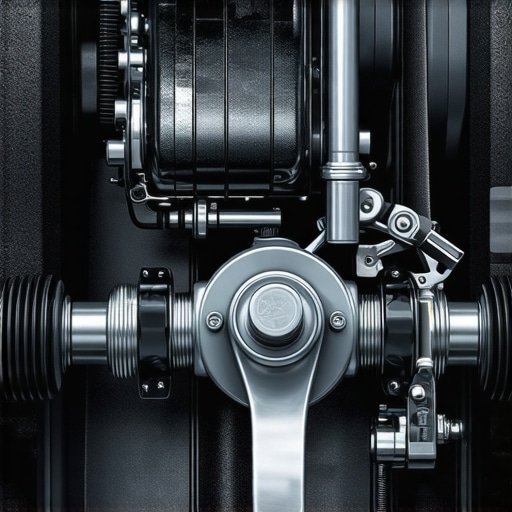
The Mechanics of Asymmetric Steering Resistance
When a steering wheel exhibits normal effort in one direction but demands significant physical exertion in the other, we are rarely dealing with a simple mechanical blockage. Instead, this highly specific symptom points to a localized hydraulic pressure drop, an unbalanced mechanical load, or a failing sensor in modern electronic power steering (EPS) configurations. Diagnosing this phenomenon requires moving past general maintenance checklists to examine how power assist is distributed during directional changes. For automotive technicians, asymmetric resistance is a diagnostic roadmap, signaling that the system’s hydraulic or electronic equilibrium has been compromised.
How Power Assist Fails on One Side
In traditional hydraulic power steering systems, the steering gear contains a rotary control valve. This valve is responsible for routing pressurized power steering fluid to either the left or right chamber of the steering rack cylinder depending on which way you turn. If an internal teflon ring or spool valve seal wears out on just one side, fluid pressure bypasses that chamber, leaving you without assist in that specific direction. This is fundamentally different from a total pump failure, which would cause heavy steering in both directions.
For those driving modern vehicles equipped with electronic power steering, the culprit is often a compromised torque sensor. The EPS control module relies on this sensor to measure how much force you apply to the steering wheel. If the sensor calibration drifts or its internal circuits fail on one side, the computer fails to command the electric motor to assist your turn in that direction. Drivers experiencing broader steering anomalies might also want to learn why your steering feels notchy while turning to rule out mechanical binding in the steering column u-joints.
Is a Sticking Strut Mount Mimicking a Power Steering Failure?
Yes. Often, what feels like an assist failure is actually a severe mechanical bind in the suspension. The top of your front struts contain bearings that allow the entire strut assembly to pivot when you turn the wheels. If the bearing on one side seizes due to road grime or rust, it will resist rotation when turned in its direction of travel, creating a heavy, springy resistance. To differentiate between suspension binding and steering assist loss, raising the vehicle’s front wheels off the ground and turning the wheels manually can isolate the friction source. If you suspect your suspension components are wearing out, you can check our guide on how to tell if your struts are shot without going to a shop.
Isolating Hydraulic and Electronic Failure Points
Systematic isolation is key to avoiding unnecessary component replacement. For hydraulic systems, a pressure test using a dedicated power steering analyzer connected between the pump and the gear can verify if the pump is delivering the required pressure, which typically ranges from 1,100 to 1,500 PSI under full lock according to specifications defined by organizations like the Society of Automotive Engineers (SAE). If pump pressure is consistent but turning the steering wheel in the heavy direction fails to spike the pressure reading, the internal rotary valve within the steering rack is bypassing fluid.
When dealing with these intricate issues, consulting a trusted professional is paramount. To ensure you receive an accurate diagnosis, read our expert guide on how to choose a skilled mechanic you can trust to avoid misdiagnosis and costly, unnecessary parts replacement.
When asymmetric steering resistance manifests, the diagnostic path must pivot from static inspections to dynamic load testing. Mechanics often overlook the role of the steering rack’s internal guide pre-load. If the rack-to-pinion tension is adjusted too tightly, or if the internal rack bar has suffered localized physical wear from a past road impact, it can bind specifically when traveling past a certain point in its stroke. This mechanical resistance mimics a hydraulic seal bypass, yet it can be identified by a distinct mechanical drag even when the engine is off and no hydraulic pressure is present.
The Critical Role of Returning-to-Center Torque
A healthy steering system relies on caster angle to naturally return the wheels to the straight-ahead position after completing a turn. When steering resistance is asymmetric, the self-centering force on one side is often severely diminished. This creates a dangerous driving dynamic where the vehicle aggressively self-centers from a left turn but requires manual effort to pull back from a right turn. If your vehicle exhibited recent changes in tire wear alongside this symptom, you might actually be dealing with an amateur alignment job. For more on this, read our analysis of 3 tire wear patterns that prove your last alignment was lazy.
Furthermore, bent steering knuckles, collapsed control arm bushings, or slightly deformed subframes—often caused by hitting potholes or curbs—alter the steering axis inclination (SAI). This alteration directly impacts how steering effort is distributed. In these scenarios, the hydraulic or electronic assist system is actually functioning perfectly; it is simply working overtime to overcome the un-centered geometry of the front suspension.
Why Does Cold Weather Make Your Steering Harder to Turn in One Direction?
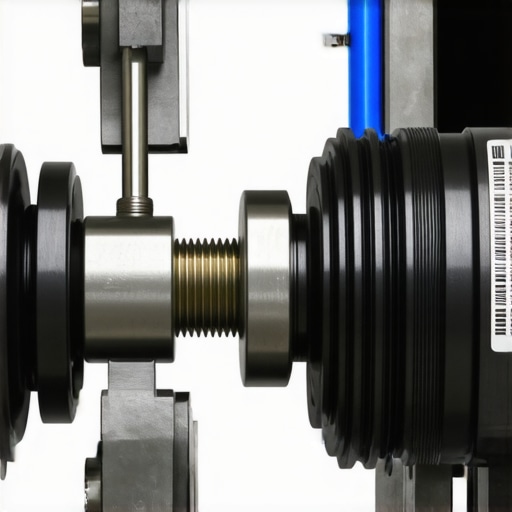
During cold starts, power steering fluid viscosity increases dramatically, which places additional strain on worn seals. In a hydraulic rack, a slightly hardened or shrunk Teflon seal on the spool valve may allow high-pressure fluid to blow past it when the oil is thick and cold. As the fluid reaches operating temperature, the seal expands, and the asymmetry might temporarily vanish. If you hear a loud groan from the engine bay during these cold mornings, the system is likely sucking air through a hardened intake hose o-ring. You can resolve this common nuisance by checking out our quick guide on the 5-hose hack for quiet power steering during cold starts.
Scanning Electronic Power Steering for Directional Faults
Modern electronic power steering (EPS) units do not use fluid, making physical fluid leaks irrelevant. Instead, they rely on complex CAN-bus communication networks. When troubleshooting a directional assistance loss in an EPS system, technicians must connect an advanced diagnostic scanner to monitor live data parameters such as “Torque Sensor 1” and “Torque Sensor 2” in real-time. According to technical training documentation from The National Institute for Automotive Service Excellence (ASE), these sensors must mirror each other’s voltage signals output during steering maneuvers. A deviation between these sensor values instantly causes the EPS module to disable assist in the compromised direction to prevent uncommanded steering inputs.
If you suspect an electrical issue is causing your EPS system to act up intermittently, it is highly recommended to check your vehicle’s main electrical grounds. A corroded ground wire can cause voltage drops that confuse sensitive steering sensors. Learn more about resolving these hidden electrical issues in our guide on the 15-ground strap fix for mystery electrical gremlins.
Have you ever experienced a car that turned easily to the left but felt like steering a manual rack to the right? Let us know in the comments below what the fix turned out to be for your vehicle, or share this guide with a fellow DIYer struggling with mystery steering heavy spots.
Micro-Leakage in Valve Castings and the Phantom Resistance Curve
While external leaks present clear physical evidence of failure, internal micro-leakage within the cast aluminum housing of the steering gear is far more insidious. Over hundreds of thousands of steering cycles, the steel spool valve rotates within the softer aluminum housing bore. If the fluid contains abrasive particulate matter from a neglected reservoir, it slowly machines away the microscopic tolerances of the valve lands. This wear is rarely symmetrical; it concentrates on the side of the housing subjected to the driver’s most frequent hard maneuvers, typically right-hand turns in countries where we drive on the right. When these fluid pathways warp by even a fraction of a millimeter, high-pressure fluid bleeds directly back into the return line rather than building pressure against the rack piston when turning in the affected direction.
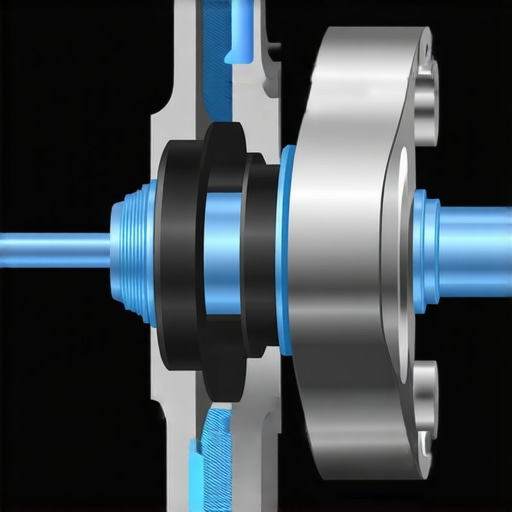
Diagnosing this specific wear pattern requires a thermal imaging camera. After operating the vehicle to bring the power steering fluid to operating temperature, a technician can monitor the steering gear body while an assistant holds pressure against the heavy direction. An immediate hot spot at the valve housing, rather than down the cylinder tube, confirms that localized high-pressure fluid is escaping internally and generating thermal energy. This is a definitive sign that the housing itself is worn beyond the point of simple seal replacement, requiring a complete remanufactured steering rack assembly.
Why Do Some Remanufactured Steering Racks Pull to One Side Right Out of the Box?
This frustrating scenario is almost always caused by improper centering of the rotary control valve during the rebuild process. The spool valve relies on a tiny, precise torsion bar pinned to the input shaft. If the rebuilder fails to align the neutral position of this torsion bar to the exact hydraulic center of the valve sleeve, the valve will naturally direct a small amount of assist to one side even when the steering wheel is dead straight. This causes a continuous drift or pull in one direction, while requiring extra manual effort to turn the wheel in the opposite direction because you must first overcome this pre-existing hydraulic bias. The only permanent solution for this out-of-box defect is to return the unit for a correctly calibrated replacement.
The Electric Motor Cogging and Relay Pitfalls of Modern EPS
In fully electric power steering systems, asymmetric resistance can stem from physical degradation within the assist motor itself rather than sensor calibration. Brushless DC motors used in EPS columns or racks can suffer from localized winding shorts or stator damage. When the rotor spins past a damaged stator winding segment during a turn in one direction, it experiences an abrupt magnetic drag known as cogging. This feels to the driver like a sudden drop-off in assist at a specific steering angle, whereas turning the opposite direction avoids this damaged sector of the motor’s rotation.
Furthermore, many EPS systems utilize dual-contact relays to route high amperage directly to the motor windings. If the contact point for one directional circuit develops carbon buildup or pitting, it introduces electrical resistance. This resistance drops the voltage delivered to the motor when turning in that specific direction, limiting the motor’s torque output and leaving the driver to provide the physical muscle. If you are tracking down elusive electrical faults in your steering system, exploring our guide on the 15-ground strap fix for mystery electrical gremlins can help you isolate weak connections before condemning expensive steering modules.
Micro-Deformation and the Subtle Perils of Structural Play
Beyond the internal components of the steering rack itself, subtle structural changes in the chassis can manifest as a highly directional resistance. When a vehicle undergoes a severe impact, such as hitting a deep pothole or curbside collision, the structural mounting points of the steering subframe can shift by mere millimeters. This shift introduces micro-deformation, subtly skewing the angle at which the steering gear input shaft meets the steering column. When turning in one direction, the joints bind as they are pushed past their designed operating angles, whereas turning the opposite direction relieves the stress. Diagnosing this requires measuring the steering column angle using precision digital protractors to check for deviation from factory geometry specifications.
How Road Force Variations and Internal Tire Belt Shifts Fool Experienced Technicians
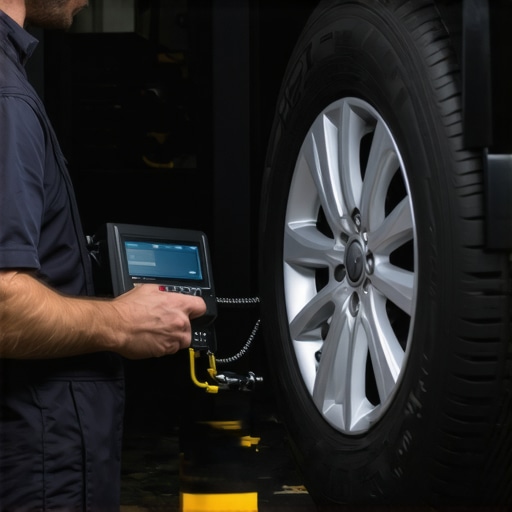
Sometimes, the root cause of asymmetric steering resistance lies entirely outside the steering assembly. An internal structural failure within a tire—specifically a shifted steel belt—can create a constant lateral force known as tire conicity. This structural defect generates a steering pull that mimics a hydraulic or electronic assist failure. To diagnose this, technicians rely on advanced diagnostic machinery such as the Road Force Elite balancer, a technology documented in training materials by the Equipment and Tool Institute (ETI). This system applies a loaded roller to the tire tread to measure radial and lateral force variations under simulated vehicle load, isolating tire-induced steering resistance from actual mechanical or hydraulic system failures.
Can a Restrictive Return Line Cooler Cause Asymmetric Steering Assistance?
Yes. Many heavy-duty trucks and performance passenger vehicles utilize a dedicated auxiliary power steering fluid cooler. If road debris impacts this small heat exchanger, or if internal debris from a failing pump clogs its micro-passages, return-line backpressure rises dramatically. Inside the steering gear’s control valve, this elevated return pressure opposes the movement of the spool valve in one direction more than the other due to the asymmetrical layout of the internal return ports. If you suspect your steering system is suffering from fluid flow issues, read our breakdown of why your steering feels notchy while turning to help pinpoint dynamic hydraulic restrictions before replacing costly components.
The Software Drift Calibration Method for Realigned EPS Systems
Modern electric power steering systems do not just measure current torque; they continuously adapt to road crown and wind resistance through complex software algorithms. When a vehicle receives a mechanical wheel alignment, the steering angle sensor (SAS) and the EPS internal torque sensors must be recalibrated using an advanced diagnostic scanner. If this software reset is skipped, the EPS control module will continue to apply “active pull compensation” based on the old, pre-alignment geometry. This software drift leads to a scenario where the motor actively assists turns in one direction while fighting your input in the other, mistaking your manual turns for environmental interference. If you want to dive deeper into the complexities of steering geometry and ensure your vehicle is tracking perfectly, we invite you to share your diagnostic findings or ask our community of master technicians for personalized advice in the comment section below.
When a steering wheel exhibits normal effort in one direction but demands significant physical exertion in the other, we are rarely dealing with a simple mechanical blockage. Instead, this highly specific symptom points to a localized hydraulic pressure drop, an unbalanced mechanical load, or a failing sensor in modern electronic power steering (EPS) configurations. Diagnosing this phenomenon requires moving past general maintenance checklists to examine how power assist is distributed during directional changes. For automotive technicians, asymmetric resistance is a diagnostic roadmap, signaling that the system’s hydraulic or electronic equilibrium has been compromised.
How Power Assist Fails on One Side
In traditional hydraulic power steering systems, the steering gear contains a rotary control valve. This valve is responsible for routing pressurized power steering fluid to either the left or right chamber of the steering rack cylinder depending on which way you turn. If an internal teflon ring or spool valve seal wears out on just one side, fluid pressure bypasses that chamber, leaving you without assist in that specific direction. This is fundamentally different from a total pump failure, which would cause heavy steering in both directions.
For those driving modern vehicles equipped with electronic power steering, the culprit is often a compromised torque sensor. The EPS control module relies on this sensor to measure how much force you apply to the steering wheel. If the sensor calibration drifts or its internal circuits fail on one side, the computer fails to command the electric motor to assist your turn in that direction. Drivers experiencing broader steering anomalies might also want to learn why your steering feels notchy while turning to rule out mechanical binding in the steering column u-joints.
Is a Sticking Strut Mount Mimicking a Power Steering Failure?
Yes. Often, what feels like an assist failure is actually a severe mechanical bind in the suspension. The top of your front struts contain bearings that allow the entire strut assembly to pivot when you turn the wheels. If the bearing on one side seizes due to road grime or rust, it will resist rotation when turned in its direction of travel, creating a heavy, springy resistance. To differentiate between suspension binding and steering assist loss, raising the vehicle’s front wheels off the ground and turning the wheels manually can isolate the friction source. If you suspect your suspension components are wearing out, you can check our guide on how to tell if your struts are shot without going to a shop.
Isolating Hydraulic and Electronic Failure Points
Systematic isolation is key to avoiding unnecessary component replacement. For hydraulic systems, a pressure test using a dedicated power steering analyzer connected between the pump and the gear can verify if the pump is delivering the required pressure, which typically ranges from 1,100 to 1,500 PSI under full lock according to specifications defined by organizations like the Society of Automotive Engineers (SAE). If pump pressure is consistent but turning the steering wheel in the heavy direction fails to spike the pressure reading, the internal rotary valve within the steering rack is bypassing fluid.
When dealing with these intricate issues, consulting a trusted professional is paramount. To ensure you receive an accurate diagnosis, read our expert guide on how to choose a skilled mechanic you can trust to avoid misdiagnosis and costly, unnecessary parts replacement.
When asymmetric steering resistance manifests, the diagnostic path must pivot from static inspections to dynamic load testing. Mechanics often overlook the role of the steering rack’s internal guide pre-load. If the rack-to-pinion tension is adjusted too tightly, or if the internal rack bar has suffered localized physical wear from a past road impact, it can bind specifically when traveling past a certain point in its stroke. This mechanical resistance mimics a hydraulic seal bypass, yet it can be identified by a distinct mechanical drag even when the engine is off and no hydraulic pressure is present.
The Critical Role of Returning-to-Center Torque
A healthy steering system relies on caster angle to naturally return the wheels to the straight-ahead position after completing a turn. When steering resistance is asymmetric, the self-centering force on one side is often severely diminished. This creates a dangerous driving dynamic where the vehicle aggressively self-centers from a left turn but requires manual effort to pull back from a right turn. If your vehicle exhibited recent changes in tire wear alongside this symptom, you might actually be dealing with an amateur alignment job. For more on this, read our analysis of 3 tire wear patterns that prove your last alignment was lazy.
Furthermore, bent steering knuckles, collapsed control arm bushings, or slightly deformed subframes—often caused by hitting potholes or curbs—alter the steering axis inclination (SAI). This alteration directly impacts how steering effort is distributed. In these scenarios, the hydraulic or electronic assist system is actually functioning perfectly; it is simply working overtime to overcome the un-centered geometry of the front suspension.
Why Does Cold Weather Make Your Steering Harder to Turn in One Direction?
During cold starts, power steering fluid viscosity increases dramatically, which places additional strain on worn seals. In a hydraulic rack, a slightly hardened or shrunk Teflon seal on the spool valve may allow high-pressure fluid to blow past it when the oil is thick and cold. As the fluid reaches operating temperature, the seal expands, and the asymmetry might temporarily vanish. If you hear a loud groan from the engine bay during these cold mornings, the system is likely sucking air through a hardened intake hose o-ring. You can resolve this common nuisance by checking out our quick guide on the 5-hose hack for quiet power steering during cold starts.
Scanning Electronic Power Steering for Directional Faults
Modern electronic power steering (EPS) units do not use fluid, making physical fluid leaks irrelevant. Instead, they rely on complex CAN-bus communication networks. When troubleshooting a directional assistance loss in an EPS system, technicians must connect an advanced diagnostic scanner to monitor live data parameters such as “Torque Sensor 1” and “Torque Sensor 2” in real-time. According to technical training documentation from The National Institute for Automotive Service Excellence (ASE), these sensors must mirror each other’s voltage signals output during steering maneuvers. A deviation between these sensor values instantly causes the EPS module to disable assist in the compromised direction to prevent uncommanded steering inputs.
If you suspect an electrical issue is causing your EPS system to act up intermittently, it is highly recommended to check your vehicle’s main electrical grounds. A corroded ground wire can cause voltage drops that confuse sensitive steering sensors. Learn more about resolving these hidden electrical issues in our guide on the 15-ground strap fix for mystery electrical gremlins.
Have you ever experienced a car that turned easily to the left but felt like steering a manual rack to the right? Let us know in the comments below what the fix turned out to be for your vehicle, or share this guide with a fellow DIYer struggling with mystery steering heavy spots.
Micro-Leakage in Valve Castings and the Phantom Resistance Curve
While external leaks present clear physical evidence of failure, internal micro-leakage within the cast aluminum housing of the steering gear is far more insidious. Over hundreds of thousands of steering cycles, the steel spool valve rotates within the softer aluminum housing bore. If the fluid contains abrasive particulate matter from a neglected reservoir, it slowly machines away the microscopic tolerances of the valve lands. This wear is rarely symmetrical; it concentrates on the side of the housing subjected to the driver’s most frequent hard maneuvers, typically right-hand turns in countries where we drive on the right. When these fluid pathways warp by even a fraction of a millimeter, high-pressure fluid bleeds directly back into the return line rather than building pressure against the rack piston when turning in the affected direction.
Diagnosing this specific wear pattern requires a thermal imaging camera. After operating the vehicle to bring the power steering fluid to operating temperature, a technician can monitor the steering gear body while an assistant holds pressure against the heavy direction. An immediate hot spot at the valve housing, rather than down the cylinder tube, confirms that localized high-pressure fluid is escaping internally and generating thermal energy. This is a definitive sign that the housing itself is worn beyond the point of simple seal replacement, requiring a complete remanufactured steering rack assembly.
Why Do Some Remanufactured Steering Racks Pull to One Side Right Out of the Box?
This frustrating scenario is almost always caused by improper centering of the rotary control valve during the rebuild process. The spool valve relies on a tiny, precise torsion bar pinned to the input shaft. If the rebuilder fails to align the neutral position of this torsion bar to the exact hydraulic center of the valve sleeve, the valve will naturally direct a small amount of assist to one side even when the steering wheel is dead straight. This causes a continuous drift or pull in one direction, while requiring extra manual effort to turn the wheel in the opposite direction because you must first overcome this pre-existing hydraulic bias. The only permanent solution for this out-of-box defect is to return the unit for a correctly calibrated replacement.
The Electric Motor Cogging and Relay Pitfalls of Modern EPS
In fully electric power steering systems, asymmetric resistance can stem from physical degradation within the assist motor itself rather than sensor calibration. Brushless DC motors used in EPS columns or racks can suffer from localized winding shorts or stator damage. When the rotor spins past a damaged stator winding segment during a turn in one direction, it experiences an abrupt magnetic drag known as cogging. This feels to the driver like a sudden drop-off in assist at a specific steering angle, whereas turning the opposite direction avoids this damaged sector of the motor’s rotation.
Furthermore, many EPS systems utilize dual-contact relays to route high amperage directly to the motor windings. If the contact point for one directional circuit develops carbon buildup or pitting, it introduces electrical resistance. This resistance drops the voltage delivered to the motor when turning in that specific direction, limiting the motor’s torque output and leaving the driver to provide the physical muscle. If you are tracking down elusive electrical faults in your steering system, exploring our guide on the 15-ground strap fix for mystery electrical gremlins can help you isolate weak connections before condemning expensive steering modules.
Micro-Deformation and the Subtle Perils of Structural Play
Beyond the internal components of the steering rack itself, subtle structural changes in the chassis can manifest as a highly directional resistance. When a vehicle undergoes a severe impact, such as hitting a deep pothole or curbside collision, the structural mounting points of the steering subframe can shift by mere millimeters. This shift introduces micro-deformation, subtly skewing the angle at which the steering gear input shaft meets the steering column. When turning in one direction, the joints bind as they are pushed past their designed operating angles, whereas turning the opposite direction relieves the stress. Diagnosing this requires measuring the steering column angle using precision digital protractors to check for deviation from factory geometry specifications.
How Road Force Variations and Internal Tire Belt Shifts Fool Experienced Technicians
Sometimes, the root cause of asymmetric steering resistance lies entirely outside the steering assembly. An internal structural failure within a tire—specifically a shifted steel belt—can create a constant lateral force known as tire conicity. This structural defect generates a steering pull that mimics a hydraulic or electronic assist failure. To diagnose this, technicians rely on advanced diagnostic machinery such as the Road Force Elite balancer, a technology documented in training materials by the Equipment and Tool Institute (ETI). This system applies a loaded roller to the tire tread to measure radial and lateral force variations under simulated vehicle load, isolating tire-induced steering resistance from actual mechanical or hydraulic system failures.
Can a Restrictive Return Line Cooler Cause Asymmetric Steering Assistance?
Yes. Many heavy-duty trucks and performance passenger vehicles utilize a dedicated auxiliary power steering fluid cooler. If road debris impacts this small heat exchanger, or if internal debris from a failing pump clogs its micro-passages, return-line backpressure rises dramatically. Inside the steering gear’s control valve, this elevated return pressure opposes the movement of the spool valve in one direction more than the other due to the asymmetrical layout of the internal return ports. If you suspect your steering system is suffering from fluid flow issues, read our breakdown of why your steering feels notchy while turning to help pinpoint dynamic hydraulic restrictions before replacing costly components.
The Software Drift Calibration Method for Realigned EPS Systems
Modern electric power steering systems do not just measure current torque; they continuously adapt to road crown and wind resistance through complex software algorithms. When a vehicle receives a mechanical wheel alignment, the steering angle sensor (SAS) and the EPS internal torque sensors must be recalibrated using an advanced diagnostic scanner. If this software reset is skipped, the EPS control module will continue to apply “active pull compensation” based on the old, pre-alignment geometry. This software drift leads to a scenario where the motor actively assists turns in one direction while fighting your input in the other, mistaking your manual turns for environmental interference. If you want to dive deeper into the complexities of steering geometry and ensure your vehicle is tracking perfectly, we invite you to share your diagnostic findings or ask our community of master technicians for personalized advice in the comment section below.
Expert Insights & Advanced Considerations
Track Dynamic Torque Discrepancies Early
Technicians often overlook the value of plotting real-time torque sensor voltage during active road tests. Instead of checking static codes, monitor the differential outputs while crossing a high-friction surface. A minor micro-volt delay in sensor response often precedes total system lockout, acting as an early warning indicator for control unit degradation.
Address Fluid Viscosity Breakdown Proactively
Many vehicle owners skip fluid maintenance, assuming closed hydraulic circuits never break down. Over time, thermal shear reduces the effective fluid viscosity, which accelerates bypass leaks in worn spool valves and manifests as uneven resistance when the steering rack gets hot.
Watch Out for Structural Shift After Minor Impacts
A simple curb impact might not bend visible suspension arms, but it can shift a subframe. If the subframe moves, it changes the steering column u-joint operating angle, which can trigger localized mechanical binding during specific turn degrees. Always measure subframe alignment when handling mystery resistance.
Curated Expert Resources
The Society of Automotive Engineers (SAE) Technical Papers
SAE offers highly technical research papers detailing hydraulic flow dynamics, rotary valve wear limits, and electronic steering algorithm feedback loops. It is an invaluable resource for understanding the engineering specifications behind modern chassis dynamics.
ASE Steering and Suspension Study Guides
The National Institute for Automotive Service Excellence provides comprehensive diagnostic and repair training frameworks. Their technical literature is key to mastering the complex electrical handshakes required in today’s CAN-bus based EPS systems.
Equipment and Tool Institute (ETI) Bulletins
ETI releases regular updates and guidelines on advanced garage equipment, including road force balancing procedures and laser alignment diagnostics. This is essential for understanding how tire conicity mimics steering hardware failures.
Final Expert Perspective
Asymmetric steering resistance is rarely a localized component failure; it is a complex symptom where hydraulic imbalance, electronic sensor drift, and minute mechanical misalignments meet. Successfully resolving this issue demands a highly disciplined diagnostic approach that moves beyond simple parts swapping to target systemic issues, whether you need to check for hidden sensor failures or seek out a skilled mechanic you can trust to interpret real-time system data. If your vehicle is exhibiting unusual handling characteristics, check out our guide on diagnosing common auto problems to stay ahead of costly repairs. Do you have a complex steering story or an elusive fix to share? Leave a comment below and join our master diagnostic community today.