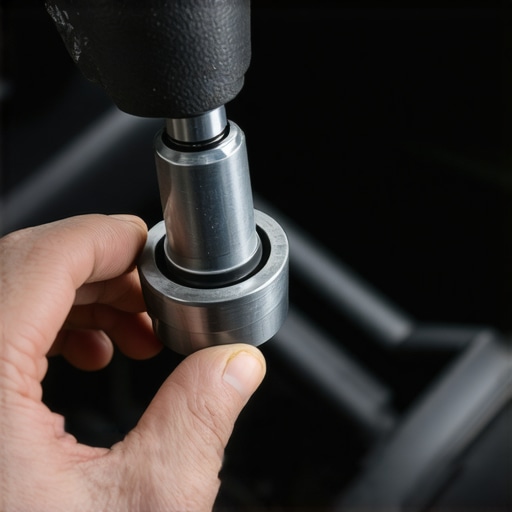
When the interface between a driver and the powertrain loses its tactile integrity, the entire driving experience suffers. A loose or ‘sloppy’ shifter is rarely a symptom of a catastrophic transmission failure; rather, it is typically an indication of mechanical play within the linkage assembly. In professional automotive diagnostics, we look for the point of least resistance, which is almost always the sacrificial polymer components designed to dampen vibration. Addressing this issue requires more than just a surface-level tune up; it necessitates a surgical understanding of how shift cables and rods translate cabin input into gear engagement. If you find your selector wandering between gates or failing to find ‘Park’ consistently, you are likely dealing with a disintegrated bushing that costs less than a gallon of gas but commands significant labor if misdiagnosed.
Eliminate Excessive Play in Your Shift Linkage
The transition from a crisp, notched gear selection to a vague, rubbery sensation occurs gradually as the shift cable bushings undergo thermal degradation. These small plastic or nylon sleeves are situated at the ends of the shifter cables, acting as the pivot point between the hard metal of the cable and the transmission’s shift arm. Over thousands of cycles, heat from the engine bay and friction from the auto repair environment cause these polymers to become brittle and eventually shatter. Once the bushing is gone, the metal eyelet of the cable has several millimeters of free play, which translates to inches of movement at the shifter handle. While some may fear a costly brake service or transmission overhaul, many mechanic experts agree that the 6 dollar plastic bushing is the most overlooked high-value repair in modern vehicle maintenance.
The Material Science Behind Why Polymer Bushings Disintegrate
Automotive manufacturers utilize specific thermoplastics, such as Delrin or specialized nylon, because they offer a low coefficient of friction without requiring constant lubrication. However, these materials are susceptible to environmental stressors. According to technical documentation from the Society of Automotive Engineers (SAE), thermal cycling—the constant heating and cooling of the engine bay—significantly accelerates the embrittlement of thermoplastic components used in shift assemblies. When these components fail, the mechanical advantage of the shifter is compromised. For those performing their own diagnostics, mechanic tips for diagnosing common auto problems often suggest checking for ‘dead zones’ in the selector travel before assuming the cable itself has stretched or snapped.
Is a Worn Linkage Forcing Your Transmission into Early Retirement?
A common inquiry among performance enthusiasts and high-mileage commuters is whether a loose shifter can lead to internal synchronizer damage. The answer is nuanced. While the slop itself doesn’t damage the gears, the resulting misalignment can prevent the shift fork from fully seating a gear, leading to partial engagement and eventual grinding. This mechanical ambiguity mimics the symptoms of a transmission that hunts for gears, leading many owners to waste money on fluid flushes or electronic sensors. By replacing the bushing, you ensure that every millimeter of movement in the cabin corresponds to a precise movement at the transmission, preserving the longevity of the internal components. If you are unsure about performing this tactile repair yourself, it is vital to choose a skilled mechanic you can trust who understands that a simple bushing replacement is often superior to a full cable assembly swap. Explore our deep-dive technical archives to master more DIY diagnostics that save you thousands in unnecessary shop labor.
Restore Shift Precision Without a Total Overhaul
Identifying the exact failure point in the linkage requires a systematic approach that separates hydraulic issues from mechanical ones. When a driver experiences a ‘disconnected’ feeling, the first step is to isolate the shift cable ends. On most modern front-wheel-drive vehicles, one end is located directly under the center console, while the other sits atop the transmission housing. By observing the cable movement while an assistant cycles through the gears, you can pinpoint exactly where the slack originates. If the cable eyelet moves independently of the shift lever, the diagnosis is confirmed. This isn’t a task for a standard tune up; it is a precision fix that addresses the mechanical interface. Utilizing the 6 dollar plastic bushing can often resolve what appears to be a major transmission failure, saving hundreds in parts and labor.
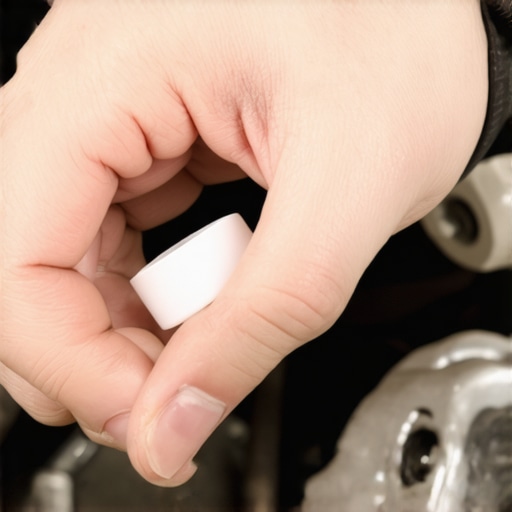
Why does the shifter feel firm in Drive but vague in Reverse?
This discrepancy is often due to the specific geometry of the shift gate and the tension direction of the cable. In many cable-actuated systems, selecting ‘Reverse’ requires the cable to push against the resistance of the return spring, whereas ‘Drive’ may involve a pulling motion. If the bushing has partially disintegrated, the pushing motion compresses the remaining fragments, leading to a vague or ‘mushy’ sensation. Conversely, the pulling motion may wedge the cable eyelet against a solid part of the bracket, creating a false sense of tightness. According to the National Institute for Automotive Service Excellence (ASE), secondary damage to internal transmission components often stems from prolonged operation with misaligned external linkages, as the driver may inadvertently apply excessive force to reach the gear gate. If you notice a change in resistance, compare it against the symptoms of a transmission that hunts for gears to ensure the problem is not electronic.
Bypass the Dealership Markup on Simple Hardware
The automotive industry often incentivizes full component replacement over individual part repair. When you take a car with a loose shifter to a dealer, the standard procedure is often to replace the entire shifter assembly and the dual-cable set, which can easily exceed five hundred dollars in parts alone. However, an expert mechanic knows that the cables themselves—constructed from heavy-gauge braided steel—rarely stretch significantly over the life of the vehicle. The weak point is consistently the interface. By opting for a high-quality aftermarket bushing, you essentially perform an auto repair that is more durable than the original equipment, as many aftermarket options use reinforced materials that resist heat better than factory nylon. If you are noticing a sudden change in gear engagement, compare your symptoms against our guide on 3 signs your transmission fluid is actually burning to ensure the problem isn’t deeper than the linkage. Before committing to an expensive teardown, consult our list of questions to ask your mechanic to ensure they have properly inspected the external linkage first.
Maintaining this level of mechanical scrutiny is what separates a standard driver from a savvy owner. While the brake service or oil change gets the most attention, the linkage is the literal bridge between your intent and the car’s action. Ignoring a sloppy shifter can lead to ‘false neutrals’ or even prevent the car from starting if the neutral safety switch cannot detect the proper position. In some cases, a simple 20 dollar fluid swap combined with a fresh bushing can make an old transmission feel like it just rolled off the assembly line. Always prioritize these mechanical ‘quick wins’ before diving into the complex world of planetary gears and valve bodies.
Don’t Force the Lever: Identifying Cable Bind Before It Snaps
While the polymer bushing is the most frequent culprit behind a vague shifter, the integrity of the cable itself represents a more complex mechanical variable. A shifter cable is not merely a single strand of wire; it is a sophisticated conduit consisting of a braided steel core encased in a low-friction PTFE (Teflon) liner, further protected by a heavy-duty outer jacket. When the outer jacket is breached by road debris or heat-induced cracking, moisture enters the assembly, leading to internal oxidation. This corrosion creates a ‘binding’ effect where the driver must exert significantly more force to move the lever. If you find yourself wrestling with the selector during a routine tune up, you are likely feeling the friction of steel against rusted steel. Forcing a binding cable often leads to the cable snapping at the eyelet, a failure that can leave your vehicle permanently stuck in ‘Park’ or ‘Neutral’ in the middle of a busy intersection.
Can a frayed shift cable prevent your car from starting?
This is a critical safety and diagnostic question that many owners overlook until they are stranded. The answer is a definitive yes. Most modern vehicles utilize a Neutral Safety Switch (NSS) or a Transmission Range Sensor that must communicate the exact gear position to the Engine Control Unit (ECU) before the starter motor is allowed to engage. If a cable is stretched or a bushing is missing, the physical position of the shifter inside the cabin may say ‘Park,’ but the transmission lever remains slightly offset. According to technical standards established by ASTM International regarding the tensile strength and elongation of steel cable assemblies, even a 1.5% deviation in cable length can be enough to misalign the sensor logic. In these scenarios, many drivers mistakenly assume they need a brake service or a new battery, when the reality is a simple mechanical misalignment in the linkage.
The Thermal Expansion Paradox in High-Performance Shifting
Experienced mechanic professionals often note that shifter feel can change based on the operating temperature of the vehicle. This phenomenon is known as thermal expansion. As the engine bay reaches peak operating temperatures, the metal components of the shift linkage expand at a different rate than the plastic bushings and the cable housing. This variance can cause a shifter that feels tight when cold to become incredibly sloppy once the car has been driven for thirty minutes. This is particularly relevant for those who live in climates with extreme temperature swings. A high-quality auto repair approach involves checking the linkage clearances both when cold and at operating temperature to ensure the ‘gate’ remains consistent. If your gear selection becomes erratic only after a long commute, it is a clear sign that the sacrificial components in your linkage have lost their structural rigidity and are succumbing to heat-soak.
Mastering the Fine-Tuning of Cable Tension
Restoring that factory-fresh ‘click’ between gears often requires more than just replacing parts; it requires a precise adjustment of the cable tension. Most cable-actuated systems feature a threaded adjuster or a spring-loaded clip at the transmission end. If the cable is too tight, the shifter will feel notched and difficult to move; if it is too loose, the lever will have excessive ‘dead travel’ before any gear engagement occurs. This is a level of detail usually reserved for a comprehensive auto repair rather than a quick fluid swap. When adjusting the tension, it is vital to ensure the selector in the cabin is perfectly centered in the ‘Neutral’ gate before locking the cable position at the transmission. If you find that your shifter remains stubborn even after a bushing replacement, it may be time to choose a skilled mechanic you can trust who has the specialized alignment tools to reset the factory specifications. Mastering these nuances is the key to preventing the frustration of a ‘vague’ gearbox and ensuring your vehicle responds instantly to every input.
While many enthusiasts fixate on the cable ends, the most seasoned mechanic looks further upstream toward the power unit’s physical stability. Excessively worn engine and transmission mounts allow the entire powertrain to rock under load, which induces parasitic tension on the shift cables. This ‘engine roll’ can mimic the feel of a stretched cable or a failing synchronizer, especially during hard acceleration or braking. When the engine tilts back, it physically pulls on the selector cables, potentially popping the transmission out of gear or making it nearly impossible to engage a specific gate. This isn’t just a matter of comfort; it’s a structural auto repair issue that affects the fundamental alignment of your drivetrain.
Stop the Engine Rock That Kills Your Shifter Precision
Addressing shift quality requires a holistic view of the vehicle’s motion. If your engine mounts are shot, no amount of cable adjustment will permanently fix a sloppy shifter. The cables are designed to operate within a specific arc of movement; when the engine exceeds this arc due to degraded rubber mounts, the cables are stretched beyond their design parameters. During a standard tune up, few people think to pry on the engine block to check for excessive movement, yet this is often the root cause of ‘phantom’ shifting issues. Modern mechanic protocols suggest that if you are replacing shift bushings, you should simultaneously inspect the torque strut mount—often called the ‘dog bone’ mount—as it is the primary defender against engine rotation during gear changes.
Does your shift lever move when you floor the accelerator?
If you notice the gear selector physically tilting or twitching in your hand when you apply the throttle, you are witnessing engine torque bypassing the mounts and acting directly on your linkage. This phenomenon, often referred to as ‘lever kickback,’ is a precursor to catastrophic cable failure. According to engineering specifications from ZF Friedrichshafen AG, the leading authority on drivetrain technology, maintaining the precise geometric relationship between the selector and the transmission housing is paramount for reducing lateral stress on the internal shift forks. When the engine rocks, it forces the shift cable to act as a tether, a role it was never meant to fulfill. If your brake service technician mentions unusual vibration in the cabin, it may be time to look at those mounts before they take your shifter cables down with them.
Lubricate the Pivot to Erase Cabin-Side Friction
Even with perfect cables and brand-new mounts, the shifter can still feel ‘notchy’ or ‘heavy’ if the internal pivot ball is dry. Located directly beneath the shift boot, this plastic or metal ball sits in a socket and provides the fulcrum for every gear change. Over time, the factory grease becomes contaminated with dust and debris, turning into a gritty paste that resists movement. A specialized auto repair involves cleaning this assembly with a plastic-safe degreaser and reapplying a high-grade white lithium or silicone-based grease. This simple maintenance step, which can be done in minutes, often restores a level of smoothness that rivals a brand-new vehicle. Don’t let a minor friction issue convince you that you need a major transmission overhaul; often, the solution is as simple as a thorough cleaning and re-greasing of the cabin-side components. Reach out to our technical community today and share your results after performing these advanced linkage calibrations—your gearbox will thank you.
When the interface between a driver and the powertrain loses its tactile integrity, the entire driving experience suffers. A loose or ‘sloppy’ shifter is rarely a symptom of a catastrophic transmission failure; rather, it is typically an indication of mechanical play within the linkage assembly. In professional automotive diagnostics, we look for the point of least resistance, which is almost always the sacrificial polymer components designed to dampen vibration. Addressing this issue requires more than just a surface-level tune up; it necessitates a surgical understanding of how shift cables and rods translate cabin input into gear engagement. If you find your selector wandering between gates or failing to find ‘Park’ consistently, you are likely dealing with a disintegrated bushing that costs less than a gallon of gas but commands significant labor if misdiagnosed.
Eliminate Excessive Play in Your Shift Linkage
The transition from a crisp, notched gear selection to a vague, rubbery sensation occurs gradually as the shift cable bushings undergo thermal degradation. These small plastic or nylon sleeves are situated at the ends of the shifter cables, acting as the pivot point between the hard metal of the cable and the transmission’s shift arm. Over thousands of cycles, heat from the engine bay and friction from the auto repair environment cause these polymers to become brittle and eventually shatter. Once the bushing is gone, the metal eyelet of the cable has several millimeters of free play, which translates to inches of movement at the shifter handle. While some may fear a costly brake service or transmission overhaul, many mechanic experts agree that the 6 dollar plastic bushing is the most overlooked high-value repair in modern vehicle maintenance.
The Material Science Behind Why Polymer Bushings Disintegrate
Automotive manufacturers utilize specific thermoplastics, such as Delrin or specialized nylon, because they offer a low coefficient of friction without requiring constant lubrication. However, these materials are susceptible to environmental stressors. According to technical documentation from the Society of Automotive Engineers (SAE), thermal cycling—the constant heating and cooling of the engine bay—significantly accelerates the embrittlement of thermoplastic components used in shift assemblies. When these components fail, the mechanical advantage of the shifter is compromised. For those performing their own diagnostics, mechanic tips for diagnosing common auto problems often suggest checking for ‘dead zones’ in the selector travel before assuming the cable itself has stretched or snapped.
Is a Worn Linkage Forcing Your Transmission into Early Retirement?
A common inquiry among performance enthusiasts and high-mileage commuters is whether a loose shifter can lead to internal synchronizer damage. The answer is nuanced. While the slop itself doesn’t damage the gears, the resulting misalignment can prevent the shift fork from fully seating a gear, leading to partial engagement and eventual grinding. This mechanical ambiguity mimics the symptoms of a transmission that hunts for gears, leading many owners to waste money on fluid flushes or electronic sensors. By replacing the bushing, you ensure that every millimeter of movement in the cabin corresponds to a precise movement at the transmission, preserving the longevity of the internal components. If you are unsure about performing this tactile repair yourself, it is vital to choose a skilled mechanic you can trust who understands that a simple bushing replacement is often superior to a full cable assembly swap. Explore our deep-dive technical archives to master more DIY diagnostics that save you thousands in unnecessary shop labor.
Restore Shift Precision Without a Total Overhaul
Identifying the exact failure point in the linkage requires a systematic approach that separates hydraulic issues from mechanical ones. When a driver experiences a ‘disconnected’ feeling, the first step is to isolate the shift cable ends. On most modern front-wheel-drive vehicles, one end is located directly under the center console, while the other sits atop the transmission housing. By observing the cable movement while an assistant cycles through the gears, you can pinpoint exactly where the slack originates. If the cable eyelet moves independently of the shift lever, the diagnosis is confirmed. This isn’t a task for a standard tune up; it is a precision fix that addresses the mechanical interface. Utilizing the 6 dollar plastic bushing can often resolve what appears to be a major transmission failure, saving hundreds in parts and labor.
Why does the shifter feel firm in Drive but vague in Reverse?
This discrepancy is often due to the specific geometry of the shift gate and the tension direction of the cable. In many cable-actuated systems, selecting ‘Reverse’ requires the cable to push against the resistance of the return spring, whereas ‘Drive’ may involve a pulling motion. If the bushing has partially disintegrated, the pushing motion compresses the remaining fragments, leading to a vague or ‘mushy’ sensation. Conversely, the pulling motion may wedge the cable eyelet against a solid part of the bracket, creating a false sense of tightness. According to the National Institute for Automotive Service Excellence (ASE), secondary damage to internal transmission components often stems from prolonged operation with misaligned external linkages, as the driver may inadvertently apply excessive force to reach the gear gate. If you notice a change in resistance, compare it against the symptoms of a transmission that hunts for gears to ensure the problem is not electronic.
Bypass the Dealership Markup on Simple Hardware
The automotive industry often incentivizes full component replacement over individual part repair. When you take a car with a loose shifter to a dealer, the standard procedure is often to replace the entire shifter assembly and the dual-cable set, which can easily exceed five hundred dollars in parts alone. However, an expert mechanic knows that the cables themselves—constructed from heavy-gauge braided steel—rarely stretch significantly over the life of the vehicle. The weak point is consistently the interface. By opting for a high-quality aftermarket bushing, you essentially perform an auto repair that is more durable than the original equipment, as many aftermarket options use reinforced materials that resist heat better than factory nylon. If you are noticing a sudden change in gear engagement, compare your symptoms against our guide on 3 signs your transmission fluid is actually burning to ensure the problem isn’t deeper than the linkage. Before committing to an expensive teardown, consult our list of questions to ask your mechanic to ensure they have properly inspected the external linkage first.
Maintaining this level of mechanical scrutiny is what separates a standard driver from a savvy owner. While the brake service or oil change gets the most attention, the linkage is the literal bridge between your intent and the car’s action. Ignoring a sloppy shifter can lead to ‘false neutrals’ or even prevent the car from starting if the neutral safety switch cannot detect the proper position. In some cases, a simple 20 dollar fluid swap combined with a fresh bushing can make an old transmission feel like it just rolled off the assembly line. Always prioritize these mechanical ‘quick wins’ before diving into the complex world of planetary gears and valve bodies.
Don’t Force the Lever: Identifying Cable Bind Before It Snaps
While the polymer bushing is the most frequent culprit behind a vague shifter, the integrity of the cable itself represents a more complex mechanical variable. A shifter cable is not merely a single strand of wire; it is a sophisticated conduit consisting of a braided steel core encased in a low-friction PTFE (Teflon) liner, further protected by a heavy-duty outer jacket. When the outer jacket is breached by road debris or heat-induced cracking, moisture enters the assembly, leading to internal oxidation. This corrosion creates a ‘binding’ effect where the driver must exert significantly more force to move the lever. If you find yourself wrestling with the selector during a routine tune up, you are likely feeling the friction of steel against rusted steel. Forcing a binding cable often leads to the cable snapping at the eyelet, a failure that can leave your vehicle permanently stuck in ‘Park’ or ‘Neutral’ in the middle of a busy intersection.
Can a frayed shift cable prevent your car from starting?
This is a critical safety and diagnostic question that many owners overlook until they are stranded. The answer is a definitive yes. Most modern vehicles utilize a Neutral Safety Switch (NSS) or a Transmission Range Sensor that must communicate the exact gear position to the Engine Control Unit (ECU) before the starter motor is allowed to engage. If a cable is stretched or a bushing is missing, the physical position of the shifter inside the cabin may say ‘Park’, but the transmission lever remains slightly offset. According to technical standards established by ASTM International regarding the tensile strength and elongation of steel cable assemblies, even a 1.5% deviation in cable length can be enough to misalign the sensor logic. In these scenarios, many drivers mistakenly assume they need a brake service or a new battery, when the reality is a simple mechanical misalignment in the linkage.
The Thermal Expansion Paradox in High-Performance Shifting
Experienced mechanic professionals often note that shifter feel can change based on the operating temperature of the vehicle. This phenomenon is known as thermal expansion. As the engine bay reaches peak operating temperatures, the metal components of the shift linkage expand at a different rate than the plastic bushings and the cable housing. This variance can cause a shifter that feels tight when cold to become incredibly sloppy once the car has been driven for thirty minutes. This is particularly relevant for those who live in climates with extreme temperature swings. A high-quality auto repair approach involves checking the linkage clearances both when cold and at operating temperature to ensure the ‘gate’ remains consistent. If your gear selection becomes erratic only after a long commute, it is a clear sign that the sacrificial components in your linkage have lost their structural rigidity and are succumbing to heat-soak.
Mastering the Fine-Tuning of Cable Tension
Restoring that factory-fresh ‘click’ between gears often requires more than just replacing parts; it requires a precise adjustment of the cable tension. Most cable-actuated systems feature a threaded adjuster or a spring-loaded clip at the transmission end. If the cable is too tight, the shifter will feel notched and difficult to move; if it is too loose, the lever will have excessive ‘dead travel’ before any gear engagement occurs. This is a level of detail usually reserved for a comprehensive auto repair rather than a quick fluid swap. When adjusting the tension, it is vital to ensure the selector in the cabin is perfectly centered in the ‘Neutral’ gate before locking the cable position at the transmission. If you find that your shifter remains stubborn even after a bushing replacement, it may be time to choose a skilled mechanic you can trust who has the specialized alignment tools to reset the factory specifications. Mastering these nuances is the key to preventing the frustration of a ‘vague’ gearbox and ensuring your vehicle responds instantly to every input.
While many enthusiasts fixate on the cable ends, the most seasoned mechanic looks further upstream toward the power unit’s physical stability. Excessively worn engine and transmission mounts allow the entire powertrain to rock under load, which induces parasitic tension on the shift cables. This ‘engine roll’ can mimic the feel of a stretched cable or a failing synchronizer, especially during hard acceleration or braking. When the engine tilts back, it physically pulls on the selector cables, potentially popping the transmission out of gear or making it nearly impossible to engage a specific gate. This isn’t just a matter of comfort; it’s a structural auto repair issue that affects the fundamental alignment of your drivetrain.
Stop the Engine Rock That Kills Your Shifter Precision
Addressing shift quality requires a holistic view of the vehicle’s motion. If your engine mounts are shot, no amount of cable adjustment will permanently fix a sloppy shifter. The cables are designed to operate within a specific arc of movement; when the engine exceeds this arc due to degraded rubber mounts, the cables are stretched beyond their design parameters. During a standard tune up, few people think to pry on the engine block to check for excessive movement, yet this is often the root cause of ‘phantom’ shifting issues. Modern mechanic protocols suggest that if you are replacing shift bushings, you should simultaneously inspect the torque strut mount—often called the ‘dog bone’ mount—as it is the primary defender against engine rotation during gear changes.
Does your shift lever move when you floor the accelerator?
If you notice the gear selector physically tilting or twitching in your hand when you apply the throttle, you are witnessing engine torque bypassing the mounts and acting directly on your linkage. This phenomenon, often referred to as ‘lever kickback,’ is a precursor to catastrophic cable failure. According to engineering specifications from ZF Friedrichshafen AG, the leading authority on drivetrain technology, maintaining the precise geometric relationship between the selector and the transmission housing is paramount for reducing lateral stress on the internal shift forks. When the engine rocks, it forces the shift cable to act as a tether, a role it was never meant to fulfill. If your brake service technician mentions unusual vibration in the cabin, it may be time to look at those mounts before they take your shifter cables down with them.
Lubricate the Pivot to Erase Cabin-Side Friction
Even with perfect cables and brand-new mounts, the shifter can still feel ‘notchy’ or ‘heavy’ if the internal pivot ball is dry. Located directly beneath the shift boot, this plastic or metal ball sits in a socket and provides the fulcrum for every gear change. Over time, the factory grease becomes contaminated with dust and debris, turning into a gritty paste that resists movement. A specialized auto repair involves cleaning this assembly with a plastic-safe degreaser and reapplying a high-grade white lithium or silicone-based grease. This simple maintenance step, which can be done in minutes, often restores a level of smoothness that rivals a brand-new vehicle. Don’t let a minor friction issue convince you that you need a major transmission overhaul; often, the solution is as simple as a thorough cleaning and re-greasing of the cabin-side components.
Expert Insights & Advanced Considerations
High-Heat Environments Demand Superior Polymer Grades
Standard factory bushings often utilize basic nylon, which is prone to thermal embrittlement. When performing a high-level auto repair, upgrading to a specialized polyoxymethylene (Delrin) component provides a significantly higher fatigue limit. If you have already reviewed the 6 dollar plastic bushing solution, you know that material choice determines whether the fix lasts one year or ten. High-performance aftermarket bushings resist heat-soak far better than the OE units found in most commuter vehicles.
Engine Roll Can Mask as Cable Stretching
Before assuming your cables have physically elongated, check the torque strut mounts. A mechanic who ignores engine movement will never solve a shifting issue permanently. Excessive powertrain oscillation under load places lateral stress on the linkage, creating a vague sensation that mimics a failing internal component. Reference our mechanic tips for diagnosing common auto problems to differentiate between simple drivetrain movement and literal linkage wear.
Linkage Misalignment and Neutral Safety Safety Logic
A loose automatic shifter is more than a tactile annoyance; it is a potential safety hazard that can result in a “no-start” condition. If the linkage play is excessive, the transmission range sensor cannot align with the ECU’s logic gates, preventing the starter from engaging because it cannot verify the car is in ‘Park’. Before you replace an expensive battery or starter, verify that the linkage is fully seating the transmission arm into the physical detent.
Curated Expert Resources
SAE International Technical Papers: These provide the industry-standard data on the tensile strength and elongation limits of braided steel automotive cables. ASE Advanced Engine Performance (L1) Guides: While focused on performance, these manuals offer the best diagnostic trees for separating electronic sensor errors from mechanical linkage failure. ZF Friedrichshafen Technical Support: As a leading global supplier of drivetrain systems, their technical documentation is essential for understanding the tolerances required for smooth gear engagement.
Final Expert Perspective
True automotive mastery lies in identifying the smallest mechanical failures that create the largest functional disruptions. A loose automatic shifter is rarely a sign that you need a new transmission, but it is a loud signal that your linkage requires precision attention. By focusing on sacrificial bushings, verifying cable integrity, and ensuring your engine mounts are solid, you can bypass the expensive “parts cannon” approach and restore factory-spec performance. Whether you are following a tune up checklist or performing a deep-dive diagnostic, remember that the tactile connection to your drivetrain is the foundation of a safe vehicle. We invite you to choose a skilled mechanic you can trust to help you maintain this critical interface with professional-grade precision.