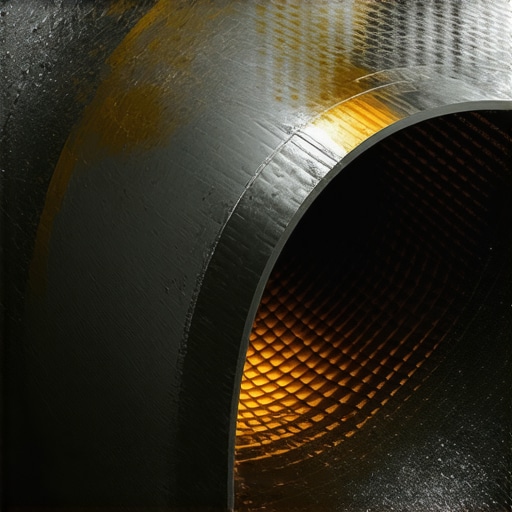
The catalytic converter sits as the silent sentinel of your vehicle’s emissions system, yet it is often the most misdiagnosed component in modern auto repair. To a seasoned mechanic, a clogged converter isn’t just a part failure; it is a symptomatic endgame resulting from upstream engine inefficiencies. When the ceramic honeycomb substrate inside the housing becomes restricted by carbon soot or melts due to excessive raw fuel, your engine essentially attempts to breathe through a straw. This restriction creates a cascade of performance issues that can be easily confused with fuel delivery problems or ignition failures if you aren’t looking at the data analytically.
Stop Guessing and Start Testing Exhaust Backpressure
One of the most definitive ways to verify a restriction without cutting the exhaust pipe is a backpressure test. By removing the upstream oxygen sensor and installing a pressure gauge, an expert can measure the force the engine must overcome to expel waste gases. In a healthy system, you should see less than 1.5 PSI at idle. If that needle climbs toward 3 or 4 PSI as you increase RPMs, the diagnosis is clear. This is why a comprehensive tune up is vital; ignoring a minor misfire allows unburnt fuel to enter the converter, where it ignites and melts the precious metal substrate. For those interested in DIY diagnostics, learning how to test your own O2 sensor can provide early clues before the converter reaches a point of no return.
Is Your Exhaust Actually Restricted or Is the ECU Just Lying?
Many drivers fall into the trap of replacing a converter because of a P0420 code, only to find the light returns a week later. A professional mechanic knows that a ‘Catalyst Efficiency Below Threshold’ code doesn’t always mean a clog; it can mean the chemical catalyst is no longer scrubbing the exhaust effectively. However, a true physical clog will manifest as a total loss of power at high speeds or a ‘bogging’ sensation under load. If you find yourself wondering why your car shakes or loses power, you might be dealing with common auto problems that mimic exhaust restriction, such as a failing fuel pump or a massive vacuum leak. Always verify the physical flow of the exhaust before committing to an expensive replacement.
Why Your Engine Temperature Spikes Under Load
A restricted catalytic converter acts like a thermal dam. When the exhaust gases cannot escape quickly, heat builds up in the cylinder heads and the exhaust manifold. This can lead to a mystery overheating condition that only occurs during highway driving or while climbing hills. High-performance brake service and cooling system checks are often prioritized, but the exhaust’s role in heat management is equally critical. According to technical standards established by the Society of Automotive Engineers (SAE), excessive exhaust backpressure can lead to increased pumping losses, which significantly degrades fuel economy and raises internal combustion temperatures. Using proactive tune up strategies can help you catch these thermal issues before they warp a cylinder head. If you suspect your vehicle is struggling with performance, do not wait for a complete stall. You should seek professional guidance or explore our advanced guides to ensure your vehicle remains road-worthy and efficient.
To truly master the health of your exhaust system, you must look beyond the physical metal and into the digital heartbeat of the engine control unit. A professional mechanic relies heavily on fuel trim data to determine if the catalytic converter is being poisoned. Short Term Fuel Trim (STFT) and Long Term Fuel Trim (LTFT) represent the adjustments the computer makes to keep the engine running efficiently. If your LTFT is consistently high, the engine is compensating for a lean condition, often caused by a vacuum leak or a failing sensor. This imbalance forces the converter to work harder to chemically neutralize the resulting pollutants, leading to premature thermal degradation. Understanding how to recover your mpg with a simple 12-sensor cleaning can often rectify these trim issues before they cause permanent hardware damage.
Watch Your Fuel Trims to Save Your Exhaust
When an engine runs ‘rich’—meaning there is too much fuel and not enough air—the excess hydrocarbons are sent straight into the converter. This isn’t just an emissions problem; it is a fire hazard. The unburnt fuel can ignite inside the substrate, reaching temperatures well over 1,200 degrees Fahrenheit, which effectively turns the precious metal interior into a molten slag. Experts often debate the efficacy of additives, but the truth about engine flushes and fuel system cleaners is that they can only help if the underlying mechanical timing is correct. If you ignore a flashing check engine light, you are essentially signing the death warrant for your exhaust system.
Is Your “Lean” Engine Actually Suffocating Your Catalyst?
It sounds counterintuitive, but a lean-running engine can be just as destructive as a rich one. When the air-fuel mixture is too thin, combustion temperatures skyrocket, leading to high levels of Nitrogen Oxides (NOx) that the converter must struggle to break down. This extra workload creates localized hot spots on the ceramic honeycomb. Often, the culprit is something as mundane as a cracked intake boot. We have seen cases where a 5-dollar vacuum leak not only ruins shift quality but also causes enough engine misfires to melt a thousand-dollar converter. According to the U.S. Environmental Protection Agency (EPA), a properly functioning catalytic converter can reduce harmful emissions by up to 90%, but its efficiency relies entirely on a precise stoichiometric air-fuel ratio maintained by the vehicle’s computer. Without this balance, the catalyst becomes a victim of the engine’s struggle to stay within operating parameters.
Stop Oil Consumption Before It Destroys the Ceramic Core
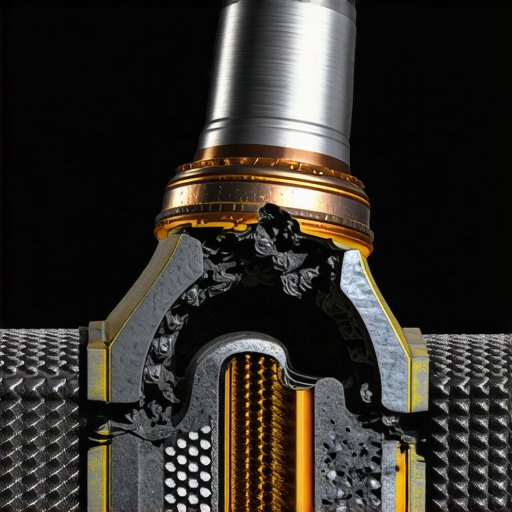
Internal engine health is the greatest predictor of converter longevity. If your vehicle is burning oil, that blue smoke isn’t just an eyesore—it is a coating agent. Phosphorus and zinc from engine oil create a ‘masking’ effect on the catalyst’s precious metals (platinum, palladium, and rhodium), preventing them from interacting with the exhaust gases. This is where the 14-dollar PCV valve fix becomes the most important auto repair you can perform. A clogged PCV system increases internal crankcase pressure, forcing oil past the piston rings and into the combustion chamber. If you have noticed a mystery misfire lately, check your ignition components, as a 12-dollar spark plug boot error can allow raw fuel to dump into the exhaust, accelerating the demise of your converter.
Don’t Wait for the Red-Hot Glow
By the time a catalytic converter is glowing red under your car, the damage is catastrophic. Proactive owners should integrate exhaust backpressure checks into their regular tune up schedule, especially on high-mileage vehicles. If you have experienced a sudden drop in power or a sulfurous ‘rotten egg’ smell, the clock is ticking. Share your most frustrating diagnostic mystery in the comments below, or tell us if a simple sensor cleaning ever saved you from a four-figure repair bill. Keeping the dialogue open helps every driver avoid the ‘parts cannon’ approach and focus on data-driven solutions.
Grab Your Laser Temp Gun to Spot a Dead Cat
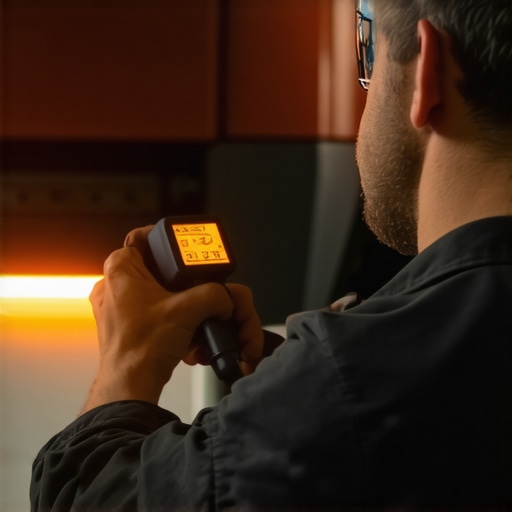
One of the quickest ways to confirm if your catalytic converter is physically active—rather than just being a hollowed-out shell or a chemical dud—is to perform a thermal delta test using an infrared thermometer. A functional converter is an exothermic reactor, meaning the chemical process of scrubbing pollutants actually generates heat. When your engine is at full operating temperature, the outlet pipe of the converter should be significantly hotter than the inlet pipe. A professional mechanic looks for a temperature increase of at least 100 degrees Fahrenheit from front to back. If the outlet is cooler than the inlet, the catalyst has “gone cold,” and no amount of sensor cleaning will bring it back to life. This thermal signature provides immediate physical evidence that complements the digital data provided by your OBD-II scanner.
How much of a temperature difference indicates a healthy catalytic converter?
In a high-performing system, you should expect to see the outlet temperature approximately 10% to 20% higher than the inlet. For example, if the inlet pipe measures 450°F, a healthy outlet should be north of 500°F. If you notice the temperatures are nearly identical, the internal tune up state of the engine might be correct, but the converter itself has lost its ability to light off. This often happens after a period of severe overheating or “thermal quenching,” where a hot converter is suddenly cooled by deep water or snow, causing the ceramic substrate to shatter internally. If you are trying to narrow down a mystery rattle, tapping the housing with a rubber mallet can reveal if the honeycomb has disintegrated into ceramic gravel.
The Antifreeze Trap That Poisons Your Washcoat
While fuel and oil are the usual suspects, internal coolant leaks are the silent assassins of the exhaust system. Silicates found in many traditional green coolants can coat the microscopic pores of the washcoat—the layer of precious metals that does the actual work. Once this “glazing” occurs, the exhaust gases can no longer make contact with the platinum and rhodium. According to technical data from the Manufacturers of Emission Controls Association (MECA), even minute amounts of silicon contamination can permanently deactivate a catalyst, leading to a permanent P0420 code. This is why addressing a small head gasket leak or a seeping intake manifold gasket is a non-negotiable auto repair. You aren’t just saving your coolant levels; you are protecting a component that costs ten times more than the gasket itself.
Why High-Flow Catalysts Might Trigger Your Dashboard Lights
Performance enthusiasts often swap factory units for “high-flow” alternatives during a tune up to reduce backpressure and gain horsepower. However, these aftermarket units often have a lower density of precious metals to keep costs down and flow rates up. The vehicle’s ECU is programmed with very strict parameters regarding how much oxygen the rear sensor should see. If the “high-flow” unit doesn’t scrub the exhaust fast enough, the computer perceives it as a failure. This creates a frustrating loop where the car runs perfectly, yet fails emissions testing. Exploring the nuances of high-performance exhaust tuning can help you understand the delicate balance between airflow and chemical efficiency.
The “Lazy” Sensor Syndrome Masking Exhaust Health
Sometimes, the converter is perfectly fine, but the downstream oxygen sensor has become “lazy.” Unlike the upstream sensor, which must switch rapidly to manage the air-fuel ratio, the downstream sensor should remain relatively steady. If it begins to mirror the upstream sensor’s oscillations, the ECU assumes the converter is dead. But if the sensor is simply aged and slow to respond, it can throw false codes that lead to unnecessary replacements. A savvy mechanic will use an oscilloscope to graph the sensor’s response time before condemning the hardware. If you’ve been chasing a ghost in your system, consider the possibility that your sensors are simply tired from years of heat cycles…
The secondary air injection (SAI) system is a frequent culprit behind premature catalyst failure that many novices overlook. By pumping fresh oxygen into the exhaust manifold during a cold start, the SAI accelerates the exothermic reaction required for the converter to reach its light-off temperature. If the one-way check valve fails, acidic exhaust gases backflow into the pump, causing internal corrosion and eventual seizure. This leads to a rich-run condition during the most vulnerable minutes of engine operation, leaving the ceramic substrate coated in unburnt hydrocarbons that no tune up can easily remove once they’ve baked on.
Stop the Cold-Start Killer Before It Destroys Your Washcoat
When the SAI system fails, the engine control module often stays in ‘Open Loop’ longer than intended, dumping excess fuel to keep the engine from stalling. This is the moment when the catalytic converter is most at risk. If you hear a high-pitched whine or a ‘vacuum cleaner’ noise from under the hood during a cold start, your air pump is likely struggling. Ignoring this doesn’t just mean a failed emissions test; it means you are physically choking your engine’s ability to process waste. Expert auto repair requires looking at the SAI flow rates through a bi-directional scan tool rather than just replacing the pump and hoping for the best.
Why One Bad Tank of Gas Might Not Mean Your Converter Is Dead
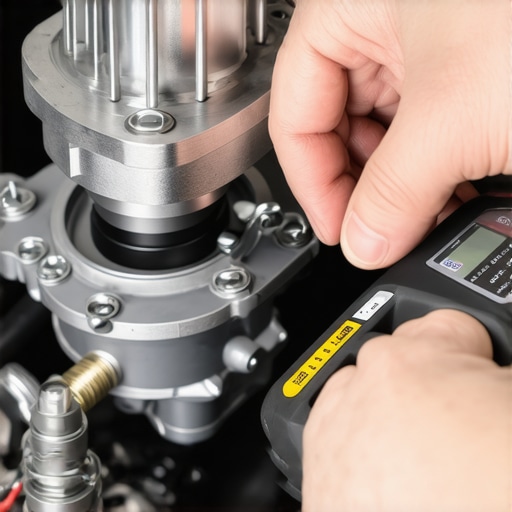
Sulfur poisoning is a specific type of ‘chemical masking’ that can trigger a false-positive for a dead converter. If you’ve recently filled up at a low-quality station, the high sulfur content can temporarily ‘blind’ the platinum and rhodium sites within the converter. This often results in the dreaded rotten-egg smell. Before you let a mechanic talk you into a two-thousand-dollar replacement, try a ‘de-sulfating’ drive cycle. This involves driving the vehicle at steady highway speeds for 20 to 30 minutes under moderate load, which can sometimes generate enough heat to burn off the sulfur deposits and restore the catalyst’s efficiency.
Can a chemical soak actually restore a poisoned catalyst?
There is a growing debate in the mechanic community about using citric acid or specialized detergents to ‘wash’ a removed converter. While some enthusiasts claim success in removing phosphorus and zinc buildup, professionals warn that this is a temporary fix at best. The ‘washcoat’—the layer that holds the precious metals—is incredibly fragile. Introducing harsh chemicals can lead to the structural degradation of the ceramic honeycomb. Instead of relying on ‘magic’ bottled solutions, focus on fixing the oil consumption or coolant leaks that caused the contamination in the first place. Proper brake service and suspension work keep you safe, but only precise fuel management keeps your exhaust alive.
Why Your State’s Emissions Laws Change the Repair Game
Navigating the legalities of replacement is just as complex as the mechanical diagnosis. The California Air Resources Board (CARB) maintains the strictest standards in the nation, requiring specific serial numbers and higher precious metal loadings than standard Federal (EPA) units. Even if you don’t live in California, many other states have adopted these rules. Installing a Federal-grade converter on a CARB-compliant vehicle won’t just keep the CEL on; it can lead to legal complications during resale. Always verify the emissions label under your hood before ordering parts. If you’ve been struggling with a stubborn P0420 code after multiple repairs, share your scan tool data in our community forums so we can help you pinpoint the exact failure point before you buy more parts.
Expert Insights & Advanced Considerations
Read the ECU’s Mind with Mode 06 Data
Before the check engine light even illuminates, your vehicle is already keeping a scorecard of component performance. By accessing Mode 06 data through a professional-grade scanner, an expert mechanic can see exactly how close a converter is to failing its internal self-test. This predictive data allows you to address a looming check engine light before it strands you. If you see misfire counts climbing in specific cylinders, you’ve found the root cause of your impending exhaust failure.
Universal Converters Often Miss the Mark
The temptation to save money on a “universal fit” converter is high, but these units often lack the precious metal density required by modern high-efficiency engines. In many cases, a cheap aftermarket unit will trigger a P0420 code immediately because the substrate surface area is too small to process the volume of exhaust gases. When performing a high-level tune up, always prioritize Direct-Fit units that match the specific OEM washcoat loading to ensure long-term compliance and performance.
Decode the Message in Your Tailpipe
Beyond digital scanners, your nose is one of the most effective diagnostic tools available. Different scents indicate specific failures, and identifying exhaust smells that reveal engine trouble can help you differentiate between a fuel-soaked catalyst and a coolant-poisoned core before you pull a single bolt.
Check Your Ground Straps to Prevent False Codes
Electrical noise can wreak havoc on sensitive oxygen sensor signals. A corroded engine ground can create a “voltage offset,” making the computer think the catalyst is failing when the issue is actually poor conductivity. Before condemning the hardware, ensure you haven’t overlooked a simple ground wire fix that could restore signal integrity and save you thousands in unnecessary parts replacement.
Curated Expert Resources
Manufacturers of Emission Controls Association (MECA): This organization provides the deepest technical dives into the chemistry of washcoats and the future of emissions technology. It is a vital resource for anyone wanting to understand the chemical engineering behind catalyst failure.
CARB Aftermarket Catalyst Database: Even if you aren’t in a regulated state, this database is the gold standard for finding high-quality replacement parts. If a converter is tough enough to pass California’s standards, it is likely the best choice for your auto repair needs.
The ultimate tune up checklist for every car owner: For a holistic view of how engine maintenance affects exhaust health, our tune up checklist offers a roadmap for preventing the upstream failures that poison your converter.
#IMAGE_PLACEHOLDER_E#
Final Expert Perspective
Mastering the health of your exhaust system requires a shift from reactive replacement to proactive data analysis. By monitoring fuel trims, verifying thermal deltas, and addressing minor misfires early, you ensure your vehicle’s emissions system remains an asset rather than a liability. Successful auto repair is always built on a foundation of accurate diagnostics—never guess when the data is right in front of you. If you’ve encountered a particularly stubborn P0420 code or want to share your experience with finding the right mechanic for complex exhaust work, join the conversation below and help our community keep their cars running cleaner and longer.