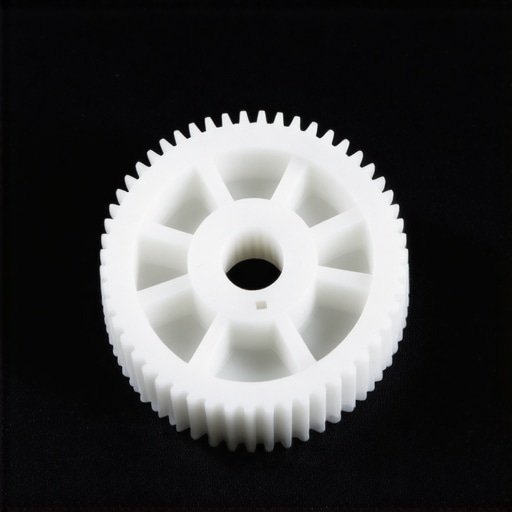
When a driver experiences a rhythmic, persistent clicking sound emanating from behind the center console, the immediate reaction is often one of financial dread. Many assume a catastrophic failure of the HVAC system or even a structural dashboard issue. However, in the field of professional auto repair, this sound is a classic signature of a stripped blend door actuator gear. This component, often no larger than a pocket watch, is responsible for the precise positioning of the doors that mix hot and cold air. When the internal nylon gears fatigue—a common occurrence in high-cycle plastic parts—the motor continues to spin against a broken tooth, creating a metronome-like tapping that can drive even the most patient car owner to distraction.
Modern Dashboards Hide a Frustrating Engineering Compromise
The transition from vacuum-actuated systems to electronic controls has significantly improved climate control precision, but it has introduced a specific point of failure. Manufacturers frequently utilize injection-molded nylon for the internal gearing of these actuators to reduce weight and production costs. According to research by the Society of Automotive Engineers (SAE), the thermal cycling inside a vehicle—ranging from sub-zero winter temperatures to the intense heat of a summer dashboard—can lead to polymer degradation, making these gears brittle over time. Expert mechanic analysis reveals that once a single tooth shears off, the feedback loop to the vehicle’s climate control module is broken, leading to the incessant clicking as the system attempts to calibrate the door position unsuccessfully.
Why Does My Dashboard Sound Like a Rhythmic Metronome?
This specific inquiry is frequent in expert forums because the noise often persists even after the engine is turned off. This happens because the vehicle’s Body Control Module (BCM) often runs a self-diagnostic or ‘park’ cycle for the actuators after the ignition is killed. If you are hearing this sound, it is a definitive sign that your actuator is failing to reach its commanded position. Utilizing mechanic tips for diagnosing common auto problems can help you isolate which side of the dash is affected—driver or passenger—by toggling the dual-zone temperature controls. If the clicking changes speed or frequency when you adjust the temperature, you have found your culprit.
[image_placeholder_1]
The Economic Reality of the $12 Actuator Repair
The disparity between the part cost and the labor cost for this specific auto repair is legendary among service writers. While the replacement gear or the entire actuator unit might only cost between $12 and $50, the labor to access it can be extensive. On some vehicle platforms, the entire dashboard must be ‘pulled’ or rotated forward, a process that can take six to eight hours. However, savvy technicians often know ‘shortcuts’—access panels or specific tool angles—that can cut this time in half. This is why choosing a skilled mechanic you can trust is vital; an experienced tech will know if your specific model allows for a ‘dash-in’ repair versus a full tear-down.
Don’t Let a Simple Gear Strip Your Bank Account
Before agreeing to a massive repair bill, always ask for a borescope inspection to confirm the actuator failure. Sometimes, the issue isn’t the gear itself but a piece of debris, like a stray coin or a pen, that has fallen down a defrost vent and jammed the door. If you are looking for more ways to keep your vehicle in peak condition without overpaying, consider these auto repair cost saving tips from industry experts to navigate the complexities of modern car maintenance. If you have encountered a similar cabin noise mystery, share your diagnostic journey with our community of specialists to help other drivers avoid unnecessary costs.
The internal logic of the HVAC module relies on a feedback potentiometer located within the actuator housing. This component communicates the exact angle of the blend door back to the main computer. When the gear slips, the computer detects a mismatch between the intended position and the actual feedback voltage. It then attempts to ‘hunt’ for the correct position, which results in the repetitive motion that creates the noise. This is technically similar to how the 15 sensor that fixes your rough idle in minutes works by providing critical data to the PCM; without clean data, the mechanical components simply cannot function correctly.
The Logic Loop That Turns a Small Crack into a Major Headache
According to the National Institute for Automotive Service Excellence (ASE), diagnosing modern electronic actuators requires a thorough understanding of duty cycles and pulse-width modulation signals. If the control module provides an inconsistent signal due to a frayed wire or a corroded connector, even a brand-new actuator will fail within weeks. This is why a technician might use a multimeter to verify the 5-volt reference signal before condemning the part. Much like learning how to test your own o2 sensor using a 15 multimeter, checking the actuator’s connector pins can save you from replacing parts that aren’t actually broken.
Can You Force a Re-Calibration Without Professional Software?
Many owners try to fix the ‘stuck’ door by performing a hard reset of the vehicle’s electrical system. By disconnecting the battery for thirty minutes, you force the HVAC module to perform a ‘zero-point’ calibration upon the next start-up. During this phase, the module drives the doors to their physical limits to learn the stop points. If the gears are only slightly worn, this might buy you a few months of silence. However, if the plastic is truly sheared, this process often makes the clicking louder as the motor pushes harder against the broken teeth. It is a gamble similar to ignoring the 5 o-ring that stops your engine from lunging at stoplights; small issues usually escalate if the underlying physical failure isn’t addressed.
The Danger of Forcing the Door Manually
In a desperate attempt to get heat or cold air, some DIYers attempt to force the blend door by hand after removing the actuator. This is a high-risk move because the internal hinges on the heater box are often just as fragile as the actuator gears. If you snap the door hinge itself, you transform a relatively simple actuator swap into a multi-thousand dollar repair requiring a total HVAC case replacement. Sometimes, the issue is as simple as a blown circuit, much like the hidden fuse that kills your entire transmission control module. Always check your fuse block for ‘HVAC’ or ‘Air Con’ labels before assuming the worst mechanical scenario. If you’ve ever tried a dashboard reset only to have the noise get worse, share your story in the comments below to help our community build a better diagnostic database.
Why Basic Scanners Fail to See Your HVAC Problems
Most DIY enthusiasts reach for a standard OBD-II dongle the moment a warning light appears, but these entry-level tools often ignore the Body Control Module (BCM). Unlike powertrain codes that trigger a Check Engine Light, HVAC malfunctions typically reside in the proprietary communication layers of the vehicle’s network. To truly diagnose a failing blend door actuator, a technician utilizes a bi-directional scan tool capable of reading ‘B’ or ‘C’ prefix codes. This level of access allows the mechanic to perform a ‘potentiometer sweep’ test, observing the live voltage data as the door moves from 0% to 100% open. If the voltage graph shows a ‘dropout’ or a sudden spike, it confirms a physical dead spot on the internal sensor track, even if the gears themselves haven’t started clicking yet.
How Thermal Cycling Destroys Internal Gear Mesh
The environment inside a dashboard is one of the most hostile areas for automotive plastics. During a typical winter drive, the heater core can reach temperatures upwards of 180°F, while the exterior of the ductwork remains near freezing. This creates a massive thermal gradient. According to a study published in the Journal of Engineering Failure Analysis, repeated expansion and contraction of glass-filled nylon—the primary material for actuator gears—leads to microscopic stress fractures at the base of the gear teeth. Over time, these ‘micro-cracks’ propagate until the tooth shear strength is compromised. When the motor applies its full torque during a calibration cycle, the weakened tooth finally gives way, leaving the system in the ‘hunting’ loop we recognize as that rhythmic tapping.
Can a Clicking Dashboard Actually Drain My Car Battery?
The short answer is a resounding yes. Modern vehicle architectures utilize a ‘keep-alive’ memory within the climate control module. If a blend door actuator is jammed or failing to reach its intended ‘park’ position, the module may prevent the vehicle’s data bus from entering ‘sleep mode.’ As long as the bus is active, the vehicle can pull anywhere from 200mA to 2.0A of current, which is significantly higher than the standard 50mA parasitic draw limit. This is why a simple auto repair involving a $20 gear can actually prevent a ‘no-start’ condition on a cold morning. If you find your battery is dead after the car has sat for two days and you have been hearing dashboard noises, the two issues are likely linked.
Stop the Hunt by Verifying Signal Integrity First
Before you commit to the labor-intensive process of pulling the dashboard, it is imperative to verify that the HVAC module is actually sending the correct Pulse Width Modulation (PWM) signal. A high-impedance multimeter or a portable oscilloscope is the tool of choice here. You are looking for a clean square wave signal; if the signal is ‘noisy’ or intermittent, the actuator might be perfectly fine, and the fault could lie in a chafed wiring harness or a failing control head. This level of precision is what separates a parts-changer from a master mechanic. For those looking to dive deeper into electrical diagnostics, checking out mechanic tips for diagnosing common auto problems can provide the foundational knowledge needed to interpret these complex waveforms.
The Role of LIN-bus Architecture in Modern Actuators
In the latest generation of luxury and high-tech vehicles, actuators are no longer simple ‘dumb’ motors; they are smart nodes on a Local Interconnect Network (LIN). This means multiple actuators share a single power, ground, and data wire, significantly reducing the weight of the wiring harness. However, this also means that a single short-circuited actuator can ‘take down’ the entire network, causing every vent in the car to stop responding simultaneously. Troubleshooting this requires a systematic approach of disconnecting one actuator at a time while monitoring the network voltage. Have you ever seen a single faulty part disable an entire system? Your insights could help another driver facing a total HVAC blackout.
While the mechanical failure of nylon gears is the primary culprit behind the rhythmic clicking in a dashboard, seasoned auto repair specialists often look deeper into the vehicle’s airflow dynamics. A frequently overlooked factor in actuator longevity is the state of the cabin air filter. When a filter becomes restricted with debris, the HVAC blower motor must work harder to push air through the system, creating unexpected pressure differentials within the ductwork. This static pressure forces the blend doors to resist movement more than the original engineering specifications allowed. Consequently, the actuator motor must apply peak torque more frequently to overcome this resistance, which accelerates the fatigue of those fragile internal plastic teeth.
Clogged Filters Create a Vacuum That Snaps Plastic Teeth
Neglecting a $20 cabin air filter can directly lead to a $1,000 dashboard teardown. The increased load during a mode door transition—where the system switches from ‘face’ to ‘floor’—can be enough to strip a gear that might have otherwise lasted another 50,000 miles. During a professional tune up, checking for airflow restrictions is a critical diagnostic step. If the system cannot breathe, every mechanical component behind the console is under duress. This highlights why preventive maintenance is the most effective way to avoid complex climate control failures. If you have noticed your fan speed seems weaker than usual alongside a new clicking sound, the two symptoms are likely inextricably linked.

Update Your Software Before You Tear Out the Dash
In many modern vehicles, the clicking isn’t caused by a failed part but by outdated logic in the HVAC control module. Manufacturers often release Technical Service Bulletins (TSBs) that include software updates to recalibrate how much force the actuator applies at its travel limits. According to data from the National Highway Traffic Safety Administration (NHTSA), certain vehicle lines have faced recalls or extended warranties specifically because the software was ‘over-driving’ the actuators into the hard stops, causing them to self-destruct. Before authorizing a physical replacement, a master mechanic will check for any available module flashes that might re-zero the stop points and extend the life of the remaining gears.
How Do Calibration Limits Drastically Shorten Component Life?
This expert-level question touches on the ‘duty cycle’ of the actuator motor. When a vehicle is first started, the HVAC module often runs a ‘full sweep’ to verify door position. If the software is programmed with ‘hard’ limits that exceed the physical flexibility of the plastic door hinges, the motor will continue to push for several milliseconds after the door has closed. This creates a high-torque stall condition. Over time, these daily stall events create micro-fractures in the gear hub. Specialized diagnostic tools can often adjust these ‘soft stops’ via the vehicle’s gateway, potentially silencing a minor click before the tooth completely shears off.
Defrost Failures Turn a Noise Into a Safety Hazard
Beyond the annoyance of a clicking sound, a failed blend door or mode actuator can become a genuine safety concern during winter months. If the actuator responsible for the defrost vent fails, the driver loses the ability to clear the windshield of ice and fog. This is where high-level brake service and general safety inspections intersect with HVAC health. Ensuring that your climate control system can prioritize airflow to the windshield is vital for visibility. If your dashboard has started clicking and you notice the ‘defrost’ setting is no longer blowing air at the glass, this has transitioned from a comfort issue to a mandatory safety repair. Using mechanic tips for diagnosing common auto problems, you can manually verify if the defrost linkage is still intact by reaching behind the glovebox on many models. Have you ever lost your defrost capability during a storm? Tell us about your experience in the comments to help others understand the urgency of this repair.
When a driver experiences a rhythmic, persistent clicking sound emanating from behind the center console, the immediate reaction is often one of financial dread. Many assume a catastrophic failure of the HVAC system or even a structural dashboard issue. However, in the field of professional auto repair, this sound is a classic signature of a stripped blend door actuator gear. This component, often no larger than a pocket watch, is responsible for the precise positioning of the doors that mix hot and cold air. When the internal nylon gears fatigue—a common occurrence in high-cycle plastic parts—the motor continues to spin against a broken tooth, creating a metronome-like tapping that can drive even the most patient car owner to distraction.
Modern Dashboards Hide a Frustrating Engineering Compromise
The transition from vacuum-actuated systems to electronic controls has significantly improved climate control precision, but it has introduced a specific point of failure. Manufacturers frequently utilize injection-molded nylon for the internal gearing of these actuators to reduce weight and production costs. According to research by the Society of Automotive Engineers (SAE), the thermal cycling inside a vehicle—ranging from sub-zero winter temperatures to the intense heat of a summer dashboard—can lead to polymer degradation, making these gears brittle over time. Expert mechanic analysis reveals that once a single tooth shears off, the feedback loop to the vehicle’s climate control module is broken, leading to the incessant clicking as the system attempts to calibrate the door position unsuccessfully.
Why Does My Dashboard Sound Like a Rhythmic Metronome?
This specific inquiry is frequent in expert forums because the noise often persists even after the engine is turned off. This happens because the vehicle’s Body Control Module (BCM) often runs a self-diagnostic or ‘park’ cycle for the actuators after the ignition is killed. If you are hearing this sound, it is a definitive sign that your actuator is failing to reach its commanded position. Utilizing mechanic tips for diagnosing common auto problems can help you isolate which side of the dash is affected—driver or passenger—by toggling the dual-zone temperature controls. If the clicking changes speed or frequency when you adjust the temperature, you have found your culprit.
[image_placeholder_1]
The Economic Reality of the $12 Actuator Repair
The disparity between the part cost and the labor cost for this specific auto repair is legendary among service writers. While the replacement gear or the entire actuator unit might only cost between $12 and $50, the labor to access it can be extensive. On some vehicle platforms, the entire dashboard must be ‘pulled’ or rotated forward, a process that can take six to eight hours. However, savvy technicians often know ‘shortcuts’—access panels or specific tool angles—that can cut this time in half. This is why choosing a skilled mechanic you can trust is vital; an experienced tech will know if your specific model allows for a ‘dash-in’ repair versus a full tear-down.
Don’t Let a Simple Gear Strip Your Bank Account
Before agreeing to a massive repair bill, always ask for a borescope inspection to confirm the actuator failure. Sometimes, the issue isn’t the gear itself but a piece of debris, like a stray coin or a pen, that has fallen down a defrost vent and jammed the door. If you are looking for more ways to keep your vehicle in peak condition without overpaying, consider these auto repair cost saving tips from industry experts to navigate the complexities of modern car maintenance. If you have encountered a similar cabin noise mystery, share your diagnostic journey with our community of specialists to help other drivers avoid unnecessary costs.
The internal logic of the HVAC module relies on a feedback potentiometer located within the actuator housing. This component communicates the exact angle of the blend door back to the main computer. When the gear slips, the computer detects a mismatch between the intended position and the actual feedback voltage. It then attempts to ‘hunt’ for the correct position, which results in the repetitive motion that creates the noise. This is technically similar to how the 15 sensor that fixes your rough idle in minutes works by providing critical data to the PCM; without clean data, the mechanical components simply cannot function correctly.
The Logic Loop That Turns a Small Crack into a Major Headache
According to the National Institute for Automotive Service Excellence (ASE), diagnosing modern electronic actuators requires a thorough understanding of duty cycles and pulse-width modulation signals. If the control module provides an inconsistent signal due to a frayed wire or a corroded connector, even a brand-new actuator will fail within weeks. This is why a technician might use a multimeter to verify the 5-volt reference signal before condemning the part. Much like learning how to test your own o2 sensor using a 15 multimeter, checking the actuator’s connector pins can save you from replacing parts that aren’t actually broken.
Can You Force a Re-Calibration Without Professional Software?
Many owners try to fix the ‘stuck’ door by performing a hard reset of the vehicle’s electrical system. By disconnecting the battery for thirty minutes, you force the HVAC module to perform a ‘zero-point’ calibration upon the next start-up. During this phase, the module drives the doors to their physical limits to learn the stop points. If the gears are only slightly worn, this might buy you a few months of silence. However, if the plastic is truly sheared, this process often makes the clicking louder as the motor pushes harder against the broken teeth. It is a gamble similar to ignoring the 5 o-ring that stops your engine from lunging at stoplights; small issues usually escalate if the underlying physical failure isn’t addressed.
The Danger of Forcing the Door Manually
In a desperate attempt to get heat or cold air, some DIYers attempt to force the blend door by hand after removing the actuator. This is a high-risk move because the internal hinges on the heater box are often just as fragile as the actuator gears. If you snap the door hinge itself, you transform a relatively simple actuator swap into a multi-thousand dollar repair requiring a total HVAC case replacement. Sometimes, the issue is as simple as a blown circuit, much like the hidden fuse that kills your entire transmission control module. Always check your fuse block for ‘HVAC’ or ‘Air Con’ labels before assuming the worst mechanical scenario. If you’ve ever tried a dashboard reset only to have the noise get worse, share your story in the comments below to help our community build a better diagnostic database.
Why Basic Scanners Fail to See Your HVAC Problems
Most DIY enthusiasts reach for a standard OBD-II dongle the moment a warning light appears, but these entry-level tools often ignore the Body Control Module (BCM). Unlike powertrain codes that trigger a Check Engine Light, HVAC malfunctions typically reside in the proprietary communication layers of the vehicle’s network. To truly diagnose a failing blend door actuator, a technician utilizes a bi-directional scan tool capable of reading ‘B’ or ‘C’ prefix codes. This level of access allows the mechanic to perform a ‘potentiometer sweep’ test, observing the live voltage data as the door moves from 0% to 100% open. If the voltage graph shows a ‘dropout’ or a sudden spike, it confirms a physical dead spot on the internal sensor track, even if the gears themselves haven’t started clicking yet.
How Thermal Cycling Destroys Internal Gear Mesh
The environment inside a dashboard is one of the most hostile areas for automotive plastics. During a typical winter drive, the heater core can reach temperatures upwards of 180°F, while the exterior of the ductwork remains near freezing. This creates a massive thermal gradient. According to a study published in the Journal of Engineering Failure Analysis, repeated expansion and contraction of glass-filled nylon—the primary material for actuator gears—leads to microscopic stress fractures at the base of the gear teeth. Over time, these ‘micro-cracks’ propagate until the tooth shear strength is compromised. When the motor applies its full torque during a calibration cycle, the weakened tooth finally gives way, leaving the system in the ‘hunting’ loop we recognize as that rhythmic tapping.
Can a Clicking Dashboard Actually Drain My Car Battery?
The short answer is a resounding yes. Modern vehicle architectures utilize a ‘keep-alive’ memory within the climate control module. If a blend door actuator is jammed or failing to reach its intended ‘park’ position, the module may prevent the vehicle’s data bus from entering ‘sleep mode.’ As long as the bus is active, the vehicle can pull anywhere from 200mA to 2.0A of current, which is significantly higher than the standard 50mA parasitic draw limit. This is why a simple auto repair involving a $20 gear can actually prevent a ‘no-start’ condition on a cold morning. If you find your battery is dead after the car has sat for two days and you have been hearing dashboard noises, the two issues are likely linked.
Stop the Hunt by Verifying Signal Integrity First
Before you commit to the labor-intensive process of pulling the dashboard, it is imperative to verify that the HVAC module is actually sending the correct Pulse Width Modulation (PWM) signal. A high-impedance multimeter or a portable oscilloscope is the tool of choice here. You are looking for a clean square wave signal; if the signal is ‘noisy’ or intermittent, the actuator might be perfectly fine, and the fault could lie in a chafed wiring harness or a failing control head. This level of precision is what separates a parts-changer from a master mechanic. For those looking to dive deeper into electrical diagnostics, checking out mechanic tips for diagnosing common auto problems can provide the foundational knowledge needed to interpret these complex waveforms.
The Role of LIN-bus Architecture in Modern Actuators
In the latest generation of luxury and high-tech vehicles, actuators are no longer simple ‘dumb’ motors; they are smart nodes on a Local Interconnect Network (LIN). This means multiple actuators share a single power, ground, and data wire, significantly reducing the weight of the wiring harness. However, this also means that a single short-circuited actuator can ‘take down’ the entire network, causing every vent in the car to stop responding simultaneously. Troubleshooting this requires a systematic approach of disconnecting one actuator at a time while monitoring the network voltage. Have you ever seen a single faulty part disable an entire system? Your insights could help another driver facing a total HVAC blackout.
While the mechanical failure of nylon gears is the primary culprit behind the rhythmic clicking in a dashboard, seasoned auto repair specialists often look deeper into the vehicle’s airflow dynamics. A frequently overlooked factor in actuator longevity is the state of the cabin air filter. When a filter becomes restricted with debris, the HVAC blower motor must work harder to push air through the system, creating unexpected pressure differentials within the ductwork. This static pressure forces the blend doors to resist movement more than the original engineering specifications allowed. Consequently, the actuator motor must apply peak torque more frequently to overcome this resistance, which accelerates the fatigue of those fragile internal plastic teeth.
Clogged Filters Create a Vacuum That Snaps Plastic Teeth
Neglecting a $20 cabin air filter can directly lead to a $1,000 dashboard teardown. The increased load during a mode door transition—where the system switches from ‘face’ to ‘floor’—can be enough to strip a gear that might have otherwise lasted another 50,000 miles. During a professional essential tune-up tips to boost your car’s performance evaluation, checking for airflow restrictions is a critical diagnostic step. If the system cannot breathe, every mechanical component behind the console is under duress. This highlights why preventive maintenance is the most effective way to avoid complex climate control failures. If you have noticed your fan speed seems weaker than usual alongside a new clicking sound, the two symptoms are likely inextricably linked.
Update Your Software Before You Tear Out the Dash
In many modern vehicles, the clicking isn’t caused by a failed part but by outdated logic in the HVAC control module. Manufacturers often release Technical Service Bulletins (TSBs) that include software updates to recalibrate how much force the actuator applies at its travel limits. According to data from the National Highway Traffic Safety Administration (NHTSA), certain vehicle lines have faced recalls or extended warranties specifically because the software was ‘over-driving’ the actuators into the hard stops, causing them to self-destruct. Before authorizing a physical replacement, a master mechanic will check for any available module flashes that might re-zero the stop points and extend the life of the remaining gears.
How Do Calibration Limits Drastically Shorten Component Life?
This expert-level question touches on the ‘duty cycle’ of the actuator motor. When a vehicle is first started, the HVAC module often runs a ‘full sweep’ to verify door position. If the software is programmed with ‘hard’ limits that exceed the physical flexibility of the plastic door hinges, the motor will continue to push for several milliseconds after the door has closed. This creates a high-torque stall condition. Over time, these daily stall events create micro-fractures in the gear hub. Specialized diagnostic tools can often adjust these ‘soft stops’ via the vehicle’s gateway, potentially silencing a minor click before the tooth completely shears off.
Defrost Failures Turn a Noise Into a Safety Hazard
Beyond the annoyance of a clicking sound, a failed blend door or mode actuator can become a genuine safety concern during winter months. If the actuator responsible for the defrost vent fails, the driver loses the ability to clear the windshield of ice and fog. This is where high-level brake service and general safety inspections intersect with HVAC health. Ensuring that your climate control system can prioritize airflow to the windshield is vital for visibility. If your dashboard has started clicking and you notice the ‘defrost’ setting is no longer blowing air at the glass, this has transitioned from a comfort issue to a mandatory safety repair. Using mechanic tips for diagnosing common auto problems, you can manually verify if the defrost linkage is still intact by reaching behind the glovebox on many models. Have you ever lost your defrost capability during a storm? Tell us about your experience in the comments to help others understand the urgency of this repair.
Expert Insights & Advanced Considerations
Why Summer Heat Is the Real Actuator Killer
While winter is often blamed for plastic failures, the extreme interior temperatures of a car parked in the sun can reach 160 degrees Fahrenheit, causing nylon gears to expand beyond their design tolerances. This expansion increases friction between the gear teeth, accelerating the shearing process when the motor attempts to adjust the blend door. Professional observations suggest that most failures are initiated during these high-heat cycles before becoming audible in the cooler months.
Don’t Ignore the Feedback Loop
A clicking actuator isn’t just a noise nuisance; it is a potential parasitic drain. Because the climate control module may refuse to enter sleep mode while an actuator is ‘hunting,’ your vehicle’s electrical system remains under load. Applying mechanic tips for diagnosing common auto problems can help you identify this drain before it leaves you with a dead battery on a cold morning.
The Fallacy of the Hard Reset
Many DIY enthusiasts recommend disconnecting the battery to ‘fix’ a stuck door. In reality, this forces a violent zero-point calibration. If the gears are already brittle, this high-torque event is often what finally snaps the remaining teeth. Instead of a hard reset, focus on auto repair strategies that involve software recalibration via a bi-directional tool to reduce the ‘stop’ pressure on the plastic components.
Curated Expert Resources
ASE Certification Prep (A7 Heating & A/C): The gold standard for understanding the physics of automotive climate control, providing deep dives into refrigerant cycles and electronic door control logic.
NHTSA Service Bulletin Database: An essential tool for searching your VIN to see if there is a TSB or extended warranty covering your specific dashboard noise issue.
SAE Technical Papers on Automotive Polymers: For those who want to understand the ‘why’ behind the failure, these papers detail the fatigue limits of glass-filled nylon gears in thermal-cycling environments.
Final Expert Perspective
The rhythmic clicking behind your dashboard is more than a nuisance; it is a diagnostic signal that requires immediate attention to avoid complex auto repair bills later. By understanding the link between thermal stress, software logic, and mechanical fatigue, you can approach these repairs with a strategy that prioritizes longevity. Whether you are performing a DIY swap or choosing a skilled mechanic you can trust, always verify signal integrity before tearing out the console. We invite you to share your technical findings or unique dashboard ‘shortcuts’ with our community to help refine these diagnostic standards for everyone.