
Modern vehicle diagnostics often prioritize electronic sensors and significant mechanical failures, yet the most persistent irritants for drivers frequently stem from minor hardware fatigue. Noise, Vibration, and Harshness (NVH) engineering dictates that even a slight deviation in component mounting can lead to harmonic resonance that mimics serious suspension issues. When a client reports a persistent rattle that seems to emanate from the wheel well, an experienced mechanic knows that the culprit is rarely a catastrophic component failure but rather a breakdown in isolation and damping. Identifying these micro-failures requires a shift from part-swapping to forensic structural analysis of the braking and suspension sub-assemblies.
Identify the Real Source of Wheel Well Clatter
Most drivers assume that a metallic clicking or rattling sound signifies that they need an immediate brake service focused on pads and rotors. While worn-out clips or loose pads are common culprits, there is a secondary layer of hardware—the brake line brackets—that professionals often overlook during a high-speed inspection. These brackets are designed to keep hydraulic lines static under high pressure and intense road vibration. Over time, the rubber insulators or the metal tensioners within these $12 components lose their structural integrity due to heat cycles and road salt. When this happens, the brake line itself begins to tap against the chassis or the strut housing with every minor road imperfection. This rhythmic ‘rattling’ is often mistaken for a bad strut or a loose caliper, leading to unnecessary and expensive auto repair. For those dealing with mystery sounds, consulting mechanic tips for diagnosing common auto problems can help differentiate between minor hardware noise and major safety failures.
Why do technicians miss noise-causing hardware during a standard brake service?
Standard service protocols usually focus on the friction surfaces—the pads, rotors, and calipers. During a routine inspection, a technician might verify the thickness of the friction material but fail to check the specific tension of the secondary mounting hardware located behind the hub. According to technical standards published by organizations like SAE International, the secondary vibration paths in a braking system are critical to long-term driver satisfaction and the prevention of harmonic fatigue. If the brake line bracket is loose or the bushing is perished, the hydraulic line is subjected to excessive flex, which can lead to premature fatigue of the copper-nickel lines. To prevent this, ensure your next service includes a ‘shake test’ of all hardline mountings and flex-hose brackets. If you are planning a DIY fix, you might also find brake service secrets to boost safety useful for a more comprehensive approach to your wheel-well health.
The $12 Hack That Restores Cabin Silence
Replacing a fatigued brake line bracket or its associated rubber grommet is one of the most cost-effective ways to eliminate high-frequency rattling. It involves unbolting the existing, loose bracket and installing a new unit that restores the factory-spec damping necessary to absorb the hydraulic pulses from the ABS system. This simple swap often achieves what a full tune up cannot: a return to the ‘new car’ feel of a quiet, isolated cabin. If you have noticed other sounds, like a metallic buzzing from underneath the vehicle, you might also consider investigating the 15-dollar fix for a rattling heat shield to ensure your chassis is fully secured. Are you ready to dive deeper into professional-grade maintenance? Explore our essential guide to auto repair to keep your vehicle performing at its peak without overspending on misdiagnosed parts.
Stop Replacing Transmissions for Simple Electrical Gremlins
The sensation of a transmission ‘slipping’ often sends a surge of panic through even the most seasoned car owners, yet modern auto repair frequently reveals that the mechanical gears are perfectly intact. In many electronically controlled transmissions, the symptoms of gear hunting or erratic shifting are actually caused by corrupted data signals rather than worn clutch packs. A faulty sensor or a corroded ground wire can trick the Transmission Control Module (TCM) into applying the wrong hydraulic pressure at the wrong time. Before committing to a rebuild, it is vital to learn how to tell if your transmission slip is actually a 15-dollar electrical issue. These micro-fixes address the root cause of ‘phantom’ mechanical failures that many shops misdiagnose as terminal hardware damage. #IMAGE_PLACE_HOLDER_B#
Why does a simple voltage drop feel like a mechanical failure?
In a high-precision powertrain, the solenoids responsible for fluid routing rely on consistent voltage to maintain the proper duty cycle. When the alternator’s output becomes unstable or a battery terminal develops high resistance, these solenoids can flutter. This fluttering manifests as a ‘jerky’ sensation that mimics a failing torque converter. According to research by the Car Care Council, neglecting these small electrical inconsistencies is a leading cause of premature vehicle scrappage in the United States. To avoid this trap, diagnostic professionals recommend a systematic approach that starts with the charging system before touching the transmission pan. If your car exhibits odd behavior during idle, you should also investigate why your engine surges while stopped at a light, as vacuum leaks and electrical noise often overlap in their symptoms.
Combat the Silent Engine Killer of Low Oil Pressure
Beyond the transmission, internal engine health often hinges on components that cost less than a tank of gas but perform a Herculean task. One of the most overlooked failure points in modern high-mileage engines is the oil pickup tube seal.
How can an $8 O-ring prevent a $3,000 engine rebuild?
As engines age, the rubber O-ring that seals the oil pickup tube to the oil pump becomes brittle and loses its ability to create a vacuum. Instead of drawing pure oil from the sump, the pump begins to ‘suck air’ alongside the lubricant, leading to aeration. This aerated oil cannot maintain the protective film necessary to prevent metal-on-metal contact at the rod bearings. The first sign is often a faint ticking noise on cold starts, which many owners ignore. However, replacing the 8-dollar o-ring that stops mystery oil leaks and pressure drops can add years to an engine’s lifespan. Proactive maintenance in this area is far more effective than any ‘stop-leak’ additive.
Monitor Fluid Oxidation to Prevent Internal Decay
Maintaining peak performance requires an expert eye for fluid degradation. For example, knowing why your transmission fluid is turning black can help you decide if a simple flush is sufficient or if internal friction material is already disintegrating. Similarly, monitoring the color of your hydraulic systems is a non-negotiable safety step. Check the brake fluid color chart to see if moisture contamination has compromised your stopping power. Have you ever saved a car from the scrap heap with a simple, low-cost fix? Share your diagnostic victories in the comments below or let us know which mystery sound is currently driving you crazy—your insight might just help another driver avoid a massive repair bill.
Stop Chasing Ghosts in Your Cooling System
One of the most frustrating diagnostics for a professional mechanic involves an engine that overheats only sporadically, even after a thermostat replacement. In many modern dual-overhead-cam (DOHC) configurations, the cooling system is designed with complex pathways that sit higher than the radiator cap. This design flaw makes the system prone to ‘air locks’—pockets of trapped air that prevent coolant from circulating. When an air pocket hits the temperature sensor, the gauge spikes; when it hits the water pump, it causes cavitation. This is frequently misdiagnosed as a failing head gasket or a cracked block, leading to catastrophic auto repair quotes that exceed the vehicle’s value.
How do I know if my car has an air lock or a blown head gasket?
A definitive way to distinguish between a simple air pocket and a mechanical failure is the use of a combustion leak detector (block tester) or a vacuum-fill tool. If the fluid in the block tester remains blue, your head gasket is likely intact, and the issue is purely pneumatic. Experts at the AERA Engine Builders Association emphasize that thermal cycling in high-performance aluminum heads can cause localized boiling if the system isn’t properly vacuum-filled. Instead of traditional ‘gravity filling,’ utilizing a venturi-style vacuum tool ensures every cubic centimeter of the cooling jackets is occupied by liquid, restoring the thermal stability your engine needs to survive high-stress driving.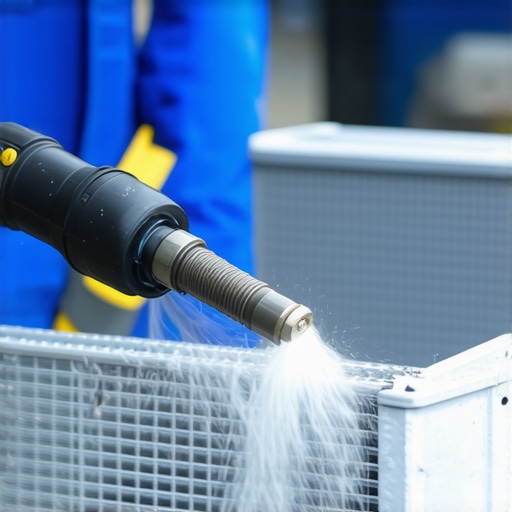
Seal the Leaks That Trick Your Oxygen Sensors
When a ‘Check Engine’ light reports a lean condition (P0171 or P0174), the immediate reaction is often to replace the mass airflow (MAF) sensor or the fuel pump. However, the true culprit is often a $5 vacuum elbow or a degraded intake manifold gasket that has hardened over thousands of heat cycles. This ‘unmetered air’ enters the combustion chamber without being recorded by the MAF, forcing the ECU to dump excessive fuel to compensate for the oxygen surplus. This not only ruins your fuel economy but also causes a rough idle that mimics a bad tune up or a failing spark plug. Before spending hundreds on electronics, a simple smoke test of the intake tract can reveal the exact location of the breach. This level of forensic auto repair is what separates the parts-changers from the master technicians. Have you ever felt the satisfaction of fixing a ‘major’ performance issue with a simple piece of vacuum hose?
Can a faulty gas cap really cause an engine misfire?
While a loose gas cap is the poster child for the ‘Check Engine’ light, it rarely causes a direct misfire. However, a failing EVAP purge valve—the component that regulates the flow of fuel vapors into the intake—can certainly do so. If the valve sticks open, it creates a constant vacuum leak that pulls raw fuel vapor into the engine at the wrong time, particularly during idle. This saturates the air-fuel mixture, leading to a ‘stumble’ that feels like a mechanical skip. Addressing these small, integrated components is the key to maintaining a smooth-running vehicle without falling into the trap of unnecessary component replacement. If you are struggling with a car that won’t pass emissions or runs poorly after refueling, check out our guide on how to fix EVAP system leaks to regain control over your fuel trims.
Stop Blaming the Battery for Every Dead Morning
The frustration of a vehicle that refuses to crank after sitting for just one night often leads owners to purchase three different batteries in a single year. While a mechanic might confirm the battery is holding a charge, the underlying issue is frequently a ‘parasitic draw’—a rogue electrical component that remains active long after the ignition is turned off. In the era of networked vehicle architectures, individual modules must enter a ‘sleep mode’ to conserve power. However, a single corrupted signal on the CAN-bus network can keep the entire system awake, draining the reserve capacity at an alarming rate. Diagnosing this requires more than a simple voltmeter; it demands an ammeter and the patience to monitor fuse-box activity over several hours to catch the offending circuit in the act. 
How can a faulty door latch sensor drain your battery in forty-eight hours?
Modern body control modules rely on micro-switches inside door latches to determine when to illuminate interior lights and, more importantly, when to shut down the vehicle’s primary computer systems. If a latch sensor is stuck in the ‘open’ position—even if the door is physically closed—the car’s network remains in a high-alert state, waiting for a driver that never arrives. This constant communication between modules prevents the vehicle from reaching its sub-50 milliamp target for parasitic draw. According to technical training standards from the National Institute for Automotive Service Excellence (ASE), electrical diagnostic proficiency is now the most critical skill for technicians facing ‘no-start’ conditions. If you find yourself frequently jump-starting a healthy battery, it’s time to stop looking at the lead plates and start investigating the digital handshake of your door and trunk sensors.
Worn Rubber is the Secret Enemy of Modern ADAS Systems
When you take your car in for an alignment after a brake service or tire replacement, the focus is usually on the static angles—toe, camber, and caster. However, high-mileage vehicles often suffer from ‘dynamic misalignment’ caused by perished control arm bushings. These rubber components do more than just dampen road noise; they maintain the precision of the suspension geometry under load. When these bushings soften, the wheels can shift fore and aft during braking or acceleration, a movement that confuses the Advanced Driver Assistance Systems (ADAS). If your lane-keep assist or stability control feels twitchy, the issue might not be a calibration error but rather a physical shift in the chassis that the computer is trying to counteract. A proactive auto repair strategy involves replacing these bushings before they tear, ensuring that your steering angle sensor remains perfectly indexed to the actual path of the tires. This level of preventative tune up ensures that your safety technology works with your hardware, not against it. Do you suspect your vehicle’s safety sensors are overreacting to road ruts? Explore our deep dive into fixing steering pull without an alignment to see if your bushings are the true culprits behind your handling woes.
Expert Insights & Advanced Considerations
Leverage Thermal Imaging to Spot Resistance Early
While a mechanic often relies on audible cues, using an infrared thermometer to scan electrical junctions or brake calipers provides a visual map of friction and resistance. A variance of more than 20 degrees between left and right rotors after a standard brake service indicates a dragging pad or a restricted flex hose that visual inspection alone would never reveal.
Data PIDs Tell a Story That Trouble Codes Miss
Modern auto repair has moved beyond the simple P-code. True mastery involves monitoring Live Data PIDs (Parameter IDs) like short-term fuel trims and oxygen sensor switching rates. If your fuel trims are spiking at idle but stabilize under load, you aren’t looking at a bad sensor; you are looking at a classic vacuum leak at the manifold—a nuance missed by those who only ‘read the codes.’ To sharpen your skills, review the 20-dollar scanner that every modern driver should own to start tracking these values yourself.
Stop Reusing Single-Use Suspension Fasteners
Many DIY enthusiasts and even some professionals make the mistake of reusing subframe or control arm bolts. Modern vehicles frequently utilize ‘stretch’ bolts designed to reach their maximum clamping force only once. Reinstalling these fasteners during a tune up or suspension overhaul compromises the structural rigidity of the chassis, leading to the very ‘ghost’ noises we strive to eliminate.
Update the Module Before You Pull the Hardware
Before condemning a throttle body or a transmission solenoid, verify the Calibration Identification (Cal ID). Manufacturers frequently release Technical Service Bulletins (TSBs) that update the software logic to handle component wear. In many cases, a simple software re-flash at the dealership is the most effective auto repair for erratic behavior that looks like a mechanical failure.
Curated Expert Resources
ASE Certification Standards
The gold standard for technician certification. Their study guides and testing standards define what it means to be a professional mechanic and provide a roadmap for anyone looking to master the complexities of modern vehicle systems.
Mitchell 1 ProDemand
While often used by shops, this resource offers the most comprehensive wiring diagrams and OEM-level repair procedures available. It is essential for navigating the complex ‘digital handshake’ of networked vehicle modules.
ASA Industry Outlooks
An incredible hub for staying updated on top auto repair trends to watch in 2025 and beyond, ensuring you aren’t using outdated logic on modern vehicle platforms.
Final Expert Perspective
Achieving automotive longevity isn’t about expensive overhauls; it is about the precision of your diagnostic approach. Whether you are performing a routine brake service or tracking down a parasitic battery drain, success lies in understanding the interconnected nature of electrical and mechanical systems. By focusing on the small, high-impact fixes—like a 12-dollar bracket or an 8-dollar O-ring—you can effectively perform a high-level tune up that keeps your vehicle in peak condition without the standard auto repair price tag. If you’re ready to master your own maintenance, consider tuning up your car like a pro or reach out through our contact page for more specific advice. What was the last ‘impossible’ fix you conquered with a simple diagnostic tool?
#IMAGE_PLACEHOLDER_E#