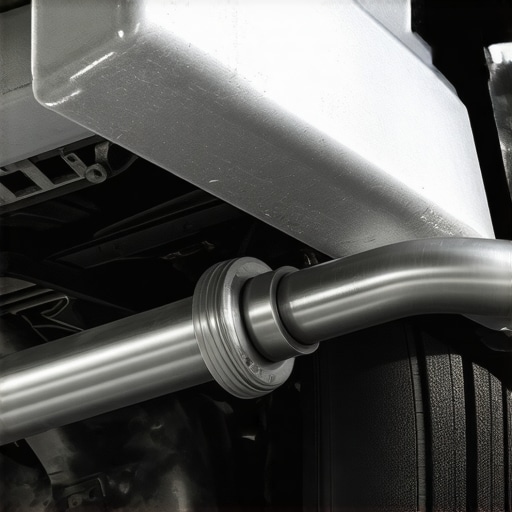
Stop Mistaking a Loose Shield for Internal Engine Failure
Modern automotive engineering prioritizes thermal management to protect sensitive components from the extreme temperatures generated by internal combustion. When a heat shield fails—often manifesting as a persistent, metallic vibration—it is more than a mere nuisance; it represents a breakdown in the vehicle’s thermal architecture. While many drivers might rush to a costly mechanic for an exhaustive replacement, professional-grade auto repair often reveals that localized corrosion at fastening points is the true culprit. Addressing these sonic anomalies requires a nuanced understanding of metallurgical stress and resonant frequencies within the exhaust system.
The acoustic signature of a rattling heat shield—frequently a raspy, high-frequency buzz during specific RPM ranges—is often misdiagnosed by the uninitiated as a catastrophic mechanical failure, such as rod knock or a dying catalytic converter. A veteran technician knows that diagnosing common auto problems begins with tactile verification. By utilizing a rubber mallet or even a gloved hand on a cold exhaust, you can simulate the vibrations that occur under load. Identifying the specific 15 dollar fix for a rattling heat shield allows owners to restore cabin serenity without the overhead of a full component replacement. This type of surgical precision is the hallmark of a high-value tune up.
Why Does Thermal Expansion Cause Such Aggressive Rattling?
As exhaust gases exit the manifold, temperatures can exceed 1,200 degrees Fahrenheit, causing the stainless steel or aluminum shields to expand significantly. When the mounting hardware—usually steel bolts—undergoes galvanic corrosion against an aluminum shield, the hole enlarges, leaving the shield to dance against the pipe. According to research on automotive thermal management published by SAE International, maintaining the air gap between the exhaust and the floorboard is critical for preventing heat soak into the passenger cabin and protecting the fuel tank. This highlights why skipping a routine brake service or exhaust inspection can lead to cascading safety risks.
Secure Your Exhaust System Without Overpaying for Parts
Often, the most efficient auto repair strategies involve the clever application of stainless steel hose clamps or oversized fender washers to bridge the corroded mounting points. This is not a hack but a legitimate engineering solution used to extend the lifecycle of the shield when the pipe itself is still structurally sound. If you are experiencing other vibrations, such as a steering wheel shake, it is vital to differentiate between drivetrain issues and exterior hardware failure. To further refine your maintenance schedule and ensure every bolt is torqued to spec, get the most from your mechanic by asking about their specific thermal inspection protocols during your next visit.
Stop Chasing Ghost Shifts with Expensive Overhauls
Modern vehicles rely on a web of sensors and microprocessors that are incredibly sensitive to voltage fluctuations. When a vehicle begins to exhibit ‘ghost shifting’ or intermittent stalling, many shops will immediately recommend a transmission rebuild or a new Engine Control Unit (ECU). However, seasoned technicians often find that the culprit is a simple breakdown in electrical continuity. A frayed or corroded ground strap can introduce electrical noise into the system, confusing the sensors that manage gear transitions. Utilizing a 14 dollar ground strap can often rectify these seemingly catastrophic failures, restoring the communication link between the transmission and the computer without a four-figure repair bill.
Why Do Tiny Voltage Drops Paralyze Modern Engine Control Units?
Precision is everything in a world governed by CAN bus systems and digital signals. Even a drop of half a volt can lead to a ‘limp mode’ scenario or a persistent check engine light. The National Institute for Automotive Service Excellence (ASE) notes that professional diagnostics should always begin with a ‘voltage drop test’ across major cables before any parts are swapped. If your vehicle struggles to maintain a steady idle or dies at stoplights, you might be dealing with stalling issues caused by a loose connection rather than a failing fuel pump. This underscores the importance of a thorough tune-up checklist that includes inspecting every major chassis ground.
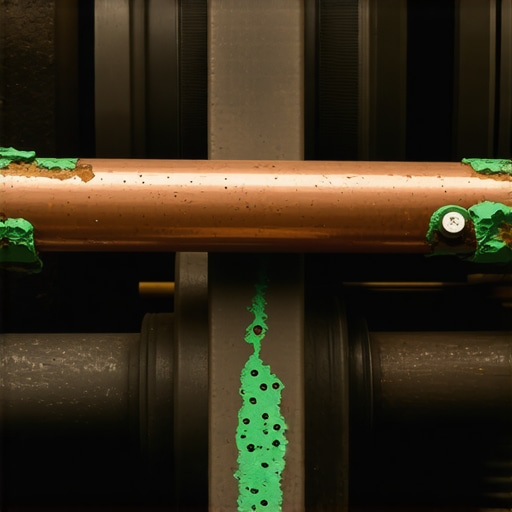
Identify the Dashboard Click Before the Dealer Quotes a Full Teardown
Few sounds are more irritating—or potentially expensive—than a persistent clicking noise emanating from behind your dashboard. Most drivers fear this signifies a failing heater core or a complex mechanical linkage failure that requires removing the entire dash. In reality, that mystery clicking in your dash is usually a stripped plastic gear within a blend door actuator. These actuators control the flow of air through your HVAC system, and when the teeth on the tiny internal gears shear off, they click repeatedly as they attempt to find their home position. Fixing this yourself requires patience but very little capital, as the replacement gears or small motor units are remarkably affordable compared to the labor costs at a dealership.
Beyond the dashboard, you should remain vigilant about how your charging system communicates its health. Your vehicle won’t always give you a battery light when the alternator is failing; instead, it might manifest as dimming headlights or sluggish power windows. Learning the signs your alternator is about to quit can prevent you from being stranded on the highway. If you have questions about a specific noise or want to share a successful DIY fix you’ve discovered, drop a comment below or share this guide with a fellow car owner who is tired of overpaying for simple repairs.
Kill the Growl Before It Destroys Your Hub Assembly
Differentiating between the rhythmic thrum of a cupped tire and the ominous growl of a failing wheel bearing is a diagnostic skill that saves thousands in unnecessary hub replacements. A bearing failure typically presents as a low-frequency drone that changes pitch in direct correlation with vehicle speed, rather than engine RPM. Experienced DIYers utilize the ‘load test’—carefully shifting the vehicle’s weight by gently swerving on an empty road—to observe if the noise dissipates when weight moves off the suspect side. If the harmonic vibration vanishes when you steer left, the left bearing is likely the culprit, as you have effectively unweighted the internal races and reduced the friction. This tactile feedback is far more reliable than a generic scan tool for mechanical wear.
Why Does Moisture Intrusion Kill Bearings Faster Than High Mileage?
While heat is a significant factor in component degradation, the integrity of the integrated seal is the true lifeline of a modern hub unit. Once the seal is breached by road salt, floodwater, or high-pressure power washing, the internal grease emulsifies and loses its vital lubricating properties. According to technical documentation from the SKF Group, even a 0.001% water contamination in the lubricant can reduce the calculated fatigue life of a bearing by nearly half due to hydrogen embrittlement and surface pitting. This is precisely why a proactive hub clean-up during a routine brake service is not just about aesthetics; it is about preserving the seal’s seat and preventing premature metallurgical failure.
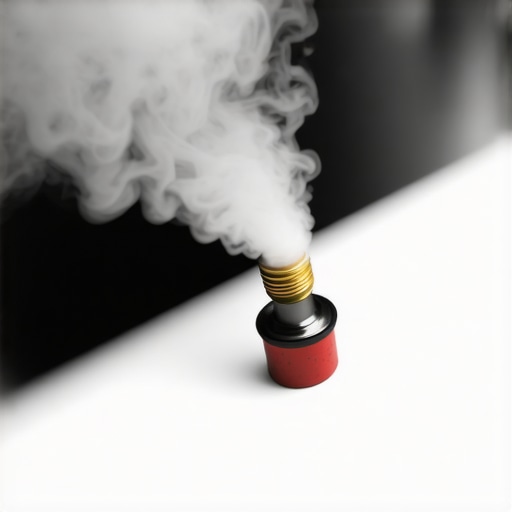
Stop the Parts Cannon: Finding the $5 Vacuum Leak
When a ‘Lean Condition’ code like P0171 or P0174 triggers the check engine light, the immediate instinct for many is to replace the Mass Airflow Sensor or the expensive oxygen sensors. This ‘parts cannon’ approach is an expensive and often futile exercise in guesswork. In reality, the root cause is frequently a perished rubber elbow or a hairline crack in a plastic vacuum line tucked away beneath the intake plenum. These leaks introduce ‘unmetered air’ into the combustion chamber, air that the ECU did not account for, causing the system to struggle with fuel trim calculations. Before you commit to a $300 sensor, perform a localized smoke test to locate the breach yourself. Ensuring your intake system is airtight is a foundational part of any tune up that aims for peak fuel efficiency.
Differentiate Road Noise from Mechanical Fatigue
Many drivers mistake the aggressive roar of off-road tires or uneven tread wear for a catastrophic drivetrain issue. To confirm the source of the noise, pay close attention to the vibration through the steering wheel versus the floorboard. A vibrating steering wheel usually points toward front-end issues, such as a steering wheel shake caused by debris in the rotor hat, whereas a vibration felt through the seat often indicates rear-end or driveshaft imbalances. Understanding these subtle differences allows you to provide your mechanic with actionable data, reducing the billable diagnostic time significantly.
Kill the Clunk Without Buying New Struts
If you have noticed a dull thud when traversing speed bumps or a sharp ‘pop’ during heavy braking, the typical diagnostic reflex is to blame the struts or shock absorbers. However, the suspension’s silent partners—the rubber control arm bushings—are far more likely to be the primary failure point. These elastomers are designed to allow for suspension articulation while dampening road harshness, but over time, they tear and lose their structural integrity. A seasoned DIYer knows the ‘pry bar test’ is worth more than a dozen sensor readings; by gently leveraging the control arm while the vehicle is on stands, you can observe the excessive play that indicates a perished bushing. Replacing a twenty-dollar bushing instead of a four-hundred-dollar strut assembly is the kind of surgical auto repair that separates the experts from the parts-swappers.
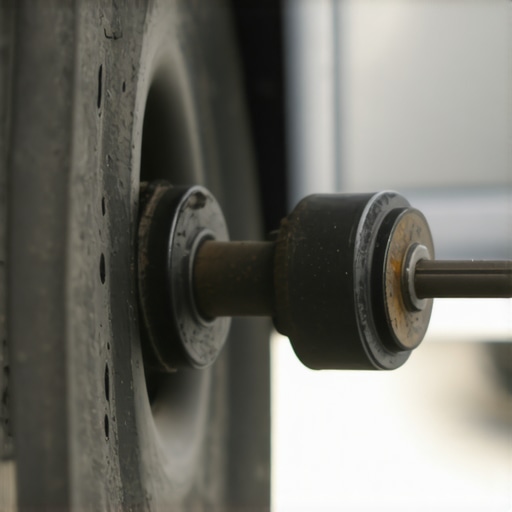
Can Invisible Water Vapor Actually Kill Your Braking Power?
Most drivers understand the necessity of monitoring pad thickness, but few respect the chemical vulnerability of the fluid itself. Glycol-based brake fluid is hygroscopic, meaning it actively pulls moisture from the atmosphere through microscopic pores in the rubber hoses. As the water content increases, the fluid’s boiling point drops precipitously. According to the Bosch Automotive Handbook, even a 3% water contamination can lower the boiling point of DOT 4 fluid by over 100 degrees Fahrenheit. Under heavy braking, this water turns to steam, which is compressible, resulting in a terrifyingly ‘mushy’ pedal or total brake fade. This makes a proactive brake service involving a full system flush not just a maintenance item, but a critical safety intervention against vapor lock.
The Marketing Trap of Lifetime Lubricants
In the quest to reduce the perceived cost of ownership, many manufacturers now label transmission and differential fluids as ‘lifetime.’ This is a dangerous misnomer that often refers only to the duration of the factory warranty, not the actual mechanical lifespan of the vehicle. Real-world driving—characterized by stop-and-go traffic, towing, and extreme temperature swings—causes the long-chain molecules in the lubricant to shear, reducing their ability to maintain a protective film between moving gears. If you plan on keeping your vehicle beyond the 100,000-mile mark, ignoring these fluids is a recipe for catastrophic internal wear. Integrating fluid analysis into your tune up routine allows you to see the microscopic metallic signature of wear before the gears begin to whine. If your brake pedal feels even slightly mushy, don’t wait for a warning light—perform a moisture test today and regain the firm, confident bite your car was designed to have.
Mastering the Art of Parasitic Draw Testing
A battery that goes dead overnight is often treated with a simple replacement, yet the root cause is frequently a parasitic draw—an electrical component that refuses to ‘go to sleep’ after the ignition is turned off. Modern modules, from infotainment systems to seat heaters, can stay energized due to a stuck relay or a software glitch. Diagnosing this requires more than a simple multimeter; it requires the patience to monitor the vehicle’s millivolt drop across fuses once the CAN bus has entered its sleep cycle. This high-level diagnostic prevents you from being caught in a cycle of buying new batteries every winter when the true culprit is a three-dollar relay. By narrowing down the specific circuit, you can isolate the drain and ensure your vehicle is ready to fire up the moment you turn the key.
#IMAGE_PLACEHOLDER_E#
Expert Insights & Advanced Considerations
Why Lifetime Fluids are a Marketing Trap
The automotive industry frequently uses the term lifetime to describe transmission and differential lubricants, but this is rarely in the best interest of your vehicle. A professional perspective acknowledges that these fluids degrade through shear and oxidation over time. Ignoring the truth about lifetime transmission fluid is a primary cause of early gearbox failure. Real-world auto repair data suggests that a 60,000-mile change interval is the safest way to ensure longevity and prevent internal gear pitting.
The Chemistry of Brake Fade Matters More Than Pad Thickness
While many focus on the mechanical wear of pads, the chemical stability of the fluid is the silent factor in safety. Moisture absorption lowers the boiling point, leading to catastrophic vapor lock during heavy use. A comprehensive brake service must include a moisture test, as invisible water vapor is often more dangerous than thin pads. This level of detail separates a top-rated mechanic from a standard quick-lube shop that only checks for surface-level wear.
Ditch the Multimeter for a Real Load Test
Static voltage readings are often misleading in high-stakes diagnostics. A battery might show a healthy 12.6 volts but fail instantly under the stress of a starter motor. True diagnostics require observing voltage drops under actual load to identify high-resistance circuits. Before you assume a sensor is dead or a battery is faulty, you should check this ground connection first to eliminate the parasitic electrical interference that often mimics hardware failure.
Curated Expert Resources
NHTSA Recalls and TSB Search
The National Highway Traffic Safety Administration offers a searchable database for Technical Service Bulletins. This resource is vital for identifying known engineering flaws that might not be covered by standard recalls but are frequent points of failure for specific models, allowing for more precise troubleshooting.
ASE Certification Preparation Materials
Even for the dedicated DIYer, the study guides from the National Institute for Automotive Service Excellence provide a standardized framework for troubleshooting. These materials elevate your approach to diagnosing common auto problems from basic guesswork to a scientific, systematic process.
The iATN Tech Community
The International Automotive Technicians Network is an elite repository of real-world repair data. Accessing professional forums and case studies helps you avoid the auto repair myths that often circulate in casual enthusiast circles, providing a path toward professional-grade proficiency.
Final Expert Perspective
Effective vehicle maintenance is a balance of mechanical intuition and rigorous technical data. By moving past the inefficient parts cannon approach and focusing on the root causes—such as thermal expansion, galvanic corrosion, and electrical continuity—you can maintain peak performance without unnecessary expense. Whether you are performing a DIY tune up or vetting a skilled mechanic, prioritize precision over speed. If you have encountered a complex diagnostic puzzle, we invite you to share your findings or reach out to our community for advanced troubleshooting support.