Why Your Brake Pedal Develops That Persistent Metallic Snap
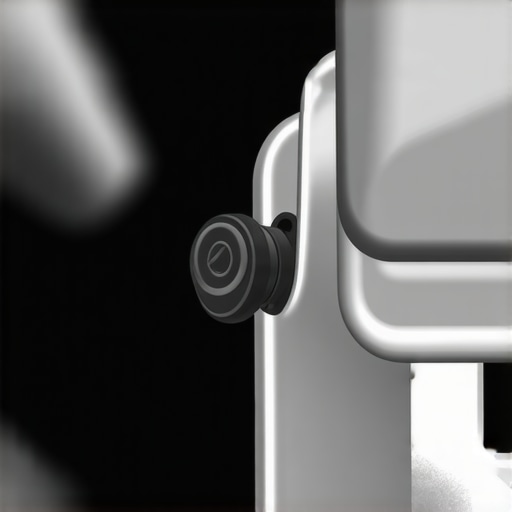
In the specialized world of auto repair, we often prioritize high-torque components and complex hydraulic systems, yet the most maddening issues for a driver frequently stem from the smallest mechanical interfaces. A clicking sound when you depress or release the brake pedal is rarely a sign of total system collapse, but it is a definitive symptom of component fatigue within the pedal box assembly. This audible nuisance usually originates at the contact point between the brake pedal arm and the stop light switch or the cruise control disconnect switch. Over thousands of cycles, the sacrificial plastic or rubber grommet—a part costing less than a sandwich—disintegrates, leaving metal-on-metal contact that creates that sharp, rhythmic clicking. When performing a comprehensive brake service, a seasoned professional looks beyond the calipers to ensure the tactile feedback at the driver’s foot remains silent and precise.
Does an Audible Click Signal a Looming Hydraulic Failure?
It is a common point of anxiety in automotive forums: is that click a precursor to a sinking pedal or a burst line? From an engineering standpoint, a mechanical click in the upper pedal assembly is distinct from the squelching or hissing sounds associated with a failing master cylinder seal. However, ignoring the click can lead to secondary electrical failures. When that $12 plastic clip (often called a pedal bumper) fails entirely, the brake light switch plunger may extend into the empty hole, causing your brake lights to stay on permanently even when the car is off. This leads to a parasitic battery drain that can leave you stranded. To prevent these cascading issues, you should consult a mechanic who understands that every sound is a data point in a vehicle’s diagnostic profile.
Fix the Friction Point with a Targeted Component Replacement
The solution is an exercise in surgical precision rather than brute force. Replacing the stop bolt grommet requires navigating the cramped footwell to locate the interface where the switch meets the pedal arm. This isn’t just about noise suppression; it is about maintaining the correct air gap for sensor activation. Using a high-quality OEM replacement ensures the material density can withstand the heat cycles inherent in a vehicle’s cabin. While many owners wait until a tune up to mention these small annoyances, addressing them immediately prevents the frustration of inconsistent cruise control engagement or flickering brake lamps. According to technical documentation from SAE International, the integrity of the pedal-to-sensor interface is a critical factor in the reliability of modern Electronic Stability Control (ESC) systems, as the car needs to know exactly when the driver is initiating a braking event.
Why Modern Maintenance Protocols Often Ignore Pedal Linkage Wear
The shift toward modular replacement has unfortunately caused some shops to overlook the smaller, serviceable bushings and clips that define the driving experience. A standard inspection might check pad thickness and fluid clarity but skip the pivot points of the pedal assembly itself. Expert-level maintenance involves lubricating these pivots and inspecting the nylon bushings that prevent lateral play in the pedal. If you find your pedal is not just clicking but also swaying, it may be time for a more intensive look at the pedal support bracket. If you’re noticing other odd sounds or vibrations while driving, explore our guide on steering noises that signal danger to stay ahead of potentially hazardous mechanical failures. Maintaining your vehicle is an art of managing tolerances, and that $12 clip is a vital piece of the puzzle.
The Hidden Clevis Pin Where Small Clearances Create Big Noises
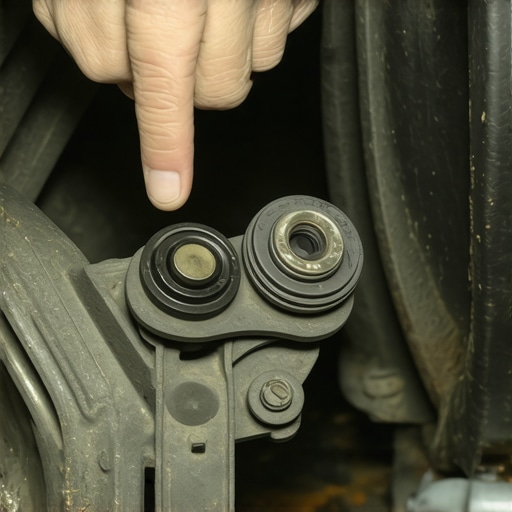
Beyond the pedal bumper mentioned previously, the mechanical interface between the pedal arm and the power booster pushrod is a frequent site of audible frustration. This connection relies on a clevis pin secured by a cotter or bridge pin. Over years of service, the hole in the pedal arm can slightly ovalize, or the pin itself can wear down, creating a microscopic amount of ‘slop.’ Each time you transition from rest to application, the pin shifts across this gap, resulting in a sharp metallic tick. While this rarely compromises stopping power, it mirrors the precision issues found in external components, such as when the 20 dollar brake slide pin error causes uneven pad wear due to similar tolerance failures. A technician with a keen ear will often resolve this by applying a high-viscosity synthetic grease to the pin or replacing it entirely to restore a factory-tight feel.
Could That Click Signal an Internal Weakness in the Vacuum Booster?
While the pedal assembly is usually the culprit, the noise can occasionally be ‘telegraphed’ from inside the brake booster itself. The booster contains a heavy-duty return spring and a series of internal valves that manage atmospheric pressure. If the internal diaphragm plate or the reaction disc develops a slight misalignment, the initial movement can produce a clicking or popping sound that travels up the pushrod and vibrates through the pedal. According to data from the National Highway Traffic Safety Administration (NHTSA), though such noises are often categorized as ‘characteristic of operation’ in older units, a sudden change in the acoustic profile of your brake application should be treated as a prompt for a vacuum leak test. If you are already troubleshooting odd behaviors, it is worth checking if your transmission mount is snapped, as powertrain shifting can sometimes pull on firewall-mounted components, mimicking pedal-box issues.
Thermal Expansion and the Mystery of the Afternoon Snap
Many drivers report that the clicking only manifests during the hottest part of the day. This is a classic case of material science impacting automotive comfort. The metal pedal assembly and the surrounding plastic trim expand at different rates. In a high-heat environment, the clearance between the pedal pivot and its nylon bushings may vanish, causing the bushing to bind and then suddenly ‘release’ with a click. This phenomenon is similar to how heat-shield noise develops; for instance, the the 15 dollar fix for a rattling heat shield often addresses expansion-related vibrations that only appear at specific operating temperatures. If your click disappears on cold mornings but returns after the car sits in the sun, focus your diagnostic efforts on the nylon pivot bushings rather than the hydraulic sensors.
Stop the Snap Before it Becomes a Sticking Point
Restoring silence to your cabin often requires nothing more than a flashlight and a can of specialized lubricant. However, avoid the temptation to use standard WD-40, which can degrade plastic components and attract dust, eventually turning into an abrasive paste. Instead, use a dry-film silicone spray or a white lithium grease designed for interior plastics. Ensure that no lubricant reaches the rubber pedal pad itself, as this creates a significant safety hazard. While you are under the dash, it is a perfect time to verify that your stop-light switch is adjusted correctly; a misaligned switch is the primary reason why your brake lights stay on when the car is off. If you have successfully silenced a stubborn cabin rattle or pedal click, drop a comment below and let us know which specific bushing or clip was the culprit in your vehicle—your experience helps the entire community stay on the road safely.
Don’t Let Aftermarket Pedal Covers Ruin Your Lever Kinematics
While we often focus on internal hydraulics, the physical interface where your foot meets the car can be a source of significant noise. High-quality aluminum or weighted aftermarket pedal covers are popular for their aesthetic appeal, but they often introduce un-sprung weight to the pedal arm that the factory return spring wasn’t calibrated to handle. This extra mass can cause the pedal to linger a millisecond longer during the return stroke, resulting in a ‘double-click’ as the arm hits the stop-light switch and then settles against the upper bracket. If you have recently upgraded your interior, verify that the mounting hardware for these covers isn’t grazing the carpet or the floor mat. Even a slight interference can create a snag-and-release sound that mimics a failing mechanical bushing. When you are performing a routine brake service, always check the clearance of these decorative additions to ensure they aren’t compromising the smooth arc of the pedal’s travel.
Is the Click Coming from an Improperly Adjusted Master Cylinder Pushrod?
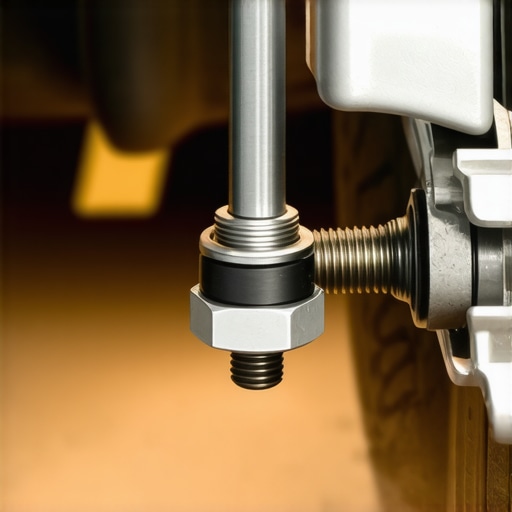
Precision is the hallmark of a well-maintained braking system, and the interface between the vacuum booster and the master cylinder is where tolerances are most critical. There is a small pushrod located behind the master cylinder that must be adjusted to have a specific amount of ‘air gap’ or ‘dead travel.’ If this rod is adjusted too long, the brakes may drag; if it is too short, the pushrod will ‘slap’ the master cylinder piston upon every application, creating a distinct metallic snap. According to the technical specifications provided by Bosch Mobility in their master cylinder diagnostic manuals, this gap is often as narrow as 0.005 to 0.010 inches. Measuring this requires a specialized depth gauge or a master cylinder pushrod length tool. If you suspect this is the case, it is essential to have a mechanic verify the setting, as an incorrect adjustment can lead to premature brake wear or even total lock-up if the fluid cannot return to the reservoir properly.
Silence Your Return Spring Before It Snaps Your Patience
The return spring is the unsung hero of the pedal box, responsible for pulling the heavy metal arm back to its resting position. These springs are high-tension components that can develop ‘coil bind’ or structural fatigue over a decade of use. When the spring begins to lose its linear elasticity, the coils may rub against one another or against the mounting post. This creates a creaking or clicking sound just as you begin to depress the pedal. A quick application of white lithium grease can solve the noise, but if the spring has physically elongated, lubrication is only a temporary fix. Professional technicians often check these springs during a comprehensive tune up because a weak return spring can also lead to ‘ghost’ brake light activation, where the pedal doesn’t return high enough to fully depress the switch. If you are noticing that your lights stay on or the pedal feels ‘lazy,’ replacing the spring is a cheap insurance policy against electrical and mechanical frustration.
Calibrate Your Brake Travel Sensor for Total Silence
In modern hybrid and electric vehicles, the brake pedal is more than just a lever; it is a sophisticated data input device. These vehicles use a Brake Pedal Travel Sensor (BPTS) to communicate with the regenerative braking system. Unlike a simple on/off switch, these sensors use Hall-effect technology or a potentiometer to track the exact degree of pedal depression. If the mounting bracket for this sensor becomes slightly loose, the sensor body can shift under the pressure of your foot, resulting in a plastic-on-metal click that resonates through the firewall. This is a nuanced issue that requires a scan tool to verify sensor alignment. If you find yourself frequently dealing with cabin noises or are curious about other diagnostic red flags, read our deep dive into steering noises that signal danger to broaden your mechanical awareness. The interplay between electronics and hardware is where most modern ‘mystery noises’ are born, and the pedal travel sensor is a prime candidate for investigation.
The Role of Firewall Flex in High-Mileage Vehicles
As vehicles age, the structural integrity of the firewall—the metal barrier between the engine and the cabin—can subtly change. The brake booster is bolted directly to this panel, and every time you press the brake, you are applying hundreds of pounds of force to that sheet metal. Over time, ‘metal fatigue’ can occur around the mounting holes. This can cause the firewall to flex slightly when the pedal is depressed, creating a popping or clicking sound as the metal oil-cans back and forth. This is particularly common in vehicles that have seen heavy use or have been involved in front-end collisions. To diagnose this, you will need a second person to watch the booster from the engine bay while you firmly apply the brakes. If the booster moves more than a few millimeters, it may indicate that the firewall needs reinforcement or that the mounting nuts have simply worked their way loose over thousands of miles of vibration.
The ABS Pump Might Be Talking to Your Foot
In high-performance auto repair, we often differentiate between localized mechanical noise and telegraphed feedback from the Hydraulic Control Unit (HCU). When you experience a click that feels more like a vibration, you might be sensing the self-test cycle of the Anti-lock Braking System (ABS). Modern HCU modules perform a ‘pre-charge’ or a valve seating check shortly after the vehicle begins moving or when the brake pedal is first depressed during a drive cycle. While this is often a silent process, air bubbles trapped within the valve body can cause the solenoids to hammer against their seats, creating a click that resonates through the brake lines directly to your foot. This is why a precision brake service must include a dedicated ABS bleed sequence using a bi-directional scan tool to cycle those internal valves and purge trapped air that manual bleeding cannot reach.
Why does my gear shifter click when I step on the brakes?
If the audible snap seems to originate from the center console rather than the floorboard, you are likely hearing the brake-shift interlock solenoid. This safety feature prevents the vehicle from being shifted out of ‘Park’ unless the brake is depressed. Over time, the solenoid’s plastic plunger or the rubber dampener that silences its movement can wear out, resulting in a sharp, metallic ‘clack’ every time you touch the pedal. This is a common query during a routine tune up, and while it doesn’t affect stopping distance, it indicates that the electrical handshake between your pedal and the transmission is functioning, albeit loudly. A mechanic can often dampen this noise by applying a small amount of non-conductive dielectric grease to the solenoid’s pivot point.
Kill the Stiction: Why Fluid Chemistry Matters for Pedal Feel
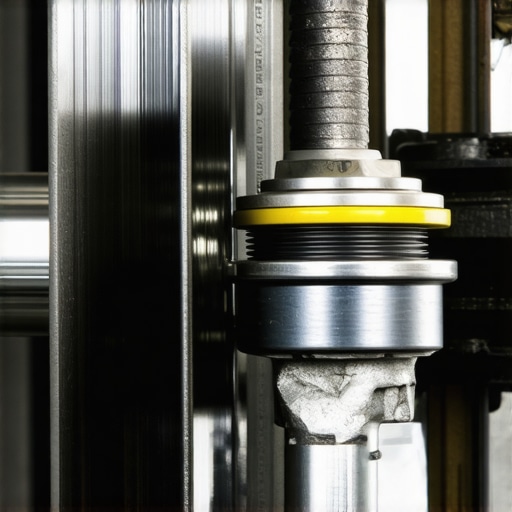
The term ‘stiction’ refers to the static friction that prevents stationary surfaces from sliding. Inside your master cylinder, the primary and secondary seals are designed to glide effortlessly against the bore. However, brake fluid is highly hygroscopic, meaning it greedily absorbs moisture from the atmosphere. Technical research from the Akebono Brake Corporation suggests that as moisture levels exceed 3%, the resulting chemical degradation can lead to microscopic oxidation on the cylinder walls. This causes the seals to ‘grab’ and then suddenly ‘release’ during the first few millimeters of travel, producing a tactile snap that feels like a mechanical click. Regular fluid replacement isn’t just about preventing boil-over; it’s about maintaining the lubricity required for a silent, linear pedal stroke.
Check the Steering Column Interconnect for Resonance
Because the brake pedal assembly is bolted to the same structural dash-brace as the steering column, noises can often be deceptive. A loose u-joint in the intermediate steering shaft or a failing column bearing can produce a clicking sound that is only triggered when the firewall flexes during braking. This harmonic resonance makes the driver believe the pedal is the culprit, when in fact, the load of the brake application is simply revealing a clearance issue in the steering geometry. Expert-level diagnostics involve using a chassis ear—a system of remote microphones—to isolate whether the sound is truly coming from the pedal pivot or the adjacent steering architecture. If you are struggling to pinpoint an elusive cabin noise, utilize a professional-grade bi-directional scan tool to monitor your brake switch states in real-time, or share your specific vehicle year and model in the comments for a tailored diagnostic walkthrough.
Expert Insights & Advanced Considerations
Why Milliseconds Matter in Pedal Kinematics
In high-performance automotive engineering, the leverage ratio of the brake pedal is a calculated constant. When a bushing wears down, it introduces mechanical dead-zone—a tiny fraction of travel where no hydraulic pressure is built. While negligible to the casual driver, this slack can delay the engagement of your brake pads by precious milliseconds. During a professional brake service, we look for these geometric inconsistencies that compromise the initial bite of the system.
The Hidden Danger of Sensor Jitter
Modern Electronic Stability Control (ESC) and Hill Start Assist systems do not just see on or off. They monitor the speed and force of pedal application. A clicking stop-light switch often indicates an internal spring that is vibrating or jittering. This sends a noisy electrical signal to the ECU, which can lead to intermittent faults in your adaptive cruise control. Integrating a check for switch integrity into your regular tune up prevents these ghostly electronic gremlins from surfacing at highway speeds.
Silicone Beats Lithium for Interior Dampening
While many reach for white lithium grease, seasoned technicians prefer a high-viscosity dielectric silicone paste for pedal pivots. Lithium grease can eventually dry out and harden in the high-heat environment of a parked car footwell, leading to a return of the metallic snap. Silicone remains pliable and chemically inert, ensuring that your brake maintenance efforts last for years rather than months.
Curated Expert Resources
SAE International Technical Papers: The definitive source for engineering standards regarding pedal force requirements and ergonomic design. Use these to understand the rigorous testing that ensures your pedal will not fail under emergency loads.
Bosch Mobility Diagnostic Manuals: Specifically the sections on Brake Booster and Master Cylinder Interfaces which provide the exact dead travel specifications needed to diagnose internal slap noises.
NHTSA Recalls Database: An essential tool for any mechanic to verify if a specific vehicle model has a documented history of pedal bracket fatigue or weld failures.
Final Expert Perspective
The pursuit of a silent cabin is often a journey into the smallest tolerances of your vehicle. That maddening click is rarely a threat to your safety, but it is an indicator of the natural entropy affecting every mechanical interface. By focusing on the clevis pins, nylon bushings, and stop-switch bumpers, you ensure that your auto repair efforts translate into a tactile, premium driving experience. If you find that the noise persists even after addressing the pedal box, you might be dealing with more complex issues like persistent rattling from a brake line bracket. Ultimately, consistent vigilance and high-quality components are the only ways to keep your braking system performing as the engineers intended. We invite you to share your diagnostic wins in the comments below or reach out to a trusted professional to verify your systems integrity.