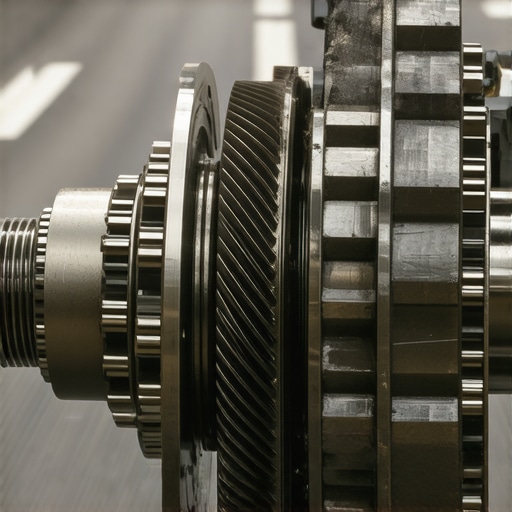
When you are cruising at sustained highway speeds, your vehicle is designed to maintain a delicate equilibrium between engine load, throttle position, and fuel efficiency. A transmission that “hunts”—shifting incessantly between overdrive and a lower gear—is not merely an annoyance; it is a symptom of a systemic imbalance. In the world of high-performance auto repair, this behavior often points to a breakdown in communication between the engine control unit (ECU) and the transmission control module (TCM). Rather than a total mechanical failure, the culprit is frequently a sensor providing marginal data that sits just outside the ideal operating parameters, forcing the logic gates of your gearbox into a state of indecision. While many drivers associate a vibration-free ride with a recent brake service, a transmission that hunts for gears indicates a more complex powertrain synchronization issue. [image placeholder]
Why Modern Transmissions Get Confused at High Speeds
At 65 mph, the margin for error in torque calculation is razor-thin. If your automatic transmission hunts for gears, it is often reacting to perceived changes in load that do not actually exist. For example, a slightly fouled Mass Air Flow (MAF) sensor or a degraded Throttle Position Sensor (TPS) can report incorrect data, leading the TCM to believe the car is climbing a steep grade. To compensate, the system downshifts to maintain torque, only to realize seconds later that the load requirement has vanished. This “ping-pong” effect accelerates wear on internal clutch packs and increases fluid temperatures—the primary enemy of gearbox longevity. A comprehensive tune up involves more than just spark plugs; it requires an analytical look at the sensors governing these critical shift points.
Electrical Noise and the Ghost Shifting Phenomenon
Not every transmission issue is hydraulic. In many modern drivetrains, “dirty” electrical signals are the hidden culprit behind erratic gear selection. According to technical resources from the National Institute for Automotive Service Excellence (ASE), poor grounding can introduce Radio Frequency Interference (RFI) into sensitive sensor circuits. This interference can make a perfectly healthy transmission behave as if it is failing catastrophically. Surprisingly, many master technicians have found that the 14-dollar ground strap is the key to restoring stable shifting logic by ensuring the TCM receives a clean, unshielded signal from the vehicle’s speed sensors. This demonstrates why expert-level mechanic tips are vital before committing to an expensive rebuild.
Could a simple vacuum leak be lying to your gearbox?
In older electronic transmissions and those using vacuum modulators, the relationship between intake manifold pressure and shift timing is absolute. even a microscopic crack in a hose can lead to a vacuum leak that makes your transmission shift hard or hunt for the correct ratio. The system interprets the loss of vacuum as a “wide-open throttle” condition, erroneously holding gears longer or downshifting prematurely. Professional diagnostics suggest using a smoke machine or specialized pressure testing to identify these leaks before they lead to expensive internal damage.
Stop Guessing and Start Measuring
If you are tired of your vehicle second-guessing your driving intentions, it is time for a professional intervention. Don’t wait for a “Check Engine” light to confirm what your seat-of-the-pants feel is already telling you. Consult with a skilled mechanic today to run a live-data stream analysis and pinpoint the exact sensor causing your highway gear hunting.While electronic signals often initiate hunting behavior, the physical state of the transmission fluid serves as the medium for every gear change. As temperatures rise during long highway hauls, the viscosity of Automatic Transmission Fluid (ATF) begins to thin out. This thinning can cause internal pressures to drop, leading the transmission controller to believe that a shift is necessary to maintain line pressure. High-performance auto care involves monitoring these thermal changes closely. If your fluid is old or scorched, the resulting pressure fluctuations force the TCM into a defensive posture. 
High Fluid Temperatures Change the Way You Shift
Thermal management is a cornerstone of drivetrain longevity that many drivers overlook. When your fluid overheats, it loses its ability to hold the friction plates together firmly, which the computer often interprets as a need to downshift to a more aggressive gear. According to technical data from the Automatic Transmission Rebuilders Association (ATRA), nearly 90% of all automatic transmission failures can be traced back to overheating issues. This is why a gearbox that hunts frequently is often just a symptom of a cooling system that cannot keep up with the demands of high-speed cruising. If you notice your dashboard temp gauge climbing simultaneously, you might also be dealing with why your engine temperature spikes during heavy loads.
Don’t Believe Everything You Read About Lifetime Fluids
The automotive industry has heavily marketed the concept of ‘sealed’ transmissions, but for anyone looking to reach 200,000 miles, this is a dangerous gamble. You must understand the truth about lifetime transmission fluid and why it is often the silent killer of modern gearboxes. Over time, the additives that prevent foaming and oxidation are depleted. Once the fluid begins to oxidize, it becomes acidic and starts to attack the very sensors and solenoid packs that manage your shift timing. If you are experiencing hunting at 70 mph, checking the color and smell of your fluid is the first non-invasive diagnostic step you should take. In some cases, a simple 20-dollar fluid swap can restore the hydraulic integrity needed to stop the hunting before it turns into a permanent mechanical failure.
How can you tell the difference between a slip and a search?
It is vital to distinguish between a mechanical slip and a software-driven hunt. A slip occurs when the engine RPMs rise significantly but the vehicle’s speed remains constant or drops; this usually indicates worn-out internal clutch packs. Conversely, ‘hunting’ is a crisp but frequent change between two specific gears. If the car lunges forward or behaves erratically at stoplights, you might actually be looking for the 5-dollar O-ring that regulates idle-speed vacuum rather than a failing gearbox. Understanding this distinction can save you thousands in unnecessary repair costs.
Cross-Contamination is the Ultimate Transmission Killer
One of the most catastrophic reasons a transmission might hunt for gears on the highway is the failure of the internal transmission cooler located inside your radiator. This allows engine coolant to mix with the transmission fluid, creating a ‘strawberry milkshake’ consistency that destroys friction material in minutes. If you catch this early, you need to know how to save your transmission after a radiator leak by performing multiple high-volume flushes and replacing the radiator immediately. If you found this expert breakdown helpful, share this guide with a fellow car enthusiast or drop a comment below with your specific shifting symptoms so our community can help you troubleshoot.
Reflashing the TCM Can Stop Ghost Shifts Overnight
Many drivers treat their vehicles as purely mechanical entities, yet the modern transmission operates more like a high-performance computer. Manufacturers frequently release Technical Service Bulletins (TSBs) containing software updates designed to refine shift points and solve ‘hunting’ issues that were present from the assembly line. According to research published by SAE International, these recalibrations often adjust the adaptive learning parameters that have drifted too far from the baseline due to component wear. When your TCM ‘learns’ bad habits—perhaps due to a period of aggressive driving or heavy towing—it may require a hard reset or a software flash to clear the adaptive memory and restore the original shift logic. This is why a simple battery disconnect rarely solves the problem; a professional scan tool is required to initiate a proper ‘relearn’ procedure and stabilize your cruise performance.
TCC Lockup Issues Often Masquerade as Gear Hunting
Sometimes what feels like a hunt between 4th and 5th gear is actually the Torque Converter Clutch (TCC) struggling to maintain a solid lockup. The TCC is designed to create a direct mechanical link between the engine and transmission at highway speeds to boost fuel economy and reduce heat. However, if the TCC solenoid is failing or the internal friction lining is glazed, the clutch may slip, causing the RPMs to pulse slightly. 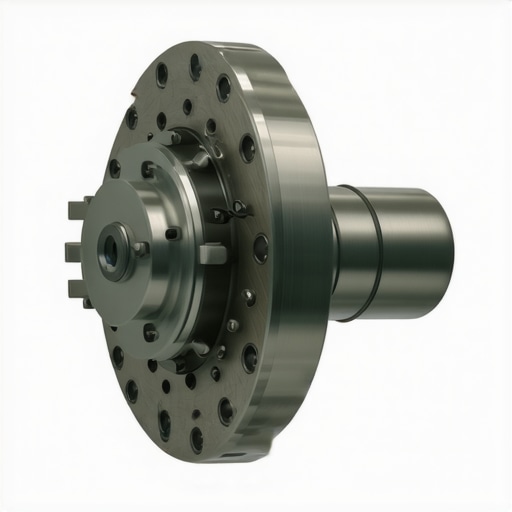 The computer detects this slip and releases the clutch to protect the hardware, only to re-apply it seconds later once conditions stabilize. This rapid cycling creates a sensation nearly identical to gear hunting. High-level auto repair diagnostics involve using a scan tool to monitor TCC slip RPM in real-time; if the slip is greater than 50 RPM while the clutch is commanded ‘on,’ you aren’t looking at a gear issue—you are looking at a converter failure that requires immediate attention.
Why does your transmission hunt more when you use cruise control?
Adaptive cruise control systems are notoriously ‘binary’ in their logic compared to the nuanced input of a human foot. While a driver might allow the vehicle to drop 2-3 mph on a slight grade to avoid a downshift, a cruise control system demands the exact set speed at all times. This necessitates an immediate increase in throttle plate angle, which the TCM interprets as a request for more torque. Consequently, the transmission downshifts, the speed is recovered, the throttle closes, and the transmission upshifts again. If you find your car behaves better with your foot on the pedal, it is a sign that the sensitivity of your vehicle’s load-sensing logic is peaking. For those looking to dive deeper into powertrain management, checking out our guide on recalibrating throttle response can offer a temporary reprieve and improve overall drivability.
Tire Mismatch Trashes Your Gearbox Logic
We rarely think about our tires as part of the transmission system, but they are the primary input for the vehicle speed sensors (VSS). If you recently replaced only two tires on an all-wheel-drive or high-tech front-wheel-drive vehicle, the slight difference in circumference can wreak havoc on shifting patterns. The TCM compares the RPM of the output shaft to the wheel speed data; if these numbers do not correlate perfectly because one set of tires is rotating at a different frequency, the computer gets confused about the actual load and road speed. This discrepancy forces the system into a constant state of adjustment, trying to find a gear that satisfies the conflicting data points. This phenomenon emphasizes the need for a consistent tire maintenance routine to keep your drivetrain sensors happy. It is a nuanced reality of modern mechanic work where a simple rubber issue presents as a heavy metal failure. As the TCM continues to struggle with these conflicting inputs, the internal hydraulic pressure begins to fluctuate wildly, which can lead to localized hotspots on the friction plates.Beyond the external sensors, the internal health of the solenoid body determines the precision of every ratio change. In high-mileage units, Pulse Width Modulation (PWM) solenoids often suffer from mechanical fatigue. These components actuate hundreds of times per minute to maintain line pressure and fluid flow. When they weaken, they struggle to hold the steady-state pressure required for high-gear engagement, leading to the frustrating and erratic ‘hunting’ sensation. According to technical bulletins from Transmission Digest, a solenoid’s duty cycle can be perfectly within electrical specifications at idle but fail catastrophically under the sustained heat and load of highway cruising. This is a classic ‘soft fault’—the vehicle’s computer does not detect a broken circuit, but the physical response is sluggish, creating a disconnect between electronic command and hydraulic action. 
The Subtle Engine Hiccup That Triggers Gear Hunting
Sometimes the gearbox is merely the messenger for an engine-related struggle. A minor ignition misfire under load—one that is too brief to trigger a Malfunction Indicator Lamp (MIL)—can cause a micro-fluctuation in torque delivery. The TCM, programmed to prioritize drivetrain protection, interprets this slight hesitation as a loss of power and immediately commands a downshift to regain mechanical advantage. This creates a feedback loop where the car constantly hunts between gears because the engine cannot provide a stable torque output at low RPMs in top gear. Expert auto repair requires looking deep into ‘Mode $06’ data to identify these hidden misfire counts before they prematurely burn out your transmission’s friction clutches.
Why does your vehicle shift perfectly until the transmission fully warms up?
The answer lies in the uncompromising physics of thermal expansion and fluid viscosity. Cold transmission fluid is significantly thicker, which helps mask minor internal pressure leaks through worn seals or degraded valve body bores. As the fluid reaches its standard operating temperature—typically between 175 and 200 degrees Fahrenheit—it thins out. If there is internal mechanical wear, the thinned fluid escapes past the seals more easily, causing a precipitous drop in apply pressure. The TCM attempts to compensate for this perceived loss of integrity by shifting to a gear with higher line pressure, resulting in the hunting behavior that only appears after twenty minutes of highway travel.
Force the Data to Speak During a Professional Road Test
Relying on static trouble codes is a common novice mistake in modern auto repair. A master mechanic will perform a dynamic road test with a bi-directional scan tool to monitor ‘Commanded Gear’ versus ‘Actual Gear’ in real-time. If the computer is actively commanding a shift, the root cause is almost certainly an input error, such as a faulty sensor or outdated software. However, if the computer remains in 5th gear but the RPMs rise regardless, you are dealing with a mechanical slip. Distinguishing between these two scenarios is the difference between a minor sensor replacement and a multi-thousand dollar overhaul. Stop letting your gearbox dictate your driving experience and take control by performing a comprehensive powertrain health check. Reach out to a technician who understands the nuance of modern adaptive learning and get your vehicle back into its ideal cruising rhythm today.
Expert Insights & Advanced Considerations
[image placeholder]
Why Your Drivetrain Remembers Bad Habits
Modern transmission control modules (TCM) are designed to adapt to your driving style, but this feature can become a liability when sensors begin to drift. If you have been unknowingly compensating for a minor engine stumble, your TCM may have shifted its baseline logic so far that it creates a constant hunting cycle even after the primary issue is resolved. Resetting these adaptive tables is a critical step in professional auto repair that goes beyond simply clearing error codes. Without a hard reset, the computer may continue to search for gears based on historical data that no longer matches the mechanical reality of your vehicle.
Thermal Expansion Changes Your Hydraulic Reality
A transmission that behaves perfectly for the first fifteen minutes of a trip but begins to hunt at 70 mph is usually struggling with fluid thinning. As the temperature rises and viscosity drops, internal leaks in the valve body or worn seals become more pronounced. This is why a comprehensive guide to auto repair always emphasizes checking line pressure when the system is at full operating temperature rather than cold. The drop in hydraulic integrity forces the TCM to command a gear change to maintain internal pressure, leading to that frustrating highway oscillation.
Kill Ghost Shifts with High-Quality Grounding
Before you authorize an expensive gearbox tear-down, check your electrical integrity. A simple 14-dollar ground strap can eliminate the electrical noise that confuses sensitive powertrain sensors. Many intermittent shifting issues are actually signal-to-noise ratio problems rather than mechanical failures. These high-level mechanic tips are what separate master technicians from those who simply swap parts without finding the root cause of the interference.
Curated Expert Resources
ATRA (Automatic Transmission Rebuilders Association): The definitive industry source for technical bulletins and hydraulic flow charts, providing the deep-dive schematics needed for complex auto repair scenarios.
SAE International: Offers peer-reviewed technical papers on the physics of drivetrain management and the evolution of adaptive shift logic in modern vehicles.
ASE (National Institute for Automotive Service Excellence): Provides the professional framework for diagnostic standards, ensuring your skilled mechanic is following the most current testing protocols for electronic drivetrains.
Final Expert Perspective
Solving a transmission that hunts for gears requires a fundamental shift in perspective from looking for “broken metal” to identifying “corrupted data.” Whether the issue stems from a hidden vacuum leak, degraded fluid, or an electrical ghost, the path to a stable ride involves precise measurement and high-level logic. While often dismissed as a secondary concern compared to needing a brake service, a hunting transmission is a warning sign of systemic imbalance that can destroy your gearbox if left unaddressed. By prioritizing regular tune ups and maintaining fluid integrity, you protect the most complex component in your vehicle. Stop letting your car second-guess your highway speed and consult a specialist who uses live-data diagnostics to restore your vehicle’s original cruising rhythm.